Planning a trip from New Zealand to Vietnam is exciting, but the visa requirement can raise a few practical questions before departure. Can New Zealand passport holders apply online? What …

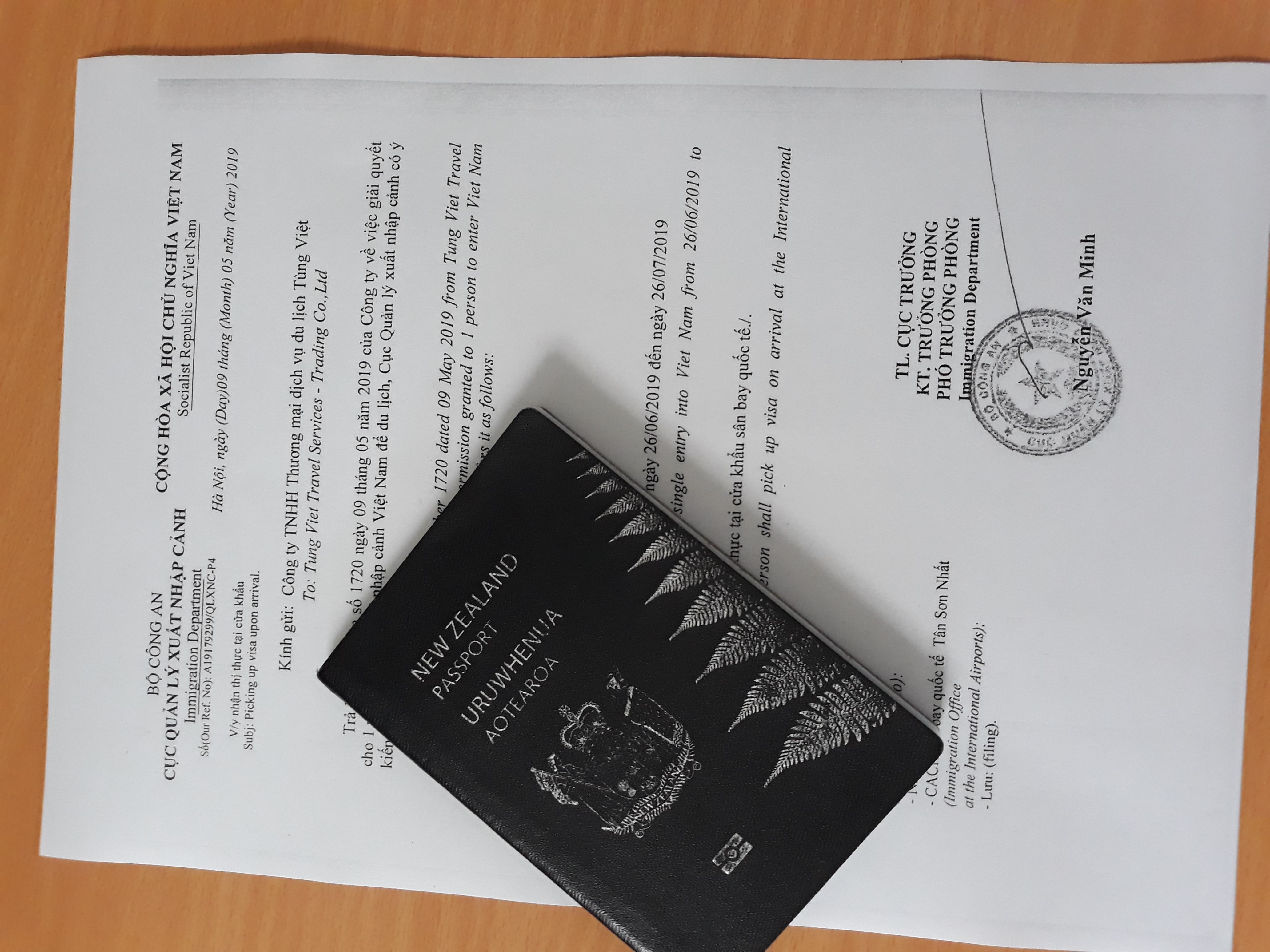
If you are travelling from New Zealand to Vietnam and have come across the term “visa on arrival”, it is easy to assume the visa can simply be sorted out once you step off the plane. That assumption can cause trouble. For New Zealand passport holders using an applicable landing-visa arrangement, the airport is where the final visa formalities are completed, not necessarily where the process begins. The crucial preparation happens before you leave New Zealand, particularly obtaining the required visa approval letter and getting the supporting documents ready. This guide explains the process from a Kiwi traveller’s point of view: what needs to be organised before departure, what happens after landing, which Vietnamese airports are commonly used for this procedure, and what you can do if your flight is close but your approval documentation is still missing.
For New Zealand passport holders using an eligible pre-approved landing-visa arrangement, the visa formalities can be completed after arrival at an applicable Vietnamese international airport. The part that often causes confusion is the phrase “on arrival”. It sounds as though you can turn up in Vietnam first and deal with the application afterwards, but that is not how travellers should plan the trip.
A better way to think about it is that the airport is the finishing point of the visa process, not the starting point. Before flying, you need to have the required approval documentation in place and carry the supporting paperwork needed for the airport procedure. Once you arrive, those documents are presented at the relevant visa counter before you continue through immigration.
The difference is important enough to remember in one sentence:
You may complete the visa after landing, but you should not arrive expecting to begin the entire process from scratch.
For Kiwi travellers, that distinction can make the difference between a straightforward arrival and discovering a documentation problem at the worst possible time.
The name itself is misleading. If someone in Auckland, Wellington or Christchurch hears “visa on arrival”, the obvious interpretation is that the visa is something you buy or request after reaching Vietnam. In practice, an applicable Vietnam landing-visa arrangement is better understood as a two-part process.
The first part happens before travel. Your approval documentation is arranged, your passport information is checked, and the paperwork you will need in Vietnam is prepared. The second part takes place after you land, when you present those materials at the appropriate airport counter and complete the visa formalities before immigration.
The journey therefore looks more like this:
Arrange approval before departure → Prepare your documents → Fly to Vietnam → Go to the landing-visa counter → Complete the visa formalities → Proceed to immigration
This is quite different from:
Book a flight → Arrive in Vietnam → Ask for a visa with only your passport
Keeping that difference in mind makes the rest of the process much easier to follow.
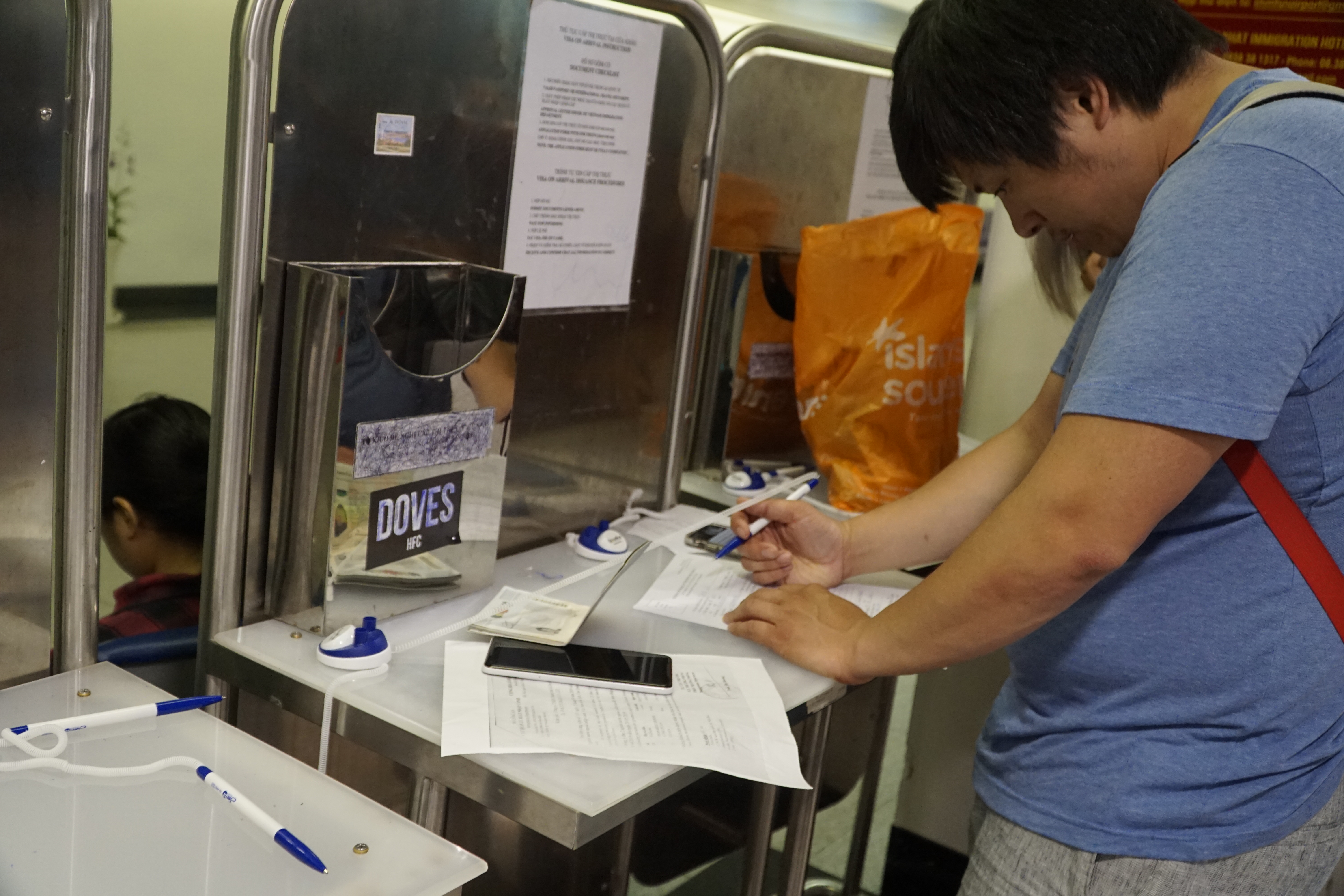
A smooth airport arrival starts well before you board your flight. If you are relying on a landing-visa arrangement, do not leave document preparation until you are already on your way to the airport. Put the key paperwork together, check it against your passport, and keep it in your hand luggage.
For the procedure covered in this guide, the main items are:
| What to bring | What to check |
|---|---|
| Valid passport | Use the original passport connected to your visa documents and make sure the details are correct |
| Visa approval letter | Obtain the required approval before departure |
| Passport photo | Prepare one 4 × 6 cm photo with a white background |
| Completed NA1 form | Fill in the required information carefully and sign where needed |
| Airport stamping fee | Prepare the applicable fee for the visa formalities |
The approval letter is the document Kiwi travellers should pay closest attention to. The service process described by VietnamImmigration.com also distinguishes between a pre-approval letter and the final airport procedure: travellers using that option stop at the visa-on-arrival office after reaching Vietnam to complete the stamping step.
Your passport details also deserve a careful second look. A mistyped passport number, an incorrect name order or inconsistent personal information can become much harder to fix when your flight is already approaching. Checking the paperwork at home takes a few minutes; finding the problem at an airport check-in desk is a completely different experience.
The landing-visa route is associated with international-airport arrivals rather than every possible border crossing into Vietnam. Information published by the visa service identifies several major airports used for this procedure, including Hanoi, Ho Chi Minh City, Da Nang, Cam Ranh, Phu Quoc and other designated airports.
For New Zealand travellers, the major arrival points commonly referenced include:
| Vietnamese destination | Airport |
|---|---|
| Hanoi | Noi Bai International Airport |
| Ho Chi Minh City | Tan Son Nhat International Airport |
| Da Nang | Da Nang International Airport |
| Nha Trang area | Cam Ranh International Airport |
| Phu Quoc | Phu Quoc International Airport |
| Da Lat area | Lien Khuong International Airport |
Your arrival airport matters because landing-visa arrangements are tied to the applicable entry procedure. Do not assume that flying into any airport, land border or seaport will produce the same result. Confirm the entry point linked to your particular approval before leaving New Zealand.
If everything has been prepared correctly before departure, the airport stage is usually much less intimidating than it sounds. The important thing is not to rush straight towards the standard immigration queue without first completing the procedure that applies to your visa arrangement.
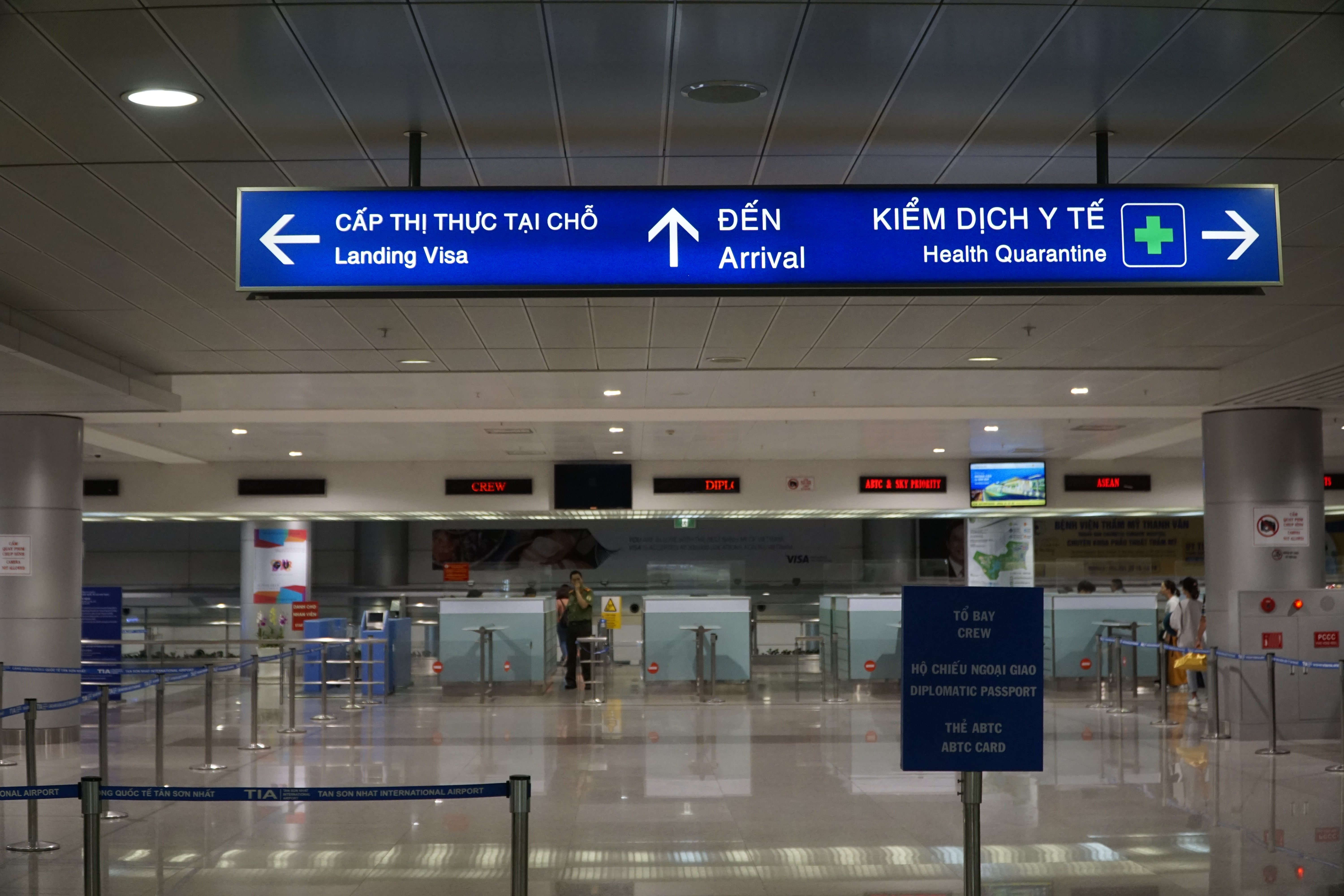
First, locate the landing-visa or visa-issuing area. Follow the airport signs and instructions after leaving the aircraft. If the layout is unfamiliar, ask airport staff rather than assuming you should simply follow the largest crowd.
Next, have your documents ready for submission. Your passport, approval letter, photograph and completed NA1 form should be easy to reach. This is one reason to keep them in your cabin bag rather than checked luggage.
Then complete the required visa formalities and pay the applicable airport fee. Follow the instructions at the counter and retain any documents handed back to you. Do not rush away immediately after the process is completed.
Finally, check the visa information before moving on. Make sure your name, passport details, permitted dates and other relevant information appear correctly. Once you are satisfied that the documentation is in order, continue to the immigration checkpoint.
The important sequence is therefore simple: visa counter first, immigration afterwards.
The most expensive misunderstanding is not usually forgetting a photo. It is believing that no approval is needed because the visa is described as being issued “on arrival”.
Imagine you have already booked your Auckland–Vietnam flight, paid for accommodation in Ho Chi Minh City, reserved a domestic connection to Da Nang and arranged a tour for the following morning. Everything looks ready until you check your visa documents and realise there is no approval letter.
At that point, the problem is larger than one missing PDF. Flights may be non-refundable, hotels may have cancellation penalties, and other people may be travelling with you. The closer you are to departure, the fewer easy options remain.
There is another reason not to rely on fixing everything after landing: travel documentation may be checked before you board. A landing-visa arrangement that requires prior approval should therefore be treated as something that must be prepared before the international journey begins, not as an issue to investigate after reaching Vietnam.
Last-minute visa problems tend to follow the same pattern. The flight is tomorrow evening, but you have only just realised something is missing. Or you are leaving Auckland in several hours and are now trying to work out whether your paperwork is sufficient. In an even more stressful case, you may already be at the departure airport.
When that happens, do not begin by searching for the fastest-sounding promise. Begin by identifying the actual problem.
| Situation | Immediate priority |
|---|---|
| You have no approval letter | Find out whether the required approval can still be arranged before departure |
| Your documents contain incorrect passport details | Correct the information before relying on the documents |
| You have the approval but are missing supporting paperwork | Prepare the remaining airport documents immediately |
| Your flight leaves within hours | Provide exact passport and flight details so the case can be assessed against the remaining time |
The number of hours until departure matters more than saying simply that your flight is “tomorrow”. A flight tomorrow night and a flight at 6 a.m. tomorrow morning create very different timelines.
Accuracy is equally important. In an urgent case, travellers sometimes rush through the application because they are watching the clock. That is precisely when passport details need to be checked most carefully. A fast submission with incorrect information is not a useful solution.
If normal processing no longer fits your departure schedule, the sensible question is whether your particular case is eligible for an accelerated solution. That is where professional visa support can be useful: not simply to promise speed, but to check the case, identify what is missing and determine whether it can realistically be handled before the flight.
Travellers with an urgent departure can submit their circumstances through Vietnam visa application and urgent case assessment. The service page allows applicants to enter passport nationality, arrival information and urgent-service requirements, and it distinguishes its commercial service from official government immigration channels.
For eligible urgent cases, accelerated processing may be available depending on the case, submission time and operational conditions. When the trip is only hours away, the value of assistance is broader than processing speed. Having passport details and supporting information reviewed before submission can reduce avoidable mistakes, while direct support gives the traveller somewhere to turn when the issue appears outside ordinary office hours.
An experienced visa team can also help separate the real problem from the surrounding panic. A traveller may think they “need a visa immediately” when the practical issue is more specific: the approval letter is missing, passport information does not match, or the arrival procedure has been misunderstood.
If your New Zealand departure is close, submit the case for assessment through the Vietnam visa application service rather than relying on the hope that everything can be sorted out after arrival.

Instead of checking your visa once and forgetting about it, Kiwi travellers can use a simple two-checkpoint system.
Checkpoint one should happen several days before departure. Confirm that your passport is valid for the trip, your approval documentation has been received, your personal details match, your arrival airport is correct and the supporting paperwork is ready.
Checkpoint two should happen before leaving for the airport. Put the documents into your carry-on bag and physically check that the passport, approval letter, photograph, NA1 form and required payment are with you.
This simple habit prevents one of the most common travel mistakes: knowing that a document exists but discovering too late that it is saved on an inaccessible device, printed incorrectly, packed in checked luggage or missing altogether.
Most problems arise from assumptions rather than complicated immigration rules. Travellers hear a familiar phrase, skim a few search results and fill in the gaps themselves. A few basic checks can prevent most of those issues.
| Avoid this | Do this instead |
|---|---|
| Treating “visa on arrival” as “apply after arrival” | Treat it as a pre-prepared process completed at the airport |
| Flying without the required approval | Confirm the approval document before departure |
| Copying passport information from memory | Enter details directly from the passport |
| Assuming every Vietnamese entry point works the same way | Confirm the arrival airport attached to your arrangement |
| Packing visa documents in checked luggage | Keep all immigration paperwork in your hand luggage |
| Waiting until check-in to review the visa | Recheck the documents well before leaving home |
It is also wise to be cautious with old forum posts and travel blogs. Immigration procedures, available services and entry arrangements can change over time. Your trip should be prepared according to the conditions applying to your own passport, itinerary and travel date rather than somebody else’s experience from years ago.
Before leaving home, run through this checklist once. It is deliberately short because the best travel checklist is one you will actually use.
Before the flight
☐ Valid New Zealand passport
☐ Required visa approval letter
☐ 4 × 6 cm white-background passport photo
☐ Completed NA1 form
☐ Applicable airport stamping payment
☐ Correct Vietnamese arrival airport confirmed
☐ Passport details checked against the approval documentation
After landing
☐ Find the applicable visa-issuing counter
☐ Prepare the passport and supporting documents
☐ Submit the required paperwork
☐ Complete the payment and visa formalities
☐ Check all visa details
☐ Continue to immigration
Once those items are in place, the landing-visa procedure is far less mysterious. The preparation happens before the flight; the airport is where you complete the final steps.
New Zealand travellers using an applicable pre-approved landing-visa arrangement can complete the relevant visa formalities after arriving at a designated Vietnamese international airport. What matters is understanding that “visa on arrival” does not mean “arrive without a visa plan.” The approval stage and supporting documents need to be dealt with before you rely on the airport procedure.
If your Vietnam trip is still several days away, organise the paperwork now and check it again before departure. If your flight is tomorrow, tonight or only hours away and the required approval is still missing, deal with the issue immediately rather than expecting the airport to solve it later. An urgent case can be submitted through Vietnam visa application support so the circumstances can be checked before departure.
Planning a trip from New Zealand to Vietnam is exciting, but the visa requirement can raise a few practical questions before departure. Can New Zealand passport holders apply online? What …
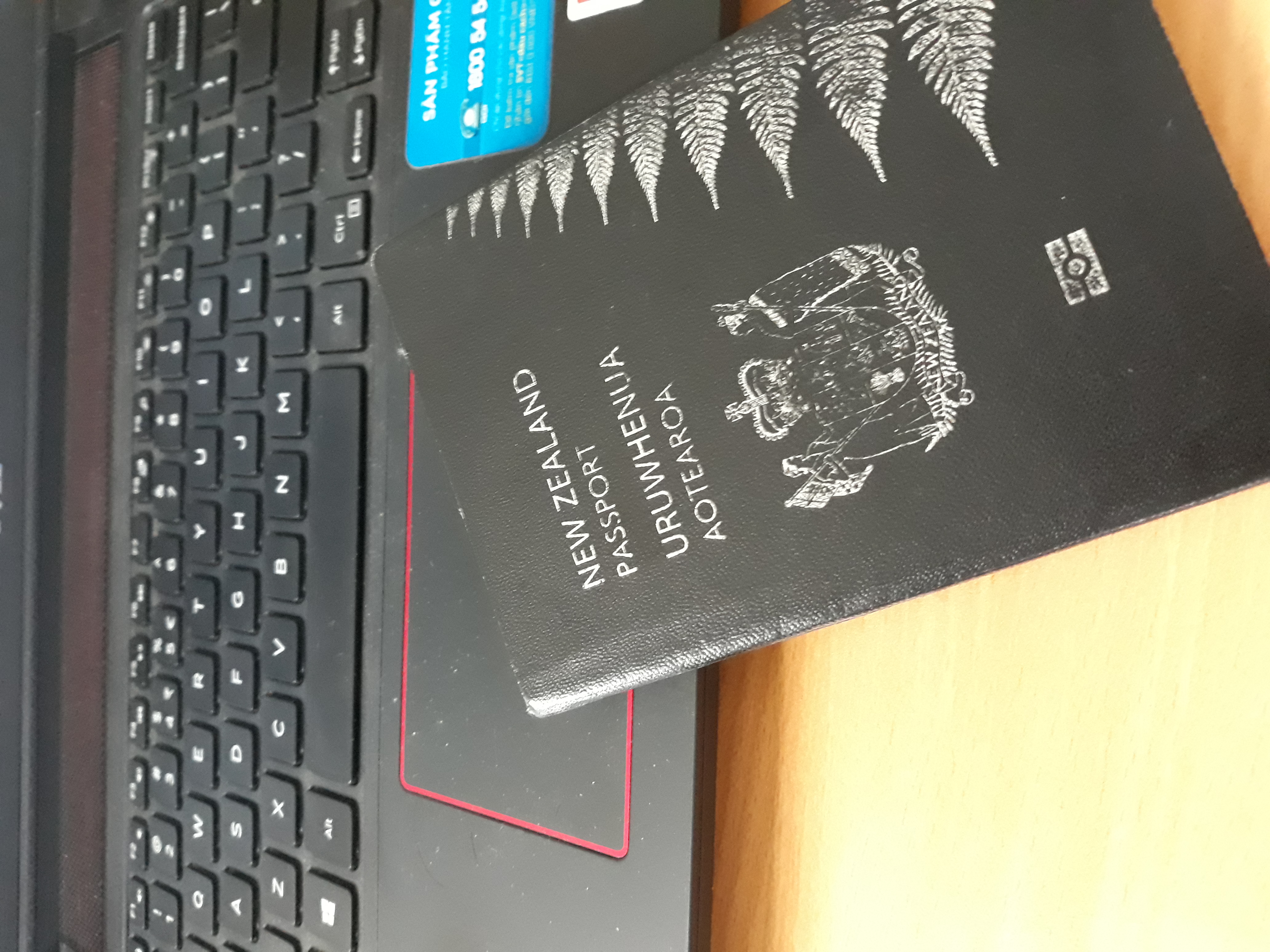
For New Zealand professionals heading to Vietnam for meetings, supplier visits, project discussions, trade events, or investment research, the first challenge is often deciding which visa actually fits the trip. …
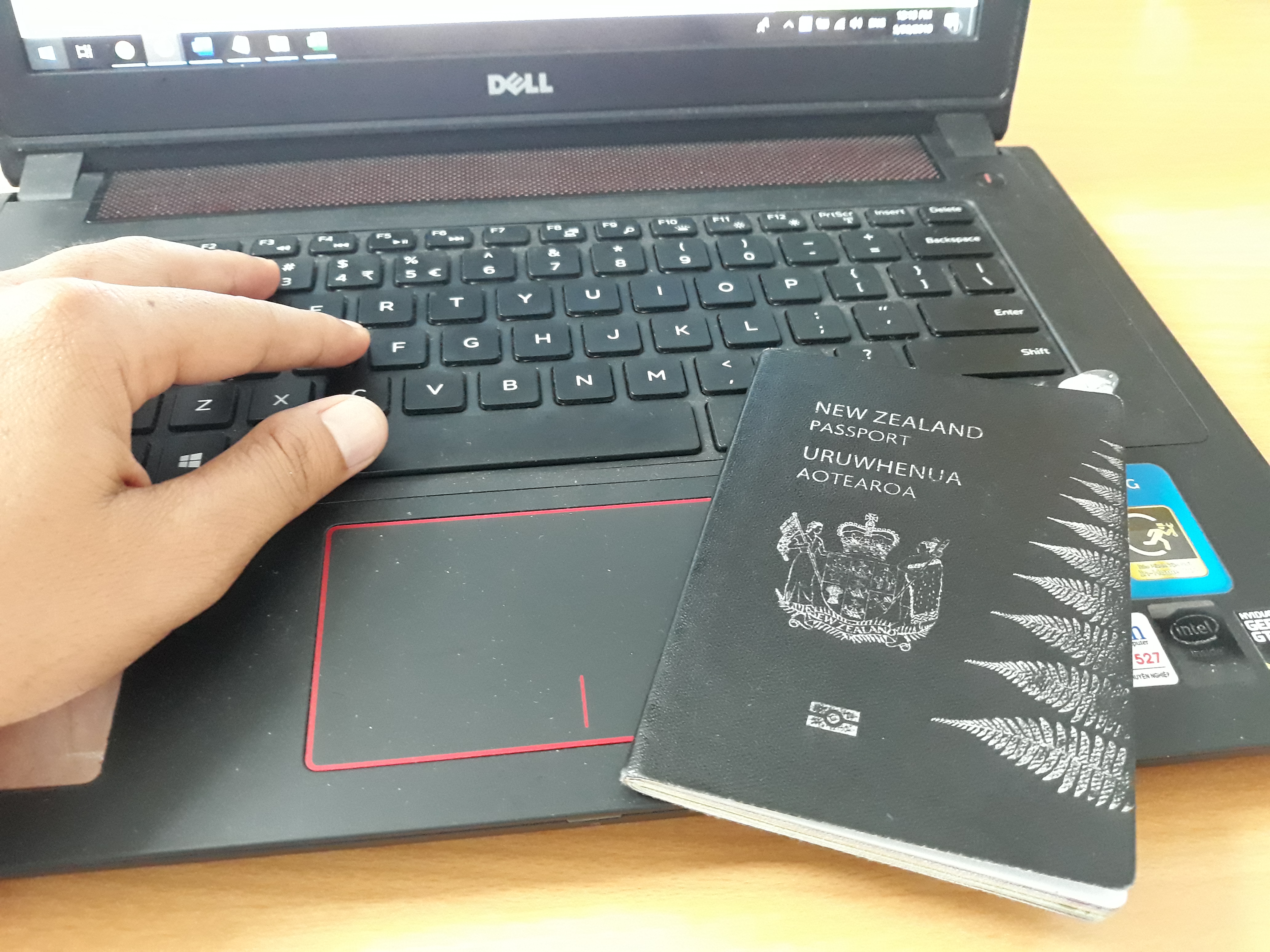
Vietnam continues to attract a growing number of visitors from New Zealand, whether they’re planning a holiday, attending business meetings, visiting family, or beginning a wider Southeast Asian adventure. With …
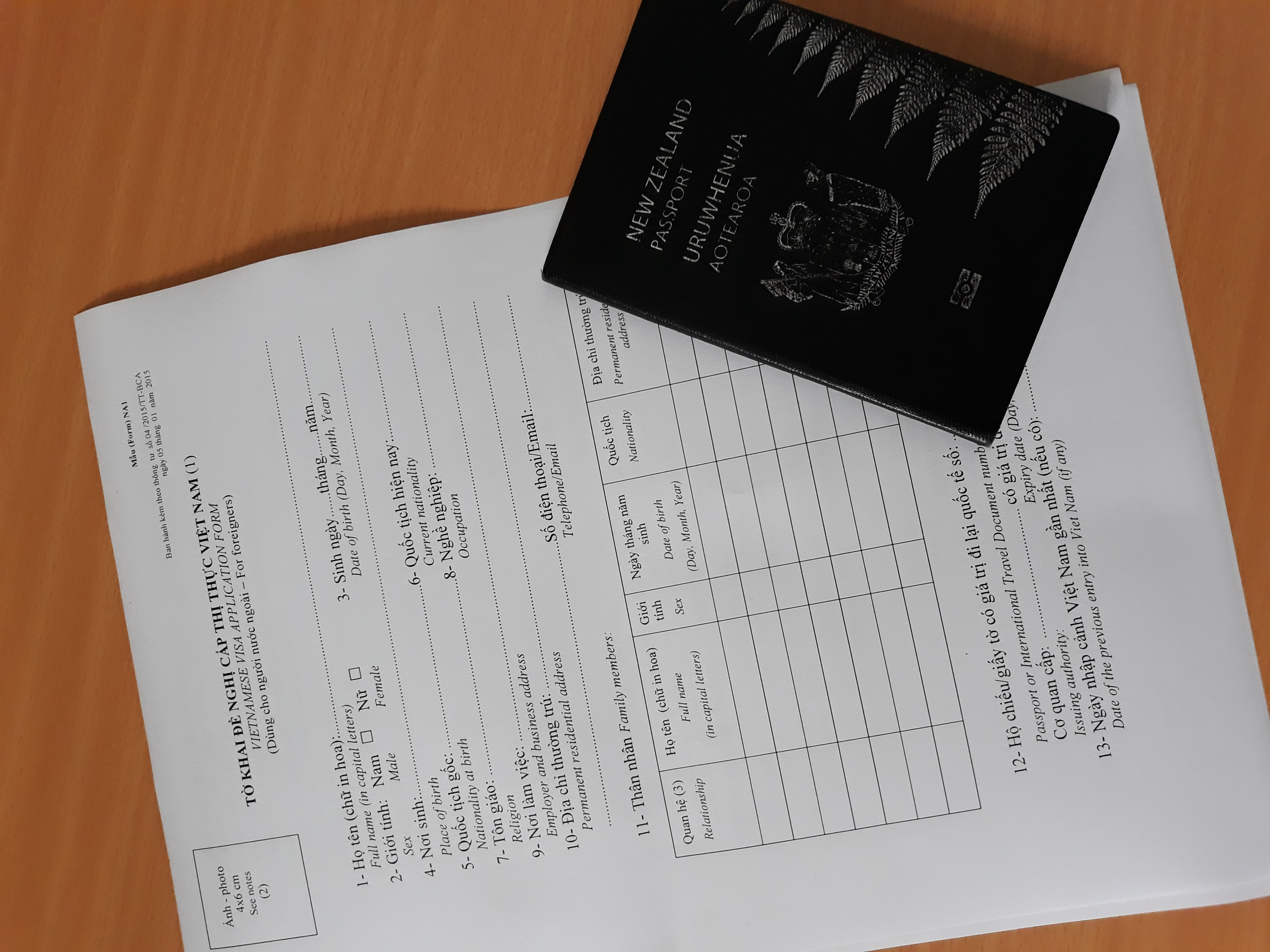
You have booked your flights, chosen your accommodation, and begun planning everything from an early-morning walk through Hanoi’s Old Quarter to an evening among the lanterns of Hoi An and …
Planning a holiday in Vietnam from New Zealand? Before finalising your flights and accommodation, securing the correct tourist visa should be one of your first priorities. Vietnam’s electronic visa system …
Travel from New Zealand to Vietnam continues to attract holidaymakers, business visitors, families, and travellers looking to experience the country’s food, culture, and landscapes. However, an overlooked visa requirement can …
Your long-awaited Vietnam holiday is finally getting closer. Flights are booked, accommodation is sorted, and your travel plans are all falling into place. Maybe you’re already imagining yourself wandering through …
Vietnam has become an increasingly attractive destination for travellers from New Zealand. From the historic charm of Hanoi and the lantern-lit streets of Hoi An to the vibrant city life …
Everything was lined up for the trip—flights sorted, accommodation booked, plans all good to go. Then, less than a day before departure, it hit: no Vietnam visa. The panic set …