Planning a holiday in Vietnam from New Zealand? Before finalising your flights and accommodation, securing the correct tourist visa should be one of your first priorities. Vietnam’s electronic visa system …

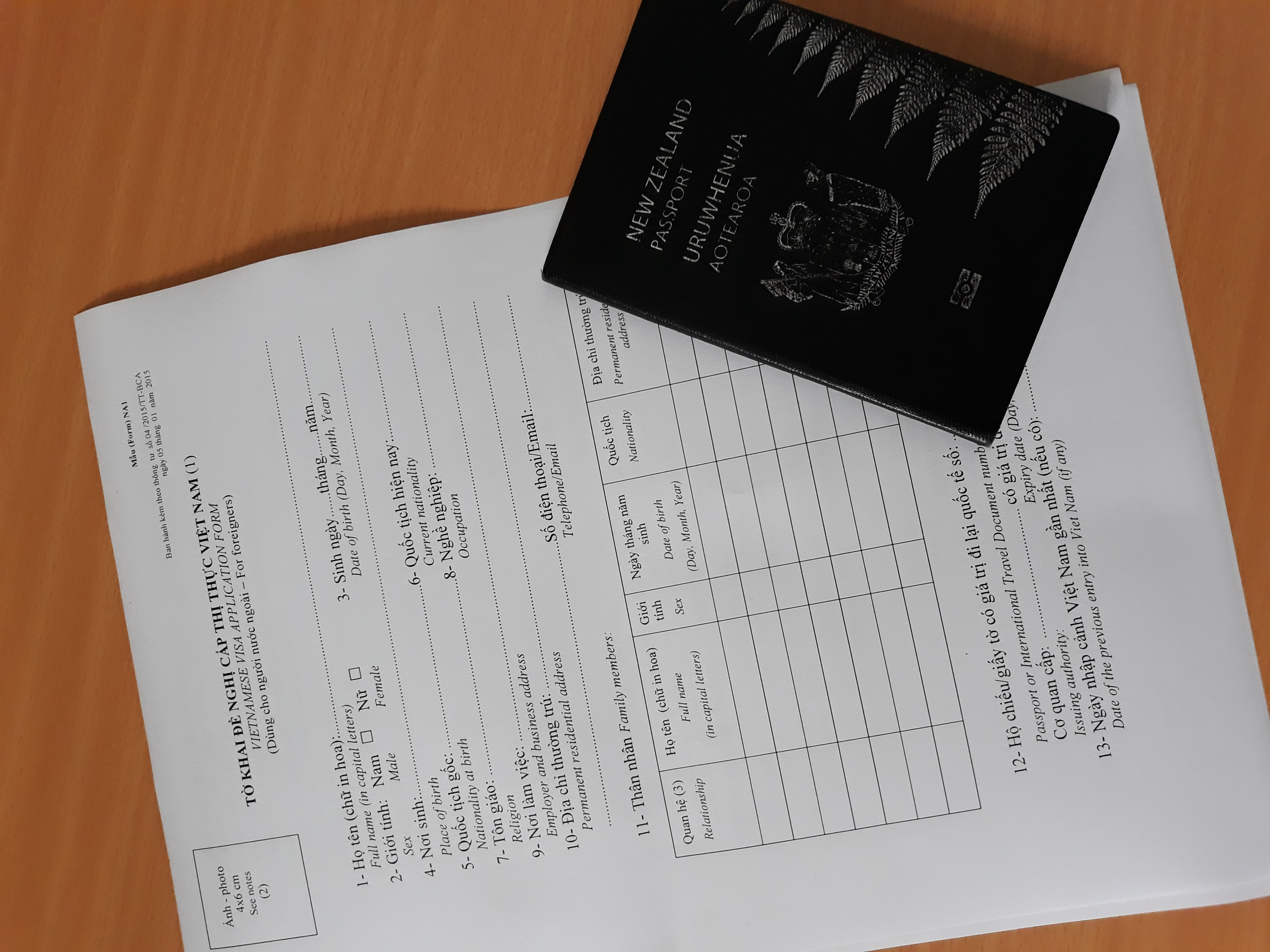
You have booked your flights, chosen your accommodation, and begun planning everything from an early-morning walk through Hanoi’s Old Quarter to an evening among the lanterns of Hoi An and a few energetic days in Ho Chi Minh City. Before you finish organising the trip, however, there is one essential question to answer: do New Zealand citizens need a visa to visit Vietnam? It is surprisingly common for travellers to leave visa arrangements until the final days before departure, only to discover that approval must be secured in advance. A late application, an incorrectly entered passport number, or the wrong visa type can add unnecessary stress to an otherwise exciting holiday. Fortunately, New Zealand passport holders can apply for a Vietnam electronic visa online. With the right documents and a careful review of the application, the process can be completed without visiting an embassy. This guide explains the entry requirements for New Zealand travellers, the visa options available, the documents you should prepare, the online application process, standard and urgent processing, and the mistakes that are most important to avoid.
Yes. New Zealand passport holders must obtain a valid visa before entering Vietnam, including when visiting for a short holiday. New Zealand’s official SafeTravel guidance states that New Zealanders need a valid visa and should make sure the approved visa details match their passport exactly.
New Zealand citizens are eligible to apply for a Vietnam e-Visa. Vietnam’s national electronic visa system currently offers visas valid for a maximum of 90 days, with either single-entry or multiple-entry permission. The exact period of stay is determined by the dates approved on the visa rather than automatically granting every applicant a full 90-day stay.
A limited exemption may apply to travellers visiting Phu Quoc Island only. Eligible foreign visitors may stay on Phu Quoc without a visa for up to 30 days when they meet the relevant entry conditions and remain within the area covered by the exemption. This arrangement should not be treated as permission to continue to mainland Vietnam without a visa.
You will need a valid Vietnam visa if your plans include destinations such as Hanoi, Ho Chi Minh City, Da Nang, Hoi An, Hue, Nha Trang, Ha Long Bay, or any other location beyond the Phu Quoc exemption area. The same rule applies when your international flight arrives directly at an airport on mainland Vietnam.
Immigration and entry procedures can change, so it is sensible to verify the applicable requirements before paying for non-refundable travel arrangements. Applying well in advance also gives you time to correct an error or provide additional information if requested.

The two visa arrangements most commonly discussed by New Zealand travellers are the Vietnam e-Visa and Visa on Arrival. For a typical holiday, the e-Visa is generally the more straightforward option.
A Vietnam e-Visa is issued through an electronic system. The application can be completed remotely, and successful applicants receive access to their visa result online. Vietnam’s e-Visa can be valid for up to 90 days and may allow either one entry or multiple entries.
A Visa on Arrival generally requires the traveller to arrange the necessary approval before flying and then complete additional formalities at an eligible Vietnamese international airport. It does not mean that a visitor can board a flight without prior arrangements and simply request an ordinary tourist visa after landing. Availability depends on the traveller’s circumstances and the applicable immigration procedures.
For most independently organised holidays, the e-Visa is easier because the visa documentation can be arranged before leaving New Zealand and used at an approved Vietnamese entry checkpoint.
You must also choose the entry option that suits your itinerary:
Review your complete travel schedule before making this selection. A single-entry visa normally becomes unusable for further entry once you leave Vietnam, even when the expiry date printed on the document has not passed.
Applying online is relatively straightforward when you prepare the required details and digital files before beginning the form.
New Zealand applicants will generally need:
The application instructions require an image of the passport data page and a front-facing portrait photograph. The image should be clear, complete, and suitable for verification.
Travellers are commonly advised to have at least six months of passport validity remaining from their intended arrival date. You should also ensure that your passport will remain valid throughout the journey and has sufficient space for any necessary immigration endorsements.
Before submitting the form, carefully check:
Visa information must correspond with the passport used for travel. SafeTravel specifically warns New Zealand travellers that spelling mistakes or other differences between the visa and passport may result in entry being refused.
You should also check that your intended airport, seaport, or land border is approved for e-Visa entry. Selecting a checkpoint that does not match your actual itinerary may create difficulties when you travel.
For most New Zealand travellers, an online application is the most convenient way to arrange a Vietnam visa.
Step 1: Begin the application through the Vietnam visa service page:
Step 2: Enter your personal details exactly as they appear in your New Zealand passport. Do not use a nickname, abbreviated name, or alternative spelling.
Step 3: Choose the requested visa validity and decide whether your trip requires single-entry or multiple-entry permission.
Step 4: Upload the requested documents, including a clear image of your passport information page and a compliant portrait photograph.
Step 5: Review the completed form before submission. Pay particular attention to your name, passport number, date of birth, entry date, and intended checkpoint.
Step 6: Complete the payment and monitor your email for confirmation, requests for further information, and the application result.
The national e-Visa process similarly involves completing the application, paying the required fee, and receiving the result online.
After receiving your approved visa, download the document and compare every detail with your passport. Keep an electronic copy and carry a printed version during your journey so it is readily available at airline check-in and immigration.
Use a sharp, well-lit passport image. Avoid glare, shadows, blurred text, missing corners, or fingers covering any part of the page.
Enter your name exactly as it appears in the passport data section. Do not add titles or change the order of your names simply because another format seems more familiar.
Use an email address that you check regularly. During the application period, review your spam or junk folder as well as your main inbox.
Submit the application before the final days leading up to departure. An early application gives you more time to resolve an incorrect upload, inaccurate detail, or additional review.
Make sure the requested visa period covers your entire stay. Your proposed entry and departure dates should fall within the approved validity shown on the visa.
Many visa problems result from avoidable data-entry or document errors. These include:
Do not assume that a small error will be overlooked. The visa should match the passport precisely when you present both documents during check-in and entry procedures.

The national e-Visa system states that an application is normally processed within three working days after the required application and payment steps are completed. However, travellers should allow additional time because weekends, public holidays, document corrections, seasonal demand, or further checks can extend the overall process.
For practical planning, allowing approximately 3–5 working days or longer is more cautious than relying on the minimum processing period.
The government e-Visa fee is currently listed as:
Government fees are generally separate from any optional service, review, or urgent-processing charges provided by a visa assistance company.
When the departure date is close, eligible travellers may request expedited assistance for an additional fee. Depending on the circumstances, submission time, and service availability, urgent support may offer a result within approximately 2–8 hours. This timeframe should not be treated as guaranteed for every application because immigration review remains subject to eligibility and processing conditions.
The total cost may depend on:
Processing may take longer when:
Urgent processing can be useful when travel is genuinely time-sensitive, but applying early remains the safest approach.
Obtaining a Vietnam travel visa for New Zealanders is manageable when you understand the entry requirements and complete the application carefully. New Zealand passport holders need a valid visa before travelling to Vietnam, and the e-Visa provides a convenient option with a maximum validity of 90 days and a choice of single or multiple entries.
Choose your entry option according to the full itinerary, not only the first part of your trip. Enter all passport details accurately, upload clear documents, and check the approved visa before leaving New Zealand.
Travellers who would prefer assistance with the application can submit their details through:
The service provides document checking before submission, customer assistance, urgent processing options of approximately 2–8 hours for eligible cases, and more than 15 years of experience supporting international travellers with Vietnam visa applications.
Once your visa has been approved and your documents are ready, you can concentrate on the experience ahead—from Vietnam’s historic neighbourhoods and dramatic mountain scenery to its beaches, regional food, and welcoming local culture.
Planning a holiday in Vietnam from New Zealand? Before finalising your flights and accommodation, securing the correct tourist visa should be one of your first priorities. Vietnam’s electronic visa system …
Travel plans don’t always come together months in advance. Sometimes an irresistible airfare appears overnight, an unexpected business opportunity arises, or a family event gives you a compelling reason to …
Your flights are booked, your accommodation is confirmed, and your itinerary is finally coming together—then you suddenly realise you’ve forgotten one crucial requirement: your Vietnam visa. It’s a situation that …
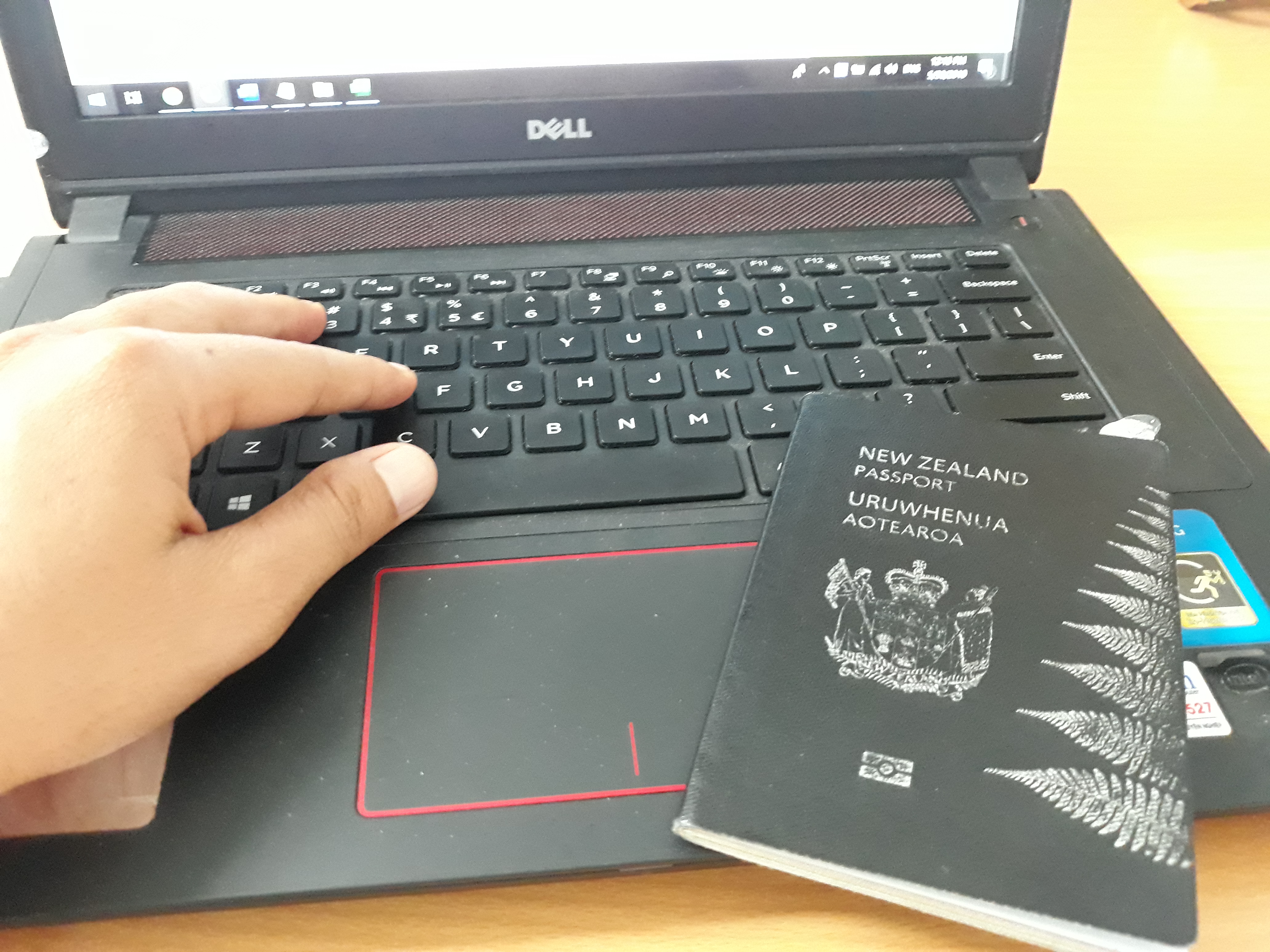
Travel from New Zealand to Vietnam continues to attract holidaymakers, business visitors, families, and travellers looking to experience the country’s food, culture, and landscapes. However, an overlooked visa requirement can …
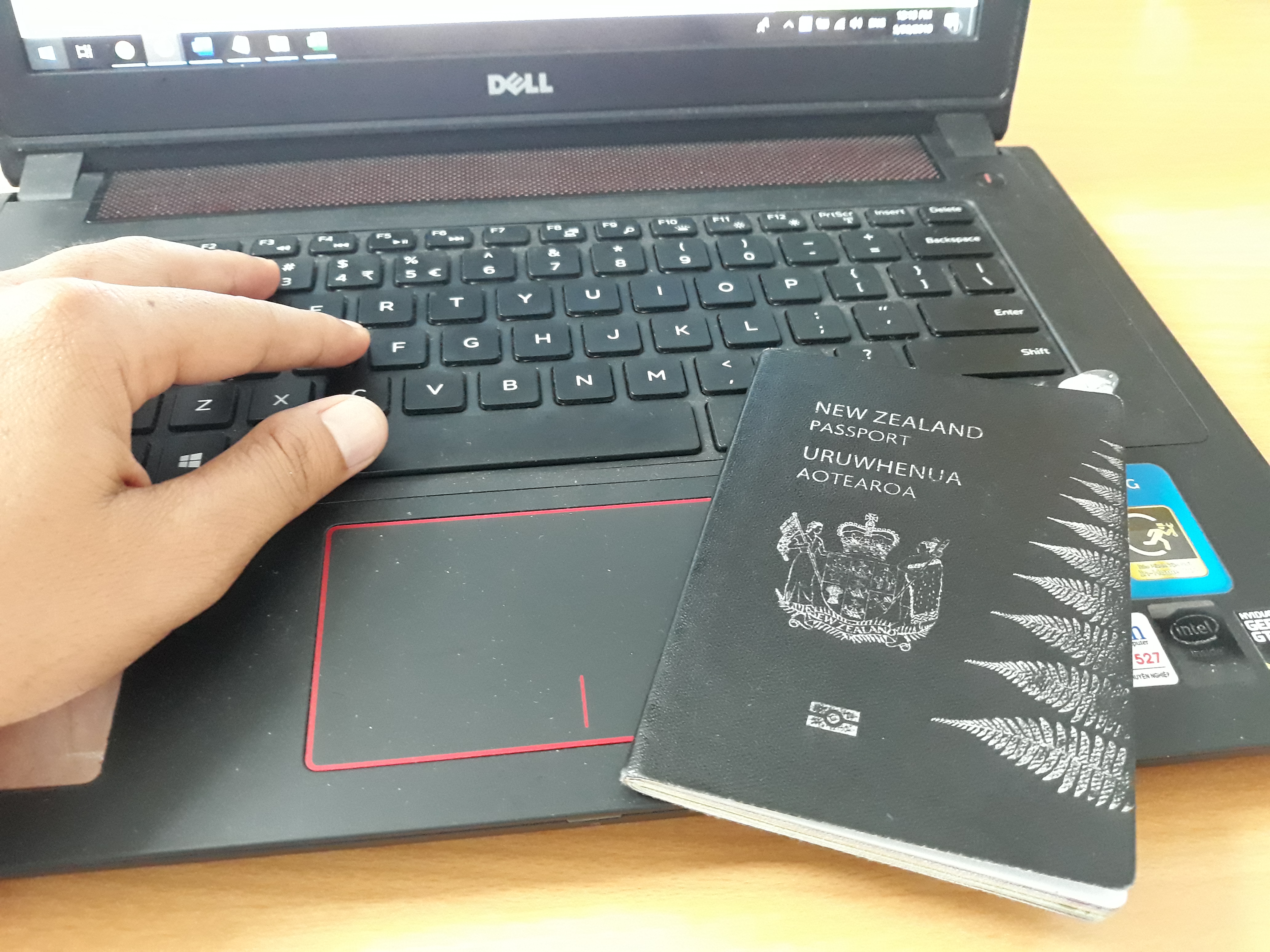
Your flight from New Zealand is approaching, but your Vietnam e-visa application is still showing no final result. The airfare has been paid, accommodation is confirmed, and your itinerary is …
Planning a trip to Vietnam is always exciting, but nothing is more stressful than realising your visa hasn’t been approved yet. For New Zealand travellers booking last-minute trips, this can …
You’ve already put in your Vietnam e-visa application, but your departure date is getting uncomfortably close. Maybe your flight is only a few days away—or even just hours out. You …
Vietnam has become an increasingly attractive destination for travellers from New Zealand. From the historic charm of Hanoi and the lantern-lit streets of Hoi An to the vibrant city life …
For many New Zealanders, travel plans don’t always come together weeks in advance. It might be a last-minute business trip to Ho Chi Minh City, a spontaneous holiday to explore …