Vietnam continues to attract a growing number of visitors from New Zealand, whether they’re planning a holiday, attending business meetings, visiting family, or beginning a wider Southeast Asian adventure. With …

For New Zealand professionals heading to Vietnam for meetings, supplier visits, project discussions, trade events, or investment research, the first challenge is often deciding which visa actually fits the trip. Some business travellers need a sponsored Vietnam DN Visa, while others may be better suited to Vietnam’s electronic visa system. The difference matters because the application process, supporting documents, and role of a Vietnamese host company are not the same. This guide explains how the Vietnam DN Visa works for New Zealand citizens, whether a three-month visa may be available, what documents are usually needed, how the process is handled, and when an electronic visa may be the more practical option.
A Vietnam DN Visa is generally relevant when a New Zealand citizen is travelling to Vietnam for formal business activities connected with a local company or organisation.
This may include:
The key question is not simply whether the trip is “for business.” It is whether the nature of the visit requires formal sponsorship from a Vietnamese organisation.
Before preparing an application, New Zealand travellers should clarify:
| Question | Why it matters |
|---|---|
| Is there a Vietnamese company willing to sponsor the trip? | A DN Visa usually depends on local sponsorship |
| Is the visit linked to formal business cooperation? | The visa type should match the real purpose of entry |
| Is a sponsored visa actually necessary? | Some short-term business visits may fit the electronic visa route |
| Are the documents consistent? | Mismatched details can cause delays |
| Will the traveller perform actual employment duties? | A business visa does not automatically replace work authorisation |
The Vietnam DN Visa is a business-related visa category for foreign nationals entering Vietnam to work with eligible companies or organisations.
There are two main DN classifications:
| Visa code | General use |
|---|---|
| DN1 | For foreigners working with enterprises or organisations legally established under Vietnamese law |
| DN2 | For foreigners entering Vietnam to provide services, establish a commercial presence, or carry out other activities under relevant international arrangements |
This visa is commonly used by:
A DN Visa should not be treated as automatic permission to work in Vietnam. If the traveller intends to take up employment, perform regulated work, or receive local remuneration, separate work-related approval may still be required.
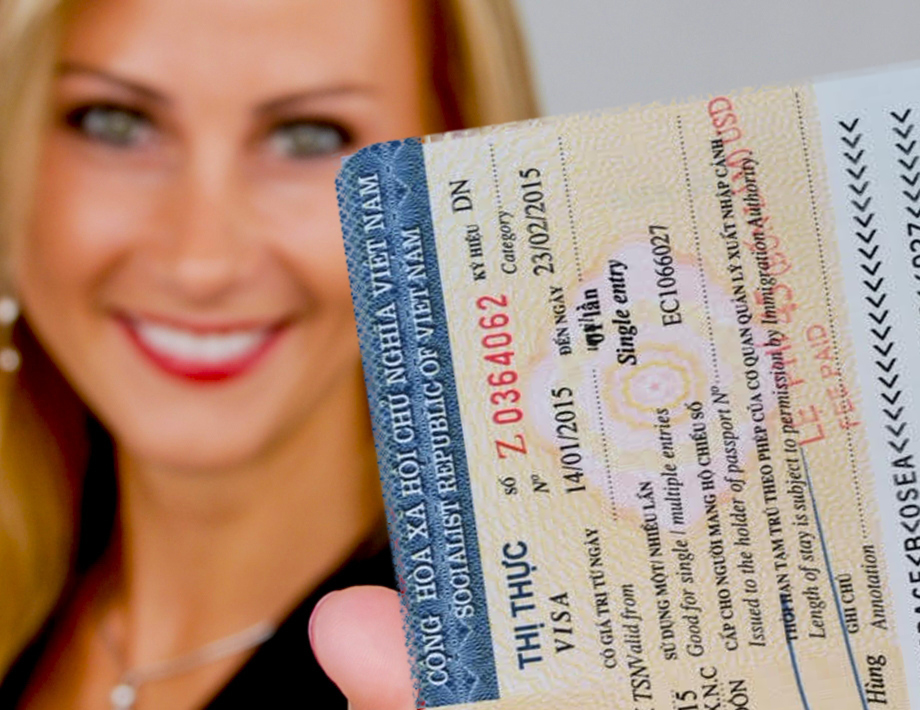
Yes, New Zealand passport holders may apply for a Vietnam DN Visa if they meet the relevant entry requirements and have an eligible sponsor in Vietnam.
A three-month request may be suitable for travellers who need to:
However, the requested period is not automatically the approved period.
The final visa validity depends on:
New Zealand travellers should always organise their trip according to the validity and entry conditions shown on the issued visa.
A New Zealand applicant will generally need to satisfy several basic conditions.
| Requirement | What it means |
|---|---|
| Valid New Zealand passport | The passport must be suitable for the planned trip |
| Genuine business purpose | The visit must involve lawful commercial activity |
| Eligible Vietnamese sponsor | A qualified company or organisation generally supports the application |
| Accurate personal information | Passport details, names, and dates must match |
| Entry eligibility | The applicant must meet Vietnam’s immigration conditions |
| Complete supporting documents | Additional information may be requested |
Small errors can create unnecessary problems.
Applicants should carefully check:
The exact file may differ from one case to another, but the following documents are commonly required.
| Document | Usually needed |
|---|---|
| Valid New Zealand passport | Yes |
| Passport information-page copy | Yes |
| Recent passport photograph | Yes |
| Personal application details | Yes |
| Invitation letter from Vietnam | Yes |
| Sponsorship documents | Yes |
| Vietnamese company records | Depending on the case |
| Additional supporting evidence | If requested |
The passport scan should be:
The sponsor’s documents should accurately describe the relationship between the applicant and the Vietnamese organisation, the reason for the visit, and the expected travel period.
The DN Visa process usually requires active cooperation between the applicant and the Vietnamese sponsor.
The traveller should first confirm what they will actually do in Vietnam.
This helps determine whether a DN Visa is required or whether another visa route may be more suitable.
A qualified Vietnamese company or organisation must be willing to support the application.
Possible sponsors may include:
The New Zealand traveller will normally provide:
The Vietnamese organisation prepares and submits the required sponsorship documents to the appropriate authority.
This is one of the main reasons the DN Visa process is more involved than an individual electronic visa application.
The application is reviewed by the relevant authority.
The applicant or sponsor may receive:
Once approved, the applicant follows the instructions for obtaining the visa.
Before travelling, check:

There is no single timeline that applies to every case.
The total processing period can be affected by:
Common causes of delay include:
New Zealand applicants should begin well before their intended departure date.
Submitting early gives the sponsor more time to prepare documents and reduces the risk of disruption if corrections are needed.
Only part of the process may be handled online.
A traditional DN Visa is not usually completed entirely by the traveller through a single online form because sponsorship remains a central part of the application.
The applicant may be able to complete the following electronically:
However, the Vietnamese sponsor generally remains responsible for:
For first-time applicants, this can feel complicated because multiple parties are involved.
For many short-term business visitors, yes.
If the planned activities fit within Vietnam’s electronic visa framework, an e-visa may be simpler because the applicant can usually complete the process online without arranging traditional company sponsorship.
A typical electronic visa application may require:
An electronic visa may be issued for a period of up to 90 days, depending on the approval, and may allow single or multiple entry.
This option may be practical for New Zealand citizens travelling to Vietnam for:
| Feature | Vietnam DN Visa | Vietnam Electronic Visa |
|---|---|---|
| Vietnamese sponsor | Generally required | Usually not required for an individual application |
| Application style | Sponsor-assisted | Online |
| Document volume | More extensive | Usually lighter |
| Number of steps | Several administrative stages | More streamlined |
| Best suited to | Formal sponsored business travel | Eligible short-term visits |
| Validity | Based on approval | Up to 90 days, depending on approval |
The better option depends on the purpose of the trip.
A DN Visa may be more suitable when:
An electronic visa may be more convenient when:
New Zealand applicants can reduce avoidable delays by following a few practical steps.
The same spelling and numbers should appear across:
Business travellers should allow enough time for:
A traveller should not choose a visa simply because it looks faster.
The visa must match:
Before departure, confirm:
Choosing between a sponsored DN Visa and an electronic visa can be difficult, especially when the trip involves business meetings, projects, or local partners.
New Zealand applicants can submit their information through https://www.vietnamimmigration.com/apply-vietnam-visa/ for assistance with the application process.
Support may include:
A professional review before submission can help make the process more organised and reduce avoidable delays.

A multiple-entry visa may be requested, but approval depends on the supporting file and the final decision of the competent authority.
Yes, a three-month period may be requested when it suits the business itinerary, but the approved validity may be different.
A traditional DN Visa generally requires support from an eligible Vietnamese company or organisation.
Extension options depend on the rules in force, the sponsor, and the applicant’s individual circumstances.
For many eligible New Zealand travellers, yes. It normally involves fewer documents and a more direct online process.
Not automatically. Separate work authorisation may still be required depending on the activities involved.
For many short meetings, trade events, and market visits, an electronic visa may be more convenient, provided the traveller is eligible and the activities fit the visa conditions.
New Zealand citizens should choose a Vietnam visa based on the actual purpose of the trip, the role of the Vietnamese host company, and the type of business activity planned. A DN Visa is generally better suited to formally sponsored visits, while Vietnam’s electronic visa may offer a simpler route for many short-term business travellers. Before applying, check every document carefully, allow enough processing time, and make sure the selected visa matches the real nature of the visit. For application support and document review, visit https://www.vietnamimmigration.com/apply-vietnam-visa/.
Vietnam continues to attract a growing number of visitors from New Zealand, whether they’re planning a holiday, attending business meetings, visiting family, or beginning a wider Southeast Asian adventure. With …
You have booked your flights, chosen your accommodation, and begun planning everything from an early-morning walk through Hanoi’s Old Quarter to an evening among the lanterns of Hoi An and …
Planning a holiday in Vietnam from New Zealand? Before finalising your flights and accommodation, securing the correct tourist visa should be one of your first priorities. Vietnam’s electronic visa system …
Travel from New Zealand to Vietnam continues to attract holidaymakers, business visitors, families, and travellers looking to experience the country’s food, culture, and landscapes. However, an overlooked visa requirement can …
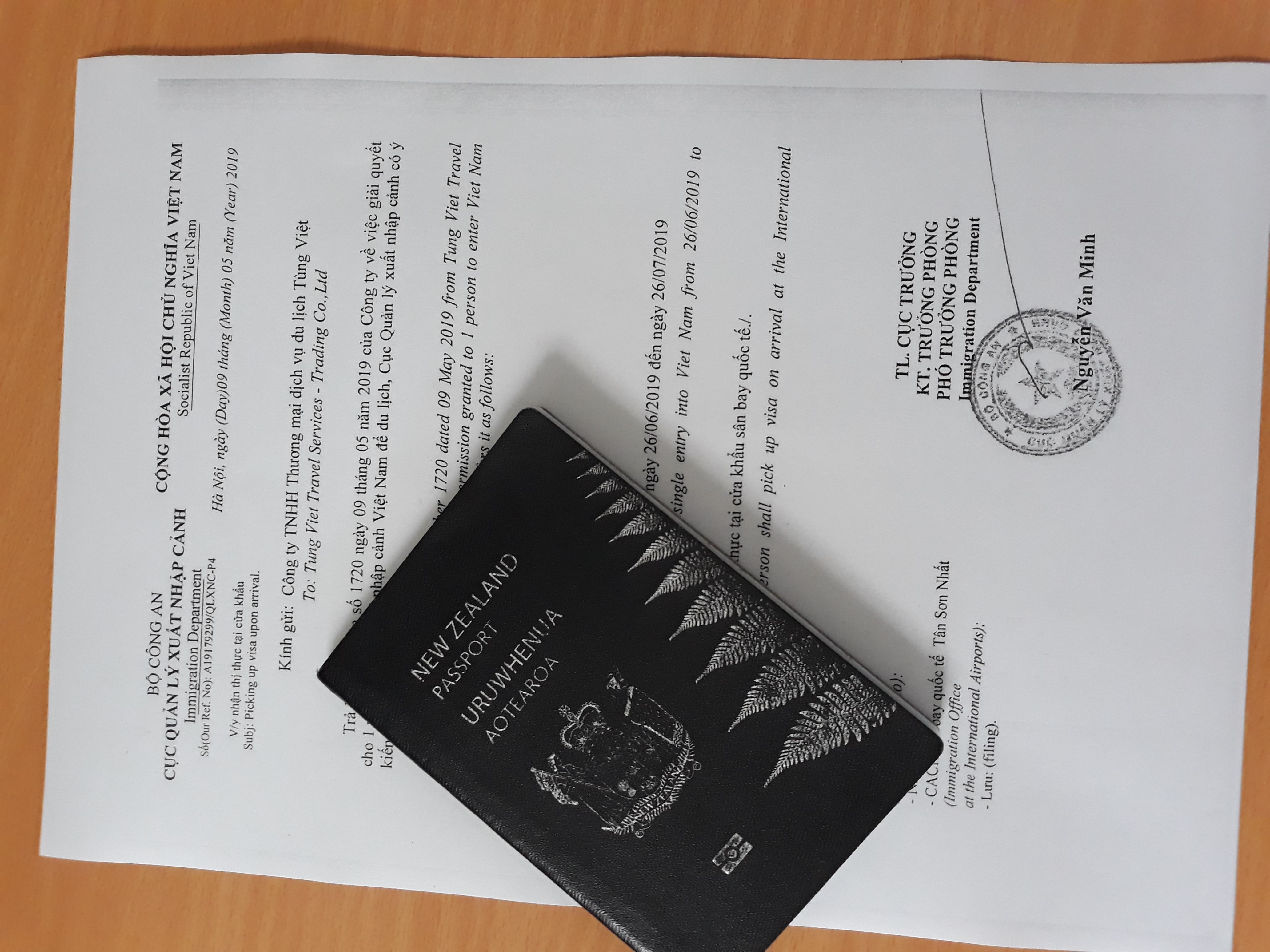
Planning an international trip is always exciting, but sometimes unexpected issues appear at the last minute. Imagine you are a traveller from New Zealand preparing to fly to Vietnam tomorrow. …
Heading off from New Zealand to explore Vietnam’s coastal gem, Danang? If you’re after a hassle-free way to sort out your visa, the landing visa—also known as Visa on Arrival—is …
Planning a Southeast Asian getaway from New Zealand in 2026? Vietnam might be calling—with its rich cultural heritage, affordable adventures, delicious street food, and postcard-worthy scenery. But before you pack …
Just found out you’ve got a business trip to Vietnam next week? That’s exciting—but if you’re a Kiwi professional, it’s not all smooth sailing just yet. You still need a …
Vietnam has rapidly become a magnet for international business exploration, and New Zealand entrepreneurs are increasingly turning their attention to this Southeast Asian powerhouse. Whether you’re visiting to assess investment …