A business trip can unravel before it begins.

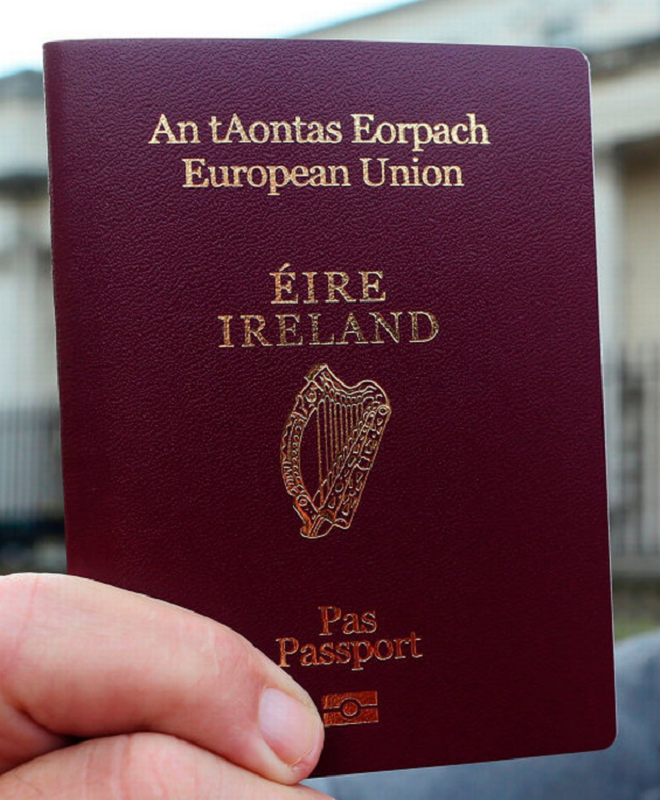
If you are travelling from Ireland to Vietnam and your departure date is approaching while your visa is still unresolved, you may be wondering whether you can simply board your flight and deal with the visa after landing. It is an understandable question, particularly because the phrase “Vietnam visa on arrival” still appears across travel websites and older online discussions. However, Irish passport holders should not plan their journey on the assumption that they can arrive at an airport in Vietnam without the required visa and simply purchase one at an immigration counter. Vietnam currently operates an electronic visa system that provides eligible travellers, including Irish citizens, with a practical way to arrange their visa before departure. A Vietnam eVisa can be issued for a maximum validity of 90 days and may allow either single or multiple entry. For anyone flying from Ireland, the safest approach is therefore to understand the visa requirements before leaving home, make sure the necessary documentation is ready for the journey, and take action as early as possible if the flight is close and the visa has not yet been issued.
The expression “Vietnam visa on arrival” can easily give Irish travellers the impression that obtaining a visa is something that can routinely be left until after landing. Someone unfamiliar with Vietnam’s immigration procedures might imagine flying into Tan Son Nhat International Airport in Ho Chi Minh City or Noi Bai International Airport in Hanoi, walking to a visa counter after leaving the aircraft, paying a fee and receiving permission to enter the country. That interpretation is precisely why travellers need to be careful when relying on the phrase “visa on arrival”.
Vietnam does have immigration procedures that may involve visas being handled at international border checkpoints in certain circumstances. However, the existence of those procedures does not mean that every foreign tourist can arrive without making the necessary arrangements beforehand and automatically obtain a tourist visa at the airport. Different procedures can have different eligibility conditions and may require steps to be completed before the traveller reaches Vietnam. An Irish citizen should therefore not regard an airport visa procedure as a guaranteed fallback if no visa has been arranged before the flight.
For an Irish passport holder planning an ordinary visit to Vietnam, arranging the appropriate entry permission before travelling is considerably safer. Ireland is eligible for Vietnam’s electronic visa system, allowing Irish citizens to apply online before departure. Under the current system, a Vietnam eVisa may be valid for up to 90 days and can permit either single or multiple entry, depending on the visa issued. This gives Irish travellers a much clearer option than arriving in Vietnam and hoping that an unresolved visa problem can be dealt with at the airport.
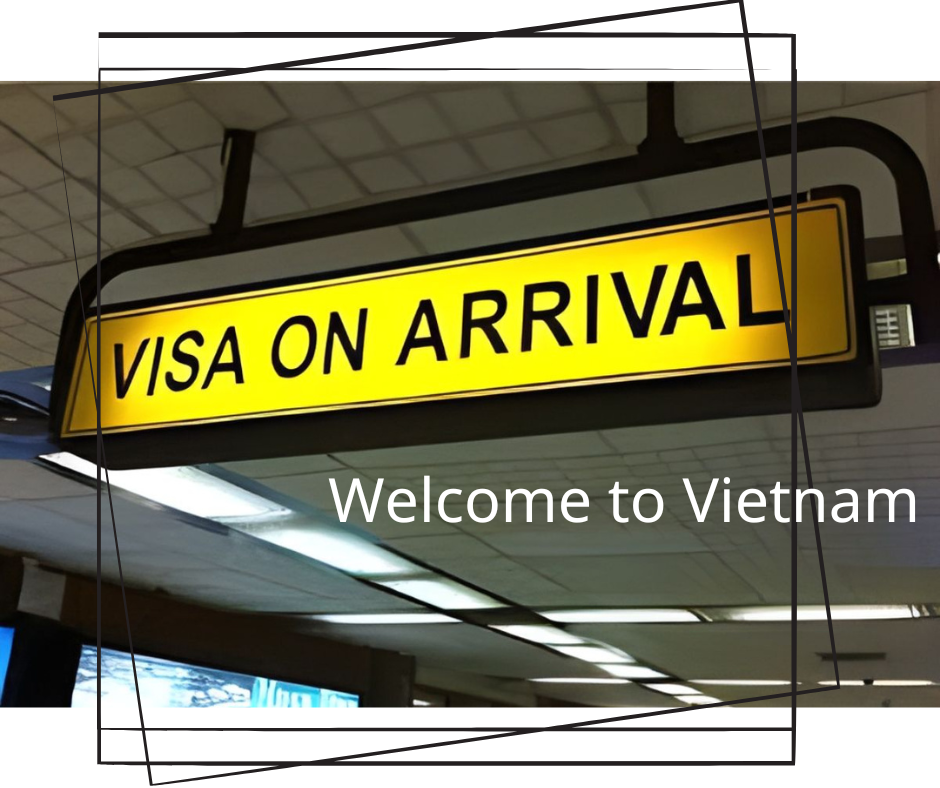
The confusion surrounding Vietnam visa on arrival is partly caused by the amount of outdated information that remains searchable online. A traveller looking for answers today may find an old travel blog, a forum discussion from several years ago, a previous version of a visa guide and current information about Vietnam’s electronic visa programme all appearing on the same search results page. Without checking when each piece of information was written and which circumstances it describes, it can be difficult to tell which procedure is relevant to a trip taking place now.
This is particularly important because visa terminology often survives longer than the procedures travellers associate with it. A person who previously visited Vietnam may describe having used a particular airport process, while another traveller may have entered under entirely different circumstances. Those personal experiences do not necessarily establish what an Irish citizen planning a new trip should do today. Immigration procedures can change, and the requirements that applied to one traveller at one point in time should not automatically be applied to another traveller years later.
The words “on arrival” also contribute to the misunderstanding because they suggest that nothing needs to happen until the traveller reaches Vietnam. In reality, a procedure associated with an international border checkpoint may still depend on eligibility, prior authorisation, sponsorship or other arrangements made in advance. For an Irish tourist, the more useful approach is to stop thinking of a Vietnam visa as something that can simply be postponed until the destination airport and instead treat it as an important part of pre-departure preparation.
Travellers sometimes focus entirely on what Vietnamese immigration officers will ask for after landing, but the journey begins much earlier. International airlines check travel documentation as part of the process of carrying passengers between countries, and the documents relevant to a particular passenger can depend on nationality, destination, route and immigration circumstances. Having a confirmed flight booking therefore does not automatically mean that every document needed for the journey is already in place.
Consider an Irish traveller who has spent months preparing for Vietnam. The flights have been booked, hotels in Hanoi and Da Nang have been paid for, tours have been arranged and the suitcase is ready. If that traveller reaches the departure airport believing that the visa can simply be obtained after landing in Vietnam, the plan depends on being able to complete the journey in the first place. Discovering that important documentation is missing during the departure process can leave very little time to investigate what has gone wrong.
This is why the visa question should be resolved before travelling rather than being treated purely as an issue for the Vietnamese immigration counter. Irish travellers should confirm both that they have the documentation necessary for their journey and that their immigration documents meet the requirements applicable when they arrive in Vietnam. If there is any uncertainty about an individual itinerary or travel-document situation, it is sensible to confirm the relevant requirements with the appropriate authorities and the airline before departure.
For Irish passport holders, Vietnam’s electronic visa programme provides a straightforward route to arranging a visa before the trip begins. Ireland is among the nationalities eligible for the eVisa system, and under the current framework an electronic visa can be issued with a maximum validity of 90 days. Depending on the visa granted, it can allow either a single entry or multiple entries into Vietnam.
The distinction between single and multiple entry should be considered in the context of the traveller’s complete itinerary. Someone flying from Ireland to Vietnam, spending the entire holiday there and then returning home may only need one entry. A traveller planning a broader Asian itinerary might enter Vietnam, continue to another destination and later return to Vietnam. In that situation, the number of permitted entries becomes particularly important. Travellers should choose an application option that reflects the journey they genuinely intend to make rather than treating every eVisa as interchangeable.
Accuracy is just as important as selecting the appropriate visa type. An electronic application uses personal and passport information as well as travel-related details, so mistakes involving a name, passport number, date or other significant field should not be dismissed as minor typing errors. The most reliable way to complete the application is to have the Irish passport in front of you and compare each important entry directly with the document rather than relying on memory.
The same care should be taken once the visa has been issued. Instead of checking only whether the application says it has been approved, travellers should review the actual visa information and compare it with the passport that will be used for the journey. Taking a few minutes to identify a discrepancy while still at home in Ireland is far preferable to noticing it when the flight is approaching.
One of the biggest advantages of dealing with a Vietnam visa early is not simply convenience; it is the amount of time available if something unexpected happens. A question discovered several weeks before departure can usually be investigated without immediately threatening the entire trip. The same issue discovered on the day of travel can become much more difficult because the traveller is working against the flight schedule.
The fact that an eVisa application can be submitted online sometimes creates the impression that it can safely be left until the final moment. Electronic submission, however, should not be confused with an automatic or instantaneous result. Travellers should allow time not only for the application itself but also for checking its status and reviewing the visa after it has been issued. This is especially important when international flights, accommodation and onward travel have already been booked around fixed dates.
Planning ahead also makes the days immediately before departure considerably less stressful. Instead of repeatedly checking an application while wondering whether the result will arrive before the flight, travellers who deal with the visa earlier have more opportunity to concentrate on the rest of the trip. Flights and hotels usually receive most of the attention when planning a holiday, but entry documentation deserves to be addressed at least as carefully because the rest of the itinerary depends on being able to travel as planned.
Vietnam allows eVisa holders to enter through designated international checkpoints, including a number of airports commonly used by visitors arriving from Europe. Major aviation gateways include Noi Bai International Airport in Hanoi, Tan Son Nhat International Airport in Ho Chi Minh City, Da Nang International Airport, Cam Ranh International Airport, Cat Bi International Airport, Can Tho International Airport, Phu Bai International Airport and Phu Quoc International Airport, along with other approved points of entry.
For Irish travellers, the entry point deserves particular attention if the itinerary changes after the visa arrangements have been made. For example, a passenger may initially plan to reach Vietnam through Hanoi but later find a better flight that enters through Ho Chi Minh City. Another traveller may alter a regional itinerary and arrive in Vietnam from a neighbouring Asian country rather than following the original route from Ireland. Changes that appear routine when viewed only as flight bookings can still make it necessary to review the information connected with the visa.
A sensible final check is therefore to compare the passport, the issued visa and the latest confirmed itinerary together. Travellers should make sure that the document they intend to use, the visa they have received and the journey they will actually take are consistent. Visa preparation should not end the moment an approval is received; it ends when the traveller has confirmed that the issued document fits the real trip.
For many people searching for information about a Vietnam visa on arrival for Irish citizens, this is the situation behind the search. They may already have paid for the flight, reserved accommodation and arranged annual leave before realising that the visa still needs to be dealt with. At that point, the question about getting a visa at the airport is often really a question about how to rescue a trip before departure.
If the flight is still several weeks away, there is usually no reason to build the trip around an airport solution. The better approach is to confirm the visa requirements that apply to the journey, prepare the appropriate application carefully and leave enough time to monitor the outcome. The ability to apply electronically should be used as an opportunity to prepare in advance rather than as a reason to delay.
When the departure date is much closer, the situation needs to be considered more carefully. A traveller who has never applied for a visa is not in the same position as someone whose eVisa application is already being processed. Likewise, a traveller who has received a visa but is concerned about a detail on the document has a different problem again. Before taking further action, it is important to establish exactly which situation applies and what legitimate options remain within the available time.
Irish travellers who are close to departure and want professional assistance with their Vietnam visa can review available support options at https://www.vietnamimmigration.com/apply-vietnam-visa/. Assistance can be useful when there is limited time to review application information or when a traveller needs help understanding the available processing options for a particular situation. However, a visa-support provider should not be confused with the Vietnamese authority responsible for the final visa decision. Any expedited processing service, service commitment or refund arrangement should be considered together with the provider’s current conditions, eligibility criteria and terms.

Submitting an eVisa application and receiving an issued visa are two different stages of the process. This distinction becomes particularly important when an Irish traveller’s departure date is close. A person may expect an application to be completed before the flight, but travel plans should be based on the documentation that has actually been issued rather than on an anticipated result.
After submitting an application, travellers should retain the relevant application information so that the status can be checked through the appropriate system. Monitoring the application is preferable to assuming that everything is progressing normally simply because no further message has been received. If the departure date is approaching, understanding the exact status becomes increasingly important.
Before submitting another application out of anxiety, it is generally more useful to establish what is happening with the existing one. Confirm that the original application was successfully submitted, check whether it remains under consideration and review whether the important information provided matches the passport. Repeatedly submitting applications without understanding the status of the first one may create more uncertainty rather than solving the underlying problem.
If time has become extremely limited, professional assistance may help a traveller understand which options are available for the specific circumstances. Nevertheless, the central point remains unchanged: an application that is still pending should not be treated as though the visa has already been issued.
A flight departing the next day creates a very different situation from a holiday that is still a month away. When only a short amount of time remains, reading dozens of old discussions about what other travellers did in the past is unlikely to be the best use of that time. The priority should be to establish the current facts about your own case.
If you have already applied for an eVisa, check the status and review the information associated with the application. If a visa has already been issued, compare it carefully with your Irish passport and the itinerary you will actually use. If no application has been made, determine what legitimate options are available for your circumstances rather than assuming that the matter can automatically be dealt with after arrival.
Travellers who need assistance with a time-sensitive Vietnam visa situation can review available services at https://www.vietnamimmigration.com/apply-vietnam-visa/. When departure is close, fast handling can certainly matter, but accuracy remains equally important. Rushing into an incorrect application, overlooking a passport discrepancy or misunderstanding the status of an existing application can consume the very time the traveller is trying to save.
The most useful objective in an urgent case is therefore not simply to take action as quickly as possible, but to identify the correct action as early as possible. A clear understanding of the current application status, passport details and departure schedule provides a much stronger starting point than relying on the hope that everything can be sorted out at the Vietnamese airport.
One of the easiest mistakes to make is assuming that eVisa eligibility is the only thing that needs to be checked. Knowing that Irish passport holders can use Vietnam’s eVisa system is important, but an individual visa still needs to correspond with the traveller, passport and intended journey. Eligibility for the system does not remove the need to complete the application accurately.
Passport information deserves particularly careful attention. Names and passport numbers should be entered exactly as required, and travellers should not dismiss an incorrect character as insignificant simply because the rest of the application appears correct. If a passport has been renewed or replaced after a visa-related process began, the traveller should also verify how that change affects the documents needed for the journey instead of assuming the original arrangements remain suitable.
Travel dates and the number of entries can also create problems when an itinerary changes. Someone who originally intended to remain entirely within Vietnam may later add a side trip to another country before returning. In that case, the difference between single and multiple entry becomes much more than a technical detail. Likewise, changing the arrival date or route should prompt another review of the issued visa and travel documentation.
Finally, travellers should keep important documents organised and accessible. Searching through an overloaded email inbox at an airport counter is an unnecessary source of stress. Keeping passport details, visa documents and the latest flight itinerary together makes it much easier to perform a final check before leaving Ireland.
Before heading to the airport, Irish travellers can reduce a great deal of uncertainty by reviewing the passport, Vietnam visa and confirmed flight itinerary at the same time. Looking at these documents together makes it easier to spot inconsistencies that may be missed when each item is checked separately.
Begin with the passport that will actually be used for travel and make sure it corresponds with the passport information associated with the visa. Then review the visa itself, paying attention to personal details, validity, permitted entries and other relevant information. Finally, compare those details with the latest version of the itinerary rather than an old booking confirmation that may no longer reflect the journey.
This final review becomes especially useful when flights have been changed after the original booking. Confirm the actual date of arrival in Vietnam and the airport or checkpoint through which you intend to enter. If the itinerary involves leaving Vietnam and returning during the same trip, verify that the visa arrangement is appropriate for that travel pattern. Spending a few minutes on this check before leaving home can reveal issues while there is still an opportunity to investigate them.
Can an Irish citizen arrive at Ho Chi Minh City Airport without a visa and buy one there? Irish travellers should not plan their journey on the assumption that they can arrive at Tan Son Nhat International Airport without the required visa and simply purchase an ordinary tourist visa after landing. If a visa is required for the trip, the appropriate entry documentation should be arranged before departure.
Can Irish passport holders get a visa after landing at Hanoi Airport? Noi Bai International Airport is an important international entry point and an approved airport for eVisa entry, but this should not be interpreted as meaning that an Irish tourist can arrive without the necessary prior visa arrangements and automatically receive a visa at the airport.
Are Irish citizens eligible to apply for a Vietnam eVisa? Yes. Irish passport holders are eligible for Vietnam’s electronic visa system. Under the current framework, an eVisa may be issued with a maximum validity of 90 days and may permit either single or multiple entry, depending on the visa granted.
Can Irish citizens apply for their Vietnam visa online? Eligible Irish travellers can use Vietnam’s electronic visa system to apply online before travelling. The information submitted should be checked carefully against the passport and intended journey, and the issued visa should be reviewed again before departure.
Can I travel if my Vietnam eVisa is still pending? A pending application should not be treated as an issued visa. Travellers should ensure that they possess the documentation required for their specific journey before departure and should also verify any applicable travel-document requirements with their airline when necessary.
What should I do if I am flying from Ireland tomorrow and still do not have my Vietnam visa? If an application has already been submitted, check its current status first and confirm that the information provided is correct. If professional assistance is required for a time-sensitive situation, available Vietnam visa support options can be reviewed at https://www.vietnamimmigration.com/apply-vietnam-visa/. The closer the flight is, the more important it becomes to combine speed with accurate information rather than taking multiple actions without first understanding the current status.
How long can a Vietnam eVisa be valid for an Irish citizen? Vietnam’s current eVisa system allows electronic visas with a maximum validity of 90 days, with single or multiple entry available depending on the visa issued. Travellers should always follow the dates and conditions shown on their actual visa.
Should I consider a multiple-entry Vietnam eVisa if I am travelling around Southeast Asia? A multiple-entry visa may be relevant if your itinerary involves entering Vietnam, travelling to another country and then returning to Vietnam. The appropriate option depends on the journey you actually intend to make, so the number of entries should be considered before the application is submitted.
Irish citizens planning a trip to Vietnam should avoid relying on the idea that an unresolved visa can simply be dealt with after arriving at the airport. Although the term “visa on arrival” continues to appear online, it can create an inaccurate picture when it is separated from the eligibility requirements and procedures that may apply to particular cases. For ordinary travellers, arranging the appropriate visa before departure provides far greater certainty.
Because Irish passport holders are eligible for Vietnam’s eVisa system, there is a practical route for dealing with the visa before leaving Ireland. Applying with sufficient time, checking the issued document against the passport and reviewing it again whenever the itinerary changes can prevent many avoidable problems. If departure is already close and the visa remains unresolved, the priority should be to establish the actual application status and determine what legitimate options are available before the flight rather than assuming that the problem can be postponed until arrival in Vietnam.
A business trip can unravel before it begins.
Your Vietnam trip may already be booked, your accommodation confirmed and your itinerary ready, but the visa timeline does not always cooperate with the travel schedule. If departure is only …
Planning a holiday from Ireland to Vietnam? Before confirming your flights, accommodation and itinerary, arranging the correct tourist visa should be one of your first priorities. Vietnam’s electronic visa system …
Your flights are booked, your accommodation is sorted, and your Vietnam itinerary may already include Hanoi’s Old Quarter, the lantern-lit streets of Hoi An, the coastline around Da Nang, and …
Vietnam travel is a thrilling experience, however unforeseen events can happen that need Irish nationals obtaining an urgent visa. Getting a visa swiftly is essential whether it’s for an urgent …