Your Vietnam trip may already be booked, your accommodation confirmed and your itinerary ready, but the visa timeline does not always cooperate with the travel schedule. If departure is only …

A business trip can unravel before it begins.
The meeting in Ho Chi Minh City may be confirmed. Your supplier in Binh Duong may have reserved an entire day for a factory inspection. Flights from Dublin may already be booked, and your colleagues may be coordinating a regional itinerary through Singapore or Bangkok. Yet one incorrect passport digit, an unsuitable entry option, or a visa validity period that does not cover the full journey can put the entire schedule at risk.
For Irish professionals travelling to Vietnam, the visa application is usually not the most difficult part. The challenge is making sure the application accurately reflects the journey.
This guide is written specifically for Irish passport holders travelling for meetings, supplier visits, commercial discussions, exhibitions, investment research, and other legitimate business activities. Rather than treating the visa as a stand-alone formality, it explains how to connect the application with your itinerary, avoid preventable mistakes, and prepare for travel with greater confidence.
Irish passport holders who meet Vietnam’s entry requirements may apply online for an electronic visa while outside Vietnam.
The e-visa may be issued for:
The official Vietnamese immigration portal confirms that the e-visa can be valid for a maximum of 90 days and may permit one or several entries.
A 90-day option may be useful for Irish citizens travelling to Vietnam to:
The visa should match the real purpose of the visit.
A business-related e-visa can support activities such as meetings, negotiations, site visits, exhibitions, and market exploration. It does not automatically grant permission to take up formal employment in Vietnam.
An Irish citizen who will be employed by a Vietnamese organisation, receive local wages, or work in the country on a longer-term basis may need to consider separate labour and residence requirements.

Many visa problems begin because the applicant starts filling in the form before reviewing the complete journey.
A more reliable approach is to plan the trip first.
Before applying, confirm:
These decisions affect the requested validity period, the number of entries, and the arrival checkpoint.
For example, an Irish company representative may travel from Dublin to Hanoi for a week of meetings, continue to Singapore for a regional conference, and then return to Ho Chi Minh City for a supplier review. A single-entry visa would generally not suit that itinerary.
The correct visa should support the travel plan. The travel plan should not have to be rearranged because the wrong visa was selected.
The better option depends on the full journey rather than the first flight.
A single-entry visa generally permits one entry into Vietnam during the approved validity period.
Once the traveller leaves Vietnam, the visa would normally no longer be available for another entry, even when the expiry date has not yet passed.
It may be appropriate when:
For a straightforward visit involving one arrival and one departure, single entry may be entirely adequate.
A multiple-entry visa allows the holder to enter and leave Vietnam more than once during the approved validity period.
It may be the better choice when:
Business schedules frequently change after flights and meetings have been arranged. Choosing multiple entry from the beginning can reduce the risk of needing a separate visa later.
Most Irish citizens can submit an electronic visa application when they satisfy Vietnam’s general immigration conditions and provide truthful information.
Applicants should normally:
The official e-visa system is designed for foreign nationals outside Vietnam who are applying personally or through an eligible organisation.
The passport used for the application should be the same passport presented during travel.
Before submitting any information, review:
Travellers commonly prefer to have at least six months of passport validity remaining when entering another country, helping reduce the chance of complications at airline check-in or border control.
An applicant who plans to renew an Irish passport shortly should consider completing the renewal before applying. A visa associated with an old passport should not be assumed to transfer automatically to a newly issued one.
Not in every case.
For an individual electronic visa application, the main requirements generally focus on the applicant’s passport, photograph, personal details, and travel information.
The official individual application process requires the applicant to upload a passport data-page image and a suitable portrait photograph, complete the form, make payment, and retrieve the result online.
An Irish applicant may normally need to prepare:
A formal company invitation is therefore not automatically a universal requirement for every individual e-visa application.
Additional evidence may be needed when:
The important point is to identify the correct visa route before collecting documents. Not every visa connected with business activity has the same requirements.
The electronic visa document list is relatively short, but every item should be clear and consistent.
| Application item | Usually needed | Preparation guidance |
|---|---|---|
| Irish passport | Yes | Must remain valid for the planned journey |
| Passport data page | Yes | Clear, complete colour scan or photograph |
| Recent portrait photograph | Yes | Front-facing, clear, and suitable for identification |
| Intended arrival date | Yes | Should reflect the actual itinerary |
| Entry checkpoint | Yes | Confirm before submitting the form |
| Address or contact details in Vietnam | As requested | Hotel, company, or another genuine contact address |
| Company invitation | Depends on the visa route | Not automatically required for every individual e-visa |
| Additional evidence | Case dependent | Provide if specifically requested |
The official application form also asks for travel information such as the purpose of entry, intended length of stay, intended arrival date, and selected checkpoint.
The image should show the full passport information page.
Make sure the following details are clearly visible:
Avoid uploading an image that is:
A document that appears readable on a phone may become unclear after uploading. Using a sharp colour scan or high-quality photograph from the beginning can reduce the risk of a correction request.
The photograph should be recent and show the applicant clearly.
A suitable image should normally have:
The official application guidance asks for a forward-facing photograph without glasses.
Avoid using:
The purpose is accurate identification, not presentation or styling.
Most avoidable problems are caused by small inconsistencies.
Frequent mistakes include:
One incorrect character can create difficulties. A final review before submission is usually much easier than trying to amend the application when the departure date is approaching.
The process becomes easier when divided into clear stages.
Confirm:
This prevents the application from being based on incomplete travel information.
Prepare:
Keep all information in one place before starting the form.
Irish applicants may complete the process independently or seek professional assistance.
Travellers dealing with an urgent departure, several regional destinations, or concerns about data accuracy may submit their details through:
A professional visa team may assist with checking:
Final approval remains with the competent Vietnamese authority. Applicants must provide complete and truthful information.
After submission, save:
The official portal provides a facility for applicants to check the status and download the e-visa using their application details.
Monitor email and application status regularly. If a correction or additional file is requested, respond without unnecessary delay.
Avoid submitting a second application unless the original status has been confirmed or you have been advised to do so.
Once the e-visa is issued, check:
Do not assume that a minor error will be ignored by the airline or immigration officer.
Any discrepancy should be addressed before departure.
Bring:
Do not arrive before the visa becomes valid or after its stated expiry date.
The official application guidance states that an electronic visa application is processed in three working days.
However, three working days should not be treated as a guaranteed arrival date for every traveller. Applications may take longer when information needs to be corrected, documents are unclear, public holidays intervene, or further review is required.
For practical business planning, Irish applicants may consider the following:
| Processing approach | Suggested planning window | Suitable for |
|---|---|---|
| Standard application | Allow at least 5–7 working days or more | Confirmed trips with reasonable preparation time |
| Urgent assistance | Common service target of around 1–2 working days | Short-notice meetings or commercial travel |
| Emergency review | May be assessed in selected cases | Imminent departures and highly urgent schedules |
Urgent and emergency timeframes generally refer to support offered by visa service providers. They should not be presented as a universal government guarantee.
The safest approach is to apply as soon as the itinerary is sufficiently clear.
Typical causes include:
Most of these risks can be reduced through early preparation and a detailed final review.
An approval notice is not the end of the process.
Before travelling:
Check every name, number, and date.
The document presented during travel should match the passport used in the application.
Vietnam e-visas may be used through designated airports, land borders, and seaports. Confirm that the journey matches the approved information.
The e-visa supports legitimate business visits but does not automatically authorise long-term employment.
A printed copy is useful even when the file is also saved electronically.
Many professionals are capable of completing an online form themselves. The reason they use assistance is often risk management rather than complexity.
A professional review may help with:
Our Vietnam Visa Services have more than 15 years of experience assisting international travellers with visa and immigration-related matters. The team offers document checking, simplified preparation, around-the-clock support, and assistance with urgent cases according to the traveller’s circumstances.
Irish applicants seeking support may submit their information through:
The team can review the application for common administrative mistakes and explain the available service options. Government approval remains outside the control of any private service provider, and applicants should review the applicable service and refund conditions before payment.
Eligible Irish passport holders outside Vietnam may apply online for an e-visa valid for up to 90 days.
Yes. Vietnam’s official e-visa system supports both single and multiple entry.
No. It is not automatically required for every individual electronic visa application. Different sponsored or employment-related visa routes may require additional documents.
Applicants generally prepare the passport data page, a suitable portrait photograph, personal information, intended travel dates, entry details, and contact or accommodation information.
The official guidance states three working days, although actual timing may be longer when corrections, holidays, or additional review are involved.
Professional services may offer urgent support for eligible cases. Availability and timing depend on the individual application and the final government review.
The applicant should seek correction before travelling. A visa containing details that do not match the passport may cause problems during check-in or entry.
Changes may not always be straightforward. It is better to confirm the route before submitting the application.
Extension possibilities depend on the regulations and individual circumstances applicable at the time. Travellers should not assume that an extension will automatically be available.
Allowing at least 5–7 working days or more is a sensible planning approach, especially when meetings and flights are fixed.
A 90-day Vietnam business visa application for Irish citizens does not need to become a source of stress.
The most reliable applications begin with a complete itinerary, an appropriate entry selection, clear documents, and information that matches the passport exactly.
The greatest risks are often administrative rather than legal: one incorrect passport digit, a validity period that ends too early, the wrong arrival checkpoint, or a single-entry selection that does not support a regional itinerary.
Preparing early gives you time to resolve these issues before they interfere with meetings, factory visits, contract negotiations, or investment discussions.
For professional document checking and application support, Irish passport holders may submit their information through:
Careful preparation allows the visa process to remain what it should be: one organised step in a successful business journey to Vietnam.
Your Vietnam trip may already be booked, your accommodation confirmed and your itinerary ready, but the visa timeline does not always cooperate with the travel schedule. If departure is only …
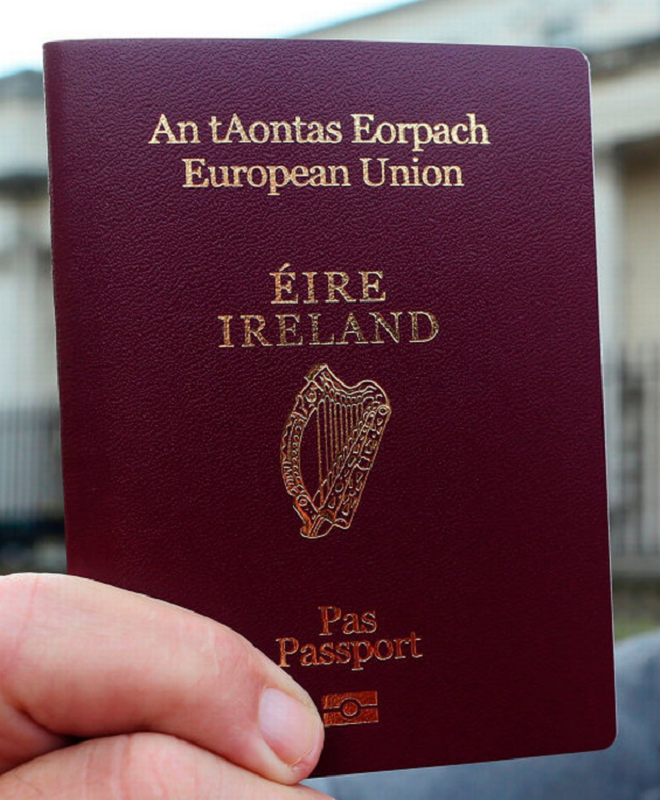
Your flights are booked, your accommodation is sorted, and your Vietnam itinerary may already include Hanoi’s Old Quarter, the lantern-lit streets of Hoi An, the coastline around Da Nang, and …
Vietnam travel is a thrilling experience, however unforeseen events can happen that need Irish nationals obtaining an urgent visa. Getting a visa swiftly is essential whether it’s for an urgent …