Does Irish passport holders require visa for entering Vietnam? Are Irish nationals exempt from Vietnam visa requirements? In this article, we will discuss the Vietnam visa requirements for Irish nationals …

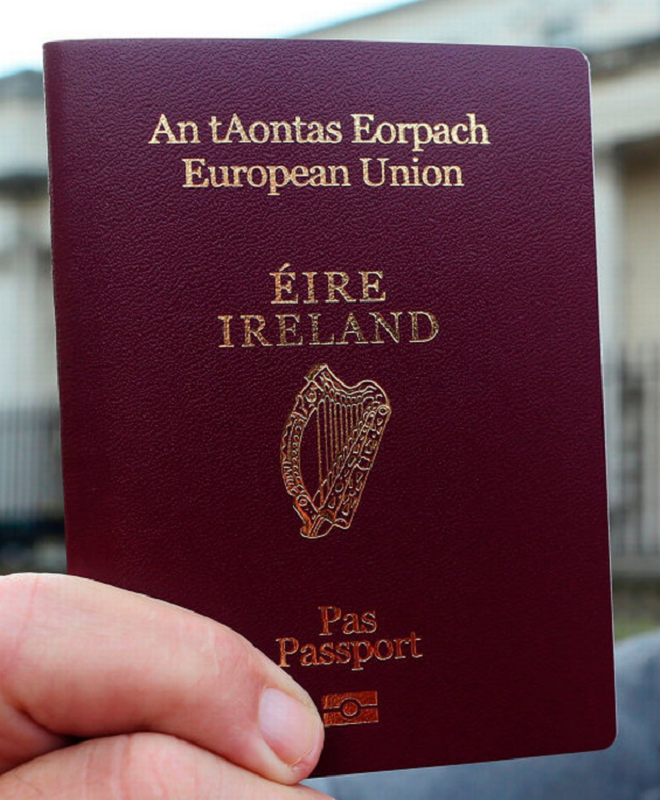
Your flights are booked, your accommodation is sorted, and your Vietnam itinerary may already include Hanoi’s Old Quarter, the lantern-lit streets of Hoi An, the coastline around Da Nang, and the lively neighbourhoods of Ho Chi Minh City. Before you start packing, however, there is one essential detail to settle: do Irish citizens need a visa to travel to Vietnam? It is easy to spend weeks comparing flights, hotels, tours, and transport while leaving the visa application until the final days before departure. That can become stressful if a passport number has been entered incorrectly, an uploaded photograph is unclear, or the selected visa does not match the full itinerary. Fortunately, Irish passport holders can arrange a Vietnam electronic visa online. With the correct documents, a suitable entry option, and a careful review before submission, the process is usually manageable. This guide explains the visa rules Irish travellers need to know, the main visa options, the documents required, the online application procedure, standard and urgent processing, likely costs, and the mistakes most likely to cause delays.
Yes. Irish citizens require a valid visa to visit Vietnam. Ireland’s Department of Foreign Affairs specifically advises Irish travellers to arrange an electronic visa when visiting Vietnam for a stay of less than 90 days.
A short visit does not qualify Irish passport holders for ordinary visa-free entry. Whether you are planning a weekend break, a two-week holiday, or a longer journey through several regions, you should have the appropriate visa in place before travelling.
Irish citizens are eligible to apply for a Vietnam electronic visa. Vietnam’s national e-Visa system provides visas with a maximum validity of 90 days and allows applicants to request either single-entry or multiple-entry permission. The actual dates and number of permitted entries are those shown on the approved visa document.
There is a separate visa-exemption arrangement for Phu Quoc Island. Foreign passport holders who meet the relevant conditions may enter and leave Phu Quoc without a visa for a stay of no more than 30 days. The exemption may also apply when the traveller remains in an international transit area before continuing to the island.
This exemption should not be treated as permission to travel freely across mainland Vietnam. If your plans include Hanoi, Ho Chi Minh City, Da Nang, Hoi An, Hue, Nha Trang, Ha Long Bay, or another destination outside the permitted Phu Quoc arrangement, you should obtain a visa covering the full journey.
The same applies when your international flight lands directly at an airport on mainland Vietnam. A traveller arriving in Hanoi, Ho Chi Minh City, Da Nang, or another mainland destination cannot rely on the Phu Quoc exemption.
Visa and immigration rules can be updated. Before paying for non-refundable flights, hotels, or regional connections, check the current entry requirements applying to Irish passport holders. Applying early also leaves time to correct inaccurate details, replace an unsuitable image, or respond to a request for further information.

The two visa arrangements most often considered by Irish travellers are the electronic visa and Visa on Arrival. For an independently organised holiday, the electronic visa is generally the clearer and more convenient option.
A Vietnam electronic visa can be applied for online. The applicant completes the required form, uploads the requested files, pays the relevant fee, and receives the result electronically. The e-Visa can be valid for up to 90 days and may allow either one entry or multiple entries.
One of the main advantages is that the visa can be arranged before leaving Ireland. Once approved, you can download the document and check that the name, passport number, validity dates, and entry permission are correct.
Visa on Arrival generally involves making advance arrangements before boarding the flight and completing additional formalities at a designated Vietnamese international airport.
It should not be confused with travelling without prior permission and requesting an ordinary tourist visa after landing. For most Irish holidaymakers, having an approved electronic visa before departure provides a more predictable process.
You will also need to choose an entry option that reflects the entire itinerary:
For example, if you travel from Dublin to Ho Chi Minh City, continue to Cambodia, and later return to Hanoi, you will normally need multiple-entry permission. If the entire holiday takes place within Vietnam, a single-entry visa is generally sufficient.
Do not make this decision solely on the basis of your first arrival date. After leaving Vietnam on a single-entry visa, you normally cannot use that visa again, even when the printed expiry date has not yet passed.
The online application is relatively straightforward when you prepare the necessary information and digital files before beginning.
Irish applicants will generally need:
Vietnam’s electronic visa instructions require the applicant to upload a portrait and an image of the passport information page as part of the online process.
Your passport should have sufficient remaining validity for the entire journey. The national e-Visa guidance also states that the visa may not exceed 90 days and that its validity must remain within the limits connected to the passport’s expiry date.
Use the same passport for both the visa application and the trip. If you replace the passport after the visa has been issued, the details on the approved visa may no longer match the document presented at airline check-in and immigration.
Before submitting the application, check the following details carefully:
Enter your name exactly as it appears on the passport information page. Do not insert a nickname, title, shortened name, or spelling that is not printed in the document.
The passport number should also be copied character by character. Take particular care with letters and numbers that look similar, such as the letter O and the number 0.
The uploaded passport image should show the complete information page. Avoid glare, shadows, blurred text, cropped edges, or anything covering the photograph or personal details.
Your proposed entry checkpoint is another important part of the application. An e-Visa holder should enter through a checkpoint accepted under Vietnam’s electronic visa system and follow the information shown on the approved document.
For most Irish travellers, applying online is a practical way to arrange a Vietnam visa before departure.
Step 1: Begin the application through the Vietnam visa service page:
Step 2: Complete the application form using the exact information displayed in your Irish passport. Your full name, date of birth, nationality, passport number, and validity details must match the document.
Step 3: Select the required visa period and choose between single-entry and multiple-entry permission. Base the choice on your full travel plan, including any departure from and return to Vietnam.
Step 4: Upload the requested files. These commonly include a clear image of the passport information page and a recent front-facing portrait.
Step 5: Review the completed application carefully. Pay particular attention to your name, passport number, arrival date, visa validity, intended checkpoint, and number of entries.
Step 6: Complete the payment and monitor your email for confirmation, requests for further information, application updates, and the result.
Vietnam’s national electronic visa process similarly consists of completing the application form, paying the required fee, and receiving the result online.
After approval, download the visa and compare every detail with your passport. Do not assume that everything is correct simply because the application has been approved.
Keep an electronic copy on your phone or another device and carry a printed version during the journey. A paper copy can be easier to present at airline check-in and during Vietnamese immigration procedures.
Use a sharp, evenly lit image of the passport information page. All text, numbers, photographs, and page edges should be clearly visible.
The portrait should be recent, front-facing, and suitable for identification. Avoid group photographs, holiday pictures, heavily edited selfies, or images using strong filters.
Follow the name printed in the passport exactly. Irish names may include middle names, prefixes, apostrophes, or characters that need to be copied carefully. Do not omit part of the name simply because you do not normally use it.
Provide an email address you check regularly. During the application period, check both the main inbox and the spam or junk folder.
Do not leave the application until the final days before departure. Applying early provides time to deal with an image problem, payment issue, Vietnamese public holiday, or additional review.
Make sure the requested visa validity covers the whole journey. Both the arrival and departure dates should fall within the period shown on the approved visa.
Many visa difficulties result from preventable errors rather than complicated eligibility requirements.
Common mistakes include:
Do not expect a one-letter or one-digit difference to be ignored. The visa details should correspond accurately with the passport presented during airline check-in and immigration inspection.

Vietnam electronic visa applications are normally processed within several working days. For safer travel planning, allow approximately 3–5 working days or longer rather than relying solely on the shortest possible timeframe.
Weekends, Vietnamese public holidays, high application volumes, incomplete information, unclear documents, or additional verification may extend the overall processing period.
The government electronic visa fees are generally:
These government fees are separate from any optional document-review, application-support, customer-service, or urgent-processing charges provided by a visa assistance company.
If your departure date is approaching, eligible applicants may request expedited assistance for an additional service charge. Depending on the submission time, the individual case, and the urgent option available, some applications may be handled within approximately 2–8 hours.
This timeframe should not be interpreted as an unconditional guarantee. Approval remains subject to correct information, applicant eligibility, submission timing, and immigration review.
The total amount payable may depend on:
Processing may take longer when:
Urgent processing can help in a genuine time-sensitive situation, but it should not replace early preparation. Applying once the itinerary is confirmed remains the safer approach.
Obtaining a Vietnam travel visa for Irish citizens is usually straightforward when you understand the requirements, select the correct visa type, and complete the application carefully.
Irish passport holders require a visa to visit Vietnam and may apply for an electronic visa valid for up to 90 days with either single-entry or multiple-entry permission. The exact validity and entry allowance are determined by the approved document.
Choose the visa according to the entire itinerary rather than only the first arrival. Enter all passport information accurately, upload clear files, and review the approved visa before leaving Ireland.
Travellers who would like assistance with the application may submit their details through:
The service offers document checking before submission, application assistance, and customer support. Expedited options of approximately 2–8 hours may also be available for eligible urgent cases. With more than 15 years of experience assisting international travellers, the service team can help identify common errors and make the application easier to manage.
Once the visa, passport, and remaining travel documents are ready, you can concentrate on the journey ahead—from Hanoi’s historic lanes and the limestone scenery of Ha Long Bay to Da Nang’s beaches, Hoi An’s evening atmosphere, and the food and energy of Ho Chi Minh City.
Does Irish passport holders require visa for entering Vietnam? Are Irish nationals exempt from Vietnam visa requirements? In this article, we will discuss the Vietnam visa requirements for Irish nationals …
Vietnam travel is a thrilling experience, however unforeseen events can happen that need Irish nationals obtaining an urgent visa. Getting a visa swiftly is essential whether it’s for an urgent …
Vietnam Government decided to open tourism borders and re-grant tourist visa for international visitors from March 2022. Tourists from Ireland can process visa application and enter Vietnam for tourism purpose …