For Australian travellers, applying for a Vietnam visa online can make the process much more convenient because the application can be started from home without building your travel preparations around …

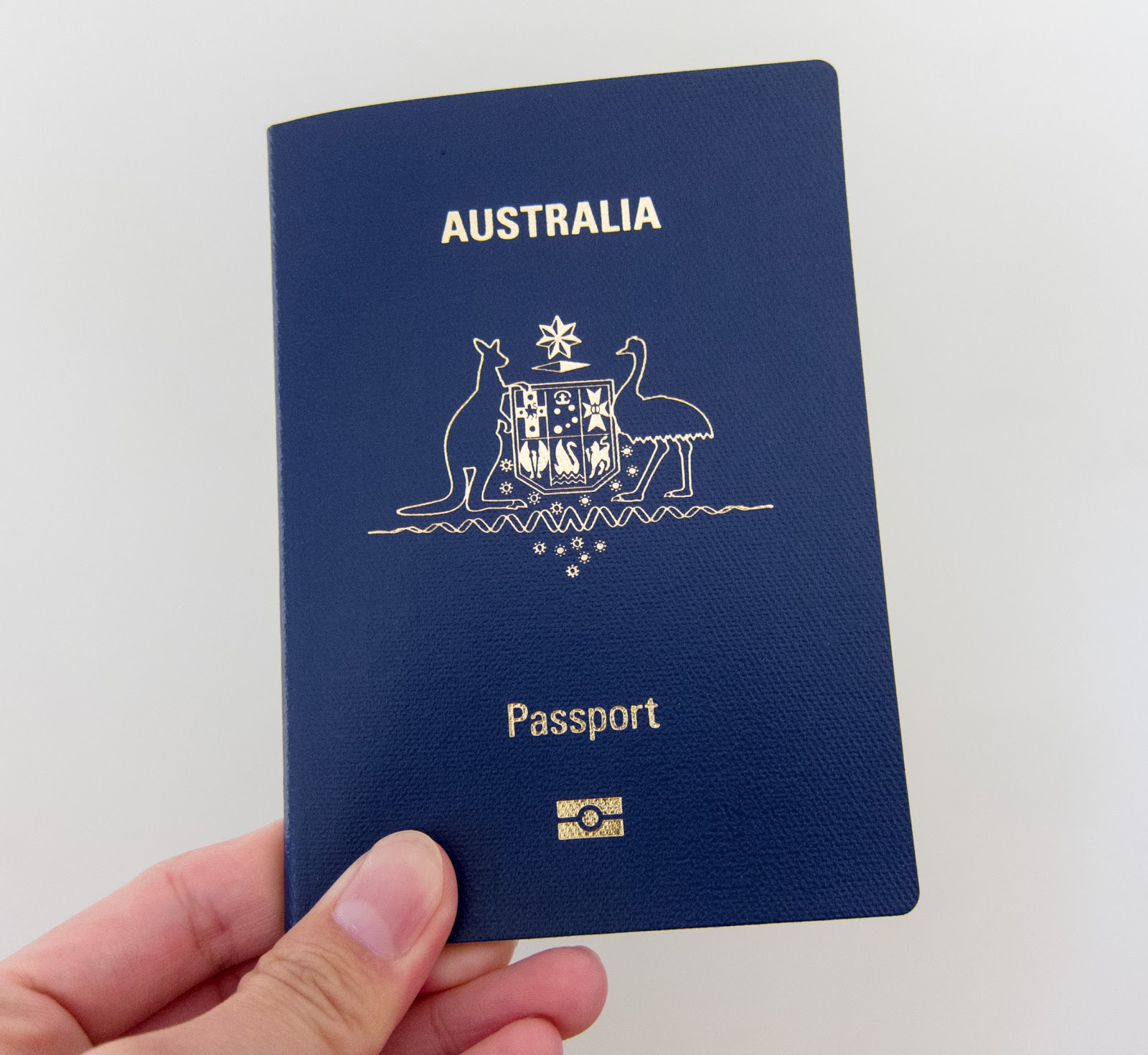
Planning a trip to Vietnam? Your Vietnam paperless visa for Australians is now easier to get. About 83% of the 548,471 Australian visitors in 2025 applied online for e-visas. You need a valid visa to enter Vietnam for any purpose as an Australian citizen, whether tourism, business, or visiting relatives. You’re eligible for a 90-day e-visa with single or multiple entry options. This piece walks you through the whole process to apply for Vietnam visa from Australia and covers everything from document requirements to common mistakes you should avoid.
Your passport forms the basis of your Vietnam e visa application. According to official regulations, your from your planned arrival date in Vietnam passport must remain valid for at least six months. The e-visa validity must be at least 30 days shorter than your passport’s expiration date, which explains this requirement. To name just one example, your e-visa cannot extend beyond February 1, 2027 if your passport expires on March 1, 2027.
Your digital photo determines whether your Vietnam visa for Australian citizens gets approved beyond passport validity. The photo must measure 4 x 6 cm with your face occupying about 75% of the image area. The distance from your eyes to the top edge should equal about two-thirds of the distance from your eyes to the bottom edge.
Your photo must meet these technical specifications:
The system checks photo quality after upload automatically. Poor lighting, shadows, or blurred images trigger rejection. You need a clear scan of your passport’s biographical data page along with your portrait photo. This scan must capture all information including the ICAO lines (the rows of chevrons at the bottom of your passport page).
The Vietnam e visa Australia system works differently from many countries. Your visa validity period spans the exact entry and exit dates you specify during application, not from the visa issuance date. You select both dates when you apply for Vietnam visa from Australia, and Vietnamese immigration calculates your stay duration from this range.
The date format follows Vietnamese standards: dd/mm/yyyy. Your e-visa document displays these dates in Vietnamese as “THỊ THỰC CÓ GIÁ TRỊ TỪ NGÀY” (valid from) and “ĐẾN NGÀY” (until). You cannot enter Vietnam before your specified start date or remain after your exit date. Overstay penalties apply if you stay beyond.
You can enter Vietnam through , 16 land border gates, and 13 sea border gates13 international airports. Major entry points include Noi Bai Airport (Hanoi), Tan Son Nhat Airport (Ho Chi Minh City), Da Nang, Cam Ranh, and Phu Quoc airports. Land borders span from Mong Cai in the north to Ha Tien in the south. You may submit your application up to one year before your planned travel date.
Gather these documents before starting your Vietnam paperless visa for Australians application:
You must be outside Vietnam when applying. Applications submitted from within Vietnam face automatic rejection. The official portal handles most applications smoothly. Travelers seeking assistance can work with experienced Vietnam visa service providers who simplify document requirements and offer efficient processing.

Applying for your requires precision when you use the official government portal. The process takes about 15-20 minutes if you have all Vietnam e visa documents ready.
Go to the official website at evisa.gov.vn or thithucdientu.gov.vn. Both domains operate the same system since November 11, 2024. Click the “Apply Now” button on the homepage to begin your Vietnam paperless visa for Australians application.
A declaration notice appears right away. You must tick both checkboxes. This acknowledges that you’ll provide accurate information in English and understand the visa fee is non-refundable. The system denies applications containing dishonest information. Click “Next” to proceed to the application form after checking both boxes.
The form requires your details exactly as they appear in your passport’s ICAO/MRZ line (the machine-readable zone at the bottom of your passport page). Enter your surname first, then middle and given names. You must include your middle name when you fill out the form.
Type your name in uppercase letters with spaces between given names. To cite an instance, if your passport shows “SMITH/JOHN ROBERT,” enter “SMITH” as surname and “JOHN ROBERT” as given names. Select your sex, date of birth (day/month/year format), place of birth (country), and nationality. The religion field remains optional. Provide a phone number and email address you check often, as all notifications arrive there.
The system requests your portrait photo first, followed by your passport data page scan. Both files must be in JPG format. The system automatically compares your portrait photo with the photo in your passport to verify they match after uploading. A checkmark appears when verification succeeds. Upload a different portrait photo until the system confirms the match if the checkmark doesn’t appear.
Select either single-entry or multiple-entry for your visa type . Single-entry costs 25 USD while multiple-entry costs 50 USD. Enter your intended entry date and length of stay. Keep in mind the 90-day maximum validity period. Choose “Ordinary Passport” as your passport type. Fill in your passport number, issue date, and expiry date using dd/mm/yyyy format.
Provide your residential address in Vietnam (your hotel name and address works well). Select your purpose of entry such as tourism or business. Then choose your intended border gate of entry and exit from the approved list. These can be similar or different ports.
Review every field carefully before you proceed. In fact, even one incorrect detail triggers rejection and forces you to restart the entire application. Click “Back” at the bottom if you spot mistakes. Verify your name spelling, email address, and dates match your passport exactly. Tick the declaration checkbox stating you accept responsibility for the information provided once confirmed.
The payment page loads after submission. The official portal accepts credit and debit cards through secure payment gateways. The government fee converts from USD to VND automatically at the time of payment. You receive a confirmation email with your registration code after successful payment. Keep this code safe, as you’ll use it to check your application status. The fee is non-refundable whatever the approval outcome.
Experienced visa service providers offer sped-up options ranging from 2 to 8 working hours with efficient document requirements and 24/7 support for travelers seeking guaranteed approval or needing urgent processing.
After you submit your Vietnam e visa application and complete payment, the Immigration Department processes your request within 3 working days. This timeline excludes the submission day, weekends, and Vietnamese public holidays. To name just one example, an application submitted Tuesday counts Wednesday, Thursday, and Friday as working days. Results typically arrive Friday afternoon or Monday morning.
Track your application status at evisa.gov.vn/e-visa/search using your registration code (format: E250702USA52585630045), email address, date of birth in DD/MM/YYYY format, and captcha verification. The system displays one of several outcomes: Processing indicates active review. Granted means approval with a download link available, while Amended Application signals required corrections.
Realistic processing spans 5-7 working days rather than the standard 3 days, especially when you have peak seasons or documents that need clarification. About 90% of complete applications receive approval within three working days. The remaining 10% take longer due to additional document requests or system issues.
Download your e-visa PDF from the portal once granted. Print at least one hard copy for airline check-in and immigration presentation upon arrival. Your approved Vietnam paperless visa for Australians displays validity dates in Vietnamese as “THỊ THỰC CÓ GIÁ TRỊ TỪ NGÀY” (valid from) and “ĐẾN NGÀY” (until). It also shows your photo, passport details, and visa number.
Applications stuck on Processing status beyond 5-7 working days require action. Check the portal first for correction requests regarding photos or documents. Vietnam’s National Day holiday in 2026 lasts 5 days from August 29 to September 2. E-visa processing slows during this period. Submit applications 15-20 days ahead when traveling near this time.
Contact the Immigration Department if your status remains unchanged after 10 working days or you cannot download your approved visa. Reach them at technical_support@immigration.gov.vn or foreigners@xuatnhapcanh.gov.vn by email. You can also call Hanoi at 024 3826 4026 or Ho Chi Minh City at 028 3920 0365.
For urgent situations, experienced Vietnam visa service providers offer accelerated processing within 2 to 8 working hours with 24/7 support. This ensures your travel plans proceed without disruption.
Most Vietnam e visa Australia rejections stem from preventable errors during the application process. Airlines deny boarding and immigration refuses entry when your e-visa contains inaccurate information. This forces you to reapply and pay the fee again.
Your name must match the Machine Readable Zone (MRZ) at the bottom of your passport’s bio-data page, character for character. Not the shortened version on your boarding pass or the name you use daily. The MRZ determines everything. Australians who have middle names, hyphenated surnames, or multiple given names often trip up here.
If your passport shows SMITH<<JOHN<ROBERT in the MRZ, your application must include John Robert Smith, not John Smith. You create a mismatch if you enter only your first name. You create a mismatch if you enter initials like Michael J. R. instead of Michael James Robert. You create a mismatch if you reverse the order to James Michael Robert.
Airlines use automated systems that cross-reference your e-visa against your passport at check-in. The system blocks boarding pass generation when names don’t match. Vietnam offers no formal correction process for approved e-visas. You cannot amend an issued e-visa. Your only option: apply for a new e-visa with correct details.
Blurred portrait photos cause rejections when applicants crop pictures to the requested size. The system requires two separate uploads: your portrait photo first, then your passport data page. You prolong the approval process if you upload both portraits or both passport photos to the wrong fields.
Common passport scan mistakes include cut-off corners and blurry text that obscure the ICAO lines. The ICAO lines must remain visible and legible. Tilted images, dark shadows, or cropped corners trigger application returns.
Vietnam uses dd/mm/yyyy format. You create wrong validity windows if you enter dates as mm/dd/yyyy. If you enter 05/03/2026 meaning March 5th but the system reads May 3rd, your visa dates will be incorrect. This applies to date of birth, passport expiry date, and planned entry date. Airlines refuse boarding when visa validity dates don’t line up with your travel dates.
Unlike visa on arrival which permits entry through any of eight international airports, e-visas restrict you to your chosen port. Wrong entry point results in denied boarding. You must define your arrival port before applying, then select it from the online form list. You need a new application if you change ports after approval.
Arrive at Vietnamese immigration with your printed e-visa and valid passport ready. The counter will verify both documents.
Your printed e-visa on A4 white paper or saved on your mobile device serves as your entry authorization. Carry your passport used during application. Immigration officers cross-reference both documents before granting entry. Keep the e-visa available throughout your Vietnam stay.
Go to the immigration counter designated for foreigners. Present your printed e-visa and passport to the officer. The officer verifies your documents match the system records and stamps your passport with the approved entry date. Collect your stamped passport and proceed to baggage claim. Major airports like Noi Bai, Tan Son Nhat and Da Nang complete the process within minutes.
You move freely within Vietnam once through immigration. You must carry the same passport used for entry when taking domestic flights. Airlines refuse boarding if you present a different passport. Hotels require this same passport during check-in. Your e-visa determines entry and exit only, not internal movement.
You may depart through any approved border gate, whatever your entry point. Your e-visa doesn’t restrict you to exiting where you entered. Entering through Hanoi permits departure from Ho Chi Minh City or Da Nang without complications.
You now have everything you need to secure your Vietnam paperless visa for Australians. The e-visa system makes the whole process straightforward when you follow the requirements and avoid common mistakes.
Double-check your passport validity, prepare high-quality documents and enter your information exactly as it appears in your passport. Attention to these details determines whether your application gets approved on the first try.
Start your application far before your travel dates to account for processing time. Keep your printed e-visa handy throughout your trip, and you’ll breeze through Vietnamese immigration without complications. Your Vietnamese adventure awaits!
Q1. What is the process for Australian citizens to obtain a Vietnam e-visa?
Australian citizens can apply for a Vietnam e-visa through the official government portal at evisa.gov.vn . The process involves filling out an online application form with personal details, uploading a passport scan and recent photo, selecting entry and exit dates, choosing your port of entry, and paying the visa fee online. The entire application takes approximately 15-20 minutes to complete and is processed within 3-7 working days.
Q2. Is it necessary to print the Vietnam e-visa or can I show it on my phone?
While you can save your approved e-visa on your mobile device, it’s highly recommended to print at least one hard copy on A4 white paper. Airlines require the printed e-visa during check-in, and immigration officers at Vietnamese airports verify the document upon arrival. Having a printed copy ensures a smoother entry process and serves as backup throughout your stay.
Q3. What are the visa fees for Australians traveling to Vietnam?
The official government fee for a Vietnam e-visa is 25 USD for single-entry and 50 USD for multiple-entry visas. Both options provide up to 90 days validity. The fee is non-refundable regardless of whether your application is approved or rejected, and payment is made online using a credit or debit card during the application process.
Q4. Can Australian travelers get a visa upon landing at Vietnam airports?
While visa on arrival exists for some nationalities, Australian citizens are eligible for the e-visa system, which must be obtained before traveling to Vietnam. You cannot apply for or receive a visa directly at the airport immigration counter. The e-visa must be approved and printed before your departure from Australia to ensure airline boarding and smooth entry into Vietnam.
Q5. What passport validity is required for Australian citizens applying for a Vietnam e-visa?
Your Australian passport must remain valid for at least six months from your planned arrival date in Vietnam. Additionally, the e-visa validity must be at least 30 days shorter than your passport’s expiration date. For example, if your passport expires on March 1, 2027, your e-visa cannot extend beyond February 1, 2027. Your passport should also have at least one blank page for the entry stamp.
For Australian travellers, applying for a Vietnam visa online can make the process much more convenient because the application can be started from home without building your travel preparations around …
Can Australians get a Vietnam Vacation Visa entirely on the internet? Do you need to visit a Vietnamese embassy or consulate before travelling? And can you submit your application from …
Is there really such a thing as an express Vietnam tourist visa? If you’re an Australian traveller with a last-minute trip planned, you may be wondering whether it’s still possible …
Your flight to Vietnam is only a few days—or even a few hours—away, and you’ve just realized you still don’t have a valid tourist visa. Should you apply through the …
Planning a holiday, business trip, or family visit to Vietnam from Australia in ? One of the first tasks you’ll need to tackle is securing your visa. While applying for …
Planning a trip to Vietnam in but not sure how to apply for your visa in Sydney? With changing policies and updated procedures, many travelers find themselves confused or misinformed. …
Heading to Vietnam in and need to sort out your visa? If you’re based in Australia, one way to apply is through the Vietnam Embassy in Canberra. While the online …
Planning a trip to Vietnam but dreading the paperwork? Don’t stress — getting your Vietnam visitor visa in has never been easier for Australians. You no longer need to line …
Thousands of Australians are denied their Vietnam eVisas every year – not because they aren’t eligible, but because of small mistakes in the application. A blurry passport scan, missing payment, …