Is there really such a thing as an express Vietnam tourist visa? If you’re an Australian traveller with a last-minute trip planned, you may be wondering whether it’s still possible …

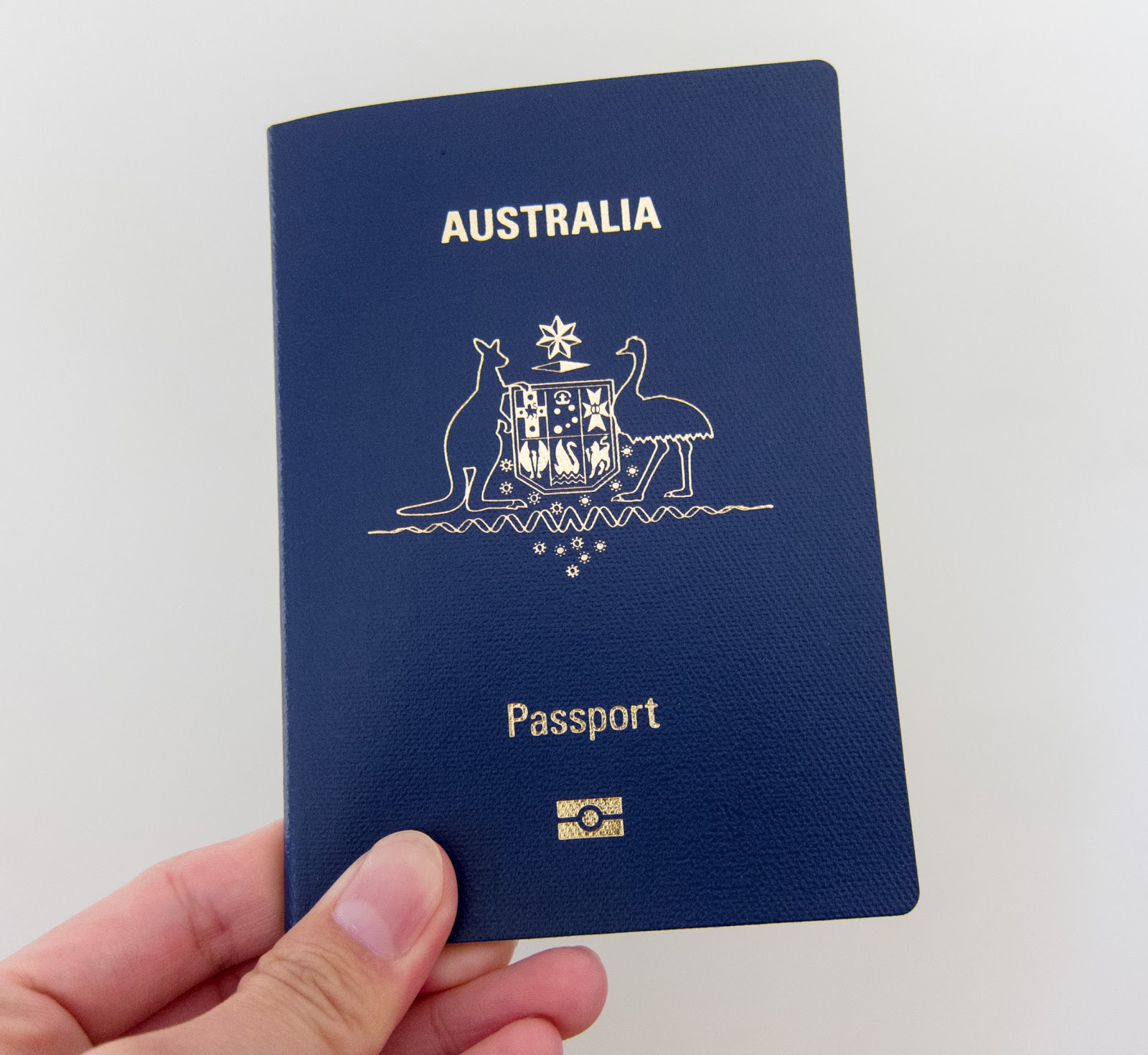
Can Australians get a Vietnam Vacation Visa entirely on the internet? Do you need to visit a Vietnamese embassy or consulate before travelling? And can you submit your application from Australia without mailing away your original passport? These are common questions for Australian travellers preparing for a holiday in Vietnam—especially those who want a convenient solution that does not involve embassy appointments, complicated paperwork or uncertainty about when their passport will be returned.
The good news is that Australian passport holders can generally complete the Vietnam vacation visa application process online. For most ordinary holidays, the most practical option is a Vietnam eVisa, which is applied for electronically and issued online. You can prepare digital documents at home, enter your information through an online form, make payment electronically and receive or download the visa result without sending your physical passport to an embassy. However, every detail on the application must match your passport and travel plans. This guide explains the available online options, required documents, application steps, expected processing periods and the easiest way to prepare for your journey with confidence.
Yes. Australian passport holders can apply for a Vietnam Vacation Visa on the internet without attending an in-person appointment at a Vietnamese embassy. For a normal holiday, the most widely available online route is the Vietnam eVisa system. An eVisa is an electronic visa issued through Vietnam’s immigration system. Applicants complete the form online, upload their passport information and portrait photograph, pay electronically and obtain the result online.
The official term commonly used by immigration authorities is Vietnam eVisa, while travellers may search for phrases such as “Vietnam Vacation Visa,” “Vietnam holiday visa” or “Vietnam tourist visa.” In practical terms, an Australian looking for a vacation visa is usually seeking permission to enter Vietnam temporarily for tourism. Using the phrase “Vacation Visa” throughout this guide helps answer that search directly, but travellers should expect to see the terms “eVisa” or “tourist visa” on application systems and immigration documents.
Australians do not normally need to mail their original passport when applying for an eVisa. Instead, they upload a clear digital image of the passport information page. They must also provide a suitable portrait photograph, contact information and details about their intended entry into Vietnam. The passport remains with the traveller throughout the online application process.
This means the application can be prepared at home from Sydney, Melbourne, Brisbane, Perth, Adelaide, Canberra, Hobart, Darwin or any other location with internet access. It does not matter which Australian city the applicant lives in, provided the traveller is outside Vietnam when applying, holds a valid passport and satisfies Vietnam’s entry requirements.
After approval, the traveller can access the eVisa result electronically. It is sensible to download and print a clear copy before departure, even when an electronic version is stored on a phone or laptop. A printed copy avoids unnecessary problems if a battery fails, a device cannot connect to the internet or an airline employee asks to inspect the visa before boarding.
Vietnam’s official electronic visa system states that an eVisa may be issued for up to 90 days and may permit either a single entry or multiple entries, depending on what is approved. Applicants must carefully select dates and entry details that match their intended journey.
Although online application is suitable for most short holidays, more complex travel purposes may require a different immigration route. Travellers planning long-term employment, extended business activities, long family visits, study or residence should not assume that a vacation eVisa covers those activities. Such cases may involve sponsorship, additional documentation or procedures through a Vietnamese diplomatic mission or relevant authority.

Australian travellers may encounter two commonly discussed options when researching a Vietnam Vacation Visa online: the Vietnam eVisa and Visa on Arrival. These routes are not interchangeable, and the eVisa is generally the clearer and more practical choice for an ordinary holiday.
Vietnam eVisa
The eVisa allows eligible travellers outside Vietnam to submit an electronic application directly or through a supporting organisation. The entire pre-travel application is handled online. Applicants upload the required images, provide passport and trip information, pay electronically and later access the result through the online system.
Vietnam’s immigration portal currently describes the eVisa as valid for a maximum period of 90 days, with single-entry and multiple-entry options. This flexibility makes it suitable for many Australian holiday plans, including a straightforward trip to Vietnam or an itinerary that requires leaving and returning during the visa’s validity.
A single-entry visa normally allows one entry during its approved validity period. After leaving Vietnam, that permission cannot be reused. A multiple-entry visa may permit the traveller to enter, leave and re-enter during the approved period. Australians combining Vietnam with Cambodia, Thailand, Laos, Singapore or another nearby destination should consider whether their itinerary requires multiple entry before submitting the form.
The eVisa is especially convenient because the applicant does not need to collect a visa sticker from an embassy before flying. However, approval is not automatic. Applicants must submit accurate information, comply with immigration rules and wait for the application to be processed.
Visa on Arrival
Visa on Arrival is frequently mentioned on older travel websites, but travellers should not confuse it with arriving in Vietnam without prior authorisation. Where an arrival-based visa arrangement is available, the traveller generally needs to obtain an official approval or sponsorship document before departure and then complete the remaining formalities at an eligible Vietnamese international airport.
This option may be associated with special, urgent, sponsored or otherwise eligible cases. It should not be treated as the standard online vacation visa route for every Australian traveller. An airline may refuse boarding when a passenger cannot present valid pre-arranged entry documentation.
Applicants should also understand that an approval letter is not necessarily the final visa itself. It may only authorise the traveller to proceed with visa issuance at the designated checkpoint, subject to immigration inspection and the conditions stated in the document.
Which Online Visa Option Is Best for Australians?
For most Australians travelling to Vietnam for a holiday, the eVisa is usually the most straightforward option. It provides a defined electronic application process, allows the result to be obtained online and avoids depending on airport visa issuance after a long international flight.
The eVisa is particularly suitable when the traveller:
Travellers with unusual circumstances, urgent departures or a purpose other than tourism should obtain individual guidance before applying. Choosing the wrong visa category can cause delays even when the personal information on the form is correct.
The online application is relatively simple, but its simplicity should not encourage careless preparation. Most problems arise not because the applicant lacks extensive paperwork, but because one small detail is incorrect, unreadable or inconsistent.
A valid Australian passport
The passport used for the application must be valid for the intended journey. Many airlines and destinations apply passport-validity requirements beyond the traveller’s departure date, so Australians should check both Vietnamese requirements and the conditions imposed by their airline or onward destination.
The passport number, nationality, date of birth, issue date, expiry date and full name must be entered exactly as displayed on the passport information page. Do not replace letters with numbers, omit middle names or use a preferred name that does not appear in the passport.
The traveller must enter Vietnam using the same passport connected to the approved eVisa. This is especially important for dual nationals and anyone who replaces a lost, damaged or expired passport after receiving visa approval.
A clear passport information-page image
Applicants need a high-quality digital image of the passport’s biographical page. The entire page should be visible, including the photograph, personal information and machine-readable lines at the bottom.
Avoid reflections, shadows, fingers covering the corners, blurred text or heavily compressed files. A passport photo taken under poor lighting may appear readable to the applicant but fail an online review.
A compliant portrait photograph
The portrait image should clearly show the applicant facing the camera. It should be recent, well lit and free of distracting shadows. Travellers should follow the specifications displayed on the application platform rather than assuming that any social-media photograph or cropped holiday picture will be accepted.
The official application instructions require a portrait photograph and a passport data-page image to be uploaded.
An active email address
Use an email address that the applicant checks regularly. Application updates, requests for corrections and service notifications may be sent electronically. Check the spam or junk folder as the planned departure date approaches.
The applicant should keep the registration or reference code received after submission. This code may be required to check the status, make permitted corrections or download the visa.
An accepted payment method
Applicants need a suitable card or electronic payment method. Government charges and any optional professional service charges are different costs and should be clearly identified before payment.
Vietnam’s official portal has listed government eVisa charges of USD 25 for a single-entry application and USD 50 for a multiple-entry application. Official fees and payment policies can change, so applicants should confirm the amount displayed on the application page at the time of submission. The official government fee is generally not refundable when an application is refused.
Travel and entry information
Prepare the intended arrival date, departure date, accommodation details and proposed Vietnamese checkpoint. The requested validity period should cover the actual trip, but applicants should not enter dates carelessly or request a stay that does not match their plans.
Travellers should choose an entry point authorised for their visa type. An approved eVisa does not automatically allow entry at every border crossing. Confirm that the airport, land border or seaport on the itinerary is accepted under the electronic visa programme.
Before submission, compare the application with the airline booking and passport one final time. Correcting a mistake later may take longer than completing the original form.
The process can be completed online, but applicants should treat each stage as an immigration procedure rather than an ordinary travel booking.
Step 1 – Choose the appropriate visa
Begin by confirming the purpose and structure of the trip. Australians visiting for a normal holiday will usually consider an eVisa. Decide whether the itinerary needs single entry or multiple entry.
A traveller flying from Australia to Vietnam, staying for two weeks and returning directly to Australia may only require single entry. A traveller entering Vietnam, visiting another country and returning to Vietnam may need multiple entry.
Also check the requested validity dates. The visa should cover the planned arrival and stay, but having a visa valid for certain dates does not require immigration officers to admit a traveller outside those dates.
Step 2 – Prepare your digital documents
Before opening the application, save the passport information-page image and portrait photograph in an accessible folder. Check that the images are upright, clear and correctly cropped.
Keep the passport next to you while completing the form. Do not rely on memory when entering the passport number or dates. Open the flight itinerary separately so the arrival date and intended entry checkpoint can be copied accurately.
A few minutes spent checking the digital documents at this stage can prevent several days of delay later.
Step 3 – Complete the online application form
Australians who prefer guided application support can access the service form at:
Enter the applicant’s full personal details exactly as displayed in the passport. Complete the nationality, passport information, proposed visa dates, entry type, purpose and intended checkpoint carefully.
Applicants using an assistance service should understand which parts of the price are government fees and which parts cover professional support, document checking or faster handling. They should also review the terms and refund conditions before payment.
Step 4 – Upload your documents
Upload the correct passport page and portrait photograph in the designated fields. Do not reverse the two images. Check the preview after uploading, especially when applying from a mobile phone.
Make sure no information has been cut off. A passport scan that looks complete on a computer may be automatically cropped when uploaded from a phone. Reopen the uploaded image where possible and inspect the edges.
Every family member, including a child travelling on their own passport, may need an individual application and individual documentation.
Step 5 – Pay securely online
Review the complete application before moving to payment. Confirm the name, passport number, visa type, requested dates, nationality and email address.
Use a stable internet connection during payment and avoid pressing the payment button repeatedly. Save the confirmation page, receipt and registration code. Taking a screenshot can provide an additional record, although it should not replace the official email or reference number.
Government processing charges may be non-refundable even if the application is unsuccessful. Optional service fees are governed by the provider’s stated terms.
Step 6 – Receive your visa by email or retrieve it online
After submission, monitor the application through the relevant system. The official portal enables applicants to check their status and download the approved eVisa using identifying information and the registration code.
Some platforms may send an email notification when the result is available. However, do not depend exclusively on receiving an attachment by email. Spam filters, typing errors and mail-delivery problems can prevent a message from appearing.
Once the visa is available, compare it with the passport immediately. Check the traveller’s name, passport number, nationality, date of birth, validity period, permitted number of entries and entry conditions. Raise any discrepancy before travelling.
Step 7 – Prepare for your flight to Vietnam
Print the approved eVisa clearly on standard paper and keep it with the passport. Save a digital copy on more than one device or secure cloud account.
Confirm that the flight arrives at an eligible checkpoint and within the visa’s validity dates. The traveller should also carry evidence of accommodation and onward or return travel when available.
At airline check-in and Vietnamese immigration, present the same passport used in the application. A valid visa supports travel, but final entry remains subject to immigration inspection and compliance with Vietnamese law.

The processing period depends on the application route, completeness of the documents, current workload and whether any correction is required.
Standard processing
Travellers should generally allow approximately three to five working days for a routine online application. Current official instructions state that processing may take up to five working days after complete documentation has been received, although another page on the legacy immigration portal refers to three working days. Because official pages can display different processing references, travellers should plan around the longer period rather than assuming the fastest result.
Working days normally exclude weekends and Vietnamese public holidays. An application submitted late on Friday should not be treated as though a full working day has already passed.
Standard processing is most appropriate when the traveller applies well before departure and the documents are accurate.
Express processing
Certain assistance services may offer an estimated processing period of one to two working days for eligible applications. This is separate from ordinary government processing and may involve an additional service charge.
Availability can depend on the nationality, visa type, travel date, immigration system and time of submission. “Express” should not be interpreted as permission to board a flight before the valid visa result has been issued.
Urgent processing
In eligible urgent circumstances, specialist assistance may be available with a target of approximately two to eight working hours. This option is intended for travellers facing a close departure date, an unexpected application problem or another time-sensitive situation.
An urgent service does not mean every application can be approved within the requested period. Processing remains subject to the authorities, the traveller’s eligibility and the accuracy of the information supplied.
Australians should apply as early as reasonably possible, even when a faster service exists. Early submission provides time to resolve spelling errors, unclear images, incorrect checkpoints or requests for further information.
Applying online removes many of the practical difficulties traditionally associated with international visa applications. An Australian traveller does not need to organise a weekday embassy appointment, travel across a city, mail a passport or repeatedly call an office for updates.
The online route is accessible at any time from anywhere with an internet connection. A traveller can prepare an application at home in Perth, during a lunch break in Melbourne or while finalising an itinerary in regional Australia. This flexibility is especially useful for people balancing work, family responsibilities and travel planning.
Digital submission also simplifies document management. Passport images, photographs, receipts and approval records can be stored together electronically. Updates can be delivered by email, and the traveller can check the application without waiting for physical mail.
The convenience of an online form does not eliminate the risk of human error, however. A transposed passport number, an incomplete name or the wrong entry checkpoint can interfere with an otherwise straightforward trip. Some Australians therefore prefer professional support when their departure is close, their itinerary includes multiple entries or they are uncertain about the application fields.
VietnamImmigration.com provides an online application and visa-support service designed to help international travellers prepare their Vietnam visa requests. Its support team can review submitted information and digital documents before processing, explain application requirements and assist with standard or urgent cases where available.
The service can be especially useful for travellers who want:
With more than 15 years of experience supporting Vietnam visa and immigration enquiries, the service is positioned to help reduce avoidable application errors and provide guidance when a traveller’s circumstances are more complicated than a standard holiday application.
No visa service can legitimately remove the authority’s role in making the final immigration decision. Approval always depends on eligibility, accurate information, applicable rules and the decision of the relevant Vietnamese authority. Travellers should be cautious of any provider that presents government approval as automatic without conditions.
Australians using a professional service should read the displayed processing terms, charges and refund policy before submitting payment. This makes it easier to distinguish the government application fee from optional service, document-review and urgent-processing charges.
For most Australian holidaymakers, the easiest way to obtain a Vietnam Vacation Visa on the internet is to apply for an appropriate eVisa before departure. The process can be handled from home: choose the correct entry type, prepare a clear passport image and portrait, complete the online form, pay electronically, monitor the application and download the result once approved.
Applying online saves time, avoids embassy appointments and allows Australians to retain their original passports throughout the process. The key is to apply early and check every detail carefully. When the itinerary is urgent, includes multiple entries or creates uncertainty, professional document checking and application support can offer additional reassurance before the traveller heads to the airport.
Is there really such a thing as an express Vietnam tourist visa? If you’re an Australian traveller with a last-minute trip planned, you may be wondering whether it’s still possible …
Your flight to Vietnam is only a few days—or even a few hours—away, and you’ve just realized you still don’t have a valid tourist visa. Should you apply through the …
You’ve already submitted your Vietnam e-visa application… but your departure date is getting dangerously close. Maybe your flight is in just a few days — or worse, just a few …
Traveling from Australia to Vietnam has become increasingly popular thanks to Vietnam’s vibrant culture, world-famous street food, and breathtaking landscapes. However, one issue that often surprises Australian travelers is the …
Every year, countless Australian travellers planning their Vietnam getaway fall into the same trap — applying for a visa through a website that looks official but isn’t. The branding appears …
Your flight to Vietnam is only 24–48 hours away. Hotels are booked, bags are almost packed, and everything seems ready — until you suddenly realize you don’t have a valid …
Planning your 2026 trip to Vietnam? If you’re an Australian citizen, navigating the visa landscape might feel overwhelming. Rules have changed, options have expanded, and missing even one step can …
Looking forward to soaking up the sunshine on Vietnam’s stunning beaches, exploring ancient temples, or indulging in some of the best street food Asia has to offer? You’re not alone—Vietnam …
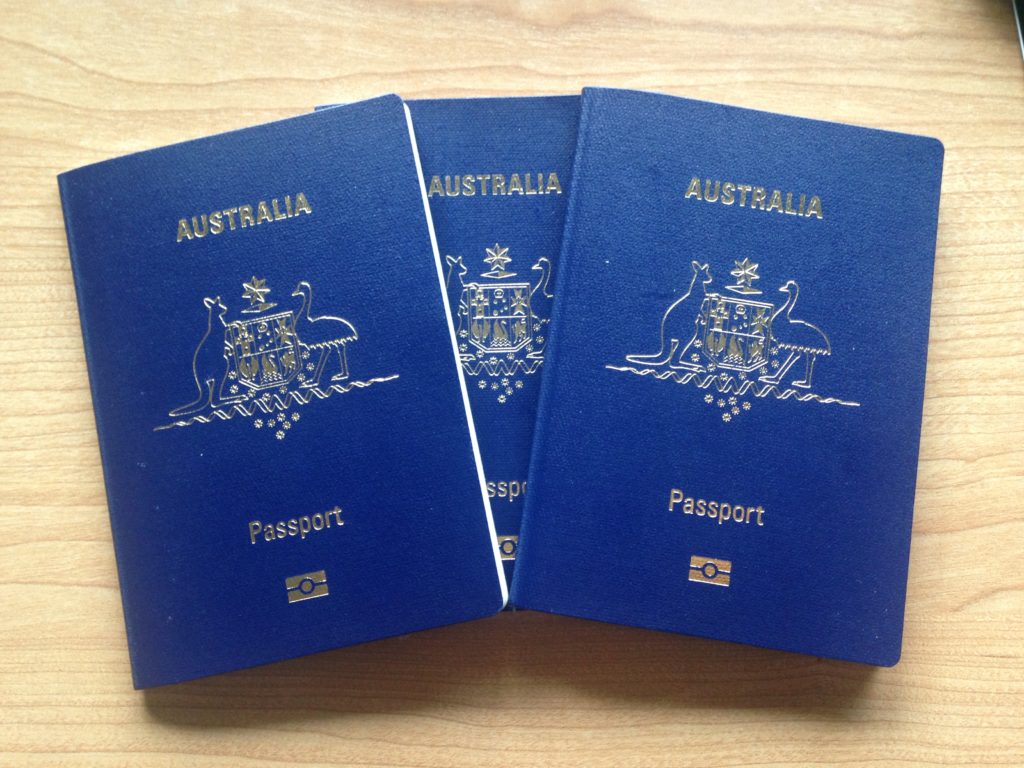
Are you an Australian citizen planning your next unforgettable journey to Vietnam? Between countless confusing websites and unclear visa instructions, it’s easy to feel overwhelmed. You may be wondering which …