Once flights to Vietnam are booked, visa processing time becomes more than a general planning question. A traveler leaving Canada in three weeks has plenty of room to work with, …

You have your Canadian passport ready, a few flight options to Vietnam open on your screen, and perhaps a rough plan involving Hanoi, Da Nang, Hoi An or Ho Chi Minh City. Then comes the part that can feel less exciting than planning hotels and sightseeing: the visa. If this is your first trip to Vietnam, the online application may leave you wondering where to begin, which dates to enter, whether you need single or multiple entry, and what exactly should be checked before you press submit. The good news is that Canadian passport holders can apply for a Vietnam visa online, and the process becomes much easier when you approach it in the right order. Instead of treating the application as a form that needs to be completed as quickly as possible, think of it as part of your travel planning. Your passport details, visa dates, entry choice and itinerary should all support the same trip. This guide walks Canadian travellers through that journey from the first planning stage to the final checks before departure, so you know what to prepare, what to verify and what to expect along the way.
Before opening an application form, Canadian travellers should understand three basic points. Canadian passport holders are eligible to apply for a Vietnam online visa, the visa can be issued with a validity of up to 90 days, and travellers may have the option of single or multiple entry depending on the visa requested and their travel plans.
The phrase “up to 90 days” deserves particular attention. It should not be interpreted as meaning that every Canadian applicant automatically receives permission to stay for a full 90 days. Your actual visa is governed by the dates and conditions shown on the visa that is issued. For this reason, the objective should not simply be to select the longest possible period. The better approach is to request dates that make sense for the trip you are actually planning.
The same principle applies to entry type. A Canadian spending two weeks entirely within Vietnam has a different itinerary from someone combining Vietnam with Thailand, Cambodia or Singapore and then returning to Vietnam. Knowing which type of journey you are taking before beginning the application makes the rest of the process much clearer.
This is why a good Vietnam visa application does not really begin with typing your name into a form. It begins with your itinerary.

Before preparing passport images or entering personal information, map out the Vietnam portion of your journey. At a minimum, identify when you expect to arrive in Vietnam, when you plan to leave, whether you will visit another country during the trip, whether you will return to Vietnam afterwards, and which airport or permitted entry point you expect to use.
Consider a traveller planning Toronto → Hanoi → Da Nang → Ho Chi Minh City → Toronto. Although several Vietnamese cities are involved, the traveller enters Vietnam only once and remains inside the country until the return journey to Canada. The visa should therefore be planned around that continuous stay and the appropriate entry arrangement.
Now compare that with Vancouver → Ho Chi Minh City → Bangkok → Hanoi → Vancouver. This itinerary looks similar at first because Vietnam is still the main destination, but there is an important difference. The traveller enters Vietnam, leaves for Thailand and then returns to Vietnam. The visa needs to accommodate that second entry, which makes the entry choice particularly important.
Dates deserve the same level of attention. Use the date you actually expect to arrive in Vietnam rather than automatically copying your departure date from Canada. International itineraries, connections and time-zone differences can make departure and arrival dates different. Check the complete flight itinerary before deciding what belongs on the visa application.
A useful rule is to settle the route first and the visa details second. When you already know where the journey begins, when you enter Vietnam, whether you leave and return, and when the Vietnam portion ends, choosing visa dates and entry type becomes a logical decision rather than a guess.
Once the itinerary is clear, create a small application folder before you start filling anything in. Keep your Canadian passport, a clear digital image of the passport information page, the required portrait image, your travel information and the email address you intend to use together. Having everything ready reduces interruptions and makes it easier to concentrate on accuracy.
Your passport should be the primary reference for personal information. Do not enter important details from memory simply because you know them well. Names, passport numbers, date of birth, nationality and other passport information should be checked directly against the travel document you will actually carry to Vietnam. You should also confirm that your passport has sufficient validity for your intended travel and applicable entry requirements.
Digital files deserve more attention than many applicants give them. A passport image should allow the relevant information to be read clearly. Avoid files where part of the page has been cropped away, important text is blurred, glare covers the passport number or the image is so dark that details become difficult to distinguish. If a portrait image is required, prepare an appropriate, clear file rather than assuming that any photo stored on your phone will necessarily be suitable.
Keep your itinerary nearby as well. You may need information relating to your intended arrival, stay and other travel details. Use an email account that you regularly monitor and double-check its spelling before submission, since application or service communications may be sent there.
Think of this stage as packing for the application rather than packing for the flight. The objective is simple: when you begin the form, everything you need should already be in front of you.
With the application materials ready, you can begin entering the information. Canadian travellers who want visa application assistance can start through the following application page:
Begin by identifying the traveller and entering the required personal information. Follow your Canadian passport rather than using a nickname, abbreviated version of your name or information stored in an unrelated travel profile. Each important identity field should correspond to the document you will present when travelling.
Next comes the passport information. Enter the passport number and any other requested passport details carefully. Numbers and letters can be easy to misread when information is entered quickly, so this is a good point to stop briefly before continuing.
Quick check: Does the passport number on the application match your Canadian passport character by character?
Once identity and passport information are complete, move to the visa dates. Refer to the itinerary you created in Stage 1 rather than choosing dates from memory. Your requested period should make sense for your planned stay in Vietnam.
Quick check: Do the requested visa dates cover the Vietnam portion of your actual itinerary?
The next decision is entry type. If the journey involves one continuous stay in Vietnam, your needs differ from those of a traveller leaving Vietnam for another country and returning later. Look at the entire route rather than only your first flight into Vietnam.
Then complete the requested travel information and upload the necessary digital files. Open each uploaded image and inspect it before moving forward. Make sure the passport information remains readable after uploading and that the correct files have been selected.
When every section is complete, resist the temptation to submit immediately. Review the form in a deliberate order: identity → passport → dates → entry type → travel information → uploaded documents → contact information.
Only after that review should you submit the application and complete the applicable payment or service process. Keep relevant confirmation or application information available and monitor the email account used during the process.
The goal is not to finish the application in the fewest minutes possible. The goal is to submit it once with information that has already been checked carefully.

The easiest way for Canadian travellers to understand single versus multiple entry is to stop thinking about the number of cities they will visit and focus instead on the number of times they will cross into Vietnam.
Imagine that your trip is Toronto → Hanoi → Hoi An → Ho Chi Minh City → Toronto. Hanoi, Hoi An and Ho Chi Minh City are all within Vietnam. Travelling between them does not mean you are making multiple international entries. You enter Vietnam, remain in the country and eventually leave for Canada.
Now consider Vancouver → Ho Chi Minh City → Singapore → Hanoi → Vancouver. Here, you enter Vietnam in Ho Chi Minh City, leave Vietnam to visit Singapore and later enter Vietnam again when travelling to Hanoi. That is a fundamentally different travel pattern, so the visa arrangement should account for the return to Vietnam.
This distinction becomes particularly relevant for Canadians planning longer Southeast Asian holidays. A traveller may book flights first and only later decide to add Bangkok, Siem Reap or Singapore between two Vietnam stays. If the itinerary changes substantially before the application is finalized, reassess whether the intended visa still fits the new route.
A useful question is therefore not simply, “How many places am I visiting?” Ask instead: “After I first enter Vietnam, will I leave the country and need to enter Vietnam again during this trip?” The answer makes the entry decision much easier to understand.
Submitting the form changes the task from preparing information to monitoring the application. Keep the relevant confirmation or reference information in a place where you can retrieve it easily, and begin checking the email address associated with your application. It is also sensible to look at the spam or junk folder periodically so an important message is not overlooked.
For travel planning purposes, around 3 to 5 working days can be used as a common reference for standard processing through the visa assistance service described in this article, but the actual time can vary. Weekends and Vietnamese public holidays may affect the number of working days available, and an application that requires clarification, correction or additional information can take longer.
This is why “online” should not be interpreted as “instant.” Completing a form online may be convenient, but the application still needs time to move through the relevant process. A Canadian traveller with a flight several weeks away has considerably more flexibility than someone who starts the process immediately before departure.
If you receive a request for additional information, read it carefully and respond according to the instructions provided. Avoid creating unnecessary duplicate applications simply because you become concerned while waiting. Multiple submissions can make it harder to keep track of which information belongs to which application.
During this stage, your role is straightforward: monitor communications, keep your passport and itinerary available in case information needs to be checked, and avoid making assumptions about the result until the relevant visa documentation has actually been received.
Receiving the visa is an important milestone, but it should trigger one more review rather than an immediate “done” response. Before moving on completely from the visa process, put three things next to each other: your Canadian passport, your Vietnam visa and your current flight itinerary.
Start with identity information. Check that the important details on the visa correspond to the passport you will use for the journey. Pay particular attention to your name and passport number. If you renewed or changed passports during travel planning, do not assume that documents connected to the previous passport automatically transfer to the new one.
Then look at the visa dates. Compare them with the latest version of your itinerary rather than the itinerary you remember from when you first started planning. Flight schedules and travel plans sometimes change between application and departure.
Next, verify the entry arrangement against your route. If your holiday now includes leaving Vietnam and returning later, make sure the visa conditions still align with the journey you intend to take.
This passport-to-visa-to-itinerary comparison takes only a short time, but it is one of the most useful final checks in the entire process. An approval should give you confidence because the information has been verified, not simply because you saw an approval message.
Consider a Canadian traveller living in Toronto who is planning a first holiday in Vietnam. The proposed itinerary is Toronto → Hanoi → Hoi An → Ho Chi Minh City → Canada, with approximately two weeks spent in Vietnam.
Instead of beginning with the application form, the traveller first confirms the flight schedule and actual Vietnam arrival date. Because the entire trip remains within Vietnam after the initial arrival, there is no planned exit followed by re-entry. The traveller can therefore assess the appropriate entry arrangement based on that straightforward itinerary.
Next, the traveller creates an application folder containing the Canadian passport, a clear passport data-page image, the required portrait file, flight details, intended travel information and a frequently monitored email address. Before filling in anything, the passport is placed next to the computer so the information can be copied directly rather than entered from memory.
During the application, the traveller checks the passport number immediately after entering it, compares the requested visa dates with the Hanoi arrival and final departure, reviews the uploaded images and performs one complete review before submission.
The application is also started with enough time before the Toronto departure date to accommodate normal processing rather than depending on a last-minute solution. When the visa is received, the traveller compares it once more with the Canadian passport and final flight itinerary.
Nothing about this example is complicated, and that is exactly the point. A smooth application often comes from doing ordinary things in the right order: plan first, prepare second, enter carefully, review before submitting and check again after receiving the result.
Not every Canadian traveller discovers the visa requirement weeks before departure. Perhaps you have just booked a last-minute trip from Toronto, Vancouver, Montreal or Calgary, or you started the application earlier but your departure date is now much closer than expected.
When time becomes limited, look at the calendar realistically. Start with your flight date, count the working days remaining and consider whether weekends or Vietnamese public holidays fall within that period. Then factor in the current status of your application and whether any information still needs to be checked or corrected.
If the normal processing timeline no longer fits the available window, faster processing assistance may be available for certain eligible cases. Depending on the specific application, submission time and service availability, options may include processing assistance within 1 working day, 4 working hours or 2 working hours.
These faster timelines should always be confirmed for the particular case rather than treated as a universal guarantee. An urgent option may shorten the available processing route, but it does not make inaccurate passport information, incorrect dates or unsuitable documents irrelevant.
In fact, urgency makes accuracy more important, not less. The closer your flight from Canada gets, the less room there is for an application error. When several weeks remain, a correction may be manageable. When only a day or several hours remain, the same issue can become far more disruptive.

Many Canadians can understand an online application without additional help. However, there are situations where having another person review the process can be useful. This may be your first trip to Vietnam, your itinerary may involve several countries, you may be uncertain about the documents you have prepared, or your departure date may be close enough that you do not want to discover a simple error later.
VietnamImmigration.com provides Vietnam visa application assistance for travellers who prefer additional support during the process. Rather than treating assistance purely as a way to obtain faster processing, its practical value can lie in simplifying application preparation, checking important information and documents, providing guidance and offering customer support when questions arise.
A second review can be particularly useful because many application concerns involve ordinary details rather than complicated immigration concepts. A passport number may contain one incorrect character. An uploaded image may be difficult to read. An arrival date may have been copied from the wrong part of an itinerary. An applicant travelling through several Asian countries may have misunderstood how many times the journey actually enters Vietnam.
For travellers with a close departure date, assistance can also help determine whether an urgent service is available for the specific situation. Availability and processing conditions should be confirmed rather than assumed.
Because visa application assistance is a paid service, travellers should review the applicable fees, service scope, processing conditions and refund terms before making payment. The purpose of assistance should be clear: greater convenience, another level of checking, practical guidance and support appropriate to the traveller’s situation.
At this stage, there is no need to repeat the entire application process. Instead, conduct one final review in four groups.
Your Canadian passport: Make sure the passport you are packing is the same travel document associated with the visa application. Check its condition and relevant validity for the journey.
Your Vietnam visa: Compare the name, passport number, validity dates and entry arrangement with your passport and travel plans. Do this while you still have time to address a concern rather than at the airport.
Your itinerary: Review your latest flights and travel route. If you changed the trip after applying — particularly by adding another country between two stays in Vietnam — make sure your visa arrangement still makes sense for the updated journey.
Your travel documents: Keep the necessary visa documentation and other required travel records accessible rather than buried among unrelated files. Follow the applicable instructions for carrying or presenting your visa documentation during travel.
This final review connects everything you have done since Stage 1. The itinerary determined the visa plan; the passport supplied the identity information; the application brought those details together; and the final check confirms that they still agree before you leave Canada.
A successful Vietnam online visa application is not about completing the form as quickly as possible. It is about making sure your Canadian passport, visa dates, entry plan and actual itinerary all tell the same story. Planning the trip first, preparing your application materials in advance and checking information at each stage can make the process far easier to manage.
Once the visa is arranged and the details have been checked, you can turn your attention back to the part of the journey you actually want to think about — arriving in Vietnam. If you prefer assistance with the application, document checking or available processing options before travelling from Canada, VietnamImmigration.com can provide support throughout the visa application process.
Once flights to Vietnam are booked, visa processing time becomes more than a general planning question. A traveler leaving Canada in three weeks has plenty of room to work with, …
For Canadian travelers, Vietnam’s electronic visa can look refreshingly simple at first: apply online, receive the approved document electronically and travel with it. But the details behind that process matter …
Planning a trip from Canada to Vietnam can feel fairly straightforward until the visa question comes up. Perhaps you are spending only a long weekend in Ho Chi Minh City, …
Vietnam has become one of the most appealing destinations for Canadian travelers in recent years. From the bustling streets of Ho Chi Minh City and the historic charm of Hanoi …
Vietnam has become one of the fastest-growing destinations for Canadian companies looking to expand into Southeast Asia. Whether it’s attending trade shows in Ho Chi Minh City, negotiating contracts in …
Planning a vacation to Vietnam from Canada often begins with the enjoyable decisions: Hanoi or Ho Chi Minh City? Ha Long Bay or the beaches of Central Vietnam? A few …
Getting ready for a holiday in Vietnam should feel exciting—not overwhelming. Yet for many Canadians, the visa application becomes a source of stress when departure is approaching. Vietnam’s electronic visa …
Planning a trip to Vietnam from Canada but unsure how the visa process works? Wondering whether Canadian passport holders can apply online, if visiting a Vietnamese embassy is still necessary, …
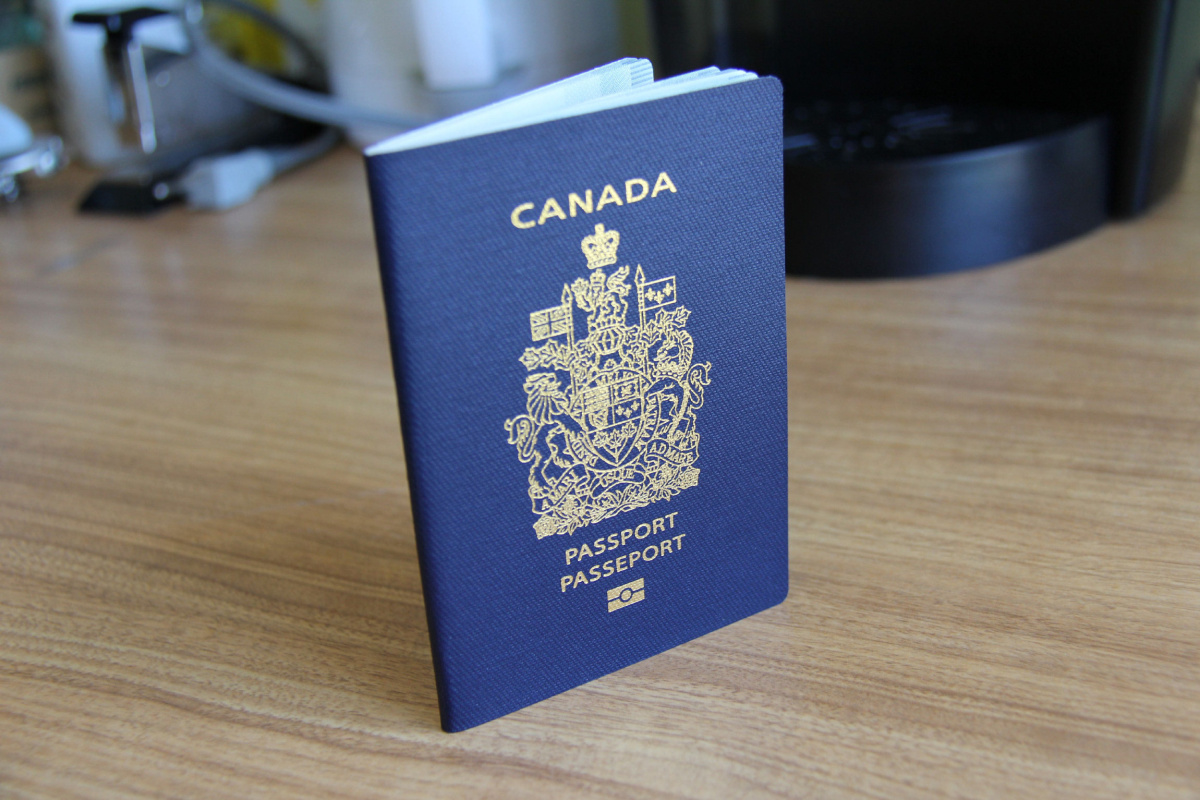
Your flight to Vietnam is booked, your accommodations are confirmed, and your itinerary may already include the historic streets of Hanoi, the lantern-filled evenings of Hoi An, and the nonstop …