Planning a vacation to Vietnam from Canada often begins with the enjoyable decisions: Hanoi or Ho Chi Minh City? Ha Long Bay or the beaches of Central Vietnam? A few …

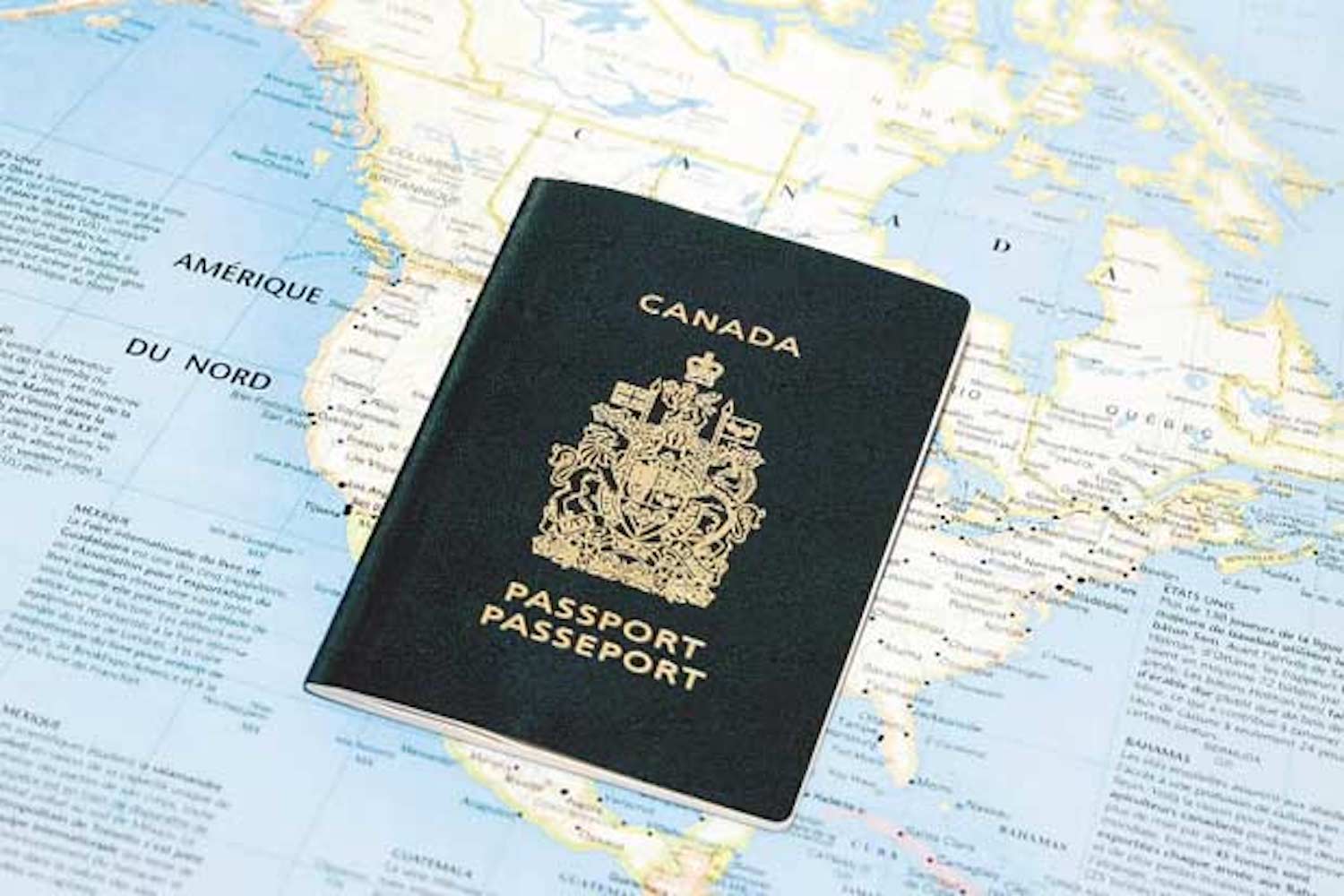
For Canadian travelers, Vietnam’s electronic visa can look refreshingly simple at first: apply online, receive the approved document electronically and travel with it. But the details behind that process matter more than many people expect. The visa needs to cover the correct travel dates, the right number of entries and a suitable entry point. A traveler entering Vietnam once has different needs from someone leaving for Thailand and returning later, while a land-border itinerary requires a different level of planning from a direct flight into Hanoi or Ho Chi Minh City. Before submitting an application, it therefore helps to understand exactly what the Vietnam e-visa is designed to do—and how to make sure it matches your actual journey.
Yes. Canadian passport holders can apply for a Vietnam electronic visa when they meet the applicable immigration requirements.
Vietnam’s current e-visa framework is available to citizens of all countries and territories, which makes the electronic visa a practical option for Canadian travelers who want to arrange their visa online before departure.
For most applicants, the process is completed electronically, from submitting personal and passport information to receiving the visa result.
A Vietnam e-visa is an electronic visa issued through Vietnam’s immigration system before the traveler enters the country.
It allows eligible travelers to complete the visa process online rather than relying on a traditional paper application route.
A Vietnam e-visa can:
The most important point is that the e-visa is tied to specific dates, passport information and entry conditions. It should therefore be treated as part of the travel itinerary rather than as a generic travel document.

Vietnam e-visas can be issued for a period of up to 90 days.
However, this does not mean every Canadian applicant automatically receives a 90-day visa.
The actual validity is based on the dates requested and approved in the application.
Three details are particularly important.
Valid from
This is the first date on which the visa can be used.
If the visa begins on June 10, arriving on June 8 would fall outside the approved validity period.
Valid until
This is the final date covered by the visa.
Your trip should fit within the approved validity period shown on the document.
Permitted entry type
The visa will indicate whether it allows:
The important point is that the visa validity is based on the approved dates shown on the e-visa, not simply on the day you actually arrive or the day the visa is issued.
“Up to 90 days” is a maximum framework, not an automatic 90-day stay for every applicant.
Choosing the correct number of entries is one of the most important decisions in an e-visa application.
A single-entry e-visa generally suits travelers who plan to enter Vietnam once during the visa validity period.
For example:
Canada → Vietnam → Canada
Only one entry into Vietnam is required.
Another example:
Canada → Vietnam → Thailand → Canada
You still enter Vietnam only once because you leave Vietnam and do not return.
A multiple-entry e-visa becomes relevant when your itinerary includes leaving Vietnam and then entering again.
For example:
Canada → Vietnam → Thailand → Vietnam → Canada
This journey involves two separate entries into Vietnam.
In this case, your visa arrangement needs to cover the second arrival.
Do not choose multiple entry simply because it sounds more flexible. The better approach is to choose the entry type that matches your actual itinerary.
Vietnam e-visas can be used at many of the major entry points commonly used by international travelers, but they should not be treated as valid at every possible border crossing.
Eligible entry points generally fall into three groups:
For most tourists arriving through major airports such as Hanoi, Ho Chi Minh City or Da Nang, the e-visa system is widely used.
Travelers entering by land or sea should be especially careful to confirm that the intended checkpoint is currently included in the official e-visa entry and exit list.
Before traveling, check that:
Your planned entry point is eligible
and
Your issued e-visa is compatible with your actual itinerary
This matters particularly if your route changes after the visa has already been approved.

Preparing the right information before starting the application can make the process much easier.
| What to Prepare | What to Check |
|---|---|
| Canadian passport | Preferably valid for at least six months beyond entry and with sufficient usable pages for travel procedures |
| Passport bio-page image | Clear, complete, readable and showing the full page without important corners being cut off |
| Portrait photo | Recent, clear, plain or white background, without sunglasses or anything obstructing the face |
| Personal details | Must correspond with the passport |
| Travel dates | Should cover the intended Vietnam itinerary |
| Entry point | Must be eligible under the current e-visa system |
| Number of entries | Should match the complete travel route |
| Email/contact details | Use an address you can access reliably |
| Payment method | Must be suitable for the applicable payment process |
One simple rule is worth following throughout the application:
Do not enter passport details from memory.
Keep the passport open beside you and compare every important field before submitting.
The e-visa process is relatively straightforward.
The basic flow is: Prepare → Fill → Upload → Review → Pay → Monitor → Receive result
First, prepare your passport, photo and travel details.
Then complete the online application, upload the required files and carefully review the information before payment and submission.
After submission, keep the application reference information available and monitor the result through the appropriate channel.
Once approved, review the issued e-visa before traveling.
Canadian travelers who would prefer help checking their application details or understanding the available processing options can also use our Vietnam visa support service:
Professional assistance can be useful if you want an additional review before submission, are unsure about the required information, or have a more complicated itinerary.

Many avoidable problems come from small errors rather than major misunderstandings.
Before submitting, check these details carefully:
Pay particular attention to the passport number and travel dates.
Even one incorrect character or an unsuitable date can create a mismatch between the visa and your actual journey.
Do not automatically assume that an approved e-visa can be used at any airport, land crossing or seaport.
If your itinerary changes and you want to enter through a different point, first confirm:
This is especially important for travelers changing from air travel to a land border crossing, or adding another Southeast Asian country to the itinerary after the visa has been approved.
If the situation is unclear, it is better to check before departure rather than assume the new route will automatically work.
Some changes may be minor, while others can affect whether the issued e-visa still fits the trip.
Changes worth checking carefully include:
For example, changing a hotel usually does not have the same significance as changing the passport number or moving the arrival date outside the visa validity period.
Likewise, switching from one entry into Vietnam to a plan that requires two entries can affect whether the existing visa is suitable.
Do not assume every itinerary change is harmless.
Before traveling, compare the updated travel plan with:
Validity dates → Entry type → Entry point → Passport details
If any important part no longer matches, confirm what action is appropriate before departure.
For Canadian travelers, Vietnam’s e-visa is a convenient online visa option, but convenience does not remove the need for careful planning.
The most important things to check are straightforward:
Does the visa cover your dates?
Does it allow the number of entries your itinerary requires?
Is your entry point eligible?
Do all passport details match exactly?
Once those points are correct, the e-visa becomes much easier to use as part of a Vietnam trip.
Rather than focusing only on getting the application submitted, make sure the visa you request actually matches the journey you intend to take.
Planning a vacation to Vietnam from Canada often begins with the enjoyable decisions: Hanoi or Ho Chi Minh City? Ha Long Bay or the beaches of Central Vietnam? A few …
Planning a trip to Vietnam from Canada is exciting—until you suddenly realize that you still need a visa. It happens more often than many travellers expect. Flights are booked, hotels …
Your flights are booked, your hotel confirmation is sitting in your inbox, and your travel dates are only days away. Then you realize one essential item is still unresolved: your …
For many Canadians planning a trip abroad, understanding visa rules can be one of the most confusing parts of preparing for international travel. Vietnam is no exception. From figuring out …
For many Canadians preparing for a trip to Vietnam, one of the most stressful moments comes when your electronic visa sits untouched in “In Processing” while your departure date moves …
If you’re a Canadian traveller planning a trip to Vietnam and suddenly realize your departure is near but your e-visa still isn’t sorted out, don’t worry—you’re definitely not the only …
Your next business trip to Vietnam is just around the corner. You’ve got meetings lined up in Hanoi, presentations planned in Ho Chi Minh City, and partners to visit in …
Are you a Canadian traveller ready to experience the beauty, culture, and warmth of Vietnam? Maybe you’re picturing yourself wandering through the lantern-lit streets of Hoi An, sailing across the …
Are you a Canadian planning to explore the vibrant culture, rich history, and scenic beauty of Vietnam? Before you finalize your travel plans, there’s one essential detail you need to …


