Your flight to Vietnam is booked, your accommodations are confirmed, and your itinerary may already include the historic streets of Hanoi, the lantern-filled evenings of Hoi An, and the nonstop …

Planning a trip to Vietnam from Canada but unsure how the visa process works? Wondering whether Canadian passport holders can apply online, if visiting a Vietnamese embassy is still necessary, or what documents you’ll need before departure? These are some of the most common questions Canadian travellers ask when organizing a holiday to Vietnam. Whether you’re dreaming of cruising through Ha Long Bay, wandering the lantern-lit streets of Hoi An, relaxing on the beaches of Da Nang, or discovering the vibrant food scene in Ho Chi Minh City, obtaining the right visa should be one of the first items on your travel checklist. While flights, hotels, and itineraries often receive the most attention, overlooking visa requirements can lead to unnecessary stress or even last-minute travel disruptions. Fortunately, Vietnam has continued to modernize its immigration procedures, making it much easier for eligible Canadian citizens to obtain a tourist visa through an online application process before leaving home.
Today, most Canadian travellers can complete nearly every stage of their Vietnam tourist visa application online. From entering personal information and uploading supporting documents to paying the required fees and receiving an approved electronic visa, the process has become significantly more streamlined than traditional embassy applications. In this guide, you’ll learn everything you need to know about applying for a Vietnam tourist visa online as a Canadian citizen, including eligibility, available visa options, required documents, step-by-step application instructions, estimated processing times, and helpful tips to make your application as smooth as possible.
Yes. Canadian citizens who meet Vietnam’s current immigration requirements are generally eligible to apply for a Vietnam tourist visa online without visiting a Vietnamese embassy or consulate in person.
Over the past several years, Vietnam has expanded its electronic visa system to simplify entry procedures for international visitors. Eligible travellers can now submit their applications electronically, upload supporting documents, pay the applicable fees online, and receive their visa approval digitally before travelling.
Before beginning the application, it’s advisable to prepare a valid Canadian passport, a digital copy of the passport’s biographical page, a recent passport-style photograph, and basic travel details such as your intended arrival date and port of entry. Having everything ready in advance can make the application process faster and reduce the likelihood of delays.
When researching Vietnam visa information, Canadian travellers may come across terms such as “Vietnam tourist visa,” “Vietnam travel visa,” or “Vietnam visitor visa.” Although the wording varies, these terms generally refer to the same visa category intended for visitors travelling to Vietnam for tourism, sightseeing, or short recreational stays.
One of the biggest advantages of applying online is that you do not need to mail your original passport during the application process. Instead, applicants simply upload electronic copies of the required documents while keeping their passport in their possession at all times.
Whether you live in Ontario, British Columbia, Alberta, Quebec, Manitoba, Nova Scotia, or anywhere else across Canada, you can complete your application from virtually anywhere with a reliable internet connection.
Once your visa has been approved, you’ll normally receive an electronic visa that can be downloaded before departure. It’s recommended to keep both digital and printed copies available when checking in for your flight and when passing through Vietnamese immigration upon arrival.
Under Vietnam’s current regulations, eligible Canadian passport holders can typically apply for an electronic visa valid for up to 90 days, with the option to select either single-entry or multiple-entry access depending on their travel itinerary.
If your purpose of travel is something other than tourism—such as employment, business activities, study, or long-term residence—you should apply for the visa category that matches your intended stay.

Canadian travellers generally have two online-related visa options when planning a trip to Vietnam: the Vietnam eVisa and the Vietnam Visa on Arrival pre-approval process. Although both involve submitting information online before departure, they operate differently and are suitable for different travel situations.
Vietnam eVisa
For most Canadians travelling to Vietnam for leisure, the electronic visa is typically the simplest and most convenient solution.
Applicants complete the application online, upload the required documents, submit payment electronically, and, once approved, receive their electronic visa before travelling. In most cases, there is no need to visit an embassy or complete additional visa procedures after landing in Vietnam.
Under current immigration regulations, eligible travellers can generally obtain an eVisa valid for up to 90 days, with the flexibility to choose either single-entry or multiple-entry validity.
If you’re travelling from Canada to Vietnam for one holiday before returning home, a single-entry visa will usually be sufficient.
However, if your itinerary includes visiting neighbouring countries such as Thailand, Cambodia, or Laos before returning to Vietnam during the same trip, a multiple-entry visa may better suit your travel plans.
Applicants should always ensure that the information provided is complete and accurate. Every visa application is individually reviewed by Vietnam’s immigration authorities, and final approval is issued according to the country’s current immigration regulations.
Vietnam Visa on Arrival
Some Canadian citizens may also be eligible to use the Vietnam Visa on Arrival process.
However, it’s important to understand that Visa on Arrival does not mean arriving in Vietnam without prior arrangements and obtaining a visa immediately at the airport.
Before departure, travellers must first obtain an official Visa Approval Letter through the appropriate application process. Upon arrival at an eligible international airport in Vietnam, this approval letter is then presented to complete the visa issuance procedure.
It’s also important to remember that the approval letter itself is not the actual visa. Instead, it serves as an essential document required before boarding your flight and completing the arrival formalities.
Without a valid approval letter, airlines may refuse boarding because passengers may not satisfy Vietnam’s entry requirements.
In addition, Visa on Arrival is not appropriate for every traveller or every travel purpose, so applicants should verify their eligibility before choosing this option.
Which Option Is Best for Canadian Travellers?
For the majority of Canadian tourists, the Vietnam eVisa is generally the most practical and convenient option.
Because the visa is approved before departure, travellers can usually proceed directly through immigration upon arrival without completing additional visa issuance procedures at the airport.
The eVisa is often the preferred choice if you:
If you’re travelling for business, employment, education, or another non-tourism purpose, you should apply for the Vietnam visa category that corresponds with your intended activities.
Before beginning your online Vietnam tourist visa application, it’s worth taking a few minutes to gather all the required documents. Although the application process is designed to be straightforward, missing paperwork, unreadable uploads, or incorrect personal information can slow down processing and, in some cases, require you to submit a new application.
Having everything prepared in advance not only makes the application easier but also helps reduce the risk of avoidable delays before your trip.
In most situations, Canadian citizens applying for a Vietnam tourist visa online should prepare the following:
A Valid Canadian Passport
Applicants must hold a valid Canadian passport that satisfies Vietnam’s current entry requirements.
As a general guideline, your passport should remain valid for at least six months beyond your planned arrival in Vietnam. It should also be in good physical condition, with sufficient blank pages if additional immigration stamps are required.
Before applying, take a moment to verify that all passport information is clearly legible and that the document has not been damaged.
A Digital Copy of Your Passport Information Page
During the application process, you’ll be asked to upload a digital copy of your passport’s biographical page.
The image should be in colour, sharp, and easy to read, displaying your full name, passport number, nationality, date of birth, issue date, and expiry date without glare, shadows, or cropped edges.
Providing a high-quality file can help prevent unnecessary delays during document review.
A Recent Passport-Style Photograph
A recent passport photo is also required.
Your photograph should clearly show your face against a plain, light-coloured background. Avoid wearing sunglasses, hats, or anything that obscures your facial features unless worn for recognised religious purposes.
Using an up-to-date photo that accurately reflects your current appearance is strongly recommended.
A Working Email Address
All important notifications regarding your application—including submission confirmation, status updates, and your approved electronic visa—are generally delivered by email.
For that reason, it’s important to use an active email account and check both your inbox and spam folder while your application is being processed.
An Accepted Online Payment Method
Applicants are required to pay the applicable visa fee during the online application.
Before submitting payment, ensure that your credit card or preferred payment method is authorised for international online transactions.
Basic Travel Details
You’ll also need to provide information relating to your upcoming visit, such as:
All information should accurately reflect your planned itinerary and remain consistent with the supporting documents you submit.
Applying for a Vietnam tourist visa online is generally a straightforward process for eligible Canadian travellers. By carefully following each step and reviewing your information before submission, you can minimise the chance of delays or corrections later.
The application process typically includes the following steps:
Step 1: Complete the Online Application
Start by filling in the online application form with your personal details, passport information, and travel itinerary.
Make sure every detail exactly matches the information shown in your Canadian passport, including your full legal name, passport number, nationality, and date of birth.
Step 2: Upload the Required Documents
Next, upload your passport information page along with your passport-style photograph.
Double-check that each file is clear, properly formatted, and fully readable before continuing.
Step 3: Review All Information Carefully
Before submitting your application, review every section thoroughly.
Simple mistakes—such as entering the wrong passport number, selecting incorrect travel dates, or making spelling errors—can delay processing or require amendments later.
Step 4: Submit Payment
After confirming that all information is correct, complete the online payment.
Once payment has been successfully processed, you’ll normally receive an email confirming your application along with a reference number for future enquiries.
Step 5: Wait for Your Application to Be Processed
Vietnam’s immigration authorities will assess your application according to current immigration regulations.
The overall processing period depends on the service option selected and the individual circumstances of your application.
Step 6: Download Your Approved eVisa
If your application is approved, you’ll receive your electronic visa.
It’s recommended that you save both a digital copy and a printed copy to present during airline check-in and upon arrival in Vietnam if requested by immigration officials.
Step 7: Enter Vietnam
When you arrive in Vietnam, present your valid Canadian passport together with your approved electronic visa to the immigration officer.
Provided your documentation meets Vietnam’s entry requirements, you’ll be permitted to enter the country and begin your visit.
If you’d prefer additional assistance throughout the application process, you can also submit your visa request through:

The amount of time required to receive a Vietnam tourist visa depends on the processing option you select and your individual application.
To accommodate different travel schedules, several processing services are commonly available.
Standard Processing
This option is generally suitable for travellers who apply well before their departure date.
Typical processing time is approximately 3 to 5 business days.
Expedited Processing
If your trip is approaching, an expedited service may be more appropriate.
Applications are commonly processed within 1 to 2 business days, depending on the circumstances.
Emergency Processing
Travellers with urgent travel plans may also have access to emergency processing services through eligible providers.
Where available, processing can sometimes be completed in as little as 2 to 8 hours, subject to the specific service selected and the documentation provided.
Regardless of which option you choose, it’s always advisable to submit your application as early as possible. Applying well in advance provides additional flexibility should further documentation be requested or unexpected processing delays arise, helping ensure your journey to Vietnam gets off to a smooth start.
Vietnam has become one of the most sought-after destinations for Canadian travellers looking to experience Southeast Asia. From the breathtaking limestone islands of Ha Long Bay and the charming streets of Hoi An to the energetic atmosphere of Ho Chi Minh City and the pristine beaches of Phu Quoc, Vietnam offers an exceptional mix of natural beauty, rich history, outstanding cuisine, and excellent value for money. As more Canadians include Vietnam in their travel plans, securing the correct visa before departure has become an essential part of preparing for the journey.
One of the main reasons online visa applications have grown in popularity is the convenience they offer. Instead of scheduling appointments at a Vietnamese embassy or mailing original documents, eligible Canadian passport holders can complete almost the entire application process from home. The application can usually be submitted online, supporting documents uploaded electronically, payment completed securely, and—once approved—the electronic visa received by email before travelling. This digital process has made planning an international trip considerably easier and more efficient than in previous years.
For many travellers, another significant advantage is the peace of mind that comes from having their travel documents ready before boarding their flight. Receiving an approved visa in advance allows visitors to focus on booking accommodation, organising transportation, and planning sightseeing activities rather than worrying about immigration paperwork after arriving in Vietnam. The online system also provides a more transparent process, allowing applicants to monitor communications and retain electronic copies of important visa documents throughout their trip.
That said, a smooth application still depends on submitting accurate information. Even minor errors—such as an incorrect passport number, a misspelled name, an unclear passport scan, or inconsistent travel dates—can result in unnecessary processing delays. Taking a few extra minutes to carefully review every detail before submitting your application can help prevent avoidable complications and improve the likelihood of a seamless approval process.
Travellers who prefer additional guidance often choose to work with an experienced visa service provider. With more than 15 years of experience assisting international visitors, VietnamImmigration.com offers professional support throughout the Vietnam visa application process. Their team carefully reviews submitted information before filing the application, helping applicants minimise common mistakes that could delay processing. Depending on your travel schedule, they also provide standard, urgent, and emergency processing options, together with responsive customer support available to answer visa and immigration-related questions whenever assistance is needed.
It’s important to remember that regardless of whether an application is submitted directly or through a professional visa service, every visa application is ultimately reviewed and approved by Vietnam’s immigration authorities in accordance with current immigration regulations. Providing complete and truthful information remains one of the most important factors in ensuring a successful application.
For most Canadian citizens planning a holiday in Vietnam, applying online has become the fastest, most convenient, and most practical way to secure a tourist visa before departure. Completing your visa arrangements early allows you to travel with greater confidence and spend your time focusing on what truly matters—enjoying everything Vietnam has to offer.
Applying for a Vietnam tourist visa online is now a straightforward process for most Canadian passport holders. By preparing the necessary documents, completing the application carefully, and selecting the processing option that best matches your travel schedule, you can significantly reduce the chances of unnecessary delays before your trip.
Whether you’re planning to explore Vietnam’s cultural landmarks, sample its world-famous cuisine, discover spectacular natural landscapes, or simply enjoy a relaxing holiday, obtaining your visa ahead of time is one of the smartest ways to start your journey. If you’d like additional peace of mind throughout the application process, working with an experienced visa service provider can help make your travel preparations even smoother, allowing you to focus on enjoying your upcoming adventure in Vietnam.
Your flight to Vietnam is booked, your accommodations are confirmed, and your itinerary may already include the historic streets of Hanoi, the lantern-filled evenings of Hoi An, and the nonstop …
Planning a trip to Vietnam from Canada is exciting—until you suddenly realize that you still need a visa. It happens more often than many travellers expect. Flights are booked, hotels …
Planning a trip to Vietnam at the last minute can be exciting—until you realize you still need a valid visa before departure. Many Canadian travellers don’t discover this requirement until …
You’ve booked your flights, arranged your accommodation, and counted down the days until your trip to Vietnam. Then, while reviewing your travel documents, you realize one important detail has been …
Vietnam has become an increasingly popular destination for travelers from Canada. Whether it’s exploring the historic streets of Hanoi, enjoying the beaches of Da Nang, or experiencing the vibrant energy …
Every year, hundreds of Canadians unknowingly lose money after submitting their Vietnam visa application through fake websites that look almost identical to official government portals. The logos seem legitimate. The …
You’re eagerly anticipating your upcoming trip to Vietnam, mapping out your dream itinerary from the bustling streets of Hanoi to the ancient charm of Hoi An. But as you start …
Many Canadian travellers only realise how crucial visa timing is when their travel plans are already in jeopardy. Imagine arriving at the airport with your luggage checked, boarding pass ready, …
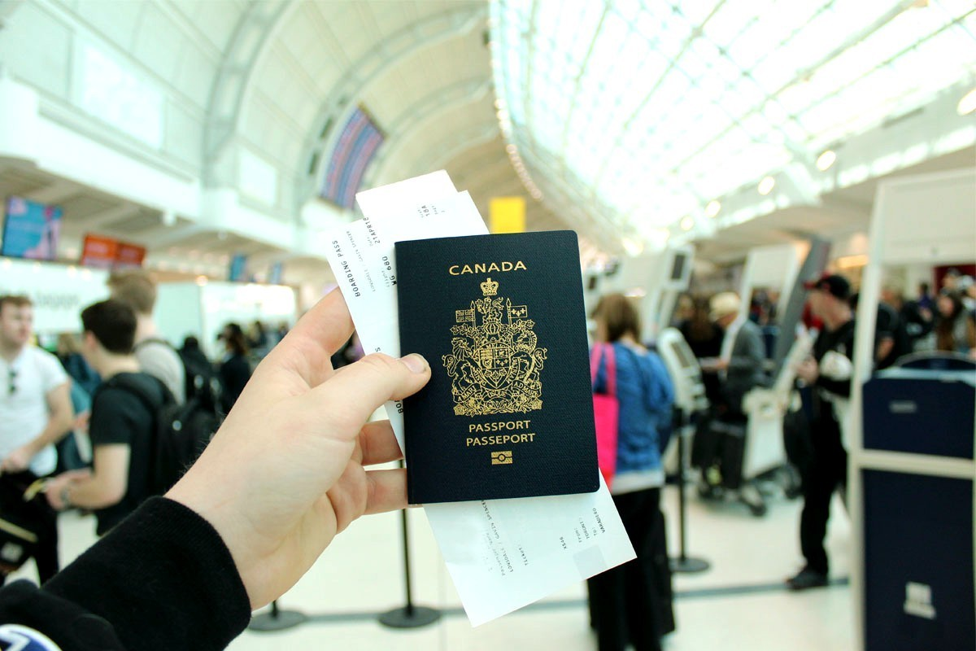
Travelling to Vietnam has become increasingly popular among Canadians, whether for leisure, business, or visiting family and friends. However, visa requirements can still cause unnecessary stress, particularly when arriving through …