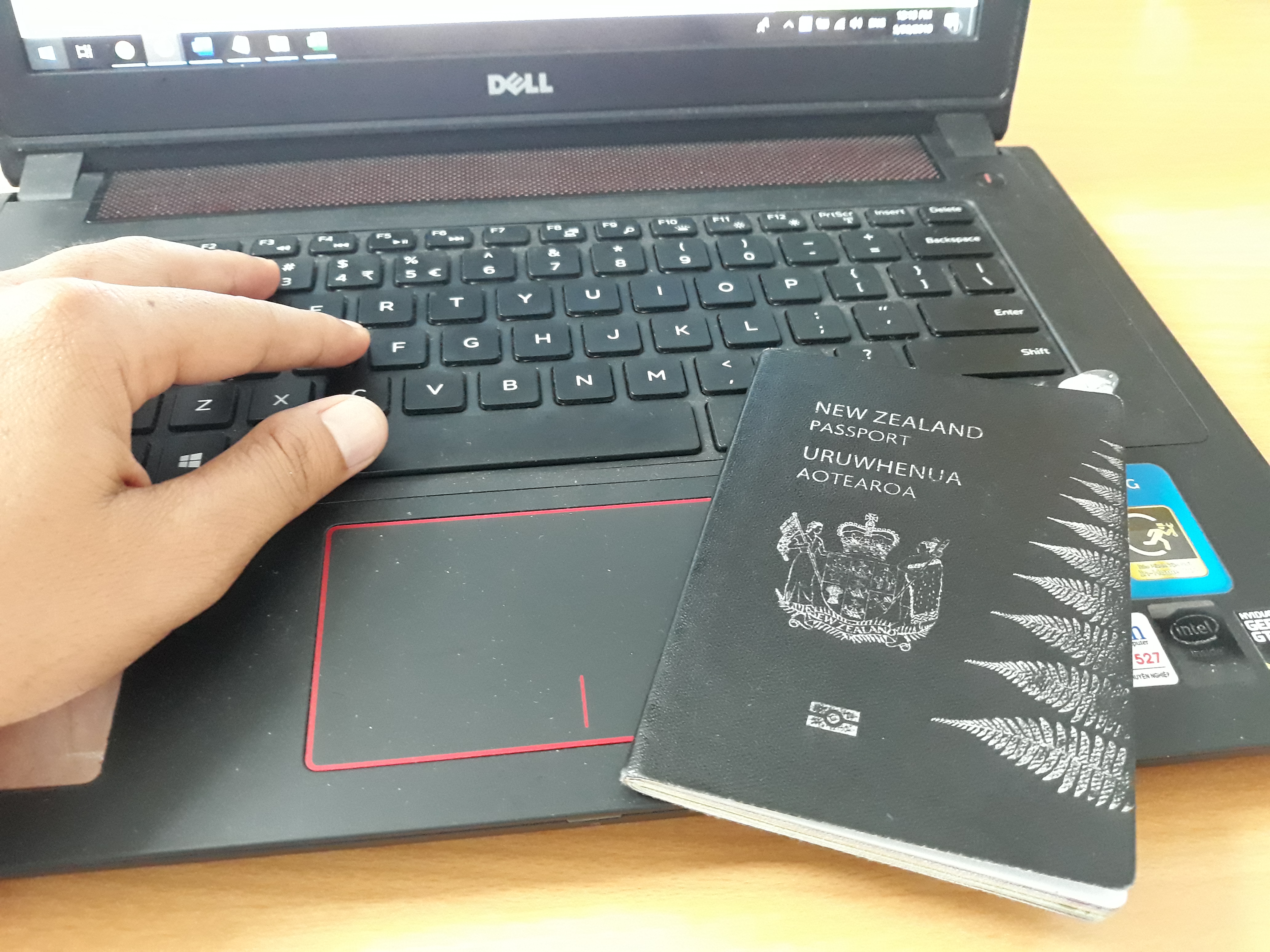
Applying for a Vietnam digital visa from New Zealand may look straightforward because the process is handled online, but the application becomes much easier when you know exactly what to prepare and in what order to do it. Many travellers do not struggle with the idea of applying online; the uncertainty usually begins with the details. Which passport should you use? What digital files need to be prepared? Should you choose single or multiple entry? Which travel information should be confirmed before opening the application? What needs to be checked before submission, and what should you do once the visa has been issued? For New Zealand passport holders, these questions matter because a simple typing mistake, an unclear passport image or an entry arrangement that does not match the actual itinerary can create unnecessary complications. The most practical approach is therefore to treat the application as a sequence rather than simply an online form. This guide walks New Zealand travellers through the Vietnam digital visa application process step by step—from preparing the passport and electronic documents to completing the application, uploading files, reviewing the information, waiting for processing and checking the issued visa before travelling to Vietnam.
New Zealand passport holders can apply for Vietnam’s electronic visa, referred to throughout this guide as the digital visa. Under the current policy, the visa can be issued for a validity period of up to 90 days and may allow either single or multiple entry, depending on the application and final approval.
The main advantage for New Zealand travellers is that the application process can be handled online. Instead of beginning with a visit to a physical visa office, travellers can prepare their information and documents electronically, submit the application online and receive the visa result digitally.
For someone who wants to understand the process before beginning, the overall sequence can be summarised as follows:
The process itself is not particularly difficult. The key is completing the steps in the right order and checking the information carefully rather than rushing through the application because it is online.
The first step in the Vietnam digital visa application process is deciding which passport will actually be used for the journey. For most New Zealand travellers this sounds obvious, but it becomes important if a passport is approaching replacement, has recently been renewed or the traveller holds more than one travel document.
The information entered into the application should come from the passport you intend to present when travelling to Vietnam. Do not rely on saved notes or memory when entering important passport details. Keep the physical passport beside you while completing the application so the information can be copied and checked directly.
Before moving to the next step, pay particular attention to:
If you know the passport is likely to be replaced before departure, it is better to consider that issue before submitting the digital visa application. The visa information and the passport used for travel need to correspond appropriately, so changing the travel document after arranging the visa can create complications that are easier to avoid at the beginning.
This is why the application process should start with the passport rather than the online form. Once you know exactly which travel document you are using, every later stage becomes easier to complete consistently.

The next step is to prepare the electronic files required for the application. Doing this before opening the application is more efficient than stopping halfway through the form to photograph a passport or search through your phone for a suitable portrait.
The two files New Zealand travellers should be particularly ready to provide are the passport data-page image and an appropriate portrait photograph. Both should be prepared according to the requirements shown during the application process.
For the passport image, check that:
For the portrait, make sure it is a recent, clear image and follows the relevant requirements presented during the application. Avoid selecting a file simply because it happens to be the first portrait stored on your device.
After preparing both files, open them once before starting the application. A photograph that looks fine as a small thumbnail can reveal blur or glare when viewed at full size. This simple check can prevent an avoidable document-quality issue later in the process.
Before completing the application, take a few minutes to organise the key details of your Vietnam itinerary. You do not need to turn this into a complicated travel-planning exercise, but you should know enough about the trip to enter the requested information accurately.
Depending on the information requested during the application, useful details to have ready can include:
The last point is particularly important because it determines whether single or multiple entry may be appropriate. A traveller who has not thought through the complete itinerary can easily select an entry arrangement that does not reflect the actual journey.
New Zealand travellers frequently combine Vietnam with destinations such as Thailand, Singapore, Cambodia, Malaysia or other countries in the region. If your Vietnam trip forms part of a larger Asian itinerary, look at the entire route before filling out the application rather than considering only the first flight into Vietnam.
The goal is simple: by the time you open the application, your passport and digital documents should be ready, and the important parts of your itinerary should already be clear.
One of the easiest parts of the application to misunderstand is the difference between visiting multiple places and entering Vietnam multiple times.
Suppose your itinerary is:
Auckland → Ho Chi Minh City → Da Nang → Hanoi → Auckland
You enter Vietnam in Ho Chi Minh City and remain inside the country while travelling to Da Nang and Hanoi. Although you visit several destinations, you have only entered Vietnam once.
Now consider:
Auckland → Ho Chi Minh City → Bangkok → Hanoi → Auckland
This journey is different. You enter Vietnam in Ho Chi Minh City, leave Vietnam for Thailand and later return to Vietnam through Hanoi. The itinerary therefore involves entering Vietnam more than once, making the distinction between single and multiple entry important.
Before selecting your entry arrangement, ask yourself:
Do not count the number of Vietnamese cities you plan to visit. Count how many times you actually enter the country.
Under the current digital visa framework, applications can be made for single or multiple entry. The appropriate choice should be based on your real itinerary and the conditions ultimately granted on the issued visa.
Once your passport, digital documents and itinerary are ready, you can begin completing the online application. This is the central stage of the Vietnam digital visa application process for New Zealanders.
Rather than treating the application as one long form, it is easier to think about the information in groups.
Personal information
Enter the requested identity information carefully. Details such as your name and date of birth should be based on the passport rather than typed from memory.
Passport information
Copy the relevant passport information directly from the travel document you will use for Vietnam. Passport numbers deserve particular attention because a single incorrect character can create a mismatch.
Travel information
Enter the requested dates and itinerary information according to the journey you genuinely intend to make. If the application asks for an intended entry point or related travel information, make sure it corresponds with your current plan.
Entry arrangement
Select the appropriate option based on whether the itinerary requires one entry or more than one. Refer back to the complete route rather than deciding based only on the first flight.
Contact information
Use contact details you can reliably access, particularly an email address you regularly monitor. Since the process is digital, being able to receive and review relevant information after submission is important.
New Zealand travellers who would like assistance preparing and submitting a Vietnam digital visa application can use:
The objective at this stage should not be to finish the form as quickly as possible. A few extra minutes spent entering accurate information can save considerably more time if a mistake would otherwise need to be addressed later.

You prepared the digital documents in Step 2; now it is time to attach the correct files to the application.
This distinction between preparing and uploading is useful because many mistakes happen when travellers have several similar files stored on the same device. You may have an older passport scan, several portrait photographs or images from previous travel applications. Selecting the wrong one can happen surprisingly easily.
When uploading, follow a simple check:
Do not assume that because a file uploaded successfully, it must automatically be the correct file. Successful upload only confirms that a file was attached; it does not replace your responsibility to verify its content.
This is one of the easiest stages to complete correctly when the files were prepared in advance, which is exactly why Step 2 should happen before the application begins.
Before submitting, stop entering new information and switch into verification mode.
This is one of the most valuable stages of the entire process. Instead of rereading the application casually, compare the important fields directly against the source they came from. Passport information should be compared with the physical passport, while travel information should be compared with your actual itinerary.
A useful final review should include:
If you are travelling on a multi-country itinerary, look at the route once more and make sure your entry arrangement still makes sense.
For example, if the original plan was Auckland → Ho Chi Minh City → Hanoi → Auckland but you later added Bangkok between Ho Chi Minh City and Hanoi, the entry requirements of the itinerary have changed because you now plan to leave Vietnam and return.
A five-minute review before submission can be much more valuable than trying to resolve a preventable error later. Online applications encourage speed because everything is immediately accessible, but immigration documents reward accuracy.
Once you are satisfied that the application is accurate, it can be submitted according to the applicable procedure.
After submission, keep the relevant information connected to the application. Do not assume you will remember everything several days later, particularly if you are simultaneously arranging flights, hotels, travel insurance and other parts of the trip.
Depending on the application process being used, useful information to retain can include relevant application or reference details, confirmation information and any correspondence associated with the submission.
It is also sensible to:
Submitting the application is therefore not the final step. It marks the transition from preparation to processing.
For travel planning, New Zealand applicants can commonly allow approximately 3–5 working days for a straightforward Vietnam digital visa application. This should be treated as a practical planning estimate rather than a guaranteed processing deadline.
The distinction between working days and calendar days matters. A weekend or public holiday can affect how you should calculate the available time before departure. An application requiring additional checking, information or correction can also take longer than a straightforward case.
This is why applying early is much safer than relying on the fact that the application itself is digital. An online form may take only a short time to complete, but that does not mean official processing is instantaneous.
If your travel dates are already confirmed, build a reasonable buffer between the application and your flight. This gives you room to respond if something needs attention and reduces the likelihood that an ordinary administrative issue turns into a stressful last-minute problem.
The digital format makes the application more convenient. It does not make visa approval automatic, nor does it guarantee that every application will be completed within an identical timeframe.
When the visa result becomes available, do not treat “approved” as the point where checking stops.
Open the issued visa and compare the important information with both your passport and your itinerary. The objective is to discover any concern while you still have time to deal with it rather than at the airport.
Check at least the following:
If you requested an arrangement for a multi-country trip, make sure the issued visa supports the entry pattern you need. If your travel dates changed after the original application, compare the final itinerary against the actual visa validity rather than assuming the document will automatically cover the revised plan.
The visa result is an official travel document, so this final check deserves the same attention you gave the application itself.

After the visa has been issued and checked, the application process moves into travel preparation.
Keep the visa readily accessible for the journey and travel with the passport connected to the application. Do not leave the first serious review of your visa until you are already checking in for a flight from Auckland, Wellington, Christchurch or another departure point.
Before leaving for the airport, confirm that:
This final stage completes the application journey: you have moved from preparing information to submitting it, waiting for processing, verifying the result and getting ready to use the visa for actual travel.
Because the main application procedure is online, New Zealand travellers do not need to structure an ordinary digital visa application around living in a particular New Zealand city simply to submit it electronically.
Whether you are in Auckland, Wellington, Christchurch, Hamilton, Dunedin, Queenstown or another part of the country, you can prepare the necessary information and digital files where you are and complete the relevant online stages.
This is especially useful for travellers who do not live close to diplomatic services. For an ordinary digital visa application, the online system removes the assumption that the first step must be travelling to a physical office just to hand over the application.
Other visa categories or individual circumstances can involve different procedures, but the important point for this guide is that the standard digital application is designed around electronic submission rather than the applicant’s proximity to a particular office.
A New Zealand passport holder does not necessarily need to be physically in New Zealand when preparing an online Vietnam digital visa application.
For example, a New Zealander may already be travelling in Australia, Singapore, Thailand or Japan when Vietnam becomes the next destination. Another traveller may be spending several months in Europe and decide to add Vietnam to the journey before returning home.
In these situations, nationality and physical location should not be confused. Being a New Zealand passport holder identifies the travel document and nationality relevant to the application; it does not mean every online step must be completed while physically sitting in New Zealand.
The passport used for the application remains crucial, however. If you expect to replace or renew that passport before travelling to Vietnam, take that into account before submitting the visa application.
The flexibility of an online process is valuable for international travellers, but consistency between the application, issued visa and passport used for travel remains essential.
Mistakes can happen during an online application, particularly when travellers are trying to complete it quickly.
Common areas that deserve attention include:
If you notice a problem before submission, correct it and perform the final review again. Do not assume that changing one field means everything else is still correct.
If the application has already been submitted, first understand the current status and the nature of the error. Avoid blindly submitting additional applications simply because you are worried. The appropriate response can depend on what information is wrong and where the application is in the process.
This is also where professional pre-checking can be useful for travellers who are uncomfortable assessing the application themselves. Preventing a problem before submission is generally much easier than discovering it when the flight is approaching.
Once the digital visa has been issued, the next practical question is where it can be used.
Vietnam permits digital visa holders to enter and exit through designated international checkpoints, including approved airports, land-border crossings and seaports. Major airports commonly used by international travellers include Noi Bai International Airport in Hanoi, Tan Son Nhat International Airport in Ho Chi Minh City, Da Nang International Airport, Cam Ranh International Airport and Phu Quoc International Airport.
For many travellers flying from New Zealand, the airport route is straightforward. However, someone combining Vietnam with Cambodia, Laos or another neighbouring country may plan to cross a land border, while cruise travellers may need to consider an approved seaport.
The important rule is not to assume that every possible crossing automatically supports digital visa entry. Check the intended checkpoint while planning the itinerary.
A detailed list of accepted entry points is available here:
This check belongs within the application process because your intended route should make sense before you submit the travel information, not only after the visa has already been issued.

The ideal application process starts early, but real travel does not always happen under ideal circumstances. A New Zealand traveller may discover the visa requirement later than expected, notice an application problem shortly before departure or still be waiting while a confirmed flight date approaches.
If you have already submitted an application, start by checking its current status and whether any additional information or correction has been requested. Do not immediately assume that starting again is the fastest solution.
Travellers who want professional assistance can use VietnamImmigration.com, a visa assistance service that supports applicants with document checking, application preparation and visa-related questions. For time-sensitive journeys, urgent processing assistance may also be available depending on the specific circumstances and available processing options.
Application assistance can be requested here:
The value of professional support is not that it can replace the immigration authority’s final decision. Rather, it can help travellers organise their documents, identify avoidable application issues and understand what options may be available when timing becomes important.
For that reason, urgent assistance should be treated as a solution for genuinely time-sensitive situations rather than a reason to deliberately postpone a normal application. If your New Zealand-to-Vietnam travel dates are already confirmed, applying early remains the more comfortable strategy.
For New Zealand passport holders, the Vietnam digital visa application process is easier to manage when it is treated as a clear sequence rather than a form that needs to be completed as quickly as possible.
The complete journey can be remembered as:
The most important lesson is that a digital process is convenient, but accuracy still matters at every stage. Prepare your documents before you begin, avoid guessing important travel information, review everything before submission and check the issued visa again before leaving New Zealand. When those steps are handled carefully, the Vietnam digital visa becomes a manageable part of planning the trip rather than a last-minute source of uncertainty.