You’ve just signed a new partnership deal with a company in Vietnam, and your flight leaves in a few days. Between meetings, deadlines, and travel prep, the last thing you …

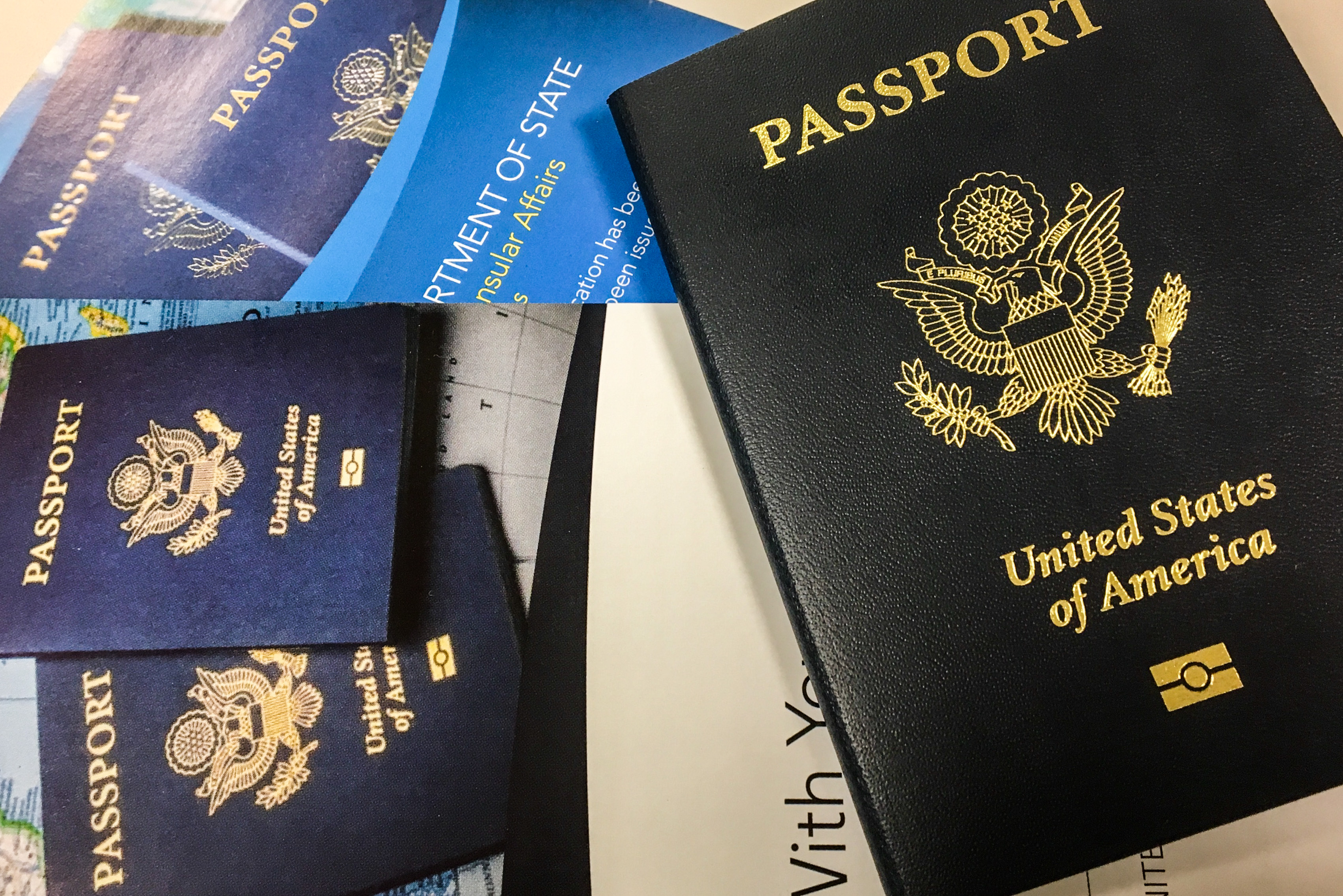
You have decided to visit Vietnam and already know that a digital visa can make the entry process much easier—but one practical question still stands between you and your trip: where exactly should an American obtain it? Do you need to visit a Vietnamese Embassy in the United States, can everything be handled online from home, and what happens if you are currently travelling outside America or your flight to Vietnam is getting close? The good news is that US passport holders are eligible for Vietnam’s digital visa system, and the application process can be handled online before travelling. This guide explains where Americans can obtain a Vietnam digital visa, how the online process works, what you should prepare before applying, where you can enter Vietnam after approval, and where to turn if you need assistance or your departure date is approaching.
American passport holders can obtain a Vietnam digital visa online before travelling to Vietnam. You do not need to live near a Vietnamese Embassy or consular office simply to begin a digital visa application.
Vietnam currently makes its electronic visa system available to citizens of all countries and territories, which includes US citizens. The visa can be issued for a period of up to 90 days and can permit either single or multiple entries, depending on the visa requested and ultimately granted.
This is an important distinction for American travellers because the word “visa” can make the process sound as though you need to find a physical office, arrange an appointment and submit your passport in person. A digital visa works differently. The application information and supporting documents are submitted electronically, allowing you to arrange the visa before leaving for Vietnam.
Vietnam officially refers to this form of authorization as an electronic visa, or e-Visa. Throughout this guide, the term Vietnam digital visa refers to that electronic visa. They should not be interpreted as two separate visa categories.
If you prefer assistance with your Vietnam digital visa application, you can submit your information here:
The important point is that you should arrange the appropriate visa before travelling to Vietnam. Do not leave the question of where to obtain your visa until you are already at the airport preparing to board your flight.

Yes. One of the main advantages of the Vietnam digital visa for American travellers is that the application process is designed to be handled electronically.
Think of the process as a sequence rather than a physical destination. You prepare your passport information and digital documents, complete the application online, upload the required files, submit the information and then monitor the application electronically. Once the visa is issued, you should carefully check the resulting document before travelling.
This makes the process particularly convenient for US travellers. Someone planning a Vietnam vacation from California does not need to travel across the country simply because a diplomatic mission is located elsewhere. The same principle applies to travellers living in Texas, Florida, Illinois, Colorado or another state. The digital format removes much of the geographic inconvenience associated with traditional in-person visa procedures.
However, “online” should not be interpreted as “automatic”. Your application still contains immigration information that needs to be accurate. The convenience of submitting information electronically does not reduce the importance of checking your passport number, name, travel dates, entry arrangements and uploaded documents.
For that reason, the best place to start is not necessarily the moment you have five spare minutes before a flight. Prepare the necessary information first, then complete the application carefully. A digital process is convenient precisely because it allows you to organize everything in advance.
For an ordinary Vietnam digital visa application, Americans do not generally need to visit a Vietnamese Embassy simply to submit the electronic application.
This is one of the most common points of confusion for first-time visitors. Travellers may search for “Vietnam visa in the USA” and immediately assume that they need to find the nearest Embassy or consular office. That may be relevant for other consular matters or visa circumstances, but it is not how you need to approach a standard digital visa application.
The digital visa system exists specifically to allow eligible foreign travellers to handle the application electronically. US citizens fall within Vietnam’s current electronic-visa eligibility policy because electronic visas are available to citizens of all countries and territories.
This means that your first question should not be, “Where is the nearest Vietnamese Embassy?” Instead, it should be, “Do I qualify to use the online digital visa process, and do I have the documents ready to submit it correctly?”
For most American tourists using this visa route, that shift makes the process much simpler. You can prepare your application from home, from your office or while arranging the rest of your trip, rather than treating the visa as something that necessarily requires a separate physical visit.
Your state of residence does not create a different Vietnam digital visa procedure.
Whether you live in New York, California, Texas, Florida, Washington, Nevada, Massachusetts or another part of the United States, you can prepare a Vietnam digital visa application online as long as you satisfy the applicable conditions.
Consider two travellers. One lives in Los Angeles and another lives in a small town far from any Vietnamese diplomatic mission. For a digital visa application, their physical distance from an Embassy does not mean they need two fundamentally different online processes. Both can prepare the required information electronically before travelling.
This is especially useful in a country as geographically large as the United States. A visa process that depended on visiting one particular physical location could add considerable time and expense to a trip before it even started. The digital system largely removes that problem for eligible travellers.
What matters much more than your US address is the accuracy of the passport and travel information used in the application. Your visa is connected to your identity and travel document, not to whether you live on the East Coast, West Coast or somewhere in between.
So, if your concern is where in America you need to go to obtain the digital visa, the practical answer is simple: you can start the process online without travelling to a particular US city just to submit a standard digital visa application.

Being an American citizen and physically being in the United States are two different things.
Imagine you hold a US passport but are currently spending several weeks in Australia. Or perhaps you are travelling through Thailand, Singapore or Europe and Vietnam will be the next destination on your itinerary. The phrase “Vietnam digital visa for Americans” refers primarily to your nationality and passport rather than requiring you to return to American soil simply to begin preparing the application.
This distinction is particularly useful for long-term travellers and people taking multi-country trips. A traveller might leave the United States before finalising every part of a Southeast Asian itinerary and later decide to add Vietnam to the journey. The digital application format makes it possible to deal with the visa without treating the United States as the only place from which an American passport holder can prepare an online application.
What you should pay close attention to is the passport being used. The passport information entered into your visa application needs to correspond with the travel document you will actually use for Vietnam.
If you are planning to renew or replace your passport before reaching Vietnam, take that into account before submitting the visa application. Avoid creating a situation in which the visa is associated with passport information that no longer corresponds with the document you intend to present during your journey.
US passport holders are covered by Vietnam’s current electronic visa policy. Vietnam expanded its electronic visa availability to citizens of all countries and territories, so American citizens can use the digital visa route when they meet the applicable immigration conditions.
For ordinary travellers, this makes the digital visa a practical option for many common Vietnam trips. It is particularly convenient for tourists who want to arrange their entry authorization before departure without building an Embassy visit into their travel preparations.
The digital visa also offers useful flexibility. Under the current policy, Vietnam’s electronic visa can be valid for up to 90 days and can be issued for single or multiple entry.
The words “up to” are important. Do not assume that every approved visa automatically gives every traveller a full 90-day period beginning whenever they arrive. Your actual travel must fit the validity and conditions shown on the visa that is issued.
Similarly, choose single or multiple entry according to your real itinerary. If you fly from San Francisco to Hanoi, travel through Vietnam and then return directly to the United States, a single-entry visa may be sufficient. But if you fly from New York to Ho Chi Minh City, leave Vietnam for Bangkok and then return to Hanoi before flying home, your itinerary involves entering Vietnam more than once and you should choose accordingly.
Once you know where to obtain the visa, the next step is making sure you have the necessary information ready.
Start with the US passport you actually intend to use for the trip. Do not casually copy passport information from an old photo or rely on memory. Have the passport in front of you when completing important identity fields.
Prepare a clear digital image of the passport information page. The page should be readable, complete and free from blur or excessive glare. Avoid cropping away important areas of the passport, particularly the machine-readable information at the bottom of the page.
You will also need a suitable recent portrait photograph. Use a clear image that accurately represents your current appearance. The face should be easily visible, and you should follow the photo requirements displayed during the application process.
Your travel information is equally important. Before applying, have a reasonable idea of when you intend to arrive in Vietnam, how long you plan to stay and where you intend to enter the country.
You should also have an active email address that you can access reliably. Because this is a digital process, being able to monitor application-related information is important.
The easiest approach is to gather your passport, passport image, portrait, itinerary and contact information before opening the application. That turns the application into a controlled process rather than a scramble to find documents halfway through.
Once your documents are ready, the actual online process becomes much easier to manage.
Step 1 — Check the passport you will use. Confirm your complete name, passport number, nationality, date of birth and passport validity. Use the same passport for the application and your Vietnam trip.
Step 2 — Prepare your documents. Have a clear passport data-page image and a suitable recent portrait ready before beginning.
Step 3 — Access the application page. Travellers who want assistance with their application can submit their Vietnam visa information here:
Step 4 — Complete your personal information. Enter all identity and passport details carefully. A one-character mistake in a passport number is not the kind of typo you want to discover when your departure is approaching.
Step 5 — Add your travel details. Enter your planned Vietnam dates and relevant entry information. If you intend to leave Vietnam and return during the same journey, make sure you have selected the appropriate entry type.
Step 6 — Upload the required files. Check that you are uploading the correct passport image and portrait and that both are clear.
Step 7 — Review everything before submission. Compare the information with your passport rather than simply rereading what you typed. Check your name, passport number, nationality, date of birth, travel dates and entry arrangements.
Step 8 — Submit and monitor the application. Save relevant application information after submission and continue monitoring the process. If information needs to be corrected, address it carefully.
Once the digital visa is issued, do one more review before travelling. Approval is the moment to check your document—not the moment to stop looking at it.

Not every traveller wants to handle every part of an immigration application alone.
Some Americans are comfortable preparing documents, entering all information and monitoring the process themselves. Others would rather have experienced support available to review documents and help manage the application, particularly when they are unfamiliar with Vietnam’s visa process.
For travellers who prefer assistance, VietnamImmigration.com provides Vietnam visa application support. You can submit your application information here:
Professional assistance can be useful when you want another layer of document checking before proceeding. A passport image that is unclear, an incorrectly entered passport number or travel information that does not match the intended itinerary can create problems that are much easier to address before submission than shortly before departure.
Assistance can also be valuable for travellers whose itinerary is more complicated—for example, those visiting several Southeast Asian countries and needing to determine whether their Vietnam portion requires single or multiple entry.
The objective is not to make a relatively straightforward digital process sound difficult. It is to make it predictable. If you are comfortable completing the process yourself, prepare carefully and allow sufficient time. If you prefer support, choose assistance early enough for it to be useful rather than waiting until the final hours before departure.
For travel planning, a Vietnam digital visa is commonly expected to take approximately 3–5 working days for a straightforward application. Treat this as a normal planning estimate rather than a guaranteed deadline.
The distinction between working days and calendar days matters. A traveller who submits close to a weekend or holiday should not automatically count every following day as a processing day.
Applications can also take longer when information needs additional review or correction. If you are asked to modify something, respond carefully. Correcting one problem by introducing another error will not make the process faster.
This is why the best time to obtain your Vietnam digital visa is well before you need to board the plane. Even when an ordinary application is processed smoothly, leaving extra time gives you a buffer for corrections, travel-plan changes or other unexpected issues.
If your trip is still weeks away, use that advantage. Submit early, monitor the application and check the issued visa carefully. There is little benefit in intentionally waiting until your travel date becomes a deadline.
Knowing where to obtain your visa is only half of the location question. You should also know where you can use it to enter Vietnam.
Vietnam designates international border checkpoints through which digital visa holders can enter and exit. These include airports, land-border crossings and seaports. Vietnam expanded the approved list in late 2025, and the Embassy of Vietnam in the United States reported in May 2026 that the current total had reached 83 international checkpoints: 17 airports, 27 land-border checkpoints and 39 seaports.
For many American tourists arriving on international flights, major gateways make the process relatively straightforward. Approved airports include important destinations such as Noi Bai in Hanoi, Tan Son Nhat in Ho Chi Minh City, Da Nang, Cam Ranh and Phu Quoc.
The issue becomes more important if you are planning an overland Southeast Asian trip, entering through a less commonly used airport, or arriving by sea. Do not assume that every possible border crossing handles digital visa entry simply because you possess a valid visa.
You can review more detailed information about Vietnam digital visa entry points here:
Check your planned checkpoint before finalising complicated transportation arrangements. It is far easier to adapt an itinerary while planning from the United States than to discover a mismatch at a border crossing.
This is usually when “where to obtain a Vietnam digital visa” stops being a general travel-planning question and becomes urgent.
Your flight is booked. Accommodation is confirmed. Perhaps other flights within Asia are already paid for. But your departure is approaching and the visa is not ready.
First, determine what is happening with your existing application. Check whether it is still processing or whether additional information or correction has been requested. Do not immediately assume that submitting another application will solve the problem.
If a correction is required, deal with it carefully. When travellers are under time pressure, there is a temptation to type quickly and submit immediately. But introducing another incorrect passport number, date or document can make an already stressful situation more complicated.
If your departure is getting close and you need professional assistance, VietnamImmigration.com offers visa-support services for travellers who need help with application handling, document checking and available urgent-processing options.
You can request Vietnam visa assistance here:
Urgent assistance is most useful when you act while there is still time to assess the situation. No traveller should deliberately leave a visa application until the final moment on the assumption that an expedited option will always solve the problem.
If your Vietnam trip is already confirmed, deal with the visa as one of the first essential travel documents. The earlier you identify a problem, the more room you have to address it.
For American passport holders, obtaining a Vietnam digital visa does not need to begin with a trip to a physical visa office. The process can be handled online before departure, whether you live in California, New York, Texas or elsewhere in the United States—and being an American citizen does not mean you must physically return to the US simply to prepare an online application.
The best approach is straightforward: obtain the visa online well before your trip, prepare your passport and digital documents carefully, select single or multiple entry according to your actual itinerary, and verify the issued visa before flying. If you prefer help with the process or your departure date is getting close, seek assistance early rather than waiting until the visa becomes a last-minute emergency. Once the paperwork is settled, you can stop searching for where to obtain your Vietnam digital visa and start focusing on where you want to go once you arrive.
You’ve just signed a new partnership deal with a company in Vietnam, and your flight leaves in a few days. Between meetings, deadlines, and travel prep, the last thing you …
If Vietnam is on your travel radar this year — from the ancient streets of Hoi An to the vibrant pulse of Ho Chi Minh City — you’ll need a …