Have you just booked a last-minute trip to Vietnam only to realize you still don’t have a visa? Or maybe your business schedule changed unexpectedly, and now you’re scrambling to …

Many Americans plan trips to Hanoi, Hoi An, or Ho Chi Minh City assuming they can enter Vietnam without a visa. Some only discover at airline check-in that a U.S. passport does not normally qualify for visa-free entry. This guide gives you a clear answer, explains the limited Phu Quoc exemption, and shows you how to choose and apply for the right Vietnam visa before your departure.
No. Vietnam is not generally visa-free for American tourists. U.S. passport holders normally need an approved visa before traveling to Vietnam.
The United States is not included in Vietnam’s standard tourist visa-exemption arrangements. Most American visitors must therefore obtain a valid visa before checking in for their flight.
The U.S. Department of State advises American travelers that a visa is required before travel, except for eligible stays of no more than 30 days on Phu Quoc Island only.
It is also important not to confuse Visa on Arrival with visa-free entry. Visa on Arrival does not normally mean that you can simply fly to Vietnam without prior documents and request a tourist visa after landing. Where this option is available, approval paperwork generally needs to be arranged before departure.
Immigration rules can change, so always confirm the latest requirements before booking nonrefundable travel.

A limited visa-free exception may apply to American tourists visiting Phu Quoc Island only.
You may qualify when:
The exemption does not allow you to continue to Hanoi, Da Nang, Ho Chi Minh City, Hoi An, or another part of Vietnam without an appropriate visa.
Your flight route also matters. If you must clear Vietnamese immigration at another airport before connecting to Phu Quoc, do not automatically assume that the exemption will apply.
Los Angeles → Singapore → Phu Quoc
The traveler stays on Phu Quoc for 10 days and then flies directly to another country.
Los Angeles → Ho Chi Minh City → Phu Quoc
Phu Quoc → Ho Chi Minh City → United States
In both cases, the itinerary involves entering or traveling through another part of Vietnam, so the traveler should obtain a suitable visa in advance.
Vietnam’s entry rules are often misunderstood for several reasons.
Some nationalities receive visa-free stays for a limited period, but the same benefit does not automatically apply to U.S. passport holders.
Travelers may also assume that visa policies are similar across Southeast Asia. In reality, each country has its own rules, eligible nationalities, and permitted lengths of stay.
Other common sources of confusion include:
The safest approach is to check the rules that apply specifically to your passport and complete itinerary.
For most American tourists, the Vietnam eVisa is the most convenient option.
The application can be completed online while the traveler is outside Vietnam. An eVisa may be issued for up to 90 days with either single or multiple entries. The exact validity period and number of permitted entries will appear on the approved document.
A single-entry eVisa is usually suitable when you:
A single-entry visa becomes unusable after you leave Vietnam, even when the printed expiration date has not yet passed.
A multiple-entry eVisa is a better choice when you:
Review your full itinerary before choosing. A traveler who leaves Vietnam and intends to return should not rely on a single-entry visa.

Prepare the required documents before opening the application form.
Use the same passport that you will carry during your trip. Its information must match the visa application exactly.
Your passport should have sufficient remaining validity for the journey. Many airlines and travel providers recommend at least six months of validity from the intended arrival date.
Upload a clear image of the passport’s biographical page.
Make sure:
Provide a recent, front-facing portrait against a simple background. The official application guidance requires a straight-facing photograph without glasses.
Do not upload a group photo, travel picture, heavily edited selfie, or blurred image.
You will also need:
Check that every name, date, and passport number matches the passport exactly.
The process is straightforward when you complete each step carefully.
Before beginning, gather:
Preparing everything in advance reduces the chance of entering inconsistent details.
Enter all personal information exactly as it appears in your passport.
Pay particular attention to:
Do not use a nickname or leave out a middle name that appears in your passport.
Travelers who would like their documents and application details reviewed before submission can apply through https://www.vietnamimmigration.com/apply-vietnam-visa/. Professional checking can help identify common image, passport, and itinerary errors before they affect the application.
The official government eVisa fee is currently:
The government fee is generally not refunded if the application is refused. Private assistance or expedited processing may involve a separate service charge.
Keep your payment confirmation, registration code, and application email.
Use your registration information to check the status of your application.
If additional documents or corrections are requested, respond as soon as possible. Waiting too long may delay the result.
Once approved, download the full visa document and compare it with your passport.
Check:
Request assistance immediately if you notice an error. Do not wait until you reach the airport.
Carry both:
Keep the printed copy in your carry-on baggage, as airline staff may request proof of entry authorization during check-in.

The official immigration portal states that an eVisa application is generally processed within three working days. However, travelers should allow additional time in case corrections or further review are required.
| Processing option | Estimated timeframe |
|---|---|
| Standard processing | Approximately 3–5 working days |
| Urgent assistance | Approximately 1–2 working days |
| Emergency assistance | Potentially 2–8 hours for eligible cases |
Urgent and emergency timeframes are service estimates rather than guaranteed government processing times.
Actual processing may depend on:
Apply as early as possible. Ideally, leave at least one or two weeks between your application and departure.
American tourists can apply independently, but professional assistance may be useful for first-time applicants, families, complicated itineraries, or travelers with limited time before departure.
A professional visa service may help with:
For professional document review and time-sensitive visa support, travelers can submit their information at https://www.vietnamimmigration.com/apply-vietnam-visa/.
Professional assistance can reduce avoidable mistakes, but no private agency makes the final visa decision. Approval remains under the authority of Vietnam’s immigration authorities.
Vietnam is not generally visa-free for American tourists. Most U.S. passport holders must obtain an approved visa before departure.
The limited Phu Quoc exemption may apply to eligible travelers who remain exclusively on the island for no more than 30 days, but it does not cover wider travel through Vietnam.
For most American visitors, an eVisa is the most practical option. It can provide up to 90 days of validity with single or multiple entries, depending on the approved application.
Apply early, enter every passport detail accurately, and inspect the approved visa before your flight. Travelers who need document checking or urgent support can visit https://www.vietnamimmigration.com/apply-vietnam-visa/ for assistance.
Have you just booked a last-minute trip to Vietnam only to realize you still don’t have a visa? Or maybe your business schedule changed unexpectedly, and now you’re scrambling to …
Is there really such a thing as an express Vietnam tourist visa? Can a U.S. citizen receive a visa when a flight is only a day or even a few …
If you’re a U.S. traveler planning a trip to Ho Chi Minh City, figuring out Vietnam’s visa requirements can feel overwhelming. The process may seem complicated at first, especially if …
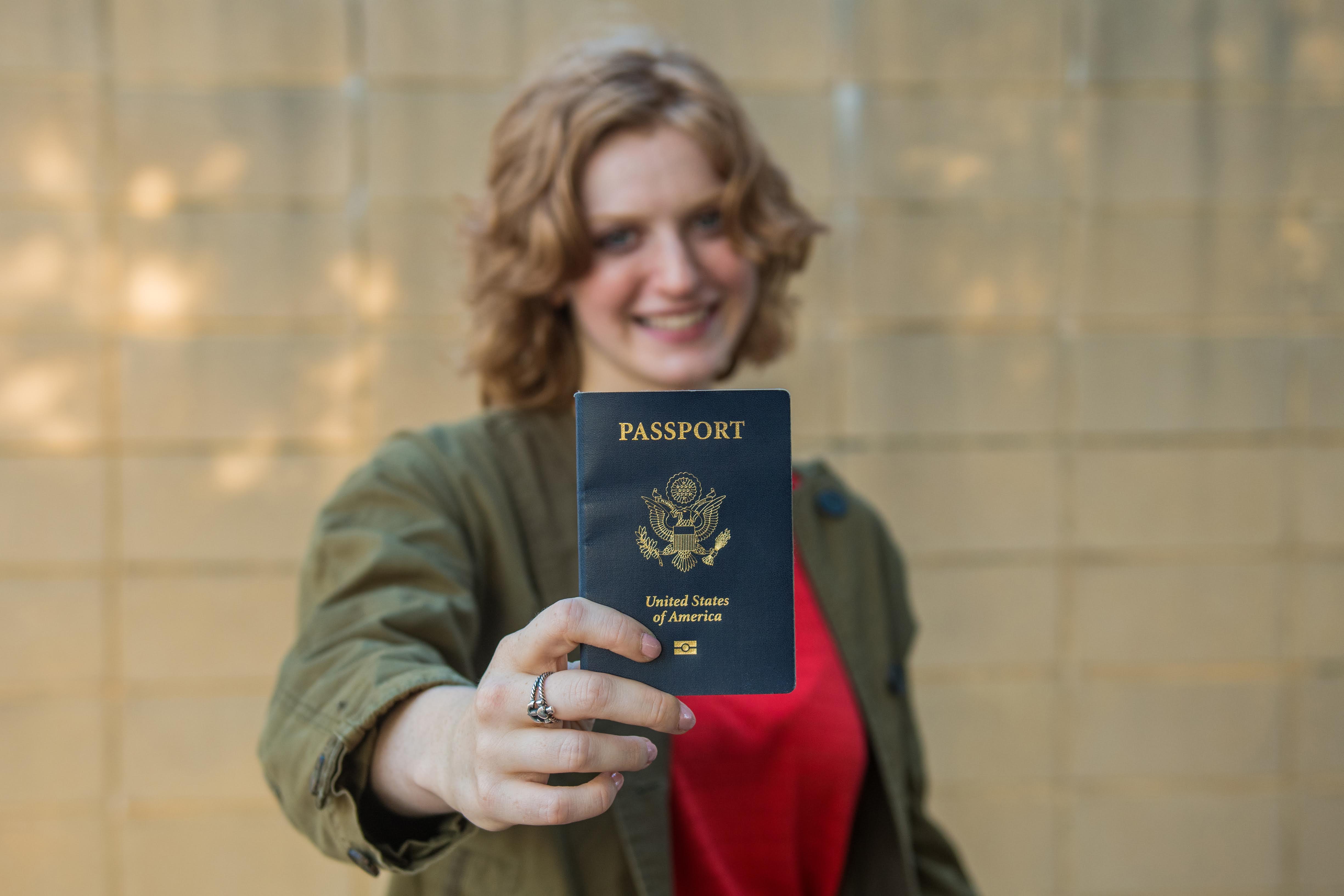
In , if you’re a US citizen planning a trip to Vietnam, one of your first big decisions will be: should you apply for a visa through the traditional embassy …
Planning a trip to Vietnam in ? If you’re a U.S. passport holder, you’ll be glad to know that getting a Vietnam visa has never been easier. Thanks to Vietnam’s …
Understanding Vietnam’s Visa on Arrival system is essential for U.S. travelers because a missing approval letter, incorrect documents, or misunderstandings about VOA rules can easily lead to airport delays or …
Thinking about traveling from the U.S. to Vietnam but not sure how to handle the visa process? You’re definitely not alone. Many American travelers get stuck trying to figure out …