If you’re a U.S. traveler planning a trip to Ho Chi Minh City, figuring out Vietnam’s visa requirements can feel overwhelming. The process may seem complicated at first, especially if …

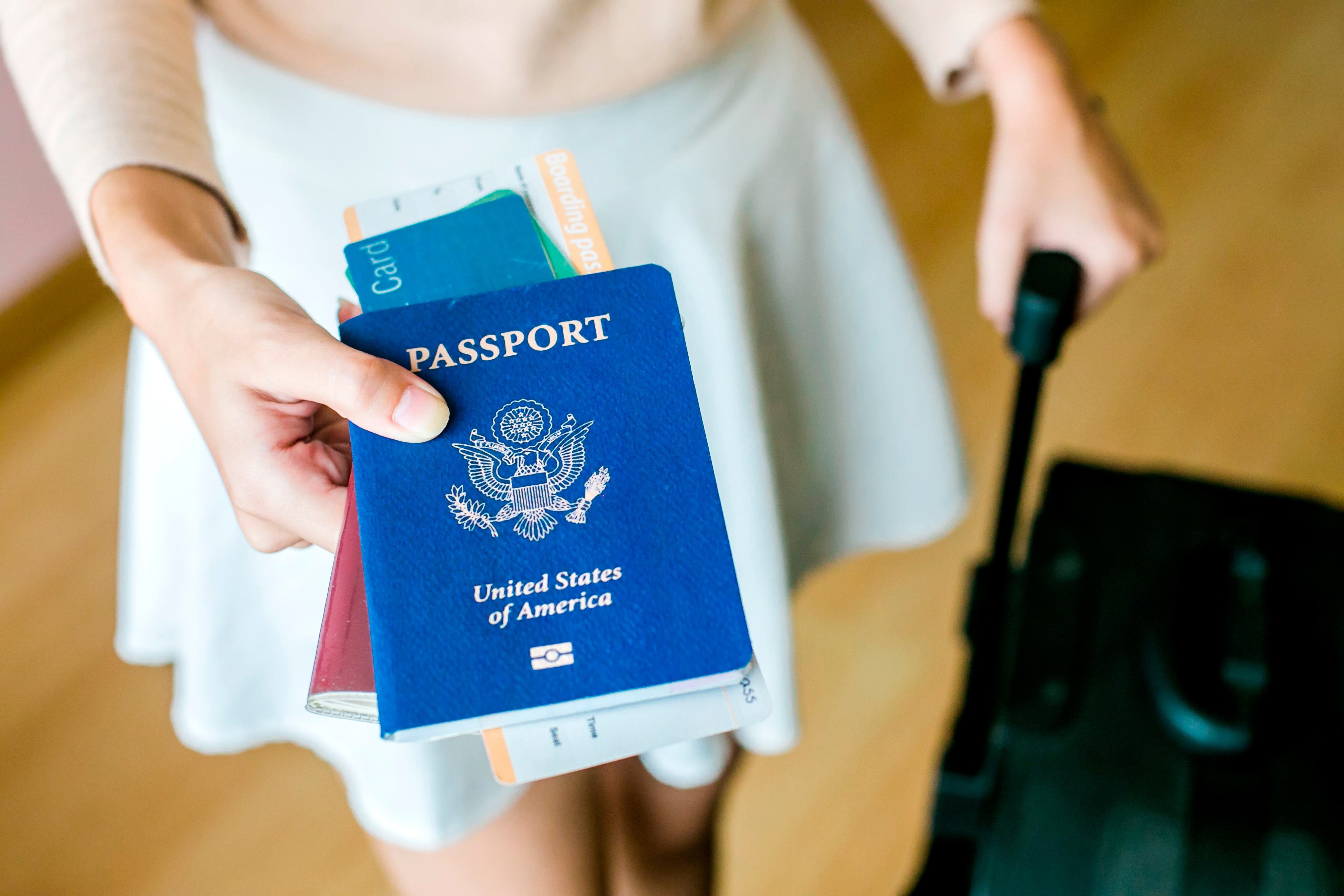
Is there really such a thing as an express Vietnam tourist visa? Can a U.S. citizen receive a visa when a flight is only a day or even a few hours away? These questions often arise at the most stressful possible moment—after airfare has been purchased, hotels have been booked, and an entire Vietnam itinerary has already been planned. Many American travelers assume they can enter Vietnam without arranging a visa in advance, only to discover shortly before departure that a valid travel authorization is generally required.
Fortunately, U.S. passport holders can apply for an expedited Vietnam tourist visa service when standard processing no longer fits their travel schedule. Provided that the application is complete, the supporting documents are clear, and the applicant selects an appropriate processing option, an urgent case may be handled much faster than an ordinary application. In some circumstances, the result may be available within several hours. However, an express visa should not be mistaken for a completely different immigration document. It is generally the same legally valid tourist eVisa, but the application is prioritized for faster handling.
This guide explains the process from the perspective of travelers departing from the United States. It covers whether Americans need a visa, how normal and express processing differ, which documents must be prepared, what mistakes commonly cause delays, and how to submit an online application correctly. Whether you are traveling from New York, Los Angeles, San Francisco, Chicago, Houston, Seattle, Miami, or another U.S. city, understanding the visa process before departure can protect your flights, hotel reservations, tours, and other travel plans. If your trip is approaching quickly, the information below will help you identify the most practical route toward securing an express tourist visa to Vietnam from the United States.
In most situations, American citizens must obtain a valid visa before traveling to Vietnam. A regular U.S. passport does not provide general visa-free access for tourism throughout the country. Therefore, an American planning to visit Hanoi, Ho Chi Minh City, Da Nang, Hoi An, Nha Trang, Ha Long Bay, Hue, or other destinations should normally arrange the appropriate travel authorization before boarding a flight.
The requirement applies even when the planned vacation is relatively short. Travelers should not assume that a one-week or two-week visit automatically qualifies for visa-free entry. Airlines may inspect immigration documents during check-in, and a passenger who cannot demonstrate that they meet Vietnam’s entry requirements may encounter difficulties boarding the aircraft.
One limited exception may apply to travelers visiting Phu Quoc Island under the island’s specific visa-exemption conditions. A foreign visitor may qualify when entering Phu Quoc directly, remaining for no more than 30 days, and keeping the entire stay within the qualifying island itinerary. However, this exception should not be treated as permission to travel freely throughout mainland Vietnam.
For example, an American traveler who intends to arrive in Phu Quoc and later continue to Ho Chi Minh City, Hanoi, Da Nang, or another Vietnamese destination should obtain an appropriate visa before traveling. Anyone planning a multi-city vacation will generally find that securing a Vietnam tourist visa in advance is the safer and more flexible option.
For most U.S. tourists, the Vietnam electronic visa, commonly known as the eVisa, is the most convenient application route. Vietnam’s current national eVisa system is available to citizens of all countries and territories, and an approved eVisa may be valid for up to 90 days with either single or multiple entries, depending on the application and approval.
The online format is especially useful for American travelers because it removes the need to visit an embassy or consulate in person. Applicants can provide their personal details, upload the required images, complete payment, and later receive the result electronically. The Vietnamese Embassy in the United States also identifies the Immigration Department’s eVisa route as an available application option.
An eVisa is popular not only because it can be requested online, but also because the supporting documentation is relatively manageable. A traveler normally prepares a valid passport, a recent portrait photograph, an image of the passport information page, an email address, and basic details about the intended trip.
Still, a straightforward online form can create problems when completed carelessly. A misspelled name, an incorrect passport number, the wrong arrival date, or a low-quality image may interfere with processing. The information on the application should match the passport exactly, including the order and spelling of the applicant’s name.
Travelers should also select an entry point that is accepted for eVisa use and consistent with their actual itinerary. Vietnam maintains an approved list of international airports, land borders, and seaports that accept eVisa holders. Major airports such as Noi Bai, Tan Son Nhat, Da Nang, Cam Ranh, and Phu Quoc appear among the recognized entry points.
The safest approach is to treat the visa as an essential travel document rather than a last-minute formality. Before finalizing nonrefundable bookings, American visitors should review their entry plans, passport validity, visa dates, and arrival location. Careful preparation at the beginning can prevent a minor data-entry error from becoming a major travel disruption.

The time required to obtain a Vietnam tourist visa can vary according to the application channel, the accuracy of the submitted information, the time of submission, public holidays, and the actual workload of the relevant authority.
For planning purposes, many travelers allow approximately three to five working days for standard processing. This time frame should be treated as an estimate rather than an unconditional promise. A working day does not normally include weekends, Vietnamese public holidays, or periods when the responsible offices are closed.
Timing can be particularly confusing for travelers in the United States because of the time difference between the two countries. An application submitted during daytime hours in California, Texas, or New York may reach Vietnam outside normal local business hours. The effective processing period may therefore begin later than the traveler expects.
Applications submitted late on a Friday may not progress in the same way as those submitted early during a Vietnamese working day. National holidays, long weekends, and periods of unusually high application volume may also add time. Travelers should consider these factors before calculating how many days remain before departure.
Errors in the application are among the most common causes of avoidable delay. A passport number containing one incorrect digit may prevent the information from matching the uploaded passport page. A name that has been shortened, rearranged, or entered differently from the passport can also trigger problems.
Document quality matters as well. A passport image may be rejected or require further checking when part of the page is cropped, the text is blurred, glare covers important details, or a finger obscures a corner. Portrait photographs that are dark, heavily edited, or unclear can create similar difficulties.
Incorrect travel details may also affect processing. Applicants should pay close attention to the proposed date of entry, visa validity, number of entries, and intended border checkpoint. Selecting information that does not match the actual itinerary can create complications even if the application is eventually approved.
In some cases, an application may require additional review for reasons outside the traveler’s control. No visa service can eliminate the authority of immigration officials to examine an application, request clarification, or make the final decision. The Embassy of Vietnam in the United States notes that further information or documentation may be requested in connection with visa applications.
When standard processing is no longer practical, an express tourist visa service may offer a faster route. An expedited application is given priority based on the selected service level, the time of submission, document quality, and current processing availability. Depending on these circumstances, certain urgent cases may be handled within several hours.
Express processing is commonly considered by travelers who have already purchased flights, misunderstood the visa requirement, changed their destination at short notice, or need to enter Vietnam for an unexpected personal reason. It may also be useful for passengers whose previous application has not produced a result before departure.
However, choosing an express option does not make accuracy less important. In fact, an urgent case leaves less time to correct mistakes. A traveler who submits a blurry passport scan or enters the wrong number may lose the very time that the expedited service was meant to save.
American travelers should therefore apply as early as reasonably possible. Express service is best viewed as an urgent solution when normal processing does not fit the schedule—not as a reason to postpone the application intentionally.
An express Vietnam tourist visa is not usually a separate class of immigration permission. The term describes an accelerated handling service for an eligible tourist visa or eVisa application. The document ultimately issued remains a valid Vietnam visa; the principal difference lies in how quickly the request is reviewed.
Under standard handling, an application joins the normal processing queue. With an express service, the case is submitted for priority attention according to the selected time frame. This can substantially reduce the wait for a traveler whose departure is approaching.
U.S. citizens are eligible to use Vietnam’s eVisa framework, and American applicants may choose an expedited support option when one is available and appropriate. Vietnam’s national eVisa rules allow citizens of all countries and territories to apply, while the approved visa may cover a stay of up to 90 days and permit either a single entry or multiple entries.
An express application can be especially valuable for an American who discovers the visa requirement shortly before a flight. This situation is more common than many travelers expect. Some confuse Vietnam’s rules with the policies of another Southeast Asian country, while others assume that holding a U.S. passport guarantees visa-free entry.
Another common scenario involves a sudden change in travel plans. A traveler may originally plan to visit Thailand, Singapore, or another nearby destination and then add Vietnam to the itinerary. If the new flight is scheduled within a few days, standard visa processing may no longer be suitable.
Expedited processing may also help when a family matter, personal obligation, or unexpected travel opportunity requires a rapid departure. In such cases, the traveler needs a clear understanding of the required documents and realistic expectations regarding processing.
It is important to remember that “express” does not mean “automatic.” Immigration authorities retain final control over approval. Processing speed may depend on the time and day of submission, whether Vietnamese offices are operating, whether the applicant’s information is correct, and whether further review is needed.
Travelers should also account for the difference between receiving an approval result and being fully ready to board. After the eVisa is issued, the applicant should download it, inspect every detail, print a copy, and make sure the passport used for travel is the same passport listed on the visa.
An expedited application is most effective when it is correct the first time. Professional pre-submission review can therefore be useful, particularly when the traveler has only a narrow window before check-in. Identifying a mistaken passport number or unsuitable image before submission is far easier than trying to correct the issue later.
The best express service is not simply the one advertising the shortest possible time. A dependable process should also include document checking, clear communication, realistic explanations, and support if the application requires attention. Speed without accuracy may leave the traveler in a worse position.

The documentation needed for a Vietnam tourist eVisa is generally straightforward. American applicants can prepare the main items digitally, making it possible to complete the application from home, work, or while traveling.
The first requirement is a valid U.S. passport. As a practical travel standard, the passport should generally remain valid for at least six months beyond the intended arrival date. The traveler should also confirm that the passport is in good physical condition and that the biographical information is clearly readable.
Every personal detail entered on the application must correspond with the passport. This includes the full name, nationality, date of birth, passport number, date of issue, and expiration date. Applicants should avoid using nicknames, shortened names, or alternative spellings.
A recent portrait photograph is also required. The image should clearly show the applicant’s face, use suitable lighting, and avoid objects that obscure facial features. Sunglasses, heavy shadows, filters, and excessive image editing should be avoided.
The applicant must also provide an image of the passport’s biographical page. The entire page should be visible, with no cropped corners, glare, reflections, or blurred text. A clear scan is ideal, although a carefully taken high-resolution photograph may also be suitable when it satisfies the upload requirements.
A working email address is necessary because application updates and visa-related documents may be delivered electronically. Applicants should use an address they can access easily and should check spam or junk folders while waiting for a result.
Travel details are another important part of the application. These may include the intended arrival date, purpose of entry, expected accommodation, and chosen border checkpoint. The applicant should provide information that reflects the genuine itinerary rather than selecting approximate details without checking.
The proposed date of entry requires particular attention. An eVisa permits entry according to the dates printed on the approved document. Travelers should not expect to enter before the visa’s stated start date, and they must not remain beyond its expiration date. The Vietnamese Embassy in the United States similarly advises travelers to check the validity period shown on the visa.
Common application mistakes include transposed passport digits, missing middle names, incorrect dates, cropped passport scans, unsuitable portrait photos, and selecting the wrong entry point. Another frequent problem occurs when the traveler renews or replaces a passport after applying, since the visa information must correspond with the passport presented for travel.
Because urgent applications provide very little room for correction, many U.S. travelers prefer to have their documents examined before submission. At VietnamImmigration.com, application information can be reviewed by an experienced visa-support team to help identify obvious inconsistencies, unclear images, or missing travel details before the case moves forward.
This additional checking is particularly useful for first-time applicants and passengers traveling within a tight schedule. It cannot replace the authority of Vietnamese immigration officials or guarantee approval, but it can reduce the risk of preventable mistakes that may otherwise slow down an urgent application.
The express application process can be completed online, allowing U.S. citizens to request assistance without visiting an embassy or consular office in person.
Begin by visiting the following application page:
The first step is to complete the online form with the applicant’s passport and travel details. Enter the full legal name exactly as printed in the passport, followed by the passport number, nationality, date of birth, intended arrival date, and expected entry checkpoint.
Before proceeding, compare each field directly with the passport. Do not rely entirely on memory, especially when entering long passport numbers or expiration dates. A careful review at this stage can prevent a costly delay.
The second step is to select the appropriate processing speed. A traveler with sufficient time before departure may use a standard option. Someone facing a much closer deadline may select an express service based on the available time frame.
The applicant should consider Vietnam’s local working hours, weekends, and public holidays when choosing a service. An option described in hours may depend on when the complete application is actually received and accepted for processing.
The third step is to upload the required images. These normally include the portrait photograph and the passport biographical page. After uploading, open or preview the files to confirm that the correct images were attached and that all details remain readable.
The fourth step is to review the application and complete payment through the available method. Before authorizing payment, check the name, passport number, date of birth, arrival date, visa type, and entry point one final time.
Once payment and submission are complete, the application enters the verification and processing stage. When an application is submitted through VietnamImmigration.com, the support team can examine the supplied information for common errors and contact the applicant if an issue is identified before further processing, where possible.
With more than 15 years of experience in Vietnam visa assistance, VietnamImmigration.com provides online application support, document guidance, expedited processing options, and customer assistance for travelers dealing with visa and entry questions. The service is designed to make the procedure easier to understand, particularly for applicants who are unfamiliar with Vietnamese immigration requirements or are working against an urgent deadline.
The fifth step is to monitor the email address associated with the application. If additional information is requested, responding promptly is essential. A delayed reply may reduce the benefit of choosing expedited processing.
After approval, download the eVisa document and inspect it carefully. Confirm that the name, passport number, nationality, entry validity, and other details match the passport and travel plan. Do not wait until arriving at the airport to check the document.
The final step is to print the approved eVisa. Although it is issued electronically, carrying a clean paper copy is strongly recommended for airline check-in and immigration inspection. Travelers should also save a backup copy on a phone, tablet, laptop, or secure cloud account.
When departing from the United States, bring the same passport used in the application. At check-in and upon arrival in Vietnam, the traveler may need to present both the passport and the eVisa. The information on the two documents should correspond exactly.

For American travelers, obtaining an express tourist visa to Vietnam is a manageable process when the application is prepared carefully. Standard processing may require several working days, while an expedited option can significantly shorten the wait for eligible urgent cases.
The most important factor is not speed alone. Accurate passport details, clear supporting images, realistic travel dates, and the correct entry point all contribute to a smoother application. A single typing error may consume valuable time, particularly when departure is close.
Whenever possible, U.S. travelers should apply well before their flights. Early preparation provides more time to address an unexpected issue and reduces stress before the trip. When advance planning is no longer possible, an express application may offer a practical way to protect existing travel arrangements.
Once the visa is approved and checked, travelers can focus on the experience ahead—exploring Hanoi’s historic streets, discovering the energy of Ho Chi Minh City, relaxing on the beaches of Da Nang, walking through Hoi An’s lantern-lit old town, cruising across Ha Long Bay, or enjoying a tropical stay in Phu Quoc.
A successful trip begins before the aircraft leaves the United States. By understanding the visa requirement, preparing the right documents, and selecting a processing option that fits the departure schedule, American visitors can approach their journey to Vietnam with far greater confidence.
If you’re a U.S. traveler planning a trip to Ho Chi Minh City, figuring out Vietnam’s visa requirements can feel overwhelming. The process may seem complicated at first, especially if …
In , if you’re a US citizen planning a trip to Vietnam, one of your first big decisions will be: should you apply for a visa through the traditional embassy …
Understanding Vietnam’s Visa on Arrival system is essential for U.S. travelers because a missing approval letter, incorrect documents, or misunderstandings about VOA rules can easily lead to airport delays or …
Thinking about traveling from the U.S. to Vietnam but not sure how to handle the visa process? You’re definitely not alone. Many American travelers get stuck trying to figure out …