A business trip can unravel before it begins.

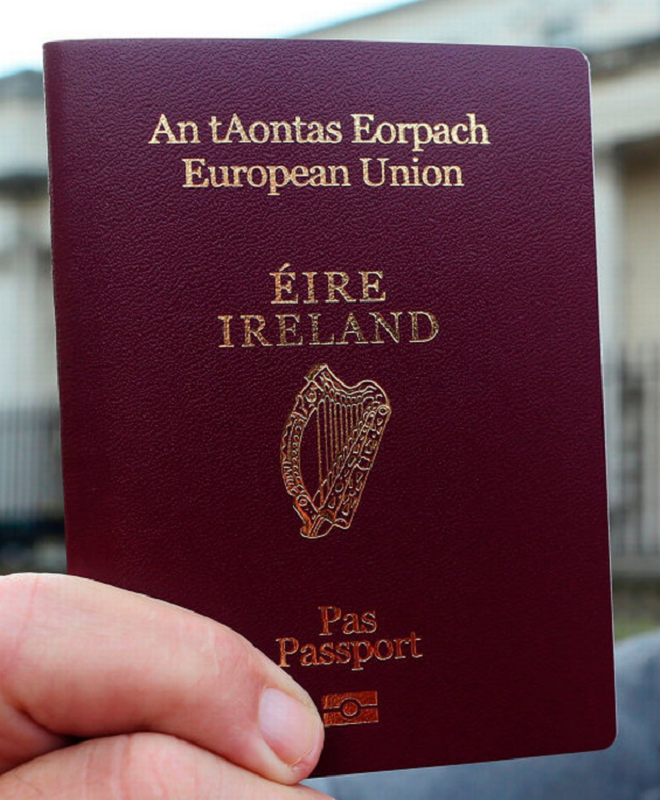
Irish companies are increasingly looking towards Vietnam for manufacturing, sourcing, technology, professional services and investment opportunities. For an Irish director, consultant or company representative preparing to visit Vietnamese partners, the visa question can quickly become more complicated than expected. Should you arrange a sponsored Vietnam DN Visa, or would an electronic visa cover the trip more efficiently? The answer depends less on the word “business” and more on what you will actually do in Vietnam, whether a local organisation is formally supporting the visit and whether the trip involves activities requiring separate work authorisation. This guide explains the three-month Vietnam DN Visa from an Irish traveller’s perspective and helps you compare it with the more straightforward electronic visa route.
Many Irish applicants begin by searching for a “Vietnam business visa” and assume that a DN Visa is automatically required.
That approach can lead to unnecessary paperwork.
Two people may both describe their journey as a business trip, yet need different visa arrangements. One may be attending two days of meetings with potential suppliers, while another is joining a structured project organised by a Vietnamese company.
Before choosing a visa, clarify the purpose of the visit.
Common business-related activities include:
The most appropriate route depends on the nature of these activities and the role of the organisation receiving you in Vietnam.
The Vietnam DN Visa is a business-related visa classification for foreign nationals entering Vietnam to work with eligible enterprises or organisations.
Vietnamese immigration legislation distinguishes between two DN categories:
| Visa code | General application |
|---|---|
| DN1 | For foreigners working with enterprises or organisations having legal-person status under Vietnamese law |
| DN2 | For foreigners entering Vietnam to provide services, establish a commercial presence or conduct activities under relevant international treaties |
These classifications were introduced through amendments to Vietnam’s legislation governing the entry, exit, transit and residence of foreigners.
A DN Visa may be relevant to:
The visa can support a formal business visit connected to a Vietnamese host. However, it should not be treated as automatic permission to take up employment.
A business visa and permission to work are separate legal matters. Travellers planning to perform regulated work or take up employment should confirm whether a work permit or another authorisation is required.
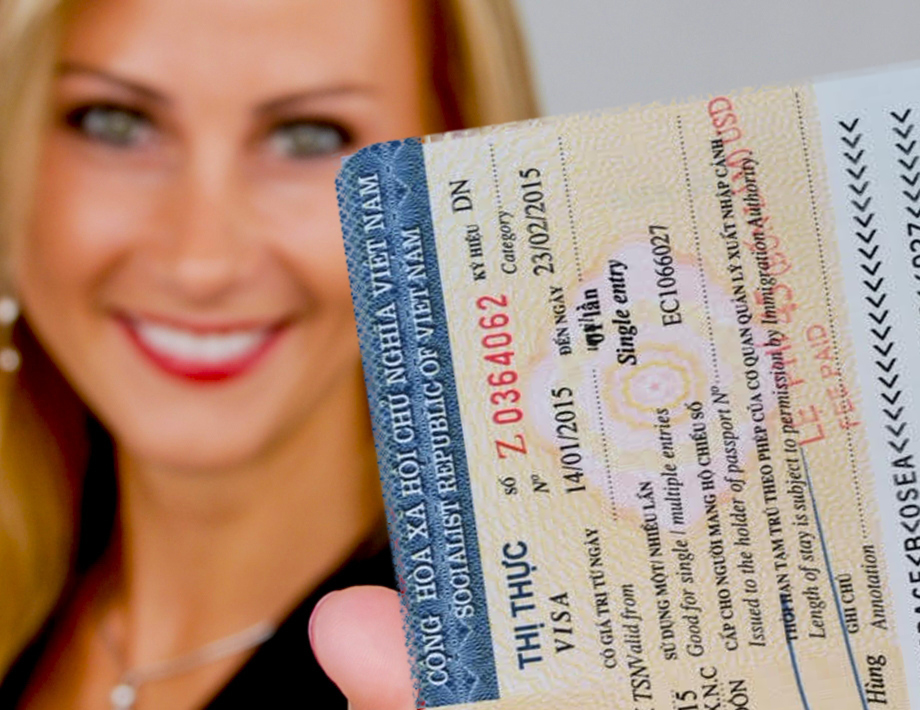
Irish passport holders may submit a DN Visa application when they meet the applicable immigration conditions and have an eligible organisation in Vietnam supporting the visit.
A three-month request may be practical when an Irish business traveller needs enough time to:
The requested duration is not necessarily the period that will be granted.
The final validity and entry conditions may depend on:
Travellers should base confirmed plans on the dates and entry conditions shown on the issued visa.
A DN Visa becomes more relevant when an Irish visitor’s trip is formally connected to a specific company or organisation in Vietnam.
It may be the suitable route when:
The sponsoring organisation generally does more than provide a simple invitation letter.
Depending on the procedure, it may need to prepare:
This is why a DN Visa is usually more involved than an individual electronic visa application.
Not every Irish professional entering Vietnam for a commercial reason needs a formally sponsored DN Visa.
Subject to eligibility and the exact nature of the journey, an electronic visa may be considered for short visits involving:
The distinction is important.
A traveller attending an introductory meeting may not require the same immigration arrangement as a specialist carrying out a structured assignment for a Vietnamese company.
Applicants should therefore avoid selecting a visa solely because its name sounds appropriate.
| Point of comparison | Vietnam DN Visa | Vietnam electronic visa |
|---|---|---|
| Vietnamese sponsor | Generally involved | Not required for the individual online application |
| Application structure | Applicant and sponsor cooperate | Applicant submits personally online |
| Supporting documents | Personal and company documentation | Passport details, images and travel information |
| Administrative stages | Usually several | More streamlined |
| Maximum e-visa validity | Not applicable | Up to 90 days |
| Entry options | Based on the visa issued | Single or multiple entry, as approved |
| Best suited to | Formally sponsored business visits | Eligible short-term travel |
| Applicant control | Relies partly on the sponsor | Greater individual control |
| Overall complexity | Usually higher | Usually lower |
Vietnam’s official electronic visa system states that an e-visa may be valid for a maximum of 90 days and may permit either single or multiple entry.
For a DN Visa, an eligible company or organisation in Vietnam normally has an active role in supporting the application.
For an individual e-visa application, the foreign traveller completes the process online without asking a Vietnamese company to carry out the traditional sponsorship procedure.
This distinction is particularly relevant to Irish businesses making their first exploratory visit to Vietnam.
An Irish company may want to:
At this early stage, it may not yet have a Vietnamese partner willing or able to sponsor a DN application.
Where the proposed activities fit the e-visa framework, the electronic route may therefore be more practical.
The exact file depends on the applicant, sponsor and application route, but it usually involves documentation from both parties.
| Applicant-side information | Sponsor-side information |
|---|---|
| Passport copy | Company or organisation details |
| Passport photograph | Invitation information |
| Personal details | Sponsorship documents |
| Proposed travel dates | Explanation of the commercial relationship |
| Intended entry point | Details of the planned business activity |
| Business itinerary | Other documents requested by the authorities |
Irish applicants should ensure that every document uses the same:
A minor inconsistency can lead to a correction request and slow the application.

Although individual cases may differ, the process generally follows these stages.
The applicant and Vietnamese host should clearly identify what the traveller will do after arriving.
A vague description such as “business purposes” may not provide enough clarity when deciding which visa route is appropriate.
An eligible organisation in Vietnam must agree to support the DN application.
This may be:
The traveller normally provides:
The Vietnamese organisation prepares and submits the relevant sponsor documentation.
This stage distinguishes the DN process from the individual e-visa route.
The authorities review the applicant’s information and the sponsor’s documents.
The application may be:
After approval, the applicant follows the applicable instructions for obtaining the visa.
The issued document should be checked immediately for:
There is no single processing period that applies to every DN application.
The total timeline can be influenced by:
Common causes of avoidable delay include:
Irish travellers should begin early enough to allow time for corrections or additional document requests.
Usually not.
A number of practical steps can be handled electronically, but the traditional DN process is not simply an online form completed independently by the Irish applicant.
The traveller may be able to:
The sponsoring organisation may still need to:
The ability to exchange documents online should therefore not be confused with a fully independent online DN Visa application.
For many eligible short-term visitors, it can be.
Vietnam’s official e-visa platform allows foreigners who are outside the country to submit an electronic application. The procedure involves uploading the required images, providing personal and travel information, paying the applicable fee and retrieving the result online.
An applicant generally prepares:
The e-visa may be valid for up to 90 days and may be issued for single or multiple entry. Applicants must use a border checkpoint approved for electronic visa entry and exit.
For some Irish business travellers, this route may be suitable for:
The term “Vietnam Business E-Visa” is often used commercially to describe an electronic visa used for an eligible business-related journey. The official document itself is an electronic visa.
A DN Visa may be more appropriate where:
✔ A Vietnamese company is formally sponsoring the visit
✔ The assignment is directly related to the sponsor
✔ Formal corporate documents are required
✔ The local host has identified the DN route as necessary
✔ The proposed activities do not fit the individual e-visa route
An electronic visa may be more convenient where:
✔ The Irish applicant qualifies to apply online
✔ The trip consists of short meetings or visits
✔ No Vietnamese sponsor is available
✔ The purpose is a conference, trade event or market assessment
✔ The traveller wants a more direct personal application
The correct choice is the one that matches the real journey—not simply the route with fewer documents.
A commercial purpose does not automatically mean that the traveller needs a DN Visa.
The applicant should first identify the exact activities and determine whether formal sponsorship is necessary.
An Irish applicant should not plan around a sponsored visa until a suitable Vietnamese organisation has agreed to take part in the procedure.
The dates appearing in the itinerary, invitation and application should be consistent.
Avoid scans or photographs with:
A traveller leaving Vietnam during the visa period may not be able to return on a single-entry visa.
Those planning regional travel should confirm whether multiple entry is required.
A visa authorises entry and stay under its stated conditions. It does not necessarily authorise employment or every type of professional activity.
The application should allow time for:
For an Irish traveller, the distinction between a sponsored DN Visa and an electronic visa may not be obvious from the itinerary alone.
Before applying, consider:
Applicants seeking assistance can submit their details through https://www.vietnamimmigration.com/apply-vietnam-visa/.
The support process can include:
A professional review cannot guarantee the decision of an immigration authority, but it can help prevent common mistakes before the application is submitted.

Yes, an eligible applicant with a suitable Vietnamese sponsor may request a period that matches the business itinerary. The final validity depends on the issued approval.
The traditional DN route generally involves an eligible Vietnamese company or organisation supporting the application.
Eligible Irish passport holders can use Vietnam’s official electronic visa system when they satisfy the applicable conditions and submit the required information.
Vietnam’s e-visa may be valid for a maximum of 90 days. The exact validity and entry type are shown on the issued visa.
The e-visa system supports single- and multiple-entry applications. The traveller must follow the entry type shown on the approved document.
A short introductory visit may fit the electronic visa route, while a formally sponsored technical or project assignment may require a DN Visa or another suitable immigration arrangement.
Any extension or status option depends on the law and procedures in force, the sponsor and the applicant’s circumstances. Travellers should not assume that an extension will be available.
An electronic visa does not automatically replace a work permit or other employment authorisation. The traveller should confirm the rules applying to the proposed activity.
Irish citizens should choose a Vietnam visa by looking at the real purpose of the journey, the role of the Vietnamese host and the activities planned after arrival. A three-month DN Visa may be the right route for a formally sponsored assignment connected to a Vietnamese organisation. For many eligible short-term visits involving meetings, exhibitions, supplier discussions, market research or initial investment exploration, the electronic visa may provide a more direct online option. Check every document carefully, allow enough time for processing and make sure the selected visa reflects the actual nature of the trip. For visa guidance and application support, submit your information at https://www.vietnamimmigration.com/apply-vietnam-visa/.
A business trip can unravel before it begins.