For Canadian travelers, Vietnam’s electronic visa can look refreshingly simple at first: apply online, receive the approved document electronically and travel with it. But the details behind that process matter …

Vietnam has become one of the most exciting long-haul destinations for Canadians looking to experience a different side of Asia. From centuries-old temples and UNESCO World Heritage Sites to vibrant cities, tropical islands, breathtaking mountain scenery, and one of the world’s most celebrated food cultures, Vietnam offers an unforgettable travel experience for every type of visitor. Whether you’re dreaming of wandering through the lantern-lit streets of Hoi An, cruising across the emerald waters of Ha Long Bay, relaxing on the beaches of Phu Quoc, or exploring the energetic streets of Ho Chi Minh City, Vietnam delivers remarkable diversity in a single journey.
Like any international trip, however, a successful vacation begins long before boarding your flight. First-time visitors from Canada often have questions about visa requirements, passport validity, flight options, the best seasons to visit, and what to expect upon arrival. Taking the time to prepare these essentials in advance can help eliminate unnecessary stress and allow you to focus on enjoying your holiday. This guide walks Canadian travellers through everything they should know before visiting Vietnam, making it easier to plan a smooth, enjoyable, and memorable adventure.
Vietnam continues to attract growing numbers of Canadian visitors every year, and it’s easy to understand why. The country combines spectacular natural beauty, fascinating history, welcoming hospitality, and affordable travel costs, making it an excellent destination for everything from short vacations to extended adventures.
Although Vietnam is located on the opposite side of the Pacific from Canada, improved international air connections have made travelling there more convenient than ever. Many Canadians now include Vietnam as part of a longer Southeast Asian itinerary, often spending anywhere from ten days to several weeks exploring different regions of the country.
Travellers interested in history and culture will find plenty to discover in Hanoi, where colonial architecture, ancient temples, museums, and the famous Old Quarter showcase Vietnam’s rich heritage. Ho Chi Minh City offers a completely different atmosphere, blending modern skyscrapers with historic landmarks, lively nightlife, shopping districts, and exceptional dining experiences.
Beach lovers are equally spoiled for choice. Da Nang, Nha Trang, and Phu Quoc feature beautiful coastlines, luxury resorts, and plenty of opportunities for swimming, diving, and relaxing by the sea. Beyond the cities, destinations such as Ha Long Bay, Sapa, Hue, and Hoi An provide breathtaking landscapes and authentic cultural experiences that continue to impress visitors from around the world.
Food is another reason many Canadians fall in love with Vietnam. While Vietnamese restaurants are popular across Canada, enjoying authentic pho, banh mi, fresh seafood, local street food, and traditional Vietnamese coffee in their country of origin is an entirely different experience.
Another major advantage is affordability. Accommodation, transportation, dining, and sightseeing are generally much less expensive than in many other international destinations, allowing Canadians to enjoy an exceptional holiday without stretching their travel budget.
Booking flights and reserving accommodation are only the beginning of planning an international trip. To avoid last-minute complications, it’s best to start organizing your travel documents and itinerary several weeks before departure.
Once your travel dates have been confirmed, you should gradually complete the remaining preparations, including checking your passport validity, applying for a Vietnam visa, arranging flights, confirming hotel reservations, purchasing travel insurance, and planning transportation throughout your trip.
A practical pre-departure checklist includes:
Keeping both digital and printed copies of your passport, visa, flight itinerary, hotel bookings, and insurance documents is highly recommended. Having backup copies can be extremely helpful if your phone battery dies, your internet connection becomes unavailable, or original documents are misplaced.
A day or two before leaving Canada, take a few minutes to review every booking. Double-check your passport details, visa information, flight schedule, and accommodation confirmations to ensure everything matches your travel plans.
Vietnam stretches more than 1,600 kilometres from north to south, creating significant regional differences in weather throughout the year. Instead of focusing on one “best” season for the entire country, it’s more practical to plan your trip based on the destinations you intend to visit.
Northern Vietnam, including Hanoi, Ha Long Bay, Ninh Binh, and Sapa, experiences four distinct seasons. Spring and autumn typically offer pleasant temperatures and comfortable sightseeing conditions, while winter can become surprisingly cool in the mountainous areas.
Central Vietnam, including Da Nang, Hoi An, and Hue, enjoys warm weather for much of the year, making it an excellent choice for travellers who want to combine beach holidays with cultural attractions.
Southern Vietnam, including Ho Chi Minh City, the Mekong Delta, and Phu Quoc Island, remains warm year-round and generally experiences two main seasons: the dry season and the rainy season. Even during wetter months, rainfall often comes in short afternoon showers rather than lasting all day.
Many Canadians choose to visit Vietnam during school holidays, winter vacations, spring break, or the Christmas and New Year’s holiday period. Since these are popular travel seasons, booking flights and accommodation well in advance is recommended to secure better prices and availability.
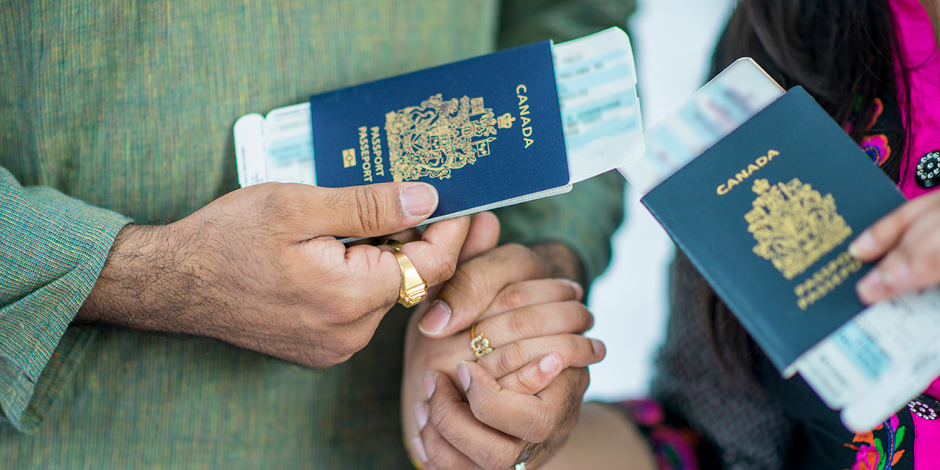
Your passport is the most important travel document you’ll carry throughout your trip, so it’s essential to verify that it satisfies Vietnam’s entry requirements before applying for a visa or booking international flights.
Every piece of information provided on your Vietnam visa application must exactly match the information shown in your Canadian passport, including:
Even a small spelling mistake or incorrect number could delay your visa application or create complications when entering Vietnam.
If you’re applying for a Vietnam eVisa, you’ll also need to upload a clear scan or high-quality photograph of your passport’s personal information page. Ensure that the entire page is visible, all text is readable, and there are no reflections, shadows, or blurred sections.
If your passport is close to expiring, renewing it before submitting your visa application is usually the best option. This helps prevent issues that could arise if your passport information changes after your visa has already been approved.
It’s also wise to save a digital copy of your passport in secure cloud storage and carry a printed photocopy separately from your original passport while travelling.
Obtaining a Vietnam visa is one of the most important steps when planning a trip from Canada.
Today, many Canadian travellers choose to apply for a Vietnam eVisa because the entire application process can be completed online. Compared with traditional visa procedures, the electronic visa system is significantly more convenient and reduces paperwork.
Depending on your itinerary, you can apply for either a single-entry visa or a multiple-entry visa.
If you plan to remain in Vietnam throughout your holiday, a single-entry visa is generally sufficient. However, if you’re planning to visit neighbouring countries such as Thailand, Cambodia, or Laos before returning to Vietnam, a multiple-entry visa may be the better option.
Before starting your application, prepare the following information:
Applicants are generally required to provide:
Travellers looking for a faster and more convenient application process may also choose to apply through:
Before submitting your application, carefully review every detail to ensure your personal information exactly matches your passport.
VietnamImmigration.com provides professional Vietnam visa services, including document verification, application review, passport information checks, and dedicated customer support throughout the process. Their experienced team helps applicants minimise errors that could delay approval, making the visa process faster, simpler, and more reliable.
Although Vietnam eVisas are often processed within several working days, it’s still recommended to apply well in advance of your departure date. This allows sufficient time to correct any unexpected issues if necessary.
After your visa has been approved, download the electronic visa immediately, print a hard copy, and verify that all information—including validity dates, number of entries, and designated entry checkpoint—is accurate before travelling to Vietnam.

For most Canadian travellers, airfare represents the largest portion of the overall travel budget. Choosing the right flights can make a significant difference not only in cost but also in comfort and travel time.
At present, there are limited direct flight options between Canada and Vietnam, so most itineraries include one stop in major Asian hubs such as Tokyo, Seoul, Taipei, Hong Kong, or Singapore before continuing to Vietnam.
Vietnam’s three busiest international gateways are:
When comparing flights, don’t focus solely on the cheapest fare. Consider the total travel time, connection length, baggage allowance, airline reputation, and arrival schedule. Spending slightly more on a well-planned itinerary can make a long-haul journey considerably more comfortable.
If you’re planning to explore multiple regions of Vietnam, consider booking an open-jaw itinerary. For example, you could arrive in Hanoi, travel south through the country, and fly home from Ho Chi Minh City. This approach saves time and eliminates the need to backtrack.
If you’re connecting to domestic flights after arriving in Vietnam, allow several hours between flights. Immigration procedures, baggage collection, and occasional flight delays can all affect your transfer time.
Once your flights are confirmed, keep both digital and printed copies of your itinerary readily available for check-in, hotel registration, and immigration if requested.
Vietnam offers accommodation for virtually every travel style and budget. Whether you’re looking for luxury beachfront resorts, international hotel brands, boutique properties, family-run guesthouses, or affordable hostels, you’ll find plenty of excellent options throughout the country.
For first-time visitors, staying in central locations usually provides the most convenient experience, with easy access to major attractions, restaurants, shopping, and public transportation.
In Hanoi, many travellers prefer accommodations around Hoan Kiem Lake or within the Old Quarter, where historic streets, local cafés, museums, and cultural landmarks are all within walking distance.
Visitors heading to Ho Chi Minh City often choose District 1, the city’s commercial and tourism hub. This area offers excellent hotels, lively nightlife, shopping centres, historical sites, and a wide variety of restaurants.
For beach holidays, Da Nang features numerous oceanfront resorts overlooking My Khe Beach, while Phu Quoc is well known for its luxury island resorts. Travellers seeking a more relaxed atmosphere often enjoy staying near Hoi An Ancient Town, where boutique hotels blend beautifully with the town’s historic character.
Before making your reservation, it’s worth evaluating several important factors:
Beyond overall ratings, reading recent guest reviews can provide valuable insight into the hotel’s current level of service and overall experience.
If you’re planning to visit several cities, staying two or three nights in each destination often creates a more enjoyable pace than changing hotels every day.
One of Vietnam’s biggest advantages is its affordability compared to many other international destinations. Canadian travellers are often pleasantly surprised by how much value they receive throughout their stay.
The overall cost of your holiday will depend on several factors, including airfare, accommodation preferences, dining choices, transportation, shopping, and optional tours or activities.
Creating a detailed travel budget before departure can help you manage expenses more effectively. Your estimated costs may include:
Although credit cards are widely accepted at hotels, shopping centres, and many restaurants, smaller businesses, local markets, and street food vendors often prefer cash payments. Carrying some Vietnamese Dong for everyday purchases is highly recommended.
Before leaving Canada, notify your bank about your international travel plans to reduce the risk of overseas transactions being declined for security reasons.
It’s also a good idea to keep your cash, debit card, and credit cards in separate places. This provides extra security should one payment method become lost or stolen.
A realistic travel budget allows you to enjoy your holiday without worrying about unexpected expenses.
Packing appropriately begins with checking the weather forecast for each destination on your itinerary.
Because Vietnam stretches across several climate zones, temperatures can vary considerably depending on where and when you’re travelling.
In most parts of the country, lightweight, breathable clothing is ideal due to the warm and humid climate. However, travellers visiting northern mountain regions such as Sapa during winter should pack warmer clothing for cooler temperatures.
Comfortable walking shoes are among the most valuable items you’ll bring, especially if your itinerary includes sightseeing, city exploration, or hiking.
A recommended packing list includes:
If you’ll be travelling for several weeks, there’s usually no need to overpack clothing. Laundry services are widely available throughout Vietnam at reasonable prices, allowing you to travel with lighter luggage.
Before departing, also confirm your airline’s baggage allowance to avoid unnecessary excess baggage fees.
Installing a few essential travel apps before leaving Canada can make your journey much easier once you arrive in Vietnam.
Navigation apps simplify getting around unfamiliar cities, translation apps help overcome language barriers, and airline apps provide real-time flight updates and boarding information.
Ride-hailing services are widely used throughout Vietnam and are often the easiest way to travel between airports, hotels, restaurants, and tourist attractions.
Useful apps include:
For internet access, you can choose between international roaming, an eSIM, or purchasing a local Vietnamese SIM card after arrival, depending on the length of your stay and your communication needs.
It’s also wise to store digital copies of your passport, visa, travel insurance, and hotel confirmations securely in cloud storage so they’re always accessible if needed.
After landing in Vietnam, international passengers typically proceed through immigration, collect their checked luggage, clear customs, and then enter the public arrivals area.
To help the process move smoothly, have your passport, Vietnam visa, and any other required travel documents ready before reaching the immigration counter.
Immigration officers will verify your passport and visa details, so it’s important that your visa information—including your name, passport number, validity dates, and designated port of entry—matches your passport exactly.
Once immigration clearance is complete, collect your luggage and continue through customs before exiting the terminal.
If you’ve arranged an airport transfer in advance, follow the meeting instructions provided by your driver or service provider. Otherwise, licensed taxis and ride-hailing services are readily available outside most international airports.
After checking into your accommodation and taking some time to rest, you’ll be ready to begin discovering everything Vietnam has to offer—from vibrant cities and historic landmarks to spectacular landscapes and unforgettable cuisine.
With proper preparation before departure, most Canadian visitors find that arriving in Vietnam is a straightforward process, allowing them to start their holiday with confidence and peace of mind.

Once you’ve secured your visa, booked your flights, and finalized your accommodation, spending a little time learning about local customs and everyday travel tips can make your experience even more enjoyable. A few simple preparations can help you avoid common travel challenges and allow you to settle into your holiday with confidence.
One of the first things many Canadian visitors notice after arriving in Vietnam is the busy traffic, particularly in major cities such as Hanoi and Ho Chi Minh City. At first glance, the endless flow of motorbikes may seem overwhelming. However, traffic generally follows an organized rhythm. When crossing the street, remain calm, walk at a steady pace, and avoid making sudden movements. Local drivers are accustomed to pedestrians and will usually adjust accordingly.
If your itinerary includes visiting temples, pagodas, or other religious sites, choose clothing that covers your shoulders and knees out of respect for local customs. Showing consideration for Vietnamese culture is appreciated and contributes to a more meaningful travel experience.
Vietnam is widely regarded as a safe destination for international tourists, but basic travel awareness is still important. In busy markets, tourist attractions, and crowded public areas, keep your valuables secure and avoid carrying large amounts of cash. Using a cross-body bag or an anti-theft backpack is a practical way to protect your belongings while sightseeing.
Vietnamese cuisine is one of the country’s greatest highlights. While many Canadians are already familiar with dishes like pho and banh mi, travelling throughout Vietnam offers the opportunity to discover regional specialties, freshly prepared seafood, tropical fruits, local desserts, and authentic Vietnamese coffee that often surpass expectations. Choosing restaurants with strong local reputations and steady customer traffic is usually a good indicator of quality and freshness.
Because Vietnam has a predominantly tropical climate, temperatures are warm for much of the year. Staying hydrated, applying sunscreen regularly, wearing sunglasses and a hat, and carrying a lightweight rain jacket or umbrella will help you stay comfortable throughout your trip.
English is commonly spoken in hotels, airports, and many tourist areas, but learning a few simple Vietnamese greetings or polite expressions can enhance your interactions with local residents. Even basic phrases are often warmly appreciated and can create memorable cultural exchanges.
Responsible travel also contributes to a better experience for everyone. Respect historical landmarks, dispose of waste properly, support local businesses whenever possible, and help preserve Vietnam’s natural and cultural heritage for future visitors.
Finally, remember that international travel occasionally involves unexpected changes, whether due to weather, transportation delays, or schedule adjustments. Maintaining a flexible attitude and allowing extra time in your itinerary will make it easier to adapt and enjoy your journey without unnecessary stress.
With thoughtful preparation and an open mind, Canadian travellers often discover that Vietnam is not simply a destination to visit once—it’s a country many look forward to exploring again.
Vietnam offers an extraordinary combination of history, culture, spectacular scenery, outstanding cuisine, and excellent value, making it one of the most rewarding destinations for Canadians seeking an unforgettable overseas holiday. Whether you’re planning your first visit or returning to discover new regions, careful preparation will help ensure your trip is smooth, enjoyable, and stress-free.
Before departing, take time to confirm that your passport remains valid, your Vietnam visa has been approved, your flights and accommodation are confirmed, and all essential travel documents are organized. Understanding Vietnam’s entry requirements and preparing in advance allows you to spend less time worrying about logistics and more time enjoying your adventure.
For many international travellers, obtaining a Vietnam visa is one of the most important parts of trip planning. To simplify the process and reduce the risk of application errors, many visitors choose professional visa assistance. VietnamImmigration.com offers comprehensive Vietnam visa services, including document verification, application review, accuracy checks, and dedicated customer support throughout the application process, helping travellers complete their visa applications quickly and with greater confidence.
Once everything is in place, you’re ready to experience one of Southeast Asia’s most captivating destinations. From lively cities and peaceful ancient towns to dramatic landscapes and world-famous cuisine, Vietnam offers experiences that leave lasting memories long after your journey comes to an end.
For Canadian travelers, Vietnam’s electronic visa can look refreshingly simple at first: apply online, receive the approved document electronically and travel with it. But the details behind that process matter …
Vietnam has become one of the most popular destinations for Canadian travelers, whether they’re planning a vacation, attending business meetings, visiting family, or exploring Southeast Asia on a multi-country trip. …
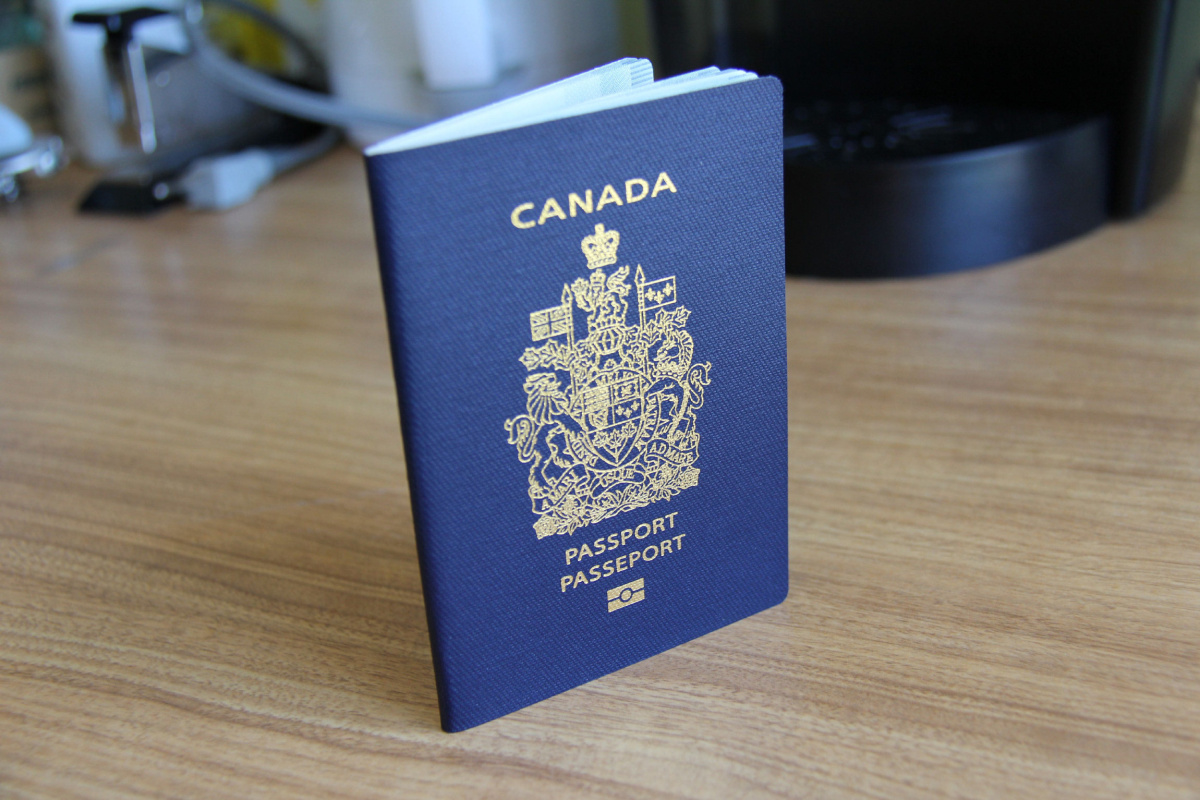
Few travel situations are more stressful than realizing you’ve forgotten one essential document just hours before your flight. For many Canadian travelers, that document is a Vietnam visa. Maybe your …
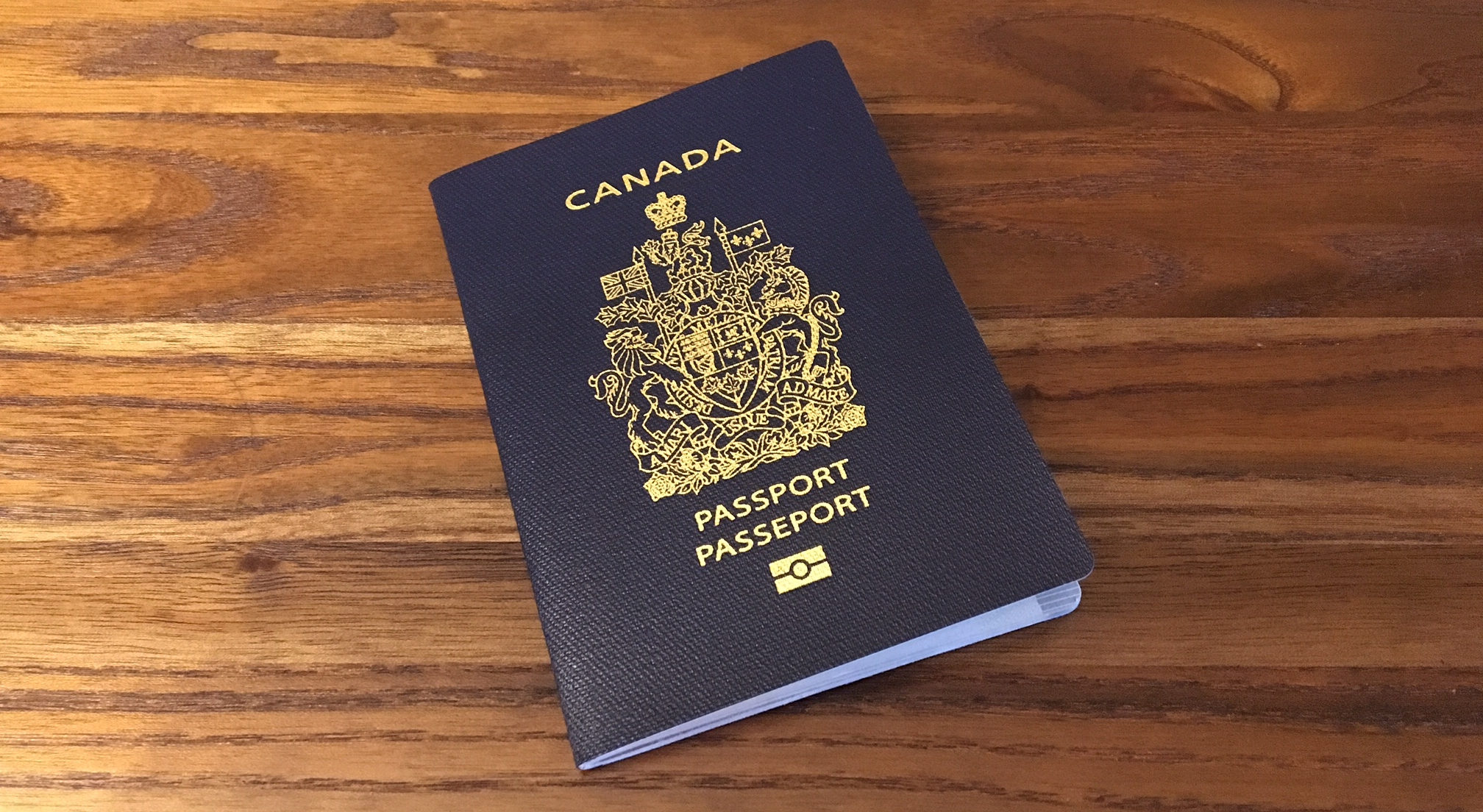
Planning a trip to Vietnam from Canada is exciting—until you suddenly realize that you still need a visa. It happens more often than many travellers expect. Flights are booked, hotels …
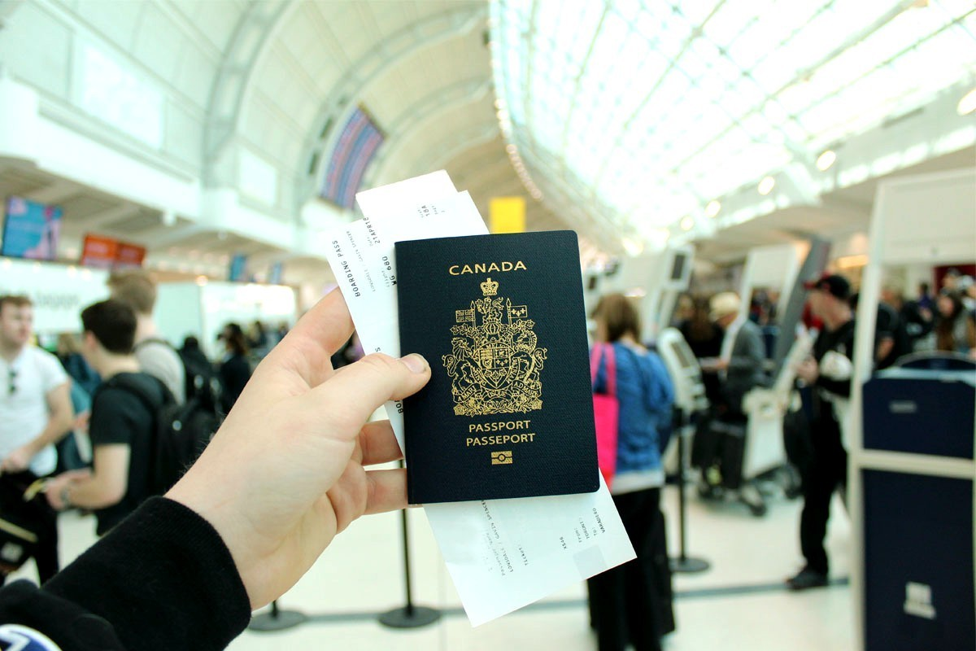
Your flights are booked, your hotel confirmation is sitting in your inbox, and your travel dates are only days away. Then you realize one essential item is still unresolved: your …
You’ve booked your flight. You’re counting down the days. But wait—do you actually know how to apply for your Vietnam visa from Canada in ? Don’t let outdated info or …
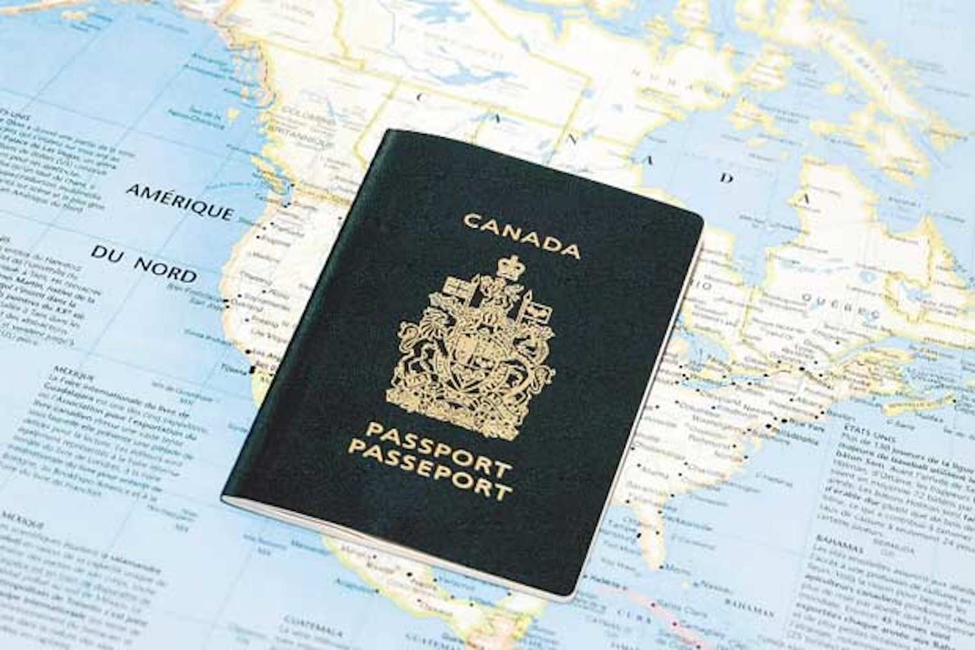
Planning a tropical escape to Vietnam from Canada in ? With golden beaches, vibrant street food, and a rich cultural heritage, Vietnam is calling. But before you book your ticket, …
Are you too busy to deal with complicated visa paperwork? Tired of confusing procedures, long waits, and not knowing what comes next? It’s time to let the experts handle it …
You’re finally ready for that long-awaited journey to Vietnam. You’ve mapped out your dream itinerary — from the bustling streets of Hanoi to the lantern-lit alleys of Hoi An. But …