Your flight to Vietnam is approaching, but you still do not have a visa. Can you simply fly from Canada, arrive at an airport in Vietnam, and receive a visa …

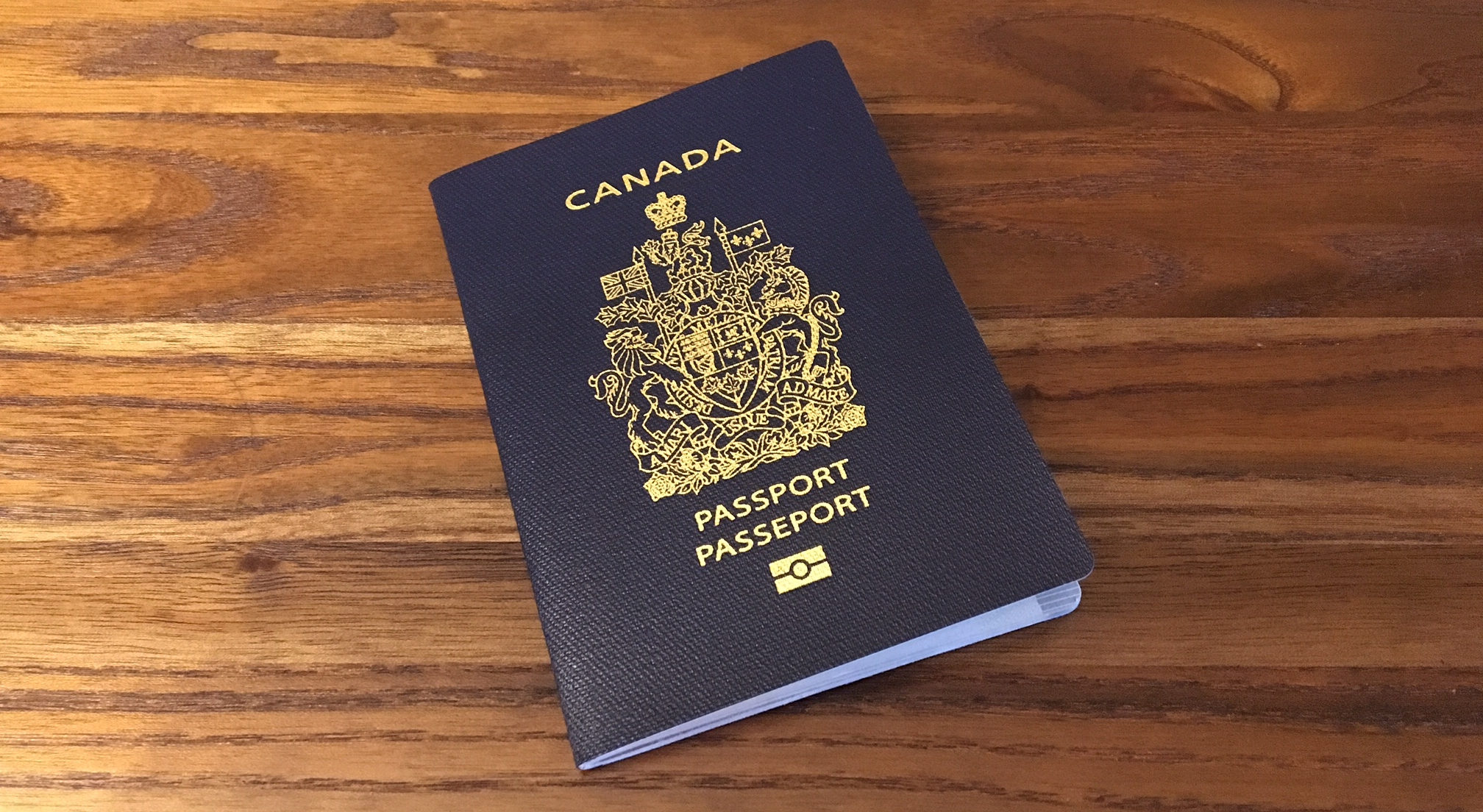
Planning a trip from Canada to Vietnam is exciting, but figuring out the entry requirements can quickly become confusing. If you have searched for a “Vietnam ETA for Canadians,” you may be wondering whether Canadian citizens need an ETA, an eVisa, or another type of visa before travelling. The terminology can be misleading, especially because Canadians are already familiar with electronic travel authorization systems used by other countries. For Vietnam, however, the key document most Canadian travellers need to understand is the electronic visa, commonly known as the Vietnam eVisa. Knowing the difference before you apply can help you avoid outdated information, incorrect applications, problems with travel dates, and unnecessary stress before departure. This guide explains the Vietnam eVisa requirements for Canadian citizens, how long the visa can be valid, what you need to prepare, how the application process works, and what to do if your travel date is approaching and your visa is not yet ready.
Canadian travellers searching online for a “Vietnam ETA” can easily assume that Vietnam operates the same kind of Electronic Travel Authorization system they may have encountered elsewhere. That assumption is understandable, but it can make researching Vietnamese entry requirements unnecessarily confusing. Different countries use different names and legal frameworks for electronic permission to travel, and those terms should not automatically be treated as interchangeable.
For Vietnam, Canadian travellers researching an online visa should become familiar with the Vietnam electronic visa, or Vietnam eVisa. An eVisa is an electronically issued visa. It should not simply be described as an ETA because the two terms can represent different types of immigration authorization depending on the country concerned. When planning a trip, what matters is not the wording used by a travel blog or commercial website but the immigration document Vietnam requires for your nationality and circumstances.
This explains why a Google search can produce phrases such as “Vietnam ETA for Canadian citizens,” “Vietnam online visa for Canadians,” “Vietnam electronic visa,” and “Vietnam eVisa for Canadian passport holders.” A traveller might reasonably think these are simply four names for an identical product. A better approach is to look beyond the search terminology and determine exactly which Vietnamese entry document applies to the journey you are planning.
For most Canadian tourists researching this subject, that means understanding Vietnam’s eVisa system rather than spending time trying to locate a separate product simply because it has been labelled “ETA” somewhere online.
A Canadian passport does not, by itself, provide ordinary Canadian tourists with general visa-free entry under Vietnam’s current unilateral 45-day visa-exemption scheme. Canadian travellers should therefore not assume that a short holiday automatically means they can arrive without arranging the appropriate immigration permission beforehand.
For many Canadian visitors who require a visa, the Vietnam eVisa is the most relevant electronic option to investigate. It allows eligible foreign travellers to complete the visa process electronically rather than following a traditional embassy-based application route for an ordinary trip. The exact immigration requirements should nevertheless always be checked against the traveller’s circumstances before departure.
This qualification is important because nationality is only one part of an immigration situation. Passport type, purpose of travel, destination and special exemption arrangements can affect what a particular traveller needs. Vietnam also has a special visa-exemption framework associated with qualifying visits to Phu Quoc under specified conditions, for example. Someone travelling exclusively under such an exemption should not automatically assume that the same rules apply when continuing to mainland destinations elsewhere in Vietnam.
Another common source of mistakes is outdated information. A friend who travelled several years ago, an old forum thread or an article that has not been updated may describe rules that no longer reflect the current framework. Visa policies can change, so Canadian travellers should verify the requirements that apply at the time of their own journey rather than treating someone else’s previous experience as definitive.
Vietnam’s eVisa framework provides an electronic application route for foreign citizens, including Canadian passport holders who meet the applicable requirements. This makes the process considerably more convenient for travellers who want to arrange their entry documentation online before leaving Canada or another country.
There is, however, an important difference between being permitted to apply and receiving an approved visa. Eligibility gives a traveller access to the application process; it does not turn an application into an automatic approval. Vietnamese authorities retain responsibility for assessing and deciding visa applications.
That distinction is particularly useful when comparing visa-assistance services online. A private company can help prepare an application, review documents, identify possible errors, explain procedures and provide support, but it does not replace the government authority responsible for the visa decision. Travellers should therefore distinguish professional application assistance from the actual government approval process.
Application accuracy remains important even when the process itself is relatively straightforward. Passport details, personal information, dates and supporting files should all be prepared carefully. The goal should not be to complete the form in the fewest possible minutes, but to submit an application that accurately reflects the passport and travel plans being used for the trip.
Vietnam’s current eVisa framework permits electronic visas with a validity of up to 90 days and provides both single-entry and multiple-entry options. For Canadian travellers planning anything from a short holiday to a longer journey through Vietnam, this provides considerable flexibility. What matters, however, is the actual validity and conditions of the visa that is issued.
The phrase “up to 90 days” can easily be misunderstood. It does not mean every applicant automatically receives an unconditional 90-day stay. Travellers need to pay attention to the dates associated with their own visa and ensure that those dates work with the itinerary they intend to follow.
Consider a Canadian traveller spending two weeks visiting Hanoi, Ninh Binh, Hue, Hoi An and Ho Chi Minh City before flying home to Vancouver. That itinerary has very different entry requirements from a traveller who plans to spend three weeks in Vietnam, fly to another Southeast Asian country, and then return to Vietnam for a second visit before heading back to Canada.
This is where the difference between single entry and multiple entry becomes important. If you expect to leave Vietnam and subsequently cross the Vietnamese border again during the validity period of your trip, your visa arrangements need to accommodate that plan. It is far easier to think through these movements before submitting an application than to discover afterwards that the entry type you selected does not fit your itinerary.
A well-prepared application begins with the passport you intend to use for the trip. The personal and passport information entered into the visa application should accurately correspond with that travel document. Avoid filling out an immigration form from memory, even if you know most of your passport information by heart.
Applicants should prepare the digital files required by the current application process, including an appropriate portrait photograph and an image of the relevant passport data page that satisfies the applicable specifications. The application may also request personal and travel-related information, so having your itinerary and intended travel dates available can make the process easier.
Small errors deserve more attention than many travellers give them. A passport number containing a mistyped character, an incorrectly entered date or identity information that does not correspond with the passport can create unnecessary complications. These are exactly the types of details people are most likely to overlook when rushing through an online form.
The same care should be applied to uploaded files. Use a clear passport image rather than a blurred, poorly cropped or difficult-to-read photograph. Prepare the required portrait according to the current specifications instead of uploading whichever travel photo happens to be easiest to find on your phone.
Before submitting anything, compare the completed application directly with the physical passport. Read through the information systematically rather than simply glancing over the page. Spending a few extra minutes checking an application is much easier than trying to resolve a discrepancy shortly before an international flight.
The easiest way to approach a Vietnam eVisa application is to treat it as a sequence of checks rather than one long online form. Begin by preparing your passport, required digital images, intended dates and basic itinerary. Having everything available before starting reduces the temptation to guess or enter temporary information simply to move to the next page.
When entering personal details, copy them carefully from your passport and follow the instructions provided by the application system. Browser autofill may be convenient for everyday online forms, but immigration information deserves a manual review. An address or name stored in your browser is not necessarily formatted in the way the visa application requires.
Upload the requested passport and portrait images according to the current technical requirements, then review the form before proceeding. Passport number, nationality, date of birth, full name and travel dates are among the details that deserve particular attention. If your trip involves leaving Vietnam and returning, make sure the entry option you request makes sense for that itinerary.
After completing the submission and payment process, retain the reference or application information provided to you. Store it somewhere easy to retrieve rather than relying on a screenshot buried in your phone’s photo library. You may need that information when checking the application’s progress.
The process does not end the moment a visa is issued. Open the document and review it carefully against your passport and travel schedule. Confirm that the important identifying information and validity period correspond with your intended journey. Approval is good news, but verifying what has actually been approved is an essential final step.

Visa processing should be treated as an administrative process rather than an exact countdown. Travellers sometimes calculate the minimum expected processing period, work backwards from their flight, and assume there is no reason to apply any earlier. That approach leaves very little room for anything unexpected.
An application may require additional attention, and weekends, public holidays or other processing factors can affect the practical timeline. A traveller may also discover after submission that something needs to be investigated or corrected. For these reasons, the shortest possible processing scenario should not become the foundation of your travel plan.
Applying with a sensible buffer creates something that becomes increasingly valuable as your departure approaches: flexibility. If your trip is several weeks away and an issue emerges, there is generally more time to understand what happened and explore the appropriate next step. The same issue discovered immediately before a long-haul flight from Toronto, Vancouver, Montréal or Calgary can be considerably more stressful.
Canadian travellers should also distinguish the government’s visa decision process from the services provided by a private visa-support company. An assistance provider may offer application review, document checking and expedited support for eligible situations, but these services do not transfer the government’s decision-making authority to the private provider.
For that reason, planning ahead remains the most reliable strategy. Apply with enough time to receive the result, inspect the issued visa and address any concern before your departure date becomes an emergency deadline.
A visa that is still unresolved as departure approaches deserves attention, but the appropriate response depends on the status of the case. A traveller who has not submitted an application at all is dealing with a different problem from someone whose application has already been submitted and remains under consideration.
If your application is pending, check its status through the appropriate channel and make sure there is no notice or issue that requires your attention. Avoid assuming that silence automatically means the visa will appear immediately before your flight.
If you discover an error in submitted information, determine what options apply to that particular application and status. The same principle applies when a visa has been issued but something on the document appears inconsistent with your passport or itinerary. Identifying a discrepancy is useful only if you give yourself enough time to investigate it.
Travellers facing an imminent departure sometimes search for phrases such as “urgent Vietnam ETA Canada” or “emergency Vietnam visa for Canadians” and expect a universal solution. In practice, the correct next step depends on what has already been submitted, the nature of the problem, the traveller’s dates and the options available for that case.
Most importantly, a pending application should not be treated as though an approved visa is already in hand. Where a visa is required for your journey, make travel decisions based on the actual status of your documentation rather than on an expectation that approval is certain to arrive before check-in.
Many Canadian travellers are perfectly comfortable completing an eVisa application themselves, particularly when their itinerary is simple and they have plenty of time before departure. Others prefer professional support because they want their information reviewed before submission, have questions about their itinerary, or are dealing with a visa problem while the departure date is getting closer.
VietnamImmigration.com provides Vietnam visa assistance for international travellers, including Canadians who would like support with application preparation, document verification and questions relating to Vietnamese visa and entry procedures. Having an experienced team review an application can be useful when you want to reduce avoidable errors before they become travel problems.
Professional support can be particularly valuable when timing is a concern. For eligible situations, expedited assistance may be available, and travellers can inquire about options appropriate to their circumstances. Any fast-processing option should be understood accurately, however: an assistance provider can support and facilitate the applicable process, but the final decision to issue a Vietnamese visa remains with the competent Vietnamese authority.
Another benefit is having somewhere to direct questions when the information online appears contradictory. Instead of trying to reconcile multiple travel blogs, forum posts and outdated pages on your own, you can seek guidance on document preparation, application information, dates and possible issues with an existing case. This can be especially reassuring for first-time visitors who have never dealt with Vietnam’s visa system before.
Experience also matters when something does not follow the ideal timeline. A service familiar with Vietnam visa procedures can help travellers understand the available options and focus on the issue that actually needs to be addressed. Where specific service guarantees, support commitments or refund conditions are offered, customers should review the applicable terms so that they understand exactly what the service covers.
Ultimately, professional assistance should make the process clearer and reduce preventable mistakes, not create unrealistic expectations. No legitimate private visa-support service replaces the immigration authority responsible for approving a visa. Its value lies in helping travellers prepare properly, understand the process and respond more effectively when a problem arises.

Once your eVisa has been issued, it can be tempting to consider the immigration part of your trip finished. A final pre-departure review is still worthwhile because the objective is not simply to possess a visa document but to make sure the document works with the passport and itinerary you will actually use.
Begin with your passport and confirm that you will travel on the same passport associated with your visa application. Check that it meets the applicable entry requirements and that the identifying information on your issued visa corresponds with it.
Next, review the visa’s validity dates and entry conditions. Make sure the dates cover the journey you are planning. If your itinerary takes you outside Vietnam and back again, confirm that your entry arrangement supports the additional border crossing rather than assuming the original visa can automatically be reused.
Keep your immigration documentation readily accessible while travelling. A digital backup is useful, but travellers should also follow current instructions concerning any document they may need to present during check-in or arrival. The important point is to avoid having essential information trapped in an inaccessible account or difficult-to-find folder at the moment it is needed.
Finally, complete this review several days before leaving Canada whenever possible. Discovering a questionable detail at home gives you time to investigate it. Discovering the same issue while standing at an airline check-in counter with luggage already tagged creates an entirely different situation.
Does Vietnam require an ETA for Canadian citizens?
Canadian travellers may see the phrase “Vietnam ETA” in search results, but they should identify the actual Vietnamese immigration permission required for their journey. For many Canadian passport holders who require a visa, the relevant electronic system to understand is Vietnam’s eVisa rather than assuming there is a separate ETA that replaces a visa.
Can Canadian citizens apply for a Vietnam visa online?
Yes. Canadian passport holders can use Vietnam’s electronic visa framework when they meet the applicable requirements. The application is completed electronically, while the final visa decision remains with the competent Vietnamese authority.
How long can a Vietnam eVisa be valid for a Canadian traveller?
Vietnam’s current eVisa framework allows electronic visas with validity of up to 90 days and provides single-entry and multiple-entry options. Travellers should rely on the actual dates and conditions stated on the visa issued to them rather than assuming every applicant automatically receives the maximum period.
Does a Vietnam eVisa automatically allow Canadians to stay for 90 days?
No traveller should interpret “up to 90 days” as an automatic 90-day stay in every case. The validity dates and conditions on the issued visa determine what applies to that particular trip.
Can I apply for a Vietnam eVisa if I am Canadian but currently outside Canada?
The electronic application process should not be confused with a requirement that a Canadian citizen must necessarily be physically located in Canada when researching or applying. What matters is satisfying the applicable eVisa requirements for the passport and circumstances involved. Travellers should follow the current official application instructions for their particular situation.
What should I do if I notice a mistake in my Vietnam eVisa application?
Do not wait until departure day to address it. The appropriate course of action can depend on the type of mistake and whether the application is still being processed or a visa has already been issued. Investigate the applicable procedure as soon as the discrepancy is identified.
Can I travel to Vietnam if my eVisa application still says pending?
A pending application is not the same as an issued visa. If your circumstances require a visa to enter Vietnam, you should not treat an application that is still awaiting a decision as equivalent to approved travel documentation.
Should a Canadian traveller choose a single-entry or multiple-entry Vietnam eVisa?
The answer depends on the itinerary rather than nationality alone. A traveller entering Vietnam once and remaining in the country until departure has different needs from someone who plans to leave Vietnam for another destination and then return during the same trip. Consider the complete travel route before selecting the entry option.
If you began your research by typing “Vietnam ETA for Canadians” into a search engine, the terminology may have made the process look more complicated than it really is. The essential task is to determine the Vietnamese immigration document required for your particular journey, understand the eVisa system when it applies, and make sure the information submitted matches both your Canadian passport and your actual travel plans.
Good visa preparation is mostly about eliminating avoidable uncertainty. Apply with sufficient time, check every important passport detail before submission, inspect the visa once it is issued, and resolve anything unusual before leaving for the airport. Canadian travellers who would rather have assistance with the process, or who are facing a more complicated or time-sensitive situation, can also consider professional Vietnam visa support instead of waiting until the final hours before departure to address an unresolved problem.
Your flight to Vietnam is approaching, but you still do not have a visa. Can you simply fly from Canada, arrive at an airport in Vietnam, and receive a visa …
For Canadian travelers, Vietnam’s electronic visa can look refreshingly simple at first: apply online, receive the approved document electronically and travel with it. But the details behind that process matter …
Planning a vacation to Vietnam from Canada often begins with the enjoyable decisions: Hanoi or Ho Chi Minh City? Ha Long Bay or the beaches of Central Vietnam? A few …
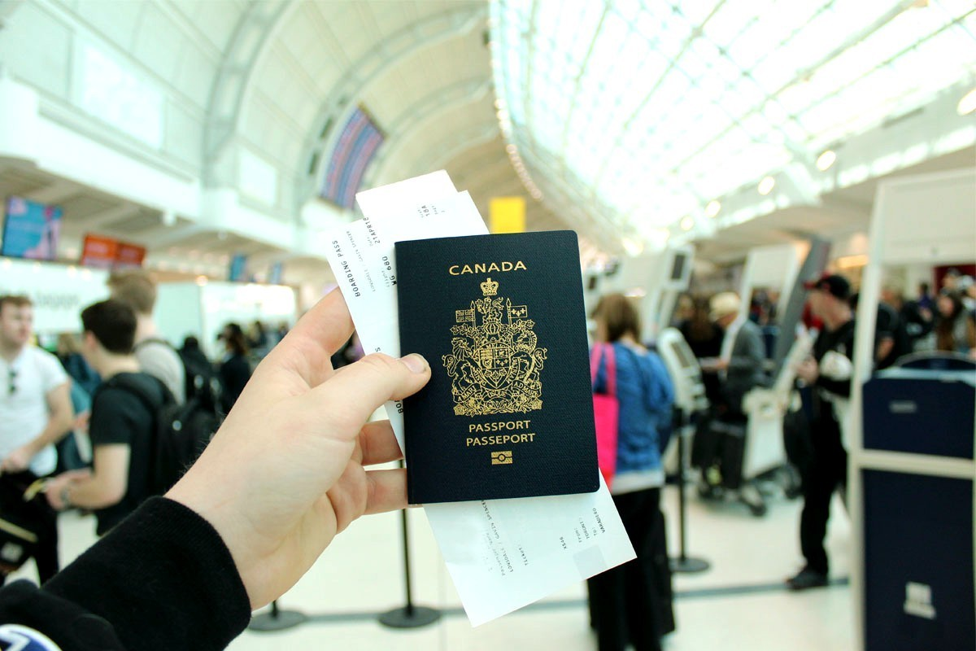
Your flights are booked, your hotel confirmation is sitting in your inbox, and your travel dates are only days away. Then you realize one essential item is still unresolved: your …
For many Canadians planning a trip abroad, understanding visa rules can be one of the most confusing parts of preparing for international travel. Vietnam is no exception. From figuring out …
For many Canadians preparing for a trip to Vietnam, one of the most stressful moments comes when your electronic visa sits untouched in “In Processing” while your departure date moves …