If you’re a Canadian traveler planning a trip to Ho Chi Minh City, understanding Vietnam’s visa process might feel a bit confusing at first. With different visa options and requirements, …

If you are planning a trip from Canada to Vietnam, arranging flights and hotels online is usually the easy part. The visa is where many travellers start wondering whether the process will suddenly become more complicated. Can Canadians get a Vietnam visa digitally, or will you eventually have to visit a Vietnamese Embassy, submit physical paperwork, or send away your passport? The good news is that Canadian passport holders can obtain a Vietnam visa through the country’s electronic visa system before travelling. For eligible travellers, the main application process can be handled online: you prepare your documents digitally, enter your information electronically, upload the required files, submit the application and receive the visa result digitally. That makes the process particularly convenient whether you live in Toronto, Vancouver, Montreal, Calgary or somewhere far from a Vietnamese diplomatic office. However, “digital” does not mean there is nothing to prepare or check. Your passport details, travel dates, entry arrangements and uploaded documents still matter, and mistakes can create unnecessary problems. This guide follows the entire digital visa journey for Canadian travellers—from confirming eligibility and preparing documents in Canada to submitting the application, waiting for processing, checking the issued visa and finally using it for your trip to Vietnam.
Yes. Canadian passport holders can get a Vietnam visa digitally before travelling to Vietnam. Canada is included within Vietnam’s current electronic visa eligibility policy, which covers citizens of all countries and territories.
This means Canadian travellers who meet the applicable requirements can use the online system rather than assuming that a visa application must begin with an in-person visit to a Vietnamese Embassy or consular office. Personal details, passport information and supporting documents can be prepared and submitted electronically, making the process much more convenient for travellers living across Canada.
Vietnam officially refers to this type of authorization as an electronic visa. In this guide, “digital visa” refers to that same electronically issued visa rather than a separate immigration category. After making that distinction, it is more useful to focus on what the digital process actually means for a Canadian traveller.
Under the current policy, a Vietnam digital visa can be valid for up to 90 days and may permit either single or multiple entry, depending on what is requested and ultimately approved. The words “up to” are important because travellers should always follow the actual validity period shown on the visa they receive rather than assuming that every application automatically produces a full 90-day stay.
For Canadians, therefore, the answer to the central question is straightforward: yes, you can get your Vietnam visa digitally. The more important question becomes how the process works from the moment you begin preparing the application until the moment you arrive in Vietnam.

The word “digital” can sometimes create the impression that everything happens automatically after entering a few details online. That is not quite how the process should be understood. A Vietnam digital visa is still an official immigration document; what changes is the way the application and visa are handled.
For a Canadian traveller, the digital journey begins by preparing electronic versions of the required documents. Instead of starting with a bundle of paperwork for an in-person appointment, you prepare information from your passport, a clear image of the passport data page, an appropriate portrait and the travel details required for the application.
The application information is then entered online and the relevant files are uploaded electronically. After submission, the application goes through the appropriate processing procedure. When the visa is issued, the result is available digitally, allowing the traveller to review the visa information before departure.
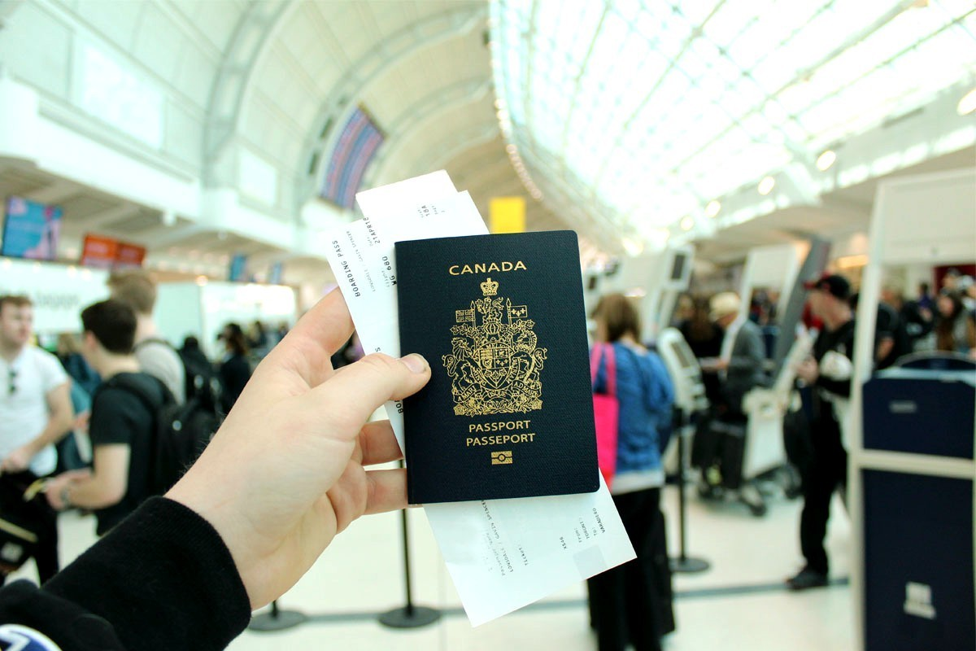
However, getting the visa digitally does not eliminate the need for a physical passport. Your passport remains the travel document connected to your identity and visa information, and you will still need the appropriate passport when checking in for your journey and presenting yourself for immigration inspection.
A useful way to think about the process is that the visa application and visa document can be handled digitally, while the traveller and passport still physically cross the border. Understanding this distinction prevents the common mistake of assuming that “digital visa” means nothing else needs to be checked before travelling.
Once you know that Canadians can obtain the visa digitally, the first practical stage is preparing everything you will need before opening the application.
Start with the Canadian passport you actually intend to use when travelling to Vietnam. Important information such as your full name, passport number, nationality and date of birth should be taken directly from that passport rather than entered from memory. Even a small typing error can become significant when it appears in an immigration application.
Next, prepare a clear digital image of the passport data page. The information should be easy to read, the important parts of the page should remain visible, and the image should not be affected by excessive glare, blur or unnecessary cropping. A quick phone photo may look acceptable at first glance, but it is worth enlarging the image and checking whether every important detail remains readable before using it.
You should also prepare a suitable recent portrait in accordance with the requirements displayed during the application process. Again, clarity matters. The purpose of uploading these documents digitally is to make the application more convenient, not to reduce the importance of document quality.
Travel information should also be organized before you begin. Have a reasonable idea of your intended arrival date, expected length of stay and the entry point you plan to use. If your itinerary includes leaving Vietnam and returning later during the same trip, identify that before choosing between single and multiple entry.
Finally, use an email address and contact details you can access reliably. Because the process is digital, being able to monitor relevant information after submission is an important part of the application journey.
Preparing these items in advance makes the online application much smoother. Instead of stopping halfway through to search for a passport image or work out your itinerary, you can concentrate on entering accurate information from beginning to end.
With your documents ready, you can move to the actual online application. This is the stage that most directly answers what Canadians mean when they ask whether a Vietnam visa can be obtained digitally.
The information requested during the application needs to correspond with your real passport and travel plans. Enter your identity details carefully and compare them with the passport in front of you. Pay particular attention to your full name, passport number, nationality and date of birth because these are not fields where you want to discover a typing error after submission.
Your travel details deserve the same attention. The dates and entry arrangements should reflect the journey you genuinely intend to make. If Vietnam is the only international destination on the trip and you will remain in the country until flying back to Canada, your entry needs will be different from those of a traveller who intends to leave Vietnam for another country and then return.
The required passport image and portrait can then be uploaded electronically. Before moving on, open or preview the files where possible and make sure you selected the correct documents. It is surprisingly easy to upload an older image or the wrong file when several travel documents are stored in the same folder.
The final review before submission is one of the most valuable parts of the entire digital process. Rather than simply reading what you typed, compare each important field directly against your passport. Then check the intended travel dates and entry type against your itinerary.
Canadian travellers who would like assistance with the Vietnam visa application can submit their information through:
The advantage of completing the process digitally is convenience, but convenience works best when combined with careful preparation. Taking a few additional minutes to verify the application can be far more valuable than trying to correct an avoidable error when your departure date is approaching.

One of the biggest practical advantages for Canadian travellers is that an ordinary digital visa application does not generally require a visit to a Vietnamese Embassy simply to submit the electronic application.
This matters because Canada is geographically enormous. A traveller living in central Toronto and another living hundreds or thousands of kilometres from a Vietnamese diplomatic office should not assume that their ability to apply digitally depends on how close they are to an Embassy or consular service.
Whether you are in Vancouver, Calgary, Edmonton, Winnipeg, Toronto, Ottawa, Montreal, Halifax or elsewhere in Canada, the fundamental advantage of the digital system remains the same. You can prepare and submit the relevant application information online rather than treating travel to a particular Canadian city as an unavoidable part of obtaining a standard digital visa.
There may still be circumstances or other visa categories in which an Embassy or consular procedure is relevant. The important point is not that diplomatic offices have no role in immigration matters, but that Canadian travellers applying for the ordinary digital visa should not automatically assume they need an in-person Embassy visit just to start or submit that electronic application.
This is one of the reasons the digital route can be especially convenient for Canadians. The process is connected primarily to the traveller, passport and application information rather than to the applicant’s physical proximity to a visa office.
After submitting the application, the process moves from preparation to waiting and monitoring. This stage is less active, but it still deserves attention because many travel problems begin when applicants submit their information and then stop checking it.
For planning purposes, Canadian travellers can commonly allow approximately 3–5 working days for a straightforward Vietnam digital visa application. This should be treated as a normal planning estimate rather than a guaranteed processing deadline.
Working days are not the same as calendar days. Weekends and public holidays can affect how travellers should calculate their available time, and an application that requires additional checking or correction can take longer than a straightforward case.
If additional information or a correction is requested, deal with it carefully. When travellers see their departure date approaching, the natural reaction is to move as quickly as possible. However, correcting one mistake while accidentally creating another can make the situation more difficult rather than faster.
The safest strategy is therefore simple: do not wait until the digital nature of the visa becomes an excuse to apply at the last minute. Online submission makes the process more convenient, but it does not turn immigration processing into an instant automated transaction.
If your Vietnam trip is already confirmed, preparing the visa early gives you valuable room to handle corrections, unexpected delays or itinerary changes without allowing the visa to dominate the final days before departure.
Receiving the visa result is an important moment, but it should not be treated as the end of your responsibility. Before travelling, Canadian visitors should carefully review the issued visa and make sure the important details correspond with their passport and itinerary.
Start by checking the personal information. Confirm that your name and passport details match the travel document you intend to carry. Then review the visa validity dates to make sure they cover the period during which you plan to enter and remain in Vietnam.
The number of permitted entries is equally important. If you requested a visa for a trip involving more than one entry into Vietnam, confirm that the issued document reflects the travel pattern you need. Do not wait until you have already left Vietnam for another country to discover that your visa conditions do not support a planned return.
Keep the visa available for your journey and travel with the same passport associated with the application. The fact that the visa was obtained digitally does not mean the connection between the visa and your physical travel document becomes unimportant.
This final verification takes very little time compared with the cost and stress of discovering a discrepancy during an international journey. A digital process makes checking easier because you can review the information before leaving Canada, so take advantage of that opportunity.
Once your visa has been issued and checked, the digital application journey turns into a physical journey to Vietnam.
For many Canadians, this means flying from cities such as Toronto, Vancouver, Montreal or Calgary through an international hub before continuing to Vietnam. Regardless of the flight route, the passport used for the visa application should be the passport you have available for the trip.
Vietnam permits digital visa holders to use designated international entry and exit checkpoints, including approved airports, land-border crossings and seaports. Major international airports commonly used by foreign travellers include Noi Bai International Airport in Hanoi, Tan Son Nhat International Airport in Ho Chi Minh City, Da Nang International Airport, Cam Ranh International Airport and Phu Quoc International Airport.
Travellers planning a more complicated route should pay additional attention to the intended checkpoint. This is especially relevant if you intend to enter Vietnam overland from another Southeast Asian country, use a less common airport or arrive by sea. Having a valid digital visa does not mean that every possible border crossing should automatically be assumed to accept that visa.
A detailed list of entry points can be checked here:
Checking this information while planning your trip is much easier than redesigning an itinerary after discovering that your intended border crossing is unsuitable.

Yes, being a Canadian citizen does not necessarily mean you must physically be in Canada while preparing an online Vietnam digital visa application.
Consider a Canadian traveller spending several weeks in Australia who decides to visit Vietnam next. Another Canadian may already be backpacking through Thailand, while someone else may be in Europe or the United States when Vietnam becomes the next destination on the itinerary.
The phrase “Vietnam digital visa for Canadians” primarily refers to the traveller’s nationality and passport rather than implying that the person must return to Canadian soil simply to prepare an online application. This is particularly helpful for long-term travellers and people building multi-country itineraries.
However, the passport used for the application remains crucial. The information entered should correspond with the travel document you will actually use for Vietnam. If you expect to replace or renew your passport before the Vietnam portion of the trip, consider that before submitting the application.
In other words, the digital process gives Canadian travellers significant geographic flexibility, but it does not remove the need for consistency between the visa application and the passport ultimately used for travel.
Yes. Vietnam’s current digital visa framework allows for both single and multiple entry, which can be particularly useful for Canadians taking a longer trip through Southeast Asia.
Suppose your itinerary is Toronto → Hanoi → Da Nang → Ho Chi Minh City → Toronto. Although you travel between several cities, you remain inside Vietnam throughout the trip. Moving from Hanoi to Da Nang and then to Ho Chi Minh City does not count as leaving and re-entering the country.
Now consider a different itinerary: Vancouver → Ho Chi Minh City → Bangkok → Hanoi → Vancouver. In this case, you enter Vietnam in Ho Chi Minh City, leave for Thailand and later enter Vietnam again in Hanoi. That itinerary involves more than one entry into Vietnam, so your visa needs are different.
This distinction is important because travellers sometimes confuse “multiple destinations” with “multiple entries”. Visiting several cities within Vietnam does not itself require multiple entry. What matters is whether you cross out of Vietnam and then return.
Working this out before submitting your digital application helps ensure that the visa requested actually fits the journey you have planned.
A digital process can be convenient without being completely error-proof. Most avoidable problems begin with the information or documents used in the application rather than with the fact that the application is online.
One common issue is incorrect passport information. A single wrong character in the passport number, an incorrectly entered name or another mismatch can become significant because the visa is tied to the traveller’s identity and travel document.
Document quality is another area worth checking. Passport images should be clear and readable, while the portrait should follow the relevant requirements. Uploading an unclear image because you are in a hurry can create a problem that would have been easy to avoid with a quick review.
Travel information can also cause confusion, particularly when a Canadian visitor is taking a multi-country trip. Before submission, determine whether you will enter Vietnam once or more than once and make sure the information entered reflects your genuine plans.
If you discover a problem or receive a request for correction, respond carefully rather than making rushed changes. The objective is not simply to make the application move again; it is to make sure the information is correct when it does.
Sometimes travellers discover the visa requirement later than they intended, or a previously submitted application has not been resolved as the flight approaches. When flights and accommodation are already booked, the question “Can Canadians get Vietnam visa digitally?” can quickly become “Can I still get the visa in time?”
If you already submitted an application, begin by checking its status and determining whether any correction or additional information has been requested. Do not automatically assume that submitting another application is the best response to every delay.
If your departure is approaching and you need application assistance, VietnamImmigration.com provides Vietnam visa support, including document checking, application assistance and urgent-processing options where available. Travellers can submit their information here:
Urgent assistance is most useful when there is still enough time to assess the situation and choose an appropriate course of action. It should not be treated as a reason to deliberately postpone a visa application until the final hours before a flight.
For Canadian travellers with confirmed Vietnam plans, applying early remains the most comfortable strategy. The more time you leave between your visa application and your departure, the less likely a routine correction or processing delay is to become a major travel problem.

For many Canadian passport holders, the digital visa is a highly practical way to arrange permission to travel to Vietnam because the main application process can be handled online before departure. It removes the assumption that a standard visa application must involve travelling to a physical office simply to submit documents.
The convenience is particularly noticeable in Canada, where travellers may live very far from diplomatic services. Being able to prepare documents electronically, submit information online and receive the visa result digitally makes the process accessible whether the applicant is in Toronto, Vancouver, Calgary, Montreal or another part of the country.
That convenience should still be combined with careful preparation. A digital application is only as reliable as the information submitted with it. Accurate passport details, clear documents, appropriate entry arrangements and sufficient processing time remain important.
For travellers who prefer to manage everything themselves, the online format provides the flexibility to do so. For those who would rather have assistance checking documents or dealing with a time-sensitive situation, professional visa support can provide another route through the same travel-planning process.
Yes. Canadian passport holders can get a Vietnam visa digitally before travelling to Vietnam. The process allows eligible travellers to prepare their documents electronically, complete the application online and receive the visa result digitally without normally needing to visit a Vietnamese Embassy simply to submit an ordinary digital visa application.
The best approach is to treat the digital visa as an important part of your travel preparation rather than a last-minute online form. Prepare the correct passport and documents, make sure the visa type matches your itinerary, submit the application with enough time for processing, and carefully check the issued visa before departure. Once those steps are complete, the visa can stop being the uncertain part of your trip, leaving you free to focus on the much more enjoyable question of what you want to experience when you arrive in Vietnam.
If you’re a Canadian traveler planning a trip to Ho Chi Minh City, understanding Vietnam’s visa process might feel a bit confusing at first. With different visa options and requirements, …
Back in March, one of our Canadian clients nearly missed their flight to Hanoi due to a simple—but costly—mistake: they entered the wrong passport number while applying for their Vietnam …
Thinking about visiting Vietnam in ? If you’re a Canadian traveller, you’re in luck — applying for a Vietnam visitor visa is now easier than ever. Forget embassy visits and …
Dreaming of exploring Vietnam’s stunning landscapes — from the limestone cliffs of Ha Long Bay to the lantern-lit streets of Hoi An? If you hold a Canadian passport, you’re in …
You’ve just finalized an important business deal with a company in Vietnam, and your flight is coming up fast. Instead of spending hours gathering paperwork or waiting for embassy appointments, …
Dreaming of cruising through Ha Long Bay or exploring the lantern-lit streets of Hoi An? If you’re a Canadian traveler planning a trip to Vietnam, getting the right visa should …