You may have seen the term “Vietnam Visa on Arrival” and assumed it means you can board a flight from Australia without a visa, land in Vietnam, walk up to …

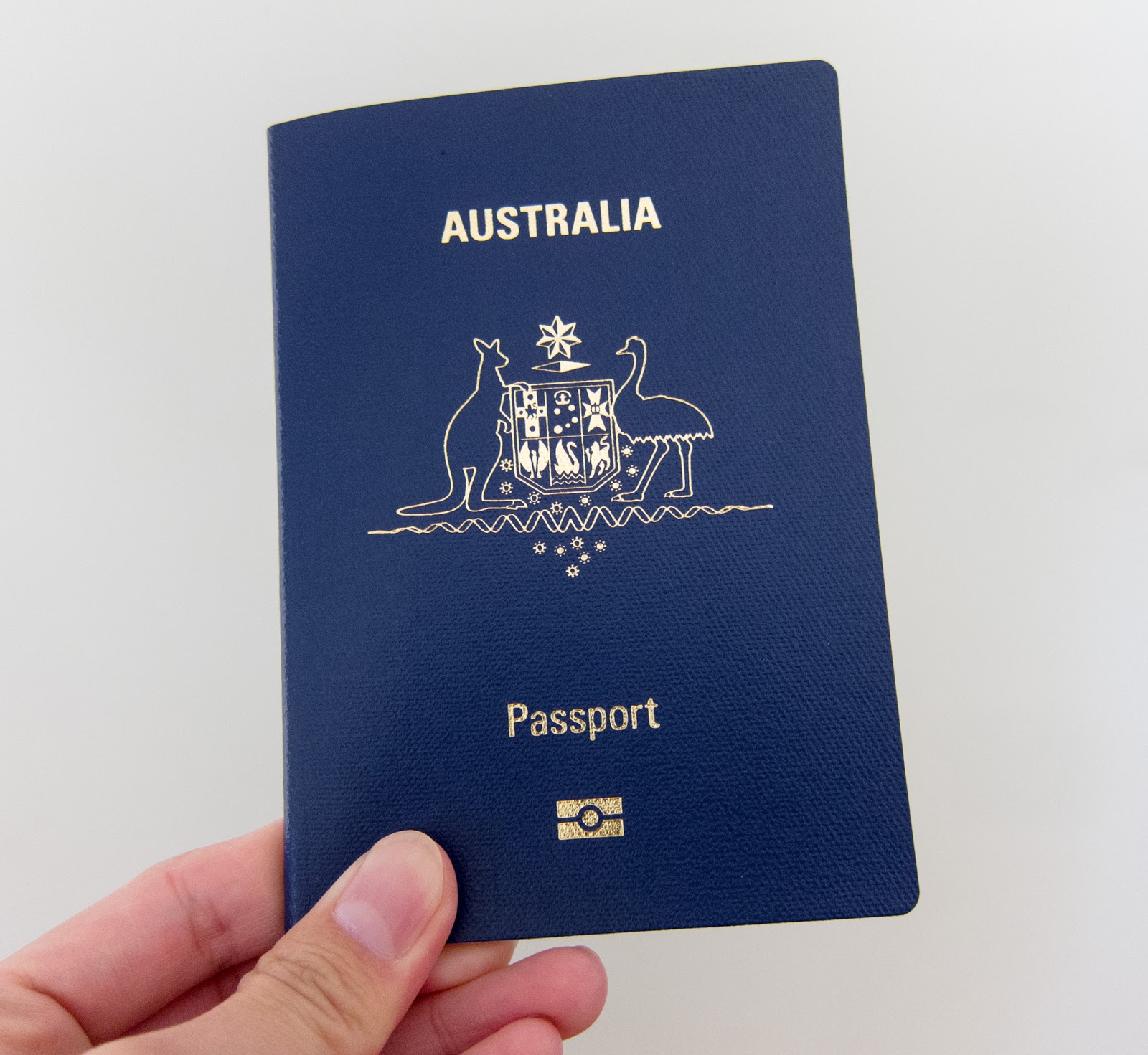
You have heard that Vietnam now offers a digital visa that can be requested online, but you are not sure whether it applies to Australian passport holders or exactly how the process works. If you want to simplify your Vietnam visa application but still have questions about eligibility, required documents, processing time, single or multiple entry, and how to submit the application correctly, this guide will give you the answers you need.
Australian citizens generally need a valid visa to enter Vietnam, and the Vietnam digital visa provides an online application option for Australian passport holders.
A digital visa is particularly attractive because Australians are not necessarily required to visit the Vietnamese Embassy simply to complete this type of visa application. The process can be handled online while you are outside Vietnam. This makes it convenient whether you are applying from Sydney, Melbourne, Brisbane, Perth, Adelaide or elsewhere overseas. Instead of arranging an appointment and following a traditional paper-based visa procedure, eligible travellers can submit the necessary information electronically and receive the visa result online.
The digital visa can also accommodate different travel plans. Vietnam’s electronic visa system is available to citizens of all countries and territories and can issue visas valid for up to 90 days on either a single-entry or multiple-entry basis. This makes the system useful for ordinary tourism as well as eligible business travel, although travellers should always select the visa and purpose appropriate to their circumstances. Most importantly, arrange the necessary visa before travelling rather than assuming it can be resolved after reaching the airline check-in desk.
A Vietnam digital visa is an immigration authorization applied for and issued through an electronic system. Instead of following the conventional process of submitting a physical visa application at an embassy, an Australian traveller can provide the required information and documents online, pay the applicable fee electronically and receive the result online.
There is one terminology point worth clarifying. Vietnamese authorities officially call this an electronic visa, or e-Visa. Throughout this guide, the term “Vietnam digital visa” refers to that official electronic visa system. The different wording should not lead you to think they are two separate types of visas. When researching official rules, you will frequently encounter “electronic visa” or “e-Visa”, while travellers may naturally describe the same concept as a digital or online visa.
For Australians, one of the biggest advantages is flexibility. Vietnam’s current system allows an electronic visa to have a validity of up to 90 days, with either single or multiple entries. The exact visa granted and its validity should always be checked on the issued document rather than assuming that every applicant automatically receives the maximum period. The choice between single and multiple entry also matters greatly if Vietnam is only one part of a wider Southeast Asian itinerary.
Australian passport holders are eligible to use Vietnam’s digital visa system because Vietnam currently makes electronic visas available to citizens of all countries and territories, subject to the applicable immigration rules.
It is useful to distinguish nationality from current location. An Australian citizen does not have to interpret “from Australia” as meaning the person must physically be sitting in Australia when researching the visa. What matters for this guide is that the traveller holds an Australian passport and meets the applicable conditions. The official digital visa system states that this application route is for foreigners who are outside Vietnam and wish to enter the country. It also requires a passport or valid international travel document and excludes people who fall within statutory cases where entry is suspended or a different procedure applies.
This article focuses on ordinary Australian passport holders making typical trips to Vietnam. Diplomatic, official and other special categories may be subject to different procedures. Travellers should also ensure that their passport remains appropriately valid for their journey and satisfies applicable entry requirements. If your passport is close to expiry, renewing it before arranging international travel can prevent the visa being linked to a passport you will no longer use.
The digital application is relatively straightforward, but “simple” should not be confused with “casual”. The information you submit is used for an immigration document, so details should be complete, accurate and consistent with the passport you will actually carry to Vietnam.
Valid Australian passport. Use the passport with which you intend to enter Vietnam. Your full name, passport number, nationality and other identity information on the application should correspond with that document. If you expect to renew or replace your passport before travelling, consider the implications before submitting a visa application using the old passport.
Passport data-page image. Prepare a clear digital image of the passport information page. All relevant information should be legible, the page should be complete rather than awkwardly cropped, and the machine-readable lines at the bottom should remain visible. A clean scan or high-quality image can make it easier to avoid ambiguity.
Recent portrait photograph. Prepare a clear recent portrait suitable for an immigration application. A simple background, clear view of the face and no sunglasses or other items obscuring facial features are sensible preparation principles. Follow the current image specifications displayed by the application system when submitting.
Travel information. Know your intended arrival date, length of stay, entry arrangements and other travel/contact information requested by the form. Do not simply guess at important dates because they can affect whether the issued visa fits your actual itinerary.
Email and application access. Enter an email address you can reliably access and retain your application information after submission. Applicants normally receive the result electronically, and the application system also provides online application/status functionality.
Vietnam Digital Visa Document Checklist for Australians: before beginning, have your Australian passport, a clear passport data-page image, a suitable recent portrait, intended travel dates and entry information, an accessible email address, and a payment method ready. Preparing everything first is much easier than stopping halfway through an immigration form to search for documents.
Step 1 — Check your passport before starting. Take the actual passport you intend to travel with and review its details. Check its expiry date, passport number, full name and other identifying information. Using the physical document as your source reduces the risk of entering important information from memory.
Step 2 — Prepare your digital documents. Have your passport data page, portrait photograph and relevant travel information ready. Give each file a quick quality check before beginning. The goal is to complete the application in one careful session rather than rushing between the application form, camera roll, emails and travel bookings.
Step 3 — Access the Vietnam digital visa application system. Travellers who prefer assistance with their application can use https://www.vietnamimmigration.com/apply-vietnam-visa/ to submit visa application.
Step 4 — Complete your personal and passport information. Enter your details exactly and carefully. Pay particular attention to your full name, date of birth, nationality and passport number. Do not rush through familiar-looking fields: a one-character error in an immigration application is far more important than a typo in an ordinary online form.
Step 5 — Enter your Vietnam travel details. Complete your intended arrival and departure information, entry arrangements and any additional travel details requested. If your itinerary involves leaving Vietnam and returning later, stop here and make sure your chosen entry type actually supports that plan.
Step 6 — Upload the required digital files. Upload your portrait and passport image in accordance with the application’s current specifications. Before continuing, make sure the correct files have been selected and that important passport information is visible.
Step 7 — Review, submit and pay. Treat the review screen as an important part of the application rather than a formality. Check your name, passport number, date of birth, nationality, travel dates, entry information and uploaded documents one more time.
Step 8 — Save your application details and monitor the result. Keep your application information somewhere accessible. Do not assume submission means the process is finished. Monitor the application, respond carefully if a modification is requested and, once the visa is issued, verify the final document before travelling.

Imagine your itinerary is Sydney → Hanoi → Da Nang → Ho Chi Minh City → Sydney. You enter Vietnam once, travel domestically and then leave the country for Australia. For a straightforward itinerary like this, a single-entry digital visa can be sufficient, provided its validity and other conditions cover your trip.
Now consider Melbourne → Ho Chi Minh City → Bangkok → Hanoi → Melbourne. This itinerary is different. After entering Vietnam in Ho Chi Minh City, you leave Vietnam for Thailand and later return to Vietnam through Hanoi. That second arrival into Vietnam means you need permission that accommodates another entry; a multiple-entry digital visa is therefore the appropriate option to consider.
Vietnam’s digital visa can currently be valid for up to 90 days and issued for either single or multiple entries. Do not interpret “90 days” as meaning every visa will automatically cover any 90-day period you choose after arrival. Read the validity shown on the visa itself and plan your entries within the permission actually granted.
For planning purposes, do not treat processing time as an absolute guarantee. Vietnam digital visa processing normally takes approximately 3–5 working days for a straightforward application.
This is why travellers should not build an international trip around the most optimistic number. Individual processing can vary, weekends and holidays matter, and an application that requires correction changes the timeline.
Flying soon? Avoid assuming that an ordinary processing estimate guarantees a result before your flight. If your departure is approaching, first check your current application status and whether any correction has been requested. Travellers who need additional assistance can then investigate legitimate expedited support options where available.
Seeing “approved” is good news—but it should not be the last time you look at your visa before flying. Open the issued document while you still have enough time to respond if something appears wrong.
Start with identity information. Compare your full name and passport details against the passport itself rather than relying on memory. Then examine the visa’s validity and travel dates. Make sure the permission you have received actually covers the period in which you intend to enter and stay in Vietnam, and verify whether it is single or multiple entry if that distinction matters to your itinerary.
Finally, check your entry arrangements and keep an accessible copy of the visa for your journey. A useful habit is to store the document in more than one accessible place—for example, with your travel documents and on a device you will carry. Your objective is simple: discover discrepancies while you still have time to address them, not at airline check-in.
A Vietnam digital visa does not mean that every border crossing automatically accepts this type of visa. Electronic-visa holders must enter and exit through international border gates designated for this visa type.
For most Australians arriving by air, the good news is that many of Vietnam’s principal international gateways are on the approved list. These include major arrival points such as Noi Bai in Hanoi, Tan Son Nhat in Ho Chi Minh City, Da Nang, Cam Ranh and Phu Quoc, among other approved airports.
Travellers planning less conventional routes—particularly overland journeys through Southeast Asia or cruise/seaport arrivals—should pay even closer attention to this requirement.
You can review this detailed Vietnam digital visa entry-port guide when planning your route:
Before finalising transport, verify that your intended checkpoint remains eligible under the current rules.

Your flights are booked, the hotel is paid for and your departure date is suddenly much closer than it looked when you started planning. Yet your digital visa has not arrived. This is the point where travellers are most tempted to panic, submit duplicate applications or make decisions based on unverified advice. A more useful approach is to identify exactly where your application stands.
If you still have sufficient time, monitor the application and check whether additional information or a modification has been requested. If a correction has been requested, address it carefully rather than rushing.
If your departure is approaching and you need professional assistance, VietnamImmigration.com offers visa-support services for travellers who want help with document checking, application handling and available urgent-processing options.
For urgent Vietnam visa assistance:
Professional support can be particularly useful when time is limited because it gives you an experienced point of contact to help review the process rather than leaving you to interpret every issue alone.
Before leaving Australia, make one final comparison between your travel plan and your documents. Check that the passport you are carrying is the passport associated with your visa; your approved digital visa is accessible; your personal and passport details match; the visa validity covers your journey; the number of entries suits your itinerary; and your planned border gate is eligible for digital-visa entry.
Do this before the day of departure. Finding a problem while packing at home gives you options; finding the same problem at check-in creates unnecessary pressure.
Your Vietnam visa should be one of the first things you settle—not the last thing you worry about before departure. Apply early, check every detail carefully, choose single or multiple entry according to your actual itinerary, and seek professional assistance if your application or travel schedule leaves little room for uncertainty. Once those details are in order, you can put the paperwork aside and focus on the much better part of the journey: experiencing Vietnam.
You may have seen the term “Vietnam Visa on Arrival” and assumed it means you can board a flight from Australia without a visa, land in Vietnam, walk up to …
Planning a trip to Vietnam from Australia? Understanding the visa application process before you begin can save time, reduce the risk of mistakes, and help ensure a smoother journey. Although …
Vietnam is an ideal destination for Australian travellers looking for a holiday filled with vibrant cities, tropical beaches, historic towns, dramatic landscapes and unforgettable food. However, a smooth trip requires …
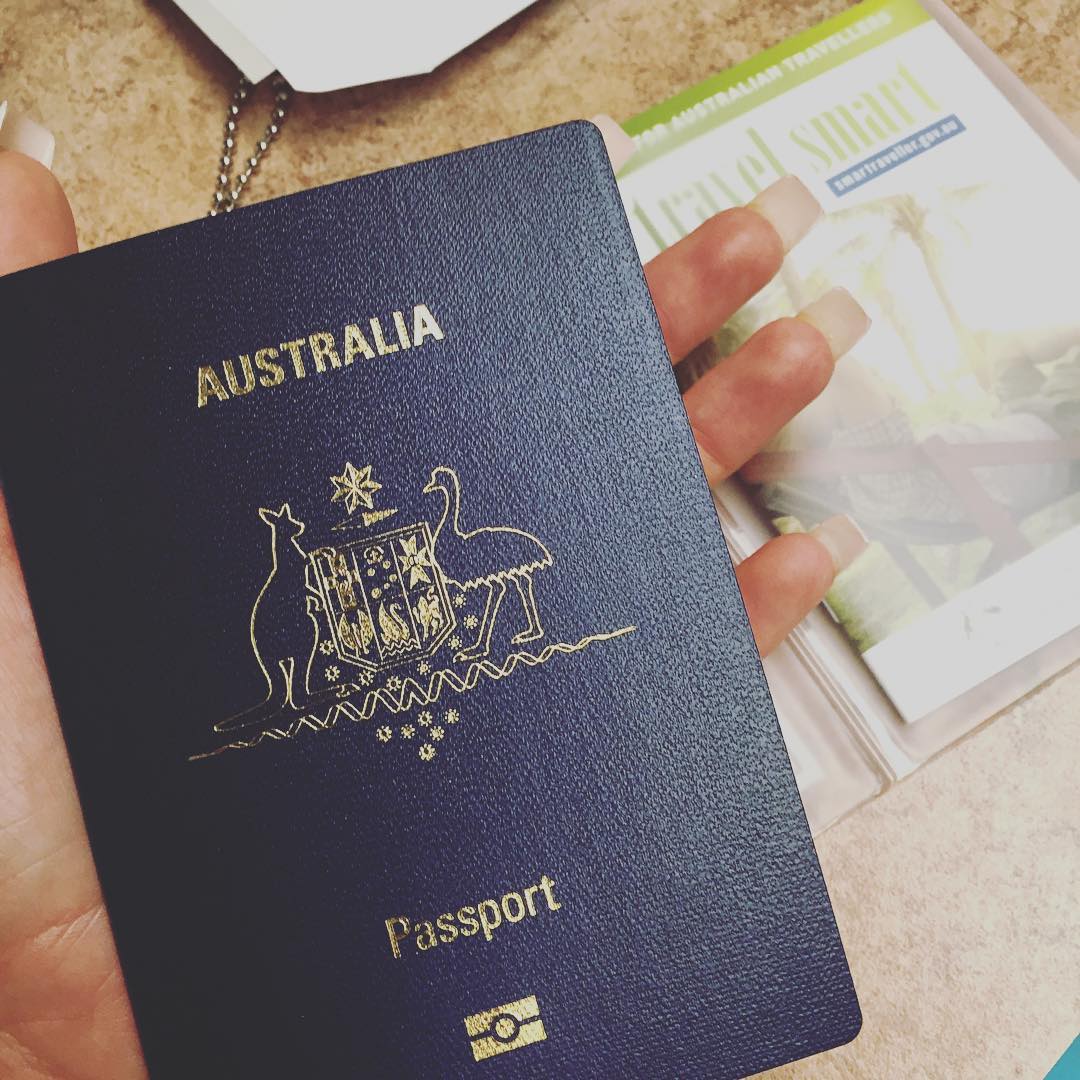
You’ve just booked your flights to Vietnam and started planning an unforgettable journey through Hanoi, Hoi An, and Ho Chi Minh City. But before you get too excited, there’s one …
Imagine receiving an invitation to an important business meeting in Vietnam just a few days before departure. Your flights are already booked, your hotel is confirmed, and your schedule is …
Your trip to Vietnam is just around the corner. Flights are booked, hotels are confirmed, and your itinerary is finally coming together. Then suddenly, you realize your Vietnam E-Visa hasn’t …
You’re only a few hours away from boarding your flight from Australia to Vietnam when you suddenly realize you haven’t applied for your Vietnam visa. It’s a situation that catches …
Imagine arriving at the airport in Sydney or Melbourne, excited for your upcoming trip to Vietnam. Your bags are packed, your hotel reservations are confirmed, and you’re already thinking about …
Your bags are packed. Your flights to Ho Chi Minh City are booked. You’re set to take off tomorrow. Then it hits you — you haven’t secured your Vietnam visa. …