Getting ready for a holiday in Vietnam should feel exciting—not overwhelming. Yet for many Canadians, the visa application becomes a source of stress when departure is approaching. Vietnam’s electronic visa …

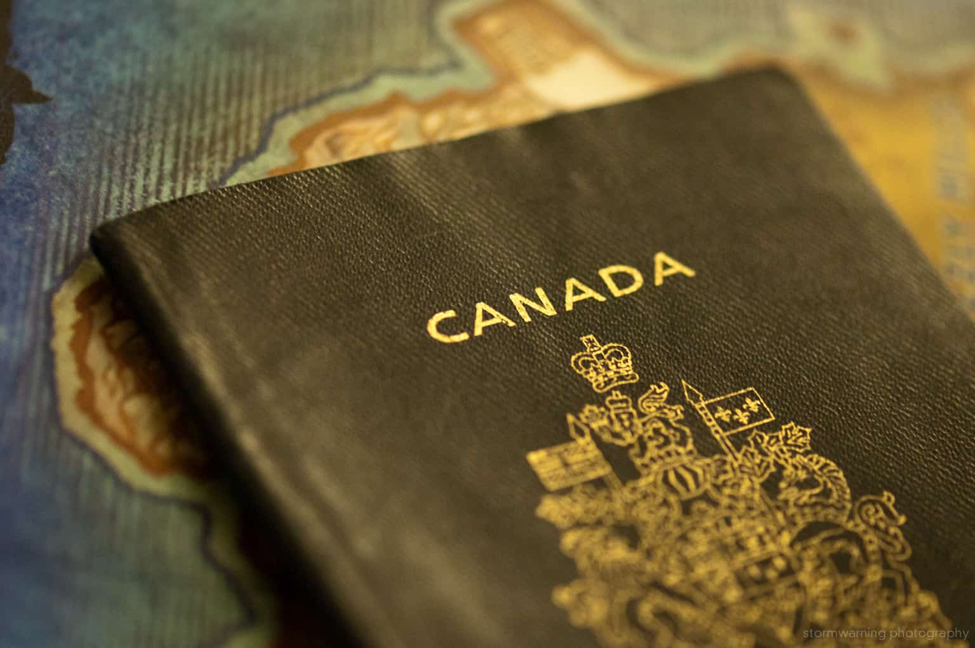
Planning a vacation to Vietnam from Canada often begins with the enjoyable decisions: Hanoi or Ho Chi Minh City? Ha Long Bay or the beaches of Central Vietnam? A few days in one city or a longer journey across the country? Visa requirements usually come later—and that is where straightforward travel planning can suddenly become confusing. Do Canadians need a visa? Is an e-visa suitable for a vacation? What is a “vacation visa”? Should you choose single or multiple entry? And how far ahead should you apply? These questions become even more important if your itinerary includes neighboring destinations such as Thailand, Cambodia, Singapore, or Laos before returning to Vietnam. Instead of treating the visa as an isolated formality, it helps to connect it directly to your travel plan. Your intended arrival date, length of stay, number of entries and entry point can all matter when choosing and completing an application. This guide is designed specifically for Canadian passport holders planning a holiday in Vietnam. It explains the terminology in plain English, shows what to prepare, walks through the application process, highlights common mistakes and explains what to check once a visa is issued. By understanding these details before departure, you can spend less time untangling visa terminology and more time preparing for the trip itself.
| Question | What You Will Learn |
|---|---|
| Do Canadians need a visa? | When Canadian travelers need a visa and the important Phu Quoc exemption |
| What is a vacation visa? | Why “tourist visa” or “e-visa” is generally more accurate terminology |
| Which visa should I choose? | How duration, entries and itinerary affect your choice |
| What documents do I need? | Passport, photo and travel information to prepare |
| How do I apply? | A practical seven-step application process |
| How long does processing take? | Standard processing considerations and urgent options |
| What mistakes should I avoid? | Common application errors that can cause unnecessary problems |
| What happens after approval? | The details you should check before traveling |
Canadian passport holders generally need an appropriate visa or other valid entry permission to travel to Vietnam for a vacation unless their particular trip qualifies for an applicable visa exemption.
This is an important point to establish before booking the final details of your journey. Even if you plan to stay in Vietnam for only a short period, you should not assume that the length of the trip automatically makes you visa-exempt.
For an ordinary vacation that includes destinations such as Hanoi, Ho Chi Minh City, Da Nang, Hoi An, Nha Trang or Ha Long Bay, Canadian travelers should arrange the appropriate visa before traveling unless another current exemption specifically applies to their circumstances.
There is, however, an important exception involving Phu Quoc Island.
Eligible foreign visitors can benefit from Phu Quoc’s visa-exemption policy for a limited stay—commonly up to 30 days—when all applicable conditions are satisfied. The itinerary matters. Travelers intending to rely on this exemption should carefully check the current requirements concerning arrival, departure, length of stay and whether their trip includes destinations elsewhere in Vietnam.
In other words, simply planning to spend a few nights in Phu Quoc does not automatically mean that the rest of a Vietnam itinerary becomes visa-free.
If your trip does not meet the conditions of an applicable exemption, arrange your visa before departure. Airlines may check whether passengers have the necessary travel authorization before boarding, while Vietnamese immigration authorities make the final decision regarding admission at the border.

“Vietnam vacation visa” is a phrase travelers may naturally use when searching online, but it should not be confused with the formal name of a separate Vietnamese visa category.
If you are visiting Vietnam to explore the country, relax on the beach, experience its food and culture, visit attractions or simply spend your holiday there, your purpose of travel is tourism.
That is why you are more likely to encounter terms such as:
For many Canadian vacationers, the e-visa system provides a convenient way to obtain the required travel authorization online before departure.
The most important principle is simple: your visa application should reflect your actual purpose of travel.
If you are traveling for tourism, provide accurate information consistent with a tourism trip. Do not intentionally select another purpose merely because you think it may make the application easier.
The information on your application, passport and travel arrangements should be consistent. This makes careful preparation more important than trying to find a shortcut through the process.
For many Canadian tourists, a Vietnam e-visa is the most practical option.
The application can be completed online before traveling, which means you can arrange your entry permission from Canada without needing to complete an ordinary tourist visa application after arriving at the airport.
You may also see websites referring to Visa on Arrival (VOA). Travelers should be careful when reading this information because Vietnam’s visa procedures have changed over time, while older articles about visa on arrival can remain online.
Do not assume that an ordinary Canadian tourist can simply board a flight without prior authorization and obtain a tourist visa after landing. Check the current procedure that applies to your circumstances before departure.
For a typical vacation, start by considering five factors:
Purpose of travel → Length of stay → Number of entries → Intended arrival date → Entry point
Each can affect how you should prepare your application.
Purpose of travel
If your reason for visiting Vietnam is a holiday, sightseeing or leisure travel, make sure the purpose stated in your application corresponds with tourism.
Length of stay
Count the dates of your intended trip carefully rather than choosing a visa duration based on a rough estimate.
Vietnam’s e-visa framework can permit validity of up to 90 days, subject to the dates and conditions stated on the issued visa. This does not mean every tourist needs a 90-day visa. Your requested period should reflect your actual travel plan.
Single entry or multiple entry
This distinction is particularly important for travelers planning a multi-country Asian vacation.
A single-entry visa allows one entry under the validity and conditions of that visa. Once you leave Vietnam, you should not assume that the same single-entry permission can be used to return.
A multiple-entry visa is designed for travelers who need to enter Vietnam more than once during its permitted validity.
Consider this itinerary:
Canada → Vietnam → Thailand → Vietnam → Canada
You enter Vietnam, leave for Thailand, and then return to Vietnam before flying home. Because the itinerary involves two arrivals in Vietnam, you should make sure your visa arrangements cover the required number of entries.
This is why it is useful to map out the entire journey—not only your first flight to Vietnam—before submitting the application.

Preparing the required files and information in advance makes the application much easier.
| What to Prepare | Why It Matters |
|---|---|
| Valid Canadian passport | Your passport establishes your identity and must satisfy the applicable entry requirements |
| Clear passport bio-page image | Important information must be readable and consistent with your original passport |
| Suitable portrait photograph | A recent digital portrait should comply with the current application specifications |
| Intended travel dates | These help determine the visa period you need to request |
| Entry information | Your planned entry details should correspond with your itinerary |
| Accommodation/travel information | Relevant travel details may be requested during the application |
| Payment method | Needed for applicable government and/or service fees |
One simple habit can prevent many application errors:
Keep your passport next to you while completing the form.
Do not type your passport number from memory. Do not assume you remember the exact spelling or order of your name. Read the information directly from your passport and compare it with what you enter.
The passport image should also be clear and readable. Avoid blurred images, glare, missing edges or files where important information is obscured.
For the portrait photograph, follow the current specifications of the application system. A clear, recent image with a plain background is generally preferable, but you should always follow the requirements displayed when applying.
Once you know what type of entry arrangement your vacation requires and have your documents ready, the application process becomes much more straightforward.
Here is a practical seven-step approach.
Step 1: Determine the appropriate visa option
Confirm that your purpose of travel is tourism and review the entire itinerary.
Ask yourself:
Answering these questions before applying helps you avoid choosing an arrangement that does not fit your trip.
Step 2: Prepare your passport and application information
Have your Canadian passport, clear passport-page image, suitable portrait photo and travel details ready before starting.
This prevents you from having to stop halfway through the application to search for missing information.
Step 3: Complete the application carefully
Enter your personal, passport and travel details exactly as requested.
If you prefer assistance with preparing and checking your Vietnam visa application, you can submit your information through our visa support service:
This can be useful for travelers who are uncertain about the application requirements, would like an additional review of their information or want assistance understanding available processing options.
Step 4: Review your application before submitting
This is one of the most important steps.
Compare the application directly with your passport and itinerary.
Check:
A minute spent reviewing these details before submission can prevent unnecessary complications later.
Step 5: Submit the application and applicable payment
Once you are satisfied that the information is accurate, submit the application through the appropriate channel and complete the required payment.
Government fees and any separate service fees depend on the application route and service selected. Make sure you understand what you are paying for before completing the transaction.
Step 6: Monitor the application
Keep your application or reference information somewhere accessible.
Monitor the application through the appropriate channel and pay attention to any request for additional information or correction.
If something needs to be amended, deal with it promptly rather than waiting until your departure date is close.
Step 7: Check your visa after approval
Receiving an approved visa does not mean you should immediately close the email and forget about it.
Open the document and compare its details with both your passport and itinerary.
The goal is to discover any discrepancy while you still have time to address it.

Vietnam visa processing time is an important consideration when planning a vacation from Canada.
For e-visa applications, official processing is generally described in working days, and straightforward applications are commonly processed within several working days. However, a normal processing timeframe should not be interpreted as a guaranteed approval deadline.
A working day is different from a calendar day.
Weekends and applicable public holidays are generally not counted in the same way as normal working days. Therefore, three working days does not necessarily mean 72 consecutive hours.
For example, an application submitted close to a weekend or holiday period may effectively involve a longer calendar wait than someone initially expects.
Processing may also take longer if an application needs:
For this reason, it is better to apply with reasonable time before your departure rather than planning around the shortest possible processing period.
If your flight is approaching and the standard processing schedule may no longer fit your itinerary, professional visa-support providers may offer expedited processing assistance.
Depending on the case, travel date and processing availability, urgent service options may include approximately 1–2 working days or, for eligible urgent situations, processing assistance measured in hours, such as 2–8 hours.
Urgent processing availability should always be confirmed for your specific case before you rely on it. Immigration approval remains subject to the competent Vietnamese authorities.
Applying for a Vietnam visa is usually manageable, but accuracy matters. Many problems can be avoided by paying attention to a few basic details.
1. Entering passport details incorrectly
One incorrect character in a passport number can create a mismatch between your travel document and visa information.
Always copy the number directly from your passport.
2. Entering a name that does not match the passport
Your visa application should correspond with the information shown in your travel document.
Avoid using nicknames or changing the spelling because that is how you normally write your name elsewhere.
3. Choosing incorrect travel dates
International travel can involve overnight flights and date changes.
Check the date on which you actually expect to arrive in Vietnam rather than relying only on the departure date printed at the beginning of your flight itinerary.
4. Selecting an unsuitable number of entries
This mistake often happens on multi-country trips.
If your vacation involves leaving Vietnam and returning later, check whether you need multiple-entry permission before submitting the application.
5. Uploading unsuitable files
A blurred passport image, cropped information or an unsuitable photograph can create avoidable processing issues.
Review every uploaded file before submitting.
6. Failing to review the issued visa
Do not assume that everything must be correct simply because your application has been approved.
Compare the issued visa with your passport and travel itinerary.
7. Leaving the application too close to departure
The closer your flight gets, the less flexibility you have if additional processing or a correction becomes necessary.
Applying earlier gives you more room to deal with unexpected issues calmly.
Once your Vietnam visa is issued, complete one final review before considering the process finished.
Check:
Full name ✓
Passport number ✓
Nationality and personal information ✓
Visa validity dates ✓
Number of entries ✓
Other relevant visa details and conditions ✓
Then compare these details with your travel itinerary.
Does the validity cover your planned arrival?
Does the visa cover the required number of entries?
Does the passport number match the passport you will actually use for the trip?
These checks take only a few minutes but are worth doing before departure.
If you notice a discrepancy, seek appropriate assistance before traveling rather than assuming that the issue will not matter during airline document checks or immigration inspection.
Some Canadian travelers are comfortable completing the entire Vietnam visa application independently. Others prefer having someone review their information, answer questions and help them understand which processing option fits their travel schedule.
Both approaches can work. The right choice depends on how straightforward your case is and how comfortable you are handling the application yourself.
If you would like professional assistance, our Vietnam visa support service is available here:
The service is designed to simplify the application process for international travelers. Depending on your circumstances and the service selected, assistance can include reviewing application information before processing, helping identify missing or inconsistent details, simplifying document preparation and answering questions related to visas and entry procedures.
For travelers with less time before departure, expedited processing options may also be available for eligible cases.
Professional assistance can be especially useful when:
A visa-support service does not replace Vietnamese immigration authorities, and the final immigration decision remains with the competent authorities. Before using any service, review its current fees, processing conditions, service terms and applicable refund policy.
The purpose of professional assistance is not to make the visa process appear more complicated than it is. It is to give travelers who want additional support a more structured way to prepare their application and resolve questions before they become travel-day problems.
Do Canadian citizens need a visa for Vietnam?
Canadian passport holders generally need an appropriate visa or other valid entry permission to visit Vietnam unless their specific circumstances qualify for an applicable visa exemption.
Travelers planning to rely on the Phu Quoc visa exemption should carefully verify that their itinerary satisfies all current conditions before departure.
Can Canadians apply for a Vietnam visa online?
Yes. Canadian passport holders can apply online through Vietnam’s e-visa system when they meet the applicable requirements.
For many Canadian tourists, an e-visa is a convenient option because the application can be arranged before leaving Canada.
What documents do Canadians need to apply for a Vietnam tourist visa?
For a typical online application, Canadian travelers should prepare a valid passport, a clear image of the passport bio page, a suitable portrait photograph and the personal and travel information requested by the application system.
Because requirements can change, check the current specifications before submitting your application.
How long can a Canadian stay in Vietnam?
Vietnam’s current e-visa framework can provide validity of up to 90 days, subject to the dates, number of entries and conditions stated on the issued visa.
“Up to 90 days” should not be interpreted as automatic permission for every visitor to remain for exactly 90 days. Always follow the validity and conditions shown on your own visa.
Can Canadian tourists enter Vietnam more than once?
Yes, if they obtain an appropriate multiple-entry visa that remains valid for their intended return.
For example, if your itinerary is Canada → Vietnam → Cambodia → Vietnam → Canada, make sure your visa arrangements allow the second entry into Vietnam.
A single-entry visa should not be treated as reusable after you have left the country.
What should I do if my travel date is approaching?
First, check the status of your application and calculate how many working days remain before departure.
If the normal processing timeframe no longer fits your schedule, you can investigate whether an expedited processing option is available for your particular case.
Urgent assistance may be available in some circumstances, but confirm eligibility, timing and service conditions before relying on it.
Getting a Vietnam vacation visa from Canada becomes much easier when you approach the process in the right order: understand your itinerary, choose the appropriate entry arrangement, prepare accurate information, submit the application carefully and check the issued visa before traveling.
Your visa should be part of your travel planning rather than a last-minute formality. Give yourself reasonable processing time, pay close attention to your passport and travel details, and seek assistance if you are unsure about the application or need additional support. Once the visa arrangements are in place, you can turn your attention back to the more enjoyable decisions—where to go, what to see and how to make the most of your vacation in Vietnam.
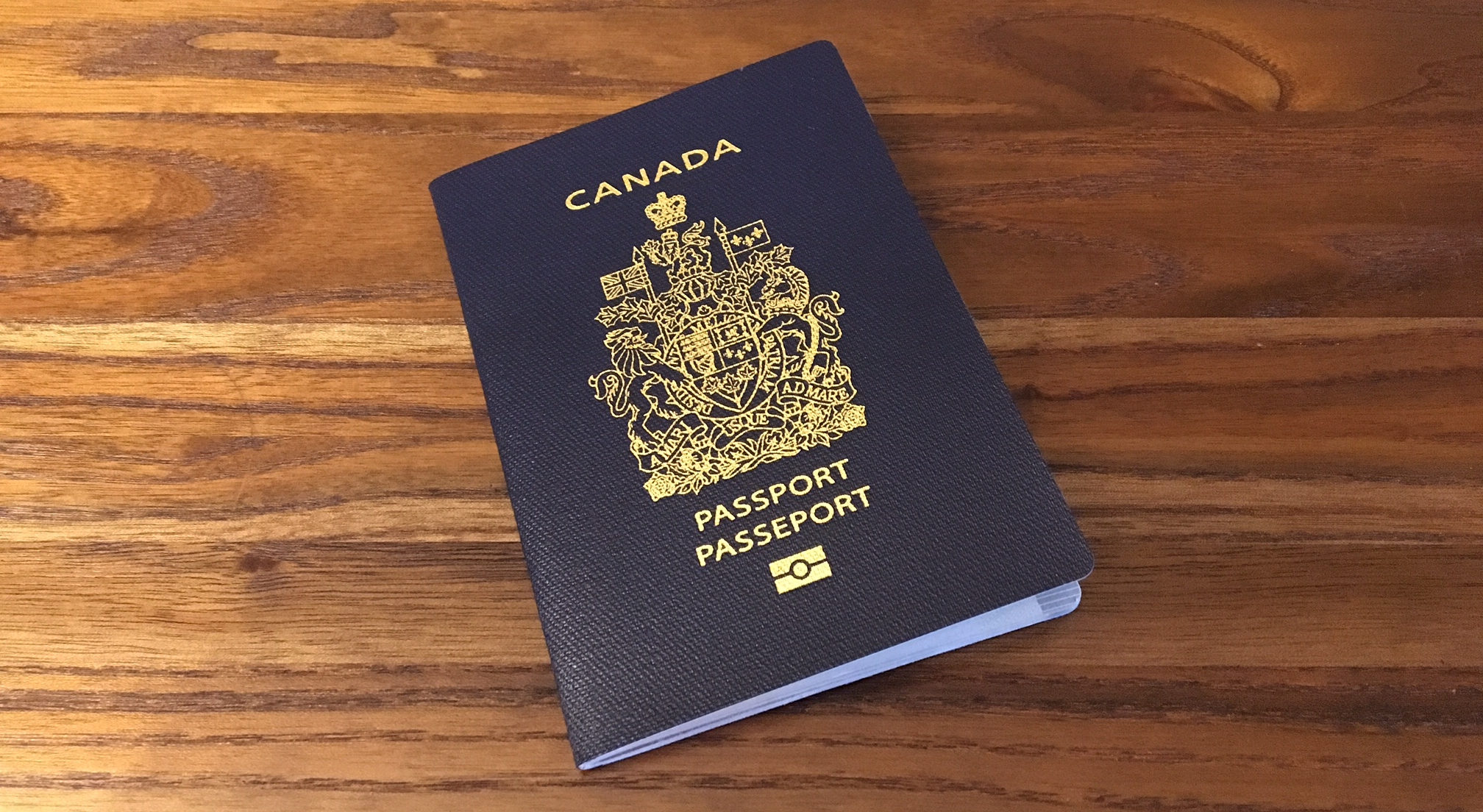
Getting ready for a holiday in Vietnam should feel exciting—not overwhelming. Yet for many Canadians, the visa application becomes a source of stress when departure is approaching. Vietnam’s electronic visa …
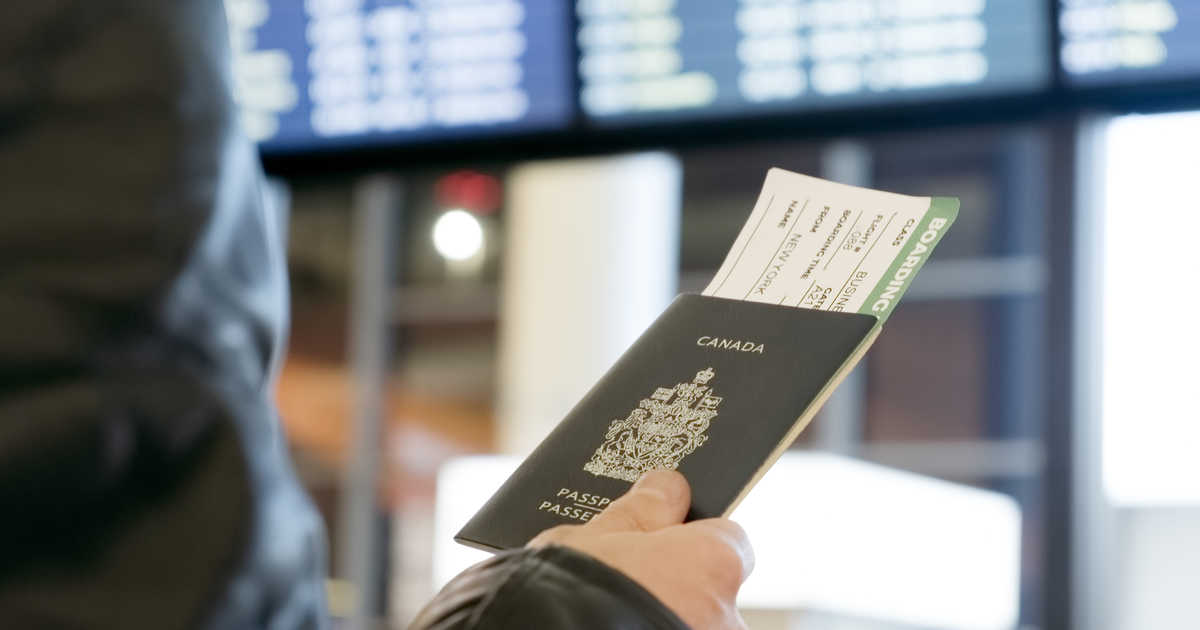
Planning a trip to Vietnam from Canada but unsure how the visa process works? Wondering whether Canadian passport holders can apply online, if visiting a Vietnamese embassy is still necessary, …
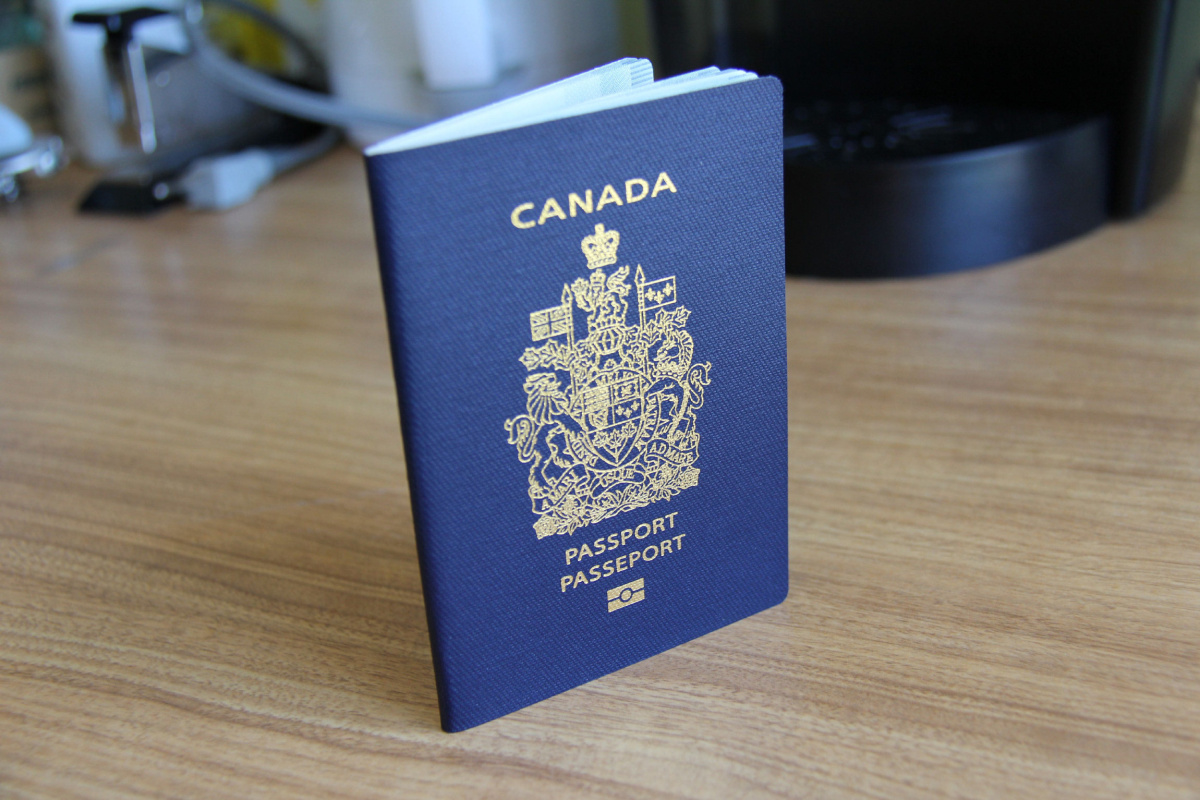
Your flight to Vietnam is booked, your accommodations are confirmed, and your itinerary may already include the historic streets of Hanoi, the lantern-filled evenings of Hoi An, and the nonstop …
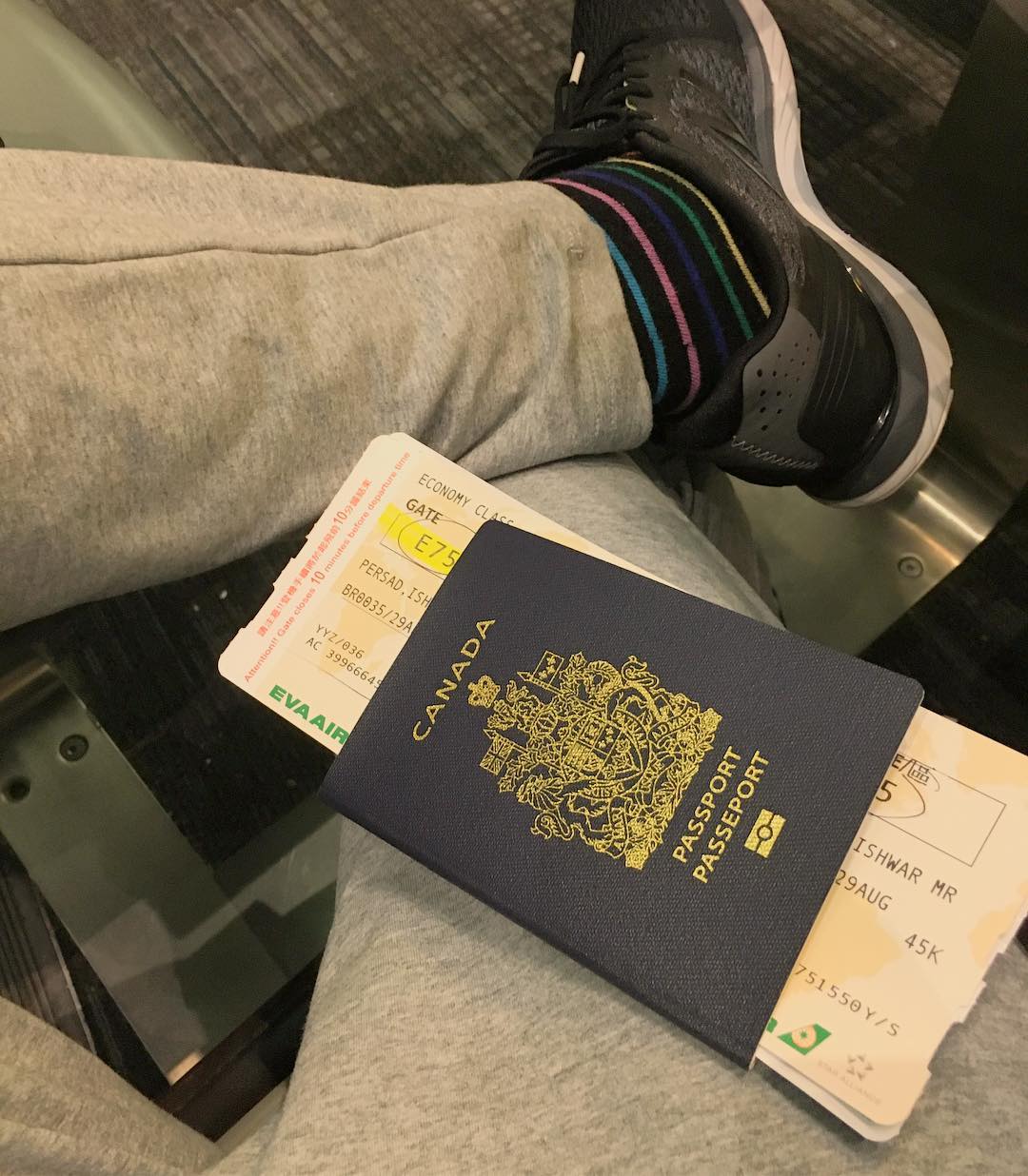
You’ve booked your flights, arranged your accommodation, and counted down the days until your trip to Vietnam. Then, while reviewing your travel documents, you realize one important detail has been …
Nothing disrupts an international trip faster than realizing you still need a visa just hours before departure. It happens more often than most Canadian travellers expect. Some book a spontaneous …
Your departure date is fast approaching. Your flights have been booked for weeks, your accommodation is confirmed, and you’ve already started counting down the days until you arrive in Vietnam. …
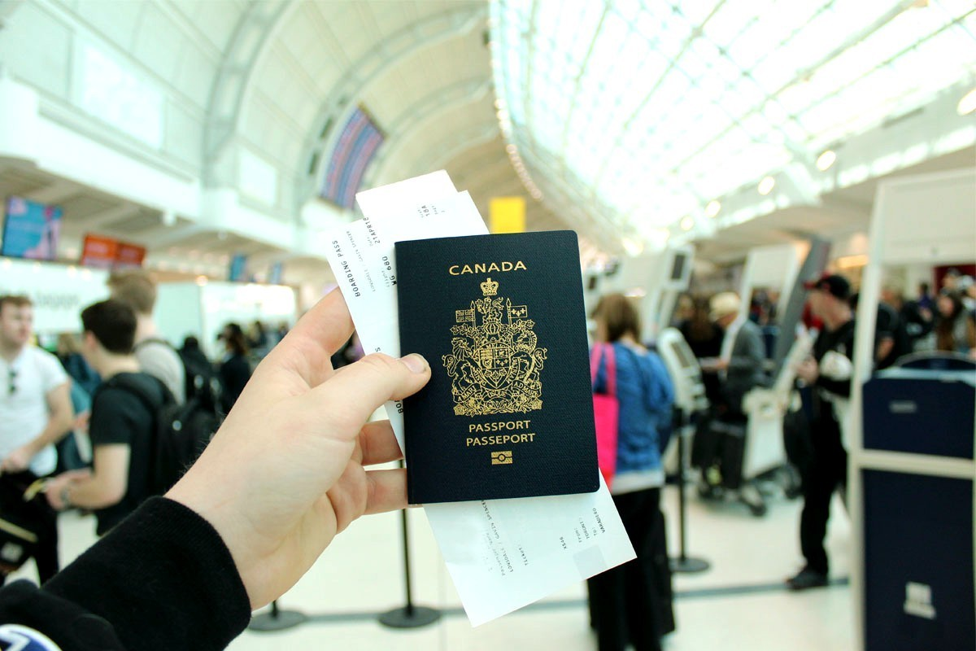
Your flights are booked, your hotel confirmation is sitting in your inbox, and your travel dates are only days away. Then you realize one essential item is still unresolved: your …
You’ve already submitted your Vietnam e-visa application, but your departure date is quickly approaching. Maybe your flight is only a few days away—or even just hours from now. You keep …
If you’re a Canadian traveler planning a trip to Ho Chi Minh City, understanding Vietnam’s visa process might feel a bit confusing at first. With different visa options and requirements, …