Vietnam continues to attract thousands of American travelers each year with its breathtaking landscapes, vibrant cities, rich culture, and world-famous cuisine. If you’re planning a trip from the United States, …

Vietnam has become one of the fastest-growing travel destinations for Americans looking to experience something beyond the usual vacation spots. Whether you’re planning a two-week cultural adventure, a beach getaway, or a culinary journey through Southeast Asia, Vietnam offers an incredible combination of breathtaking landscapes, rich history, welcoming locals, and exceptional value for your travel budget. From the bustling streets of Ho Chi Minh City to the peaceful rice terraces of northern Vietnam and the turquoise waters of Da Nang and Phu Quoc, every region offers a completely different experience waiting to be explored.
However, a memorable trip starts long before you board your flight. Understanding Vietnam’s entry requirements, preparing the right travel documents, securing your visa, choosing the best time to visit, and planning your itinerary in advance can save you from unnecessary stress and unexpected delays. A little preparation goes a long way toward making your vacation smoother, safer, and far more enjoyable. This guide walks American travelers through everything they should know before visiting Vietnam, helping you plan with confidence from the very beginning.
Vietnam has steadily gained popularity among American travelers over the past decade, and it’s easy to understand why. The country combines world-class scenery, fascinating history, vibrant cities, incredible food, and affordable travel costs into one unforgettable destination.
Although Vietnam is located halfway around the world, modern flight connections from major U.S. cities make the journey easier than ever. Many travelers choose to spend ten days to three weeks exploring different regions, allowing enough time to experience Vietnam’s diverse landscapes and culture.
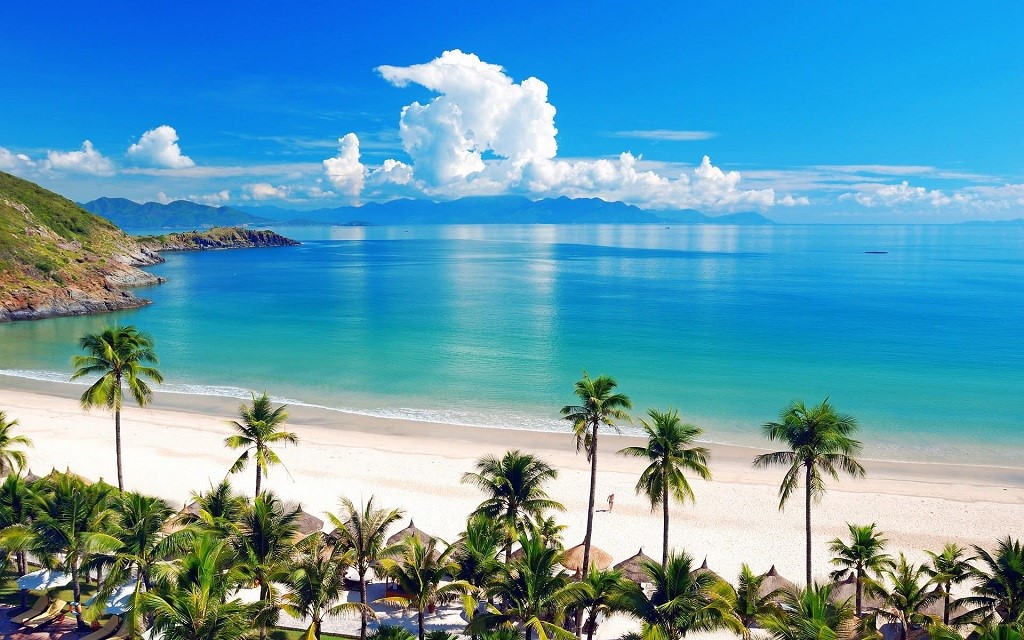
History enthusiasts often begin their journey in Hanoi, where centuries-old architecture blends with modern city life. Others head south to Ho Chi Minh City for its energetic atmosphere, museums, shopping, and nightlife. Beach lovers frequently choose Da Nang, Nha Trang, or Phu Quoc Island, while travelers seeking unique cultural experiences often add Hoi An, Hue, Sapa, or Ha Long Bay to their itineraries.
Food is another major reason Americans fall in love with Vietnam. Authentic pho, banh mi, fresh spring rolls, grilled seafood, Vietnamese coffee, and countless regional specialties provide an entirely different dining experience from Vietnamese restaurants back home.
Perhaps most appealing is the exceptional value. Hotels, transportation, dining, and entertainment generally cost significantly less than many other international destinations, allowing visitors to enjoy a premium travel experience without exceeding their budget.
Booking your flights and hotels is only one part of planning an international trip. The most successful vacations usually begin with careful preparation several weeks before departure.
Once your travel dates are confirmed, it’s a good idea to organize everything in a logical order. Start by checking your passport, applying for your Vietnam visa, booking flights and accommodations, purchasing travel insurance, and then arranging transportation, internet access, and spending money.
A helpful checklist includes:
Keeping both digital and printed copies of your passport, visa approval, hotel reservations, travel insurance, and flight confirmations can be extremely useful if your phone battery dies or internet access becomes unavailable.
A day or two before departure, review every reservation carefully. Double-check your passport information, flight schedule, visa details, and accommodation bookings to avoid last-minute surprises.
Vietnam stretches more than 1,000 miles from north to south, meaning weather conditions vary significantly depending on where you’re traveling.
Rather than looking for one perfect season to visit the entire country, it’s better to plan your trip around the specific destinations on your itinerary.
Northern Vietnam—including Hanoi, Ha Long Bay, Ninh Binh, and Sapa—experiences four distinct seasons. Spring and fall generally offer pleasant temperatures and comfortable sightseeing conditions, while winter can be surprisingly cool in mountainous areas.
Central Vietnam, including Da Nang, Hoi An, and Hue, enjoys long stretches of warm weather that make beach vacations especially popular.
Southern destinations such as Ho Chi Minh City, the Mekong Delta, and Phu Quoc remain warm throughout the year, with distinct dry and rainy seasons. Even during the rainy months, showers are often brief and followed by sunshine.
Many American travelers plan their vacations around school breaks, Thanksgiving, Christmas, New Year’s, Spring Break, or summer vacations. During these peak travel periods, booking flights and hotels several months ahead is highly recommended to secure better prices and availability.
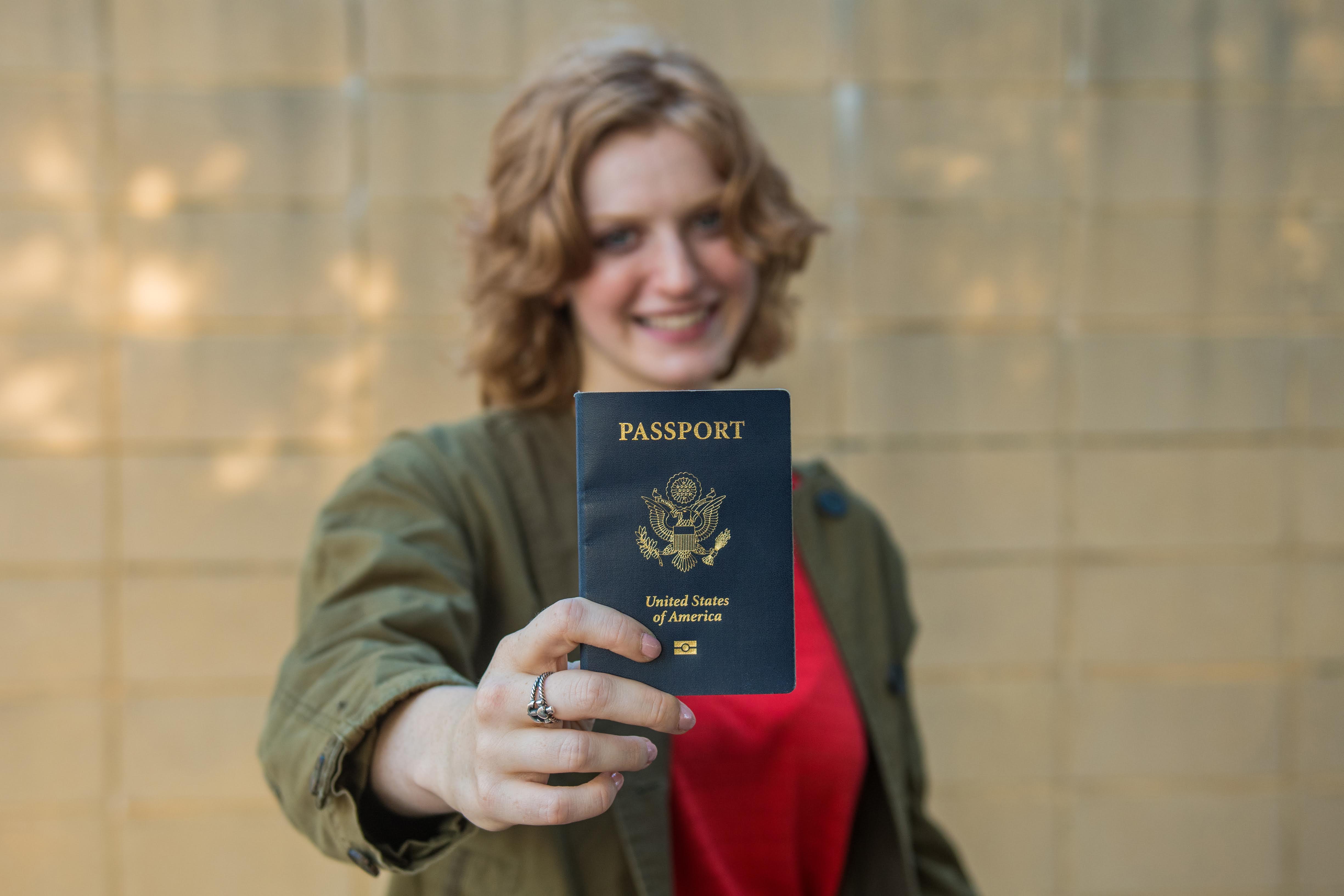
Your passport is the single most important document you’ll carry throughout your trip. Before making any reservations or applying for a visa, verify that your passport meets Vietnam’s entry requirements.
Every detail entered on your visa application must exactly match your passport information, including:
Even a small typo can delay visa processing or create complications upon arrival.
If you’re applying for a Vietnam eVisa, you’ll also need to upload a clear image or scanned copy of your passport’s identification page. Make sure the entire page is visible, easy to read, and free of glare or shadows.
If your passport is close to expiring or you’re planning to renew it, complete the renewal process before applying for your Vietnam visa. This helps prevent discrepancies between your passport and visa records.
It’s also wise to save digital copies of your passport in secure cloud storage and carry printed copies separately from the original document in case of emergencies.
For most American travelers, obtaining a Vietnam visa is one of the first and most important steps when planning a trip.
Today, many visitors choose to apply online for a Vietnam eVisa because the process is straightforward, convenient, and eliminates much of the paperwork associated with traditional visa applications.
Depending on your itinerary, you may choose either a single-entry visa or a multiple-entry visa.
A single-entry visa works well if you plan to stay within Vietnam for your entire vacation. However, if your itinerary includes neighboring countries such as Thailand, Cambodia, or Laos before returning to Vietnam, a multiple-entry visa may be the better option.
Before submitting your application, prepare the following information:
Most applications require:
If you’d like a faster and more streamlined application experience, you can apply through:
Before submitting your application, carefully review every detail to ensure your name, passport number, birth date, and travel information exactly match your passport.
VietnamImmigration.com offers professional visa assistance, including document review, application verification, photo checks, and dedicated customer support. Their experienced team helps reduce common application mistakes and provides guidance throughout the entire visa process.
Although eVisas are often processed within a few business days, applying well in advance of your departure gives you additional time should any corrections or supporting documents be required.
Once your visa has been approved, download a copy, print an extra backup, and verify that your personal information, visa validity dates, number of entries, and designated entry point are all correct before departing for Vietnam.

Booking your flights is one of the biggest steps in planning your Vietnam vacation. Since airfare often represents a significant portion of your travel budget, comparing routes and booking early can make a noticeable difference.
There are currently no nonstop commercial flights between the United States and Vietnam, so most travelers will connect through major international hubs in countries such as Japan, South Korea, Taiwan, Singapore, or Hong Kong before continuing to Vietnam.
The most common arrival airports include:
When comparing flight options, don’t focus solely on the lowest fare. Consider total travel time, layover length, baggage allowance, airline reputation, and arrival times. Paying slightly more for a shorter itinerary or a more convenient connection can significantly improve your travel experience after such a long journey.
If your itinerary includes several destinations within Vietnam, consider using an “open-jaw” itinerary. For example, you might arrive in Hanoi, travel south through the country, and fly home from Ho Chi Minh City instead of retracing your steps.
Should you plan to take domestic flights within Vietnam, leave plenty of time between connecting flights. Weather delays, immigration processing, and baggage collection can occasionally take longer than expected after an international arrival.
After booking your flights, save both digital and printed copies of your itinerary so they’re readily available during check-in and immigration.
Vietnam offers accommodations for virtually every travel style and budget. Whether you’re looking for luxury resorts, boutique hotels, family-friendly properties, or affordable guesthouses, you’ll find plenty of excellent options throughout the country.
First-time visitors often benefit from staying in centrally located neighborhoods that provide convenient access to restaurants, attractions, and public transportation.
In Hanoi, many travelers prefer the Old Quarter or areas surrounding Hoan Kiem Lake, where historic streets, local markets, museums, and cafés are all within walking distance.
If you’re visiting Ho Chi Minh City, District 1 remains the most popular choice thanks to its concentration of hotels, shopping centers, restaurants, museums, and nightlife.
Beach destinations offer equally attractive options. Da Nang features numerous beachfront resorts along My Khe Beach, while Phu Quoc Island is known for luxury oceanfront properties. Travelers seeking a more relaxed atmosphere often choose boutique hotels within Hoi An’s Ancient Town.
As you compare accommodations, pay close attention to:
Reading recent guest reviews can provide valuable insight into the property’s current condition and level of service.
If you’re visiting multiple cities, consider staying two or three nights in each destination rather than changing hotels every day. A slower pace allows you to enjoy each location without constantly packing and unpacking.
One of Vietnam’s biggest advantages for American travelers is affordability. Compared to many other international destinations, your travel budget can go much further while still providing an exceptional vacation experience.
Your total expenses will depend on several factors, including travel dates, flight prices, hotel category, dining preferences, transportation choices, shopping habits, and planned activities.
To make budgeting easier, separate your expected costs into categories such as:
Although credit cards are accepted at many hotels, shopping malls, and upscale restaurants, smaller businesses, local markets, and street food vendors often prefer cash. Carrying a reasonable amount of Vietnamese Dong for everyday purchases is highly recommended.
Before leaving the United States, notify your credit card company about your international travel plans to reduce the risk of declined transactions.
It’s also smart to keep cash, backup credit cards, and emergency funds in separate locations during your trip. This simple precaution can help minimize disruptions if your wallet is lost or stolen.
Planning your budget in advance allows you to enjoy your vacation with greater peace of mind while avoiding unnecessary financial surprises.
Packing wisely depends on when you’re traveling and which regions of Vietnam you plan to visit.
Because Vietnam’s climate varies considerably from north to south, it’s worth checking local weather forecasts before finalizing your suitcase.
For most destinations, lightweight, breathable clothing works well throughout much of the year. However, if your itinerary includes northern mountain areas during winter, bringing a light jacket or sweater is recommended for cooler mornings and evenings.
Comfortable walking shoes are essential, especially if you plan to spend long days exploring cities, historical sites, or nature trails.
A practical packing list includes:
For longer vacations, there’s usually no need to overpack. Laundry services are widely available throughout Vietnam and are often inexpensive, allowing you to travel with lighter luggage.
Before heading to the airport, verify your airline’s baggage allowance to avoid unexpected overweight fees.
A few well-chosen travel apps can make navigating Vietnam much easier from the moment you arrive.
Navigation apps help you find attractions, restaurants, hotels, and transportation. Translation apps can assist when communicating with locals, while airline apps provide real-time flight updates and boarding information.
Ride-hailing services are also widely used in Vietnam and offer a convenient alternative to traditional taxis, especially for airport transfers and city transportation.
Useful apps to install before departure include:
For internet access, many travelers choose an eSIM, international roaming plan, or local Vietnamese SIM card, depending on the length of their stay.
It’s also a good idea to upload digital copies of your passport, visa, hotel reservations, and travel insurance documents to secure cloud storage so you can access them if needed.
After landing in Vietnam, you’ll proceed through immigration, collect your checked luggage, and then continue through customs before entering the arrivals hall.
Before leaving the aircraft, have your passport, visa, and any required travel documents easily accessible to help speed up the immigration process.
Immigration officers will verify your passport and visa information, so make sure the details on your visa exactly match your passport, including your name, passport number, validity dates, and designated port of entry.
Once you’ve cleared immigration, follow the signs to baggage claim before proceeding through customs.
If you’ve arranged airport transportation in advance, simply meet your driver at the designated pickup location. Otherwise, official taxis and ride-hailing services are readily available outside most international terminals.
After checking into your hotel and taking some time to rest, you’ll be ready to begin discovering Vietnam’s incredible food, history, natural beauty, and welcoming culture.
With careful preparation before departure, most American travelers find the arrival process straightforward, allowing them to start their Vietnamese adventure with confidence.

Preparing your passport, visa, flights, and accommodations is only part of planning a successful international trip. Knowing what to expect once you arrive can make your experience much smoother and help you avoid common travel mistakes.
One of the first things many American visitors notice is Vietnam’s energetic traffic. In large cities such as Hanoi and Ho Chi Minh City, thousands of motorbikes share the roads throughout the day. While the traffic may seem overwhelming at first, most travelers quickly become comfortable after observing how locals navigate the streets. When crossing busy intersections, remain calm, walk at a steady pace, and avoid sudden movements.
If your itinerary includes visiting temples, pagodas, or other religious sites, dress respectfully by covering your shoulders and knees whenever appropriate. Being mindful of local customs demonstrates respect for Vietnamese culture and creates a more meaningful travel experience.
Vietnam is considered a welcoming destination for international tourists, but basic travel awareness is still important. In crowded markets, tourist attractions, and public transportation areas, keep your passport, wallet, smartphone, and other valuables secure. Using a crossbody bag or anti-theft backpack can provide additional peace of mind.
One of the highlights of any trip to Vietnam is the country’s extraordinary food culture. While pho and banh mi are internationally famous, every region offers unique specialties worth discovering. Fresh seafood, regional noodle dishes, grilled meats, tropical fruits, and authentic Vietnamese coffee are just a few of the culinary experiences waiting for you. Choosing busy restaurants with strong local reputations is often one of the easiest ways to enjoy both quality and freshness.
Vietnam’s tropical climate also means you’ll spend plenty of time outdoors. Stay hydrated throughout the day, especially during sightseeing excursions, and remember to use sunscreen, sunglasses, and a hat when exploring beaches, historical sites, or walking through cities.
Although English is spoken in many hotels, airports, and tourist areas, learning a few simple Vietnamese greetings can make interactions with local residents even more enjoyable. Small gestures of respect are often warmly appreciated.
Responsible tourism also helps preserve Vietnam’s beauty for future visitors. Dispose of trash properly, respect historical landmarks, support local businesses whenever possible, and remain considerate of local traditions and communities.
Travel plans don’t always go exactly as expected. Weather changes, transportation delays, or minor itinerary adjustments are part of international travel. Leaving some flexibility in your schedule allows you to adapt more easily while reducing unnecessary stress.
With thoughtful planning and an open mind, most American travelers find Vietnam to be an incredibly rewarding destination filled with unforgettable experiences, friendly people, and memories that last long after returning home.
Vietnam offers American travelers an exciting combination of history, culture, breathtaking landscapes, world-renowned cuisine, and exceptional value. Whether you’re planning your first visit or returning to explore new regions, investing time in proper preparation will help ensure your journey is both enjoyable and stress-free.
Before departure, make sure your passport is valid, obtain the appropriate Vietnam visa, confirm your flights and accommodations, purchase travel insurance, organize your finances, and familiarize yourself with Vietnam’s entry requirements. Taking care of these details ahead of time allows you to focus on enjoying your vacation once you arrive.
Because obtaining a visa is one of the most important parts of your travel preparation, many visitors choose to use a trusted visa service for added convenience and confidence. VietnamImmigration.com provides professional assistance throughout the application process, including document verification, application review, and customer support to help travelers avoid common mistakes before submitting their visa request.
By planning ahead and preparing thoroughly, you’ll be ready to experience everything Vietnam has to offer—from vibrant cities and peaceful countryside to spectacular coastlines and unforgettable local cuisine. Your Vietnamese adventure begins long before your flight departs, and careful preparation is the first step toward an incredible journey.
Vietnam continues to attract thousands of American travelers each year with its breathtaking landscapes, vibrant cities, rich culture, and world-famous cuisine. If you’re planning a trip from the United States, …
Vietnam continues to attract more American travelers with its lively cities, dramatic scenery, world-famous food, beautiful beaches, and excellent value. Yet many U.S. citizens planning their first trip are unsure …
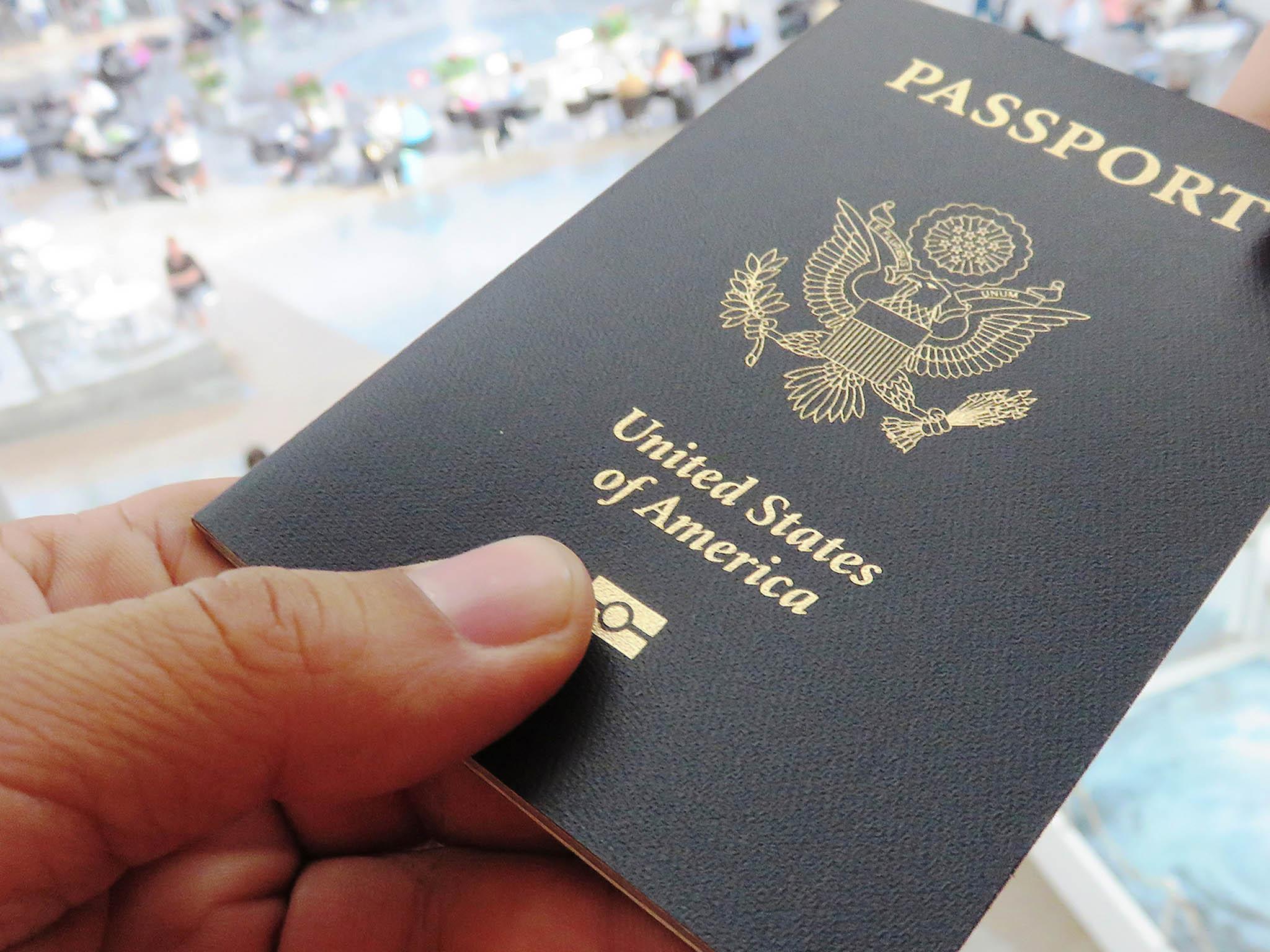
Many Americans plan trips to Hanoi, Hoi An, or Ho Chi Minh City assuming they can enter Vietnam without a visa. Some only discover at airline check-in that a U.S. …
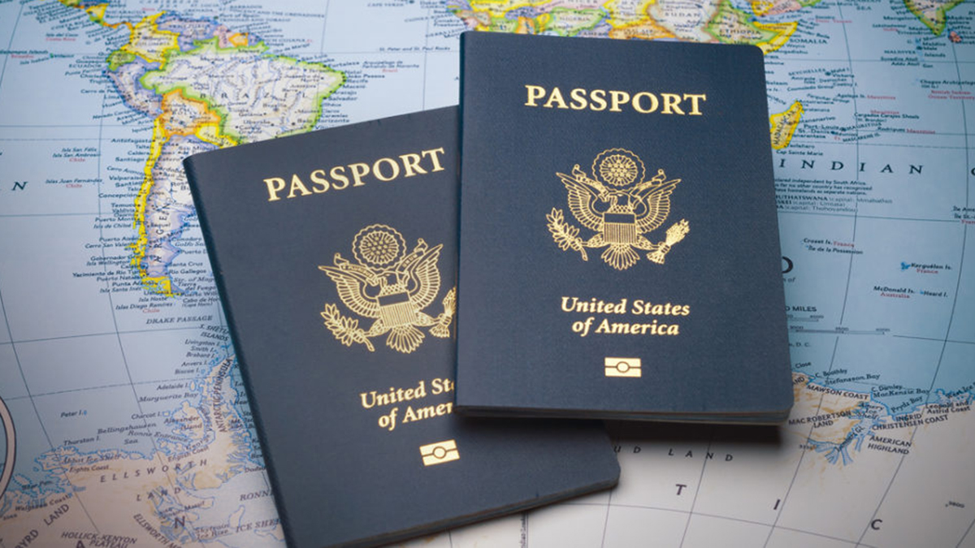
Your flight to Vietnam is coming up fast, your hotel is booked, and your itinerary is nearly finalized—then you realize your visa is still unresolved. For U.S. travelers, that discovery …
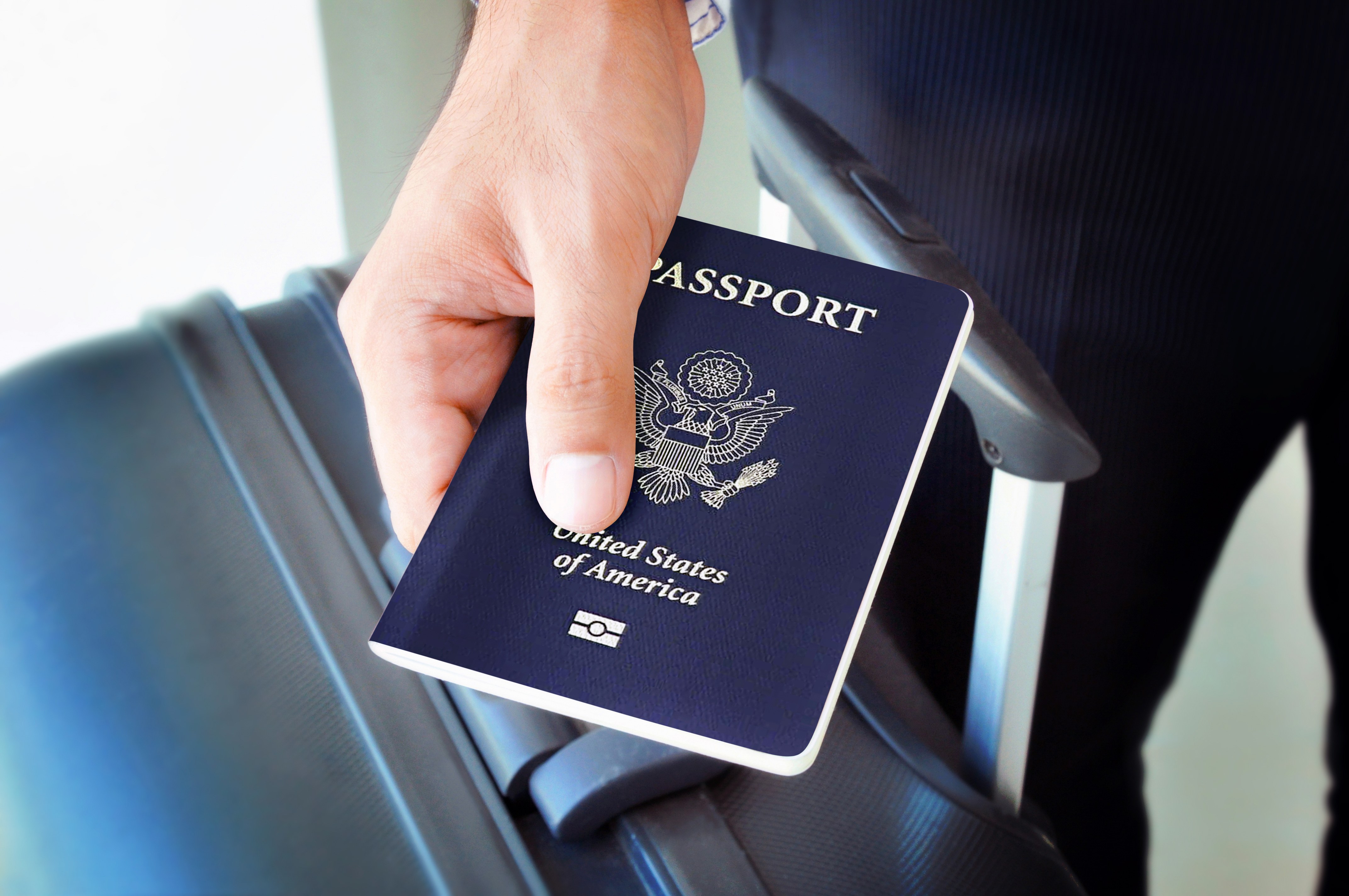
Vietnam has quickly become one of the most exciting destinations for travelers from the United States. From the bustling streets of Hanoi to the tropical beaches of Phu Quoc and …
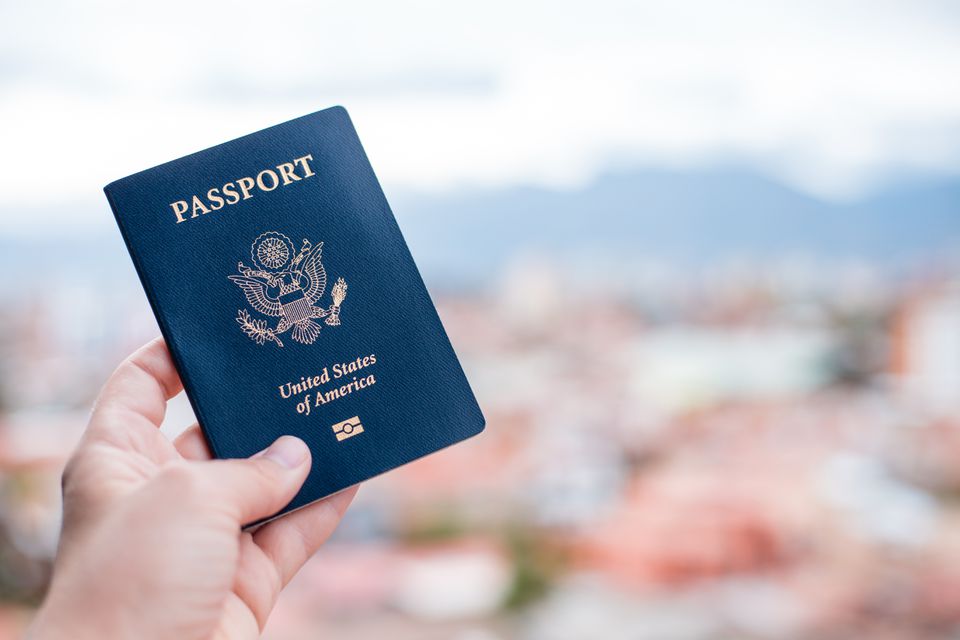
Many American travelers only realize how critical visa timing is when it is already too late. Imagine arriving at the airport fully prepared for your trip to Vietnam, only to …
In , if you’re a US citizen planning a trip to Vietnam, one of your first big decisions will be: should you apply for a visa through the traditional embassy …
Every year, thousands of Americans fall in love with Vietnam’s breathtaking landscapes and rich culture. But before you can sip coffee in Hanoi or cruise through Ha Long Bay in …
No embassy visits. No piles of paperwork. In , getting your Vietnam visitor visa from the US is easier than ever – here’s how. Whether you’re a first-time traveler or …