Vietnam has become one of the most popular travel destinations for Indonesian nationals in recent years. From the bustling streets of Ho Chi Minh City and the timeless charm of …

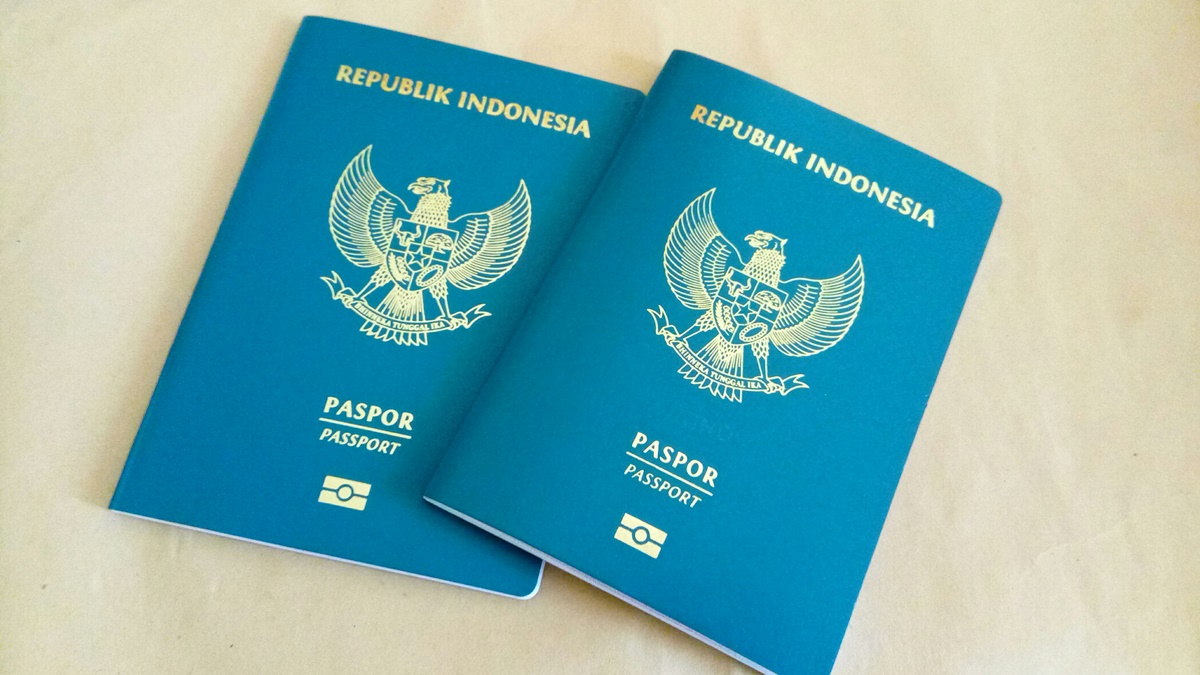
Vietnam has long been one of the most popular travel destinations for Indonesian tourists, attracting millions of visitors with its spectacular natural scenery, vibrant cities, rich cultural heritage, and world-famous cuisine. The close geographical distance between Indonesia and Vietnam, combined with convenient flight connections, has made Vietnam an ideal destination for holidays, business trips, family visits, and educational exchanges. One of the biggest advantages Indonesian travelers have enjoyed over the years has been Vietnam’s visa exemption policy, allowing eligible visitors to enter the country without going through lengthy visa application procedures.
However, Vietnam has recently introduced significant changes to its immigration regulations that directly affect Indonesian passport holders. Effective July 15, 2026, the country has revised its visa-free entry policy, reducing the maximum visa-exempt stay from 30 days to only 14 days. At the same time, the visa exemption is now limited to travelers visiting Vietnam for tourism or family visits. Anyone planning to remain in Vietnam longer than 14 days or traveling for business, employment, study, investment, journalism, or other non-tourism purposes must obtain an appropriate Vietnam visa before departure.
For many travelers, this policy update has created confusion. Numerous travel websites, blogs, and social media posts still contain outdated information referring to the previous 30-day visa exemption. As a result, Indonesian citizens may unknowingly plan trips that no longer comply with Vietnam’s latest immigration regulations. This can lead to unexpected complications, including denied boarding by airlines, delays at immigration checkpoints, or expensive last-minute changes to travel itineraries.
To help Indonesian travelers navigate these changes with confidence, this comprehensive guide explains everything you need to know about the new Vietnam visa policy. We’ll discuss what has changed, who can still enter Vietnam without a visa, when a visa becomes mandatory, the types of visas available for Indonesian passport holders, and the easiest way to apply online before your journey begins. Whether you’re visiting Vietnam for a short vacation or planning a longer stay, understanding the latest visa regulations will help ensure a smooth and stress-free travel experience.
Vietnam has officially updated its immigration policy for Indonesian passport holders, introducing new rules that took effect on July 15, 2026.
Under the previous policy, Indonesian citizens holding ordinary passports could travel to Vietnam without obtaining a visa and remain in the country for up to 30 days for tourism purposes. This policy made Vietnam one of the easiest countries in Southeast Asia for Indonesian travelers to visit.
The updated regulation shortens that visa-free period to 14 days. Although Indonesian citizens can still enter Vietnam without a visa, the exemption now applies only to travelers whose visit is for tourism or family visits, and only if the total stay does not exceed 14 days.
The purpose of this policy revision is to strengthen immigration management while continuing to facilitate legitimate tourism and family travel between the two countries.
Because of these changes, Indonesian travelers should no longer assume that the previous 30-day visa exemption remains valid. Reviewing the latest immigration requirements before booking flights or accommodation has become an essential part of travel planning.
The revised visa policy still allows Indonesian passport holders to enjoy visa-free travel under specific conditions, but travelers must fully understand the limitations.
To qualify for visa-free entry, Indonesian citizens must:
If all of these conditions are met, travelers may enter Vietnam without applying for a visa beforehand.
However, once any of these conditions are no longer satisfied, a Vietnam visa becomes mandatory.
For example, an Indonesian tourist planning a two-week vacation in Hanoi and Da Nang may still travel visa-free. In contrast, someone intending to spend three weeks exploring Vietnam must secure an appropriate visa before departure because the planned stay exceeds the visa exemption period.
Likewise, travelers whose primary purpose is attending conferences, conducting business negotiations, participating in training programs, or working in Vietnam cannot rely on the visa-free policy, regardless of how short their trip may be.
Understanding these rules helps travelers avoid unnecessary problems at airline check-in counters and immigration checkpoints.
Although Vietnam continues to offer visa-free entry for certain Indonesian visitors, many travelers will still need to obtain a visa before arriving.
A Vietnam visa is generally required if you:
This means that the purpose of your trip is just as important as its duration.
For instance, an Indonesian entrepreneur attending a two-day business conference in Ho Chi Minh City cannot use the visa exemption because business travel falls outside the permitted categories.
Similarly, a university student attending a semester-long exchange program or an employee relocating to Vietnam for work must obtain the appropriate visa before entering the country.
Carefully determining which visa category matches your travel purpose is one of the most important steps in preparing for a successful trip.

Vietnam offers several types of visas to accommodate different travel purposes and lengths of stay. Choosing the correct visa depends on why you are traveling and how long you intend to remain in the country.
The most common option for leisure travelers is the tourist visa, which is suitable for visitors planning holidays that exceed the new 14-day visa-free limit.
Business travelers should apply for a business visa, designed for attending meetings, exhibitions, commercial negotiations, and other professional activities.
Individuals traveling to Vietnam for employment, education, investment, or other specialized purposes should obtain the visa category corresponding to their specific activities, in accordance with Vietnam’s immigration regulations.
Selecting the appropriate visa from the beginning not only simplifies the immigration process but also helps prevent unnecessary delays, application rejections, or complications after arrival. If you are uncertain about which visa is suitable for your trip, seeking professional guidance before submitting your application can save both time and effort.
If your trip to Vietnam exceeds the new 14-day visa-free limit or your purpose of travel falls outside tourism or family visits, obtaining a Vietnam visa before departure is essential. Fortunately, the application process has become significantly easier in recent years, allowing Indonesian travelers to complete most of the procedure online without visiting an embassy or consulate.
Choosing a reliable visa service can make the entire process faster and more convenient, especially for first-time applicants or travelers with urgent departure schedules. A professional visa provider helps ensure that all required information is submitted correctly, reducing the risk of delays or rejected applications caused by avoidable mistakes.
One trusted platform used by international travelers is:
With more than 15 years of experience assisting foreign visitors entering Vietnam, the service offers a streamlined application process supported by an experienced immigration team.
Some of the key advantages include:
Whether you’re planning a vacation, attending a business event, or visiting family, applying through a professional service can save valuable time while giving you greater confidence before your journey begins.
Many travel disruptions occur not because of complicated immigration rules, but because travelers unknowingly rely on outdated or inaccurate information.
One of the most common mistakes is assuming that Indonesian passport holders are still entitled to 30 days of visa-free entry. Since the policy changed on July 15, 2026, travelers who plan longer stays without obtaining a visa may face difficulties before boarding their flight or upon arrival in Vietnam.
Another frequent error is selecting the wrong visa category. Some travelers mistakenly believe they can enter Vietnam visa-free for business meetings simply because their stay is only a few days. In reality, business activities require an appropriate Vietnam visa regardless of trip duration.
Submitting visa applications too close to the departure date is another avoidable problem. Although urgent processing is available, applying early provides extra time to correct any missing information and reduces unnecessary stress before traveling.
Passport information should also be checked carefully. Even small mistakes involving passport numbers, personal details, or expiration dates can delay visa approval or create complications during immigration procedures.
Finally, travelers should always verify that the information they rely on comes from reputable and up-to-date sources. Immigration policies can change over time, and depending on outdated travel advice may result in unexpected inconvenience.
Can Indonesian passport holders still travel to Vietnam without a visa?
Yes. Indonesian citizens holding ordinary passports may still enter Vietnam without a visa for up to 14 days, provided their visit is for tourism or family purposes and they satisfy Vietnam’s entry requirements.
Is the previous 30-day visa exemption still available?
No. Since July 15, 2026, the visa-free period has officially been reduced from 30 days to 14 days.
Do Indonesian business travelers need a Vietnam visa?
Yes. Business travelers must obtain an appropriate Vietnam visa before traveling, even if their visit lasts only a few days.
What if I plan to stay in Vietnam for 20 days?
Any stay exceeding the 14-day visa exemption requires a valid Vietnam visa before arrival.
Can Indonesian citizens apply for a Vietnam visa online?
Yes. Online visa application services allow eligible travelers to complete the process quickly and conveniently from anywhere in Indonesia.
How long does Vietnam visa processing take?
Processing times vary depending on the selected service. Standard applications require more time, while eligible urgent services may be completed in as little as 2–8 hours.
Vietnam continues to welcome Indonesian travelers with its breathtaking landscapes, fascinating history, outstanding cuisine, and vibrant cultural experiences. Although the updated immigration policy reduces the visa-free stay from 30 days to 14 days, it should not discourage anyone from planning a trip to this remarkable destination.
The most important step is understanding the latest visa requirements before making travel arrangements. If your itinerary extends beyond 14 days or your visit involves business, employment, education, or any purpose other than tourism or family visits, securing the appropriate Vietnam visa in advance will help you avoid unnecessary complications.
By staying informed and preparing your documents early, you can enjoy a smooth arrival and focus on what truly matters—discovering everything Vietnam has to offer. If you prefer a simple and hassle-free application process, using a trusted professional visa service can make your journey even easier and give you peace of mind from the moment you begin planning your trip.
Vietnam has become one of the most popular travel destinations for Indonesian nationals in recent years. From the bustling streets of Ho Chi Minh City and the timeless charm of …
Vietnam has long been one of the most popular destinations for Indonesian tourists, thanks to its breathtaking natural landscapes, vibrant cities, delicious cuisine, and affordable travel costs. From cruising through …
If you’re an Indonesian planning a trip to Vietnam this year, you may have come across conflicting information about whether you still need a visa. Some travel websites continue to …
If you’re an Indonesian citizen planning a trip to Vietnam, there’s an important immigration policy update you shouldn’t overlook. Beginning July 15, 2026, Vietnam will officially shorten its visa-free stay …