Vietnam continues to attract thousands of Indonesian travelers every year thanks to its breathtaking natural scenery, vibrant cities, rich cultural heritage, and affordable travel costs. Whether you’re planning a short …

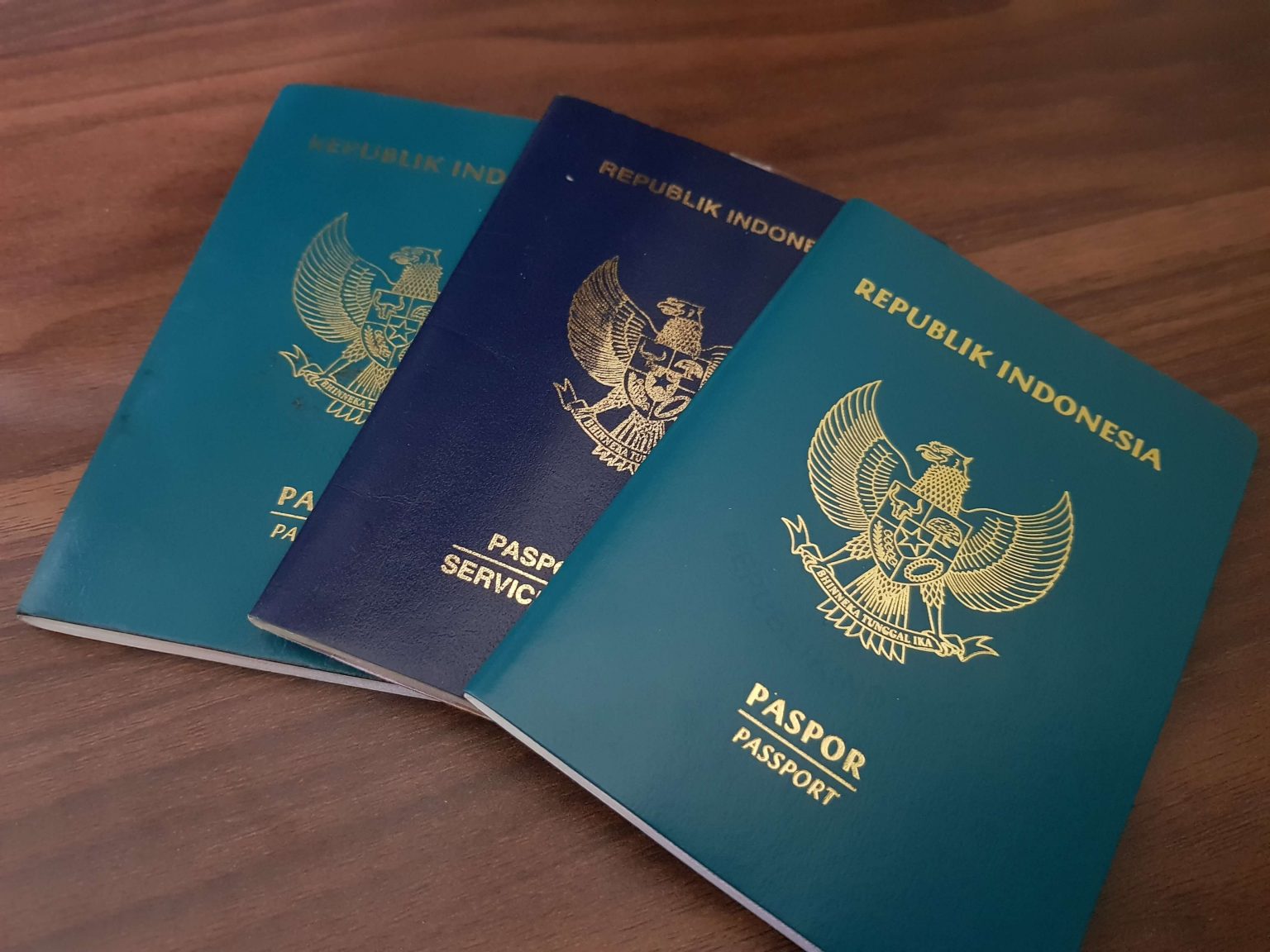
If you’re an Indonesian citizen planning a trip to Vietnam, there’s an important immigration policy update you shouldn’t overlook. Beginning July 15, 2026, Vietnam will officially shorten its visa-free stay for holders of ordinary Indonesian passports from 30 days to just 14 days. Although the change only affects one specific nationality, it could have a significant impact on thousands of travelers who have already planned longer holidays, family visits, or business trips to Vietnam.
For many years, Indonesian tourists have enjoyed the convenience of entering Vietnam without applying for a visa in advance, making Vietnam one of the most accessible destinations in Southeast Asia. A 30-day visa exemption gave visitors enough time to explore the country’s diverse attractions—from the bustling streets of Ho Chi Minh City and the historic charm of Hanoi to the breathtaking limestone islands of Ha Long Bay, the lantern-lit ancient town of Hoi An, and the pristine beaches of Da Nang and Phu Quoc. However, with the new regulation taking effect, travelers will need to rethink their travel plans if they intend to stay longer than two weeks.
The policy change doesn’t necessarily mean traveling to Vietnam has become more difficult. Instead, it means that visitors whose trips exceed the new 14-day visa-free limit—or those traveling for purposes other than tourism or family visits—must obtain the appropriate Vietnam visa before departure. Understanding exactly who is affected, when a visa becomes mandatory, and how to apply can help travelers avoid unexpected problems such as denied boarding, delayed travel, or immigration issues upon arrival.
In this comprehensive guide, we’ll explain exactly what has changed under Vietnam’s latest immigration policy, who qualifies for visa-free entry, which travelers must now apply for a visa, and the fastest way for Indonesian citizens to obtain a Vietnam visa before traveling. Whether you’re planning a short vacation or a longer stay, this guide will help ensure your journey begins smoothly.
Vietnam regularly reviews its immigration and visa policies to ensure they remain aligned with national security requirements, bilateral agreements, tourism strategies, and international cooperation. As travel patterns continue to evolve across Southeast Asia, visa policies may also be adjusted to reflect changing diplomatic arrangements and immigration management priorities.
According to the Indonesian Embassy in Hanoi, Vietnam will implement a revised visa exemption policy for holders of ordinary Indonesian passports starting July 15, 2026. Under the updated regulation, eligible travelers may enter Vietnam without a visa for a maximum of 14 days, provided the visit is for tourism or family visits.
This represents a significant reduction from the previous visa exemption period of 30 days, which had long been available to Indonesian tourists visiting Vietnam.
Although the visa-free period has been shortened, Indonesia remains one of Vietnam’s visa-exempt partner countries. The key difference is that the duration of visa-free entry has been reduced, meaning travelers planning longer visits must now make additional visa arrangements before departure.
For most tourists visiting Vietnam for a week or less, the policy change may have little practical impact. However, travelers intending to spend several weeks exploring Vietnam, visiting relatives, attending business meetings, or participating in other activities should carefully review the new requirements before booking their flights.
Understanding these changes in advance can help avoid last-minute travel disruptions and ensure full compliance with Vietnam’s immigration regulations.
The most significant change introduced under the new policy concerns the maximum duration of visa-free entry.
Before July 15, 2026
Ordinary Indonesian passport holders could enter Vietnam without obtaining a visa in advance and remain in the country for up to 30 days, provided they met the conditions of Vietnam’s visa exemption program.
From July 15, 2026
The visa-free stay has been reduced to 14 days.
This means Indonesian travelers entering Vietnam under the visa exemption program must leave the country within 14 days unless they have obtained another valid visa that allows a longer stay.
The updated policy also clarifies that visa-free entry is intended only for tourism and family visit purposes.
Travelers entering Vietnam for other purposes—including business activities, employment, study, journalism, investment, or other non-tourism reasons—must apply for the appropriate Vietnam visa before arrival, even if their stay is shorter than 14 days.
The comparison below highlights the key differences.
| Previous Policy | New Policy (Effective July 15, 2026) |
|---|---|
| Visa-free stay up to 30 days | Visa-free stay up to 14 days |
| Tourism | Tourism only (maximum 14 days) |
| Family visits | Family visits only (maximum 14 days) |
| Longer stays required a visa | Any stay over 14 days requires a visa |
| Other travel purposes required appropriate visas | No change – visas remain mandatory for non-tourism purposes |
Although the change appears straightforward, many travelers may unintentionally overlook it, especially if they are accustomed to Vietnam’s previous 30-day visa-free policy. Anyone planning travel after July 15, 2026 should verify that their itinerary complies with the updated regulations before departure.
The revised regulation specifically applies to holders of ordinary Indonesian passports traveling to Vietnam.
If you are an Indonesian citizen entering Vietnam for tourism or family visits, you may still benefit from Vietnam’s visa exemption program—but only for a stay of up to 14 days.
If your planned trip exceeds 14 days, you will need to obtain a Vietnam visa before traveling.
Likewise, travelers visiting Vietnam for purposes other than tourism or family visits are no longer eligible to rely on visa-free entry under this policy.
Examples include:
These travelers should apply for the appropriate visa before arriving in Vietnam.
Many Indonesian visitors may also assume that entering Vietnam visa-free allows them to extend their stay after arrival. However, relying on this assumption can be risky, particularly under the new policy. If your itinerary already exceeds 14 days, it is generally safer and more convenient to secure the appropriate visa before your trip begins.
Planning ahead is especially important during peak travel seasons, when visa applications may require additional processing time.
If you’re unsure whether your trip qualifies for visa-free entry or requires a visa, seeking professional guidance before booking your flights can help prevent unnecessary delays or complications.
For travelers who need a Vietnam visa, VietnamImmigration.com provides professional visa services with more than 15 years of experience in Vietnam immigration support. Every application is carefully reviewed by experienced specialists before submission to minimize common errors, while urgent processing options, 24/7 customer assistance, simplified documentation, and a 100% money-back policy offer additional peace of mind for travelers preparing for their journey.

Under the updated policy effective July 15, 2026, visa-free entry is no longer sufficient for every trip to Vietnam. While Indonesian citizens may still enjoy visa exemption for certain visits, there are several situations in which obtaining a Vietnam visa before departure becomes mandatory.
The most common scenario is when your planned stay exceeds 14 days. For example, if you’re planning a three-week vacation across Vietnam, combining destinations such as Hanoi, Sapa, Da Nang, Hoi An, and Ho Chi Minh City, you can no longer rely on visa-free entry. Since your stay exceeds the permitted 14-day period, you must apply for the appropriate Vietnam visa before traveling.
The same requirement applies to travelers visiting Vietnam for purposes other than tourism or family visits. Business travelers attending meetings, conferences, exhibitions, or corporate events should secure the appropriate business visa before arrival. Likewise, individuals traveling for employment, internships, investment projects, study programs, media assignments, or other specialized purposes must obtain the correct visa that matches the nature of their visit.
Many travelers mistakenly believe they can simply enter Vietnam under the visa exemption program and later decide whether to apply for another visa. However, depending on the circumstances and the applicable immigration regulations, waiting until arrival may create unnecessary complications. If your itinerary already exceeds the visa-free limit or your travel purpose falls outside tourism or family visits, arranging your visa in advance is the safest approach.
It’s also worth remembering that airlines routinely verify passengers’ travel documents before boarding international flights. If your itinerary clearly exceeds the permitted visa-free period and you do not possess a valid Vietnam visa, you may be denied boarding before even departing Indonesia.
Proper planning not only helps you comply with Vietnam’s immigration regulations but also allows you to enjoy your trip without worrying about unexpected issues at the airport or immigration checkpoint.
Fortunately, obtaining a Vietnam visa has become much more convenient than in the past. Most Indonesian travelers can complete the application process entirely online without visiting a Vietnamese embassy or consulate.
To begin, simply submit your application through:
The online application requires basic personal and travel information, including your full name, passport details, intended arrival date, port of entry, and the purpose of your visit. You will also need to upload a clear copy of your passport’s biographical page along with a recent passport-style photograph.
Although the application process is relatively straightforward, accuracy is extremely important. Even a small mistake—such as an incorrect passport number, misspelled name, inaccurate travel date, or poor-quality document upload—can delay processing or require a new application.
Before submitting your application, carefully review every detail to ensure it exactly matches the information shown in your passport.
If your departure date is approaching quickly, expedited visa processing may be the most suitable option. Depending on the service selected and eligibility, urgent applications may be processed significantly faster than standard processing, making them ideal for travelers with last-minute travel plans.
Many Indonesian travelers choose VietnamImmigration.com because it offers more than just an online application platform. With over 15 years of experience in Vietnam immigration services, the team carefully reviews every application before submission, helping applicants avoid common errors that could delay approval.
Additional benefits include:
By having experts verify your application before it reaches Vietnam’s immigration authorities, you can significantly reduce the likelihood of unnecessary delays—especially when traveling under tight schedules.

Can I still visit Vietnam without a visa?
Yes. Ordinary Indonesian passport holders may continue to enter Vietnam without a visa for tourism or family visits, provided the total stay does not exceed 14 days under the new policy effective July 15, 2026.
What if I plan to stay for 20 days?
If your planned stay exceeds 14 days, you must obtain a Vietnam visa before traveling.
Does the new rule affect business travelers?
Yes. Travelers visiting Vietnam for business purposes are required to obtain the appropriate visa before arrival, regardless of the duration of their stay.
Does the new policy apply to all Indonesian passports?
According to the information provided by the Indonesian Embassy in Hanoi, the revised visa exemption policy applies to holders of ordinary Indonesian passports.
Can I use an urgent Vietnam visa service if my departure is only a few days away?
Yes. Eligible applicants may choose expedited processing services when time is limited. Applying as early as possible is always recommended to avoid unnecessary stress before departure.
Vietnam remains one of Southeast Asia’s most attractive travel destinations for Indonesian visitors, offering spectacular landscapes, vibrant cities, rich cultural heritage, and world-renowned cuisine. However, the latest immigration update means travelers should pay closer attention to the length and purpose of their visit before finalizing their travel plans.
Beginning July 15, 2026, ordinary Indonesian passport holders are eligible for visa-free entry for up to 14 days only when visiting Vietnam for tourism or family visits. Anyone planning to stay longer than 14 days—or traveling for business, work, study, investment, or other non-tourism purposes—must obtain the appropriate Vietnam visa before departure.
Understanding these new requirements in advance will help you avoid unnecessary travel disruptions and ensure a smooth arrival in Vietnam.
If your trip requires a Vietnam visa, preparing your application early and having your documents professionally reviewed can save valuable time and reduce the risk of delays. With experienced immigration specialists, fast processing options, and dedicated customer support, VietnamImmigration.com is committed to helping Indonesian travelers complete their Vietnam visa applications quickly, accurately, and with confidence.
Vietnam continues to attract thousands of Indonesian travelers every year thanks to its breathtaking natural scenery, vibrant cities, rich cultural heritage, and affordable travel costs. Whether you’re planning a short …
Vietnam continues to be one of the most attractive destinations for Indonesian tourists thanks to its breathtaking landscapes, rich cultural heritage, delicious cuisine, and affordable travel costs. With frequent direct …
Vietnam has long been one of the most popular travel destinations for Indonesian tourists, attracting millions of visitors with its spectacular natural scenery, vibrant cities, rich cultural heritage, and world-famous …