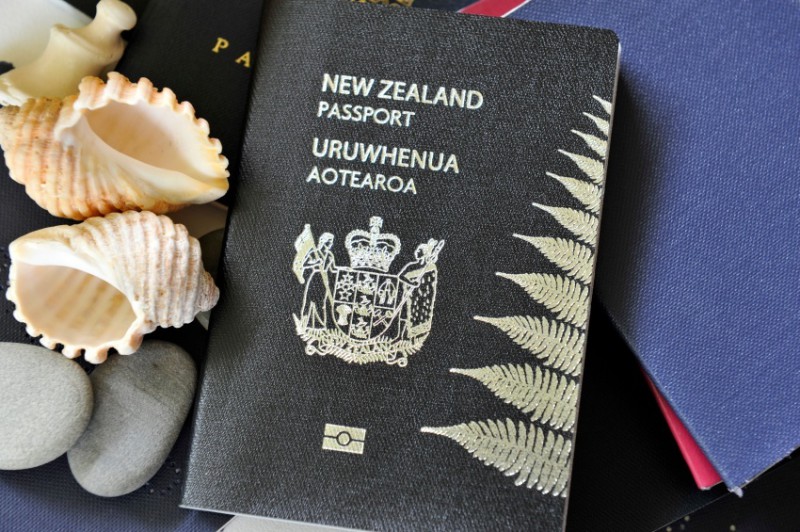
For many travellers from New Zealand planning a trip to Vietnam in 2026, the biggest challenge often comes before the plane even takes off—figuring out which visa information is actually correct. With countless outdated blogs, conflicting social media posts, and websites offering mixed messages, it’s understandable that Kiwis feel unsure about how Vietnam’s entry requirements work these days. Here’s the clear and simple truth: New Zealand citizens can still use Vietnam’s Visa on Arrival (VOA) in 2026, but you must organise an Approval Letter before your flight. Without this document, airlines won’t check you in, and you won’t be able to get the visa at the airport. Understanding this step is crucial to ensuring your trip starts smoothly.
Vietnam’s Visa on Arrival system has long been a popular option for travellers wanting a flexible and straightforward way to enter the country. In the past, many New Zealanders would simply fly into a major Vietnamese airport—like Hanoi, Ho Chi Minh City, or Da Nang—and complete the visa process after landing. This old approach required minimal planning and was ideal for spontaneous trips.
Over the past few years, however, Vietnam has modernised its immigration procedures. While some sources online falsely claim that VOA has been discontinued, the programme itself remains active. The major change is that travellers now need to undergo a pre-approval process before departure. This step was introduced to streamline arrivals, reduce long queues, and strengthen entry security.
The Approval Letter is issued after your information is reviewed and registered in Vietnam’s immigration system. Once your name is added to their authorised list, officers at the airport can issue your visa. Without this pre-clearance, the VOA desk is not permitted to process your request, even if you come from an eligible country like New Zealand.
As of 2026, the VOA system hasn’t disappeared—it has simply transitioned from an on-the-spot procedure to a pre-arranged one. New Zealand travellers can still take advantage of VOA’s convenience as long as they complete the Approval Letter application ahead of time.
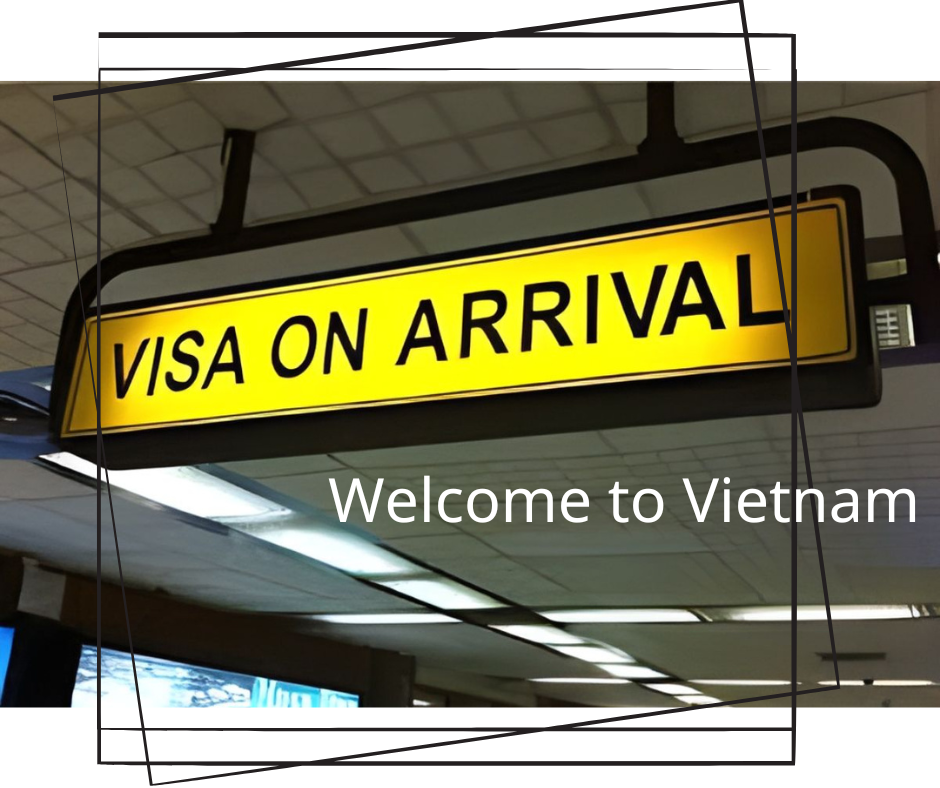
New Zealanders are fully eligible for Vietnam’s Visa on Arrival in 2026. But eligibility alone doesn’t mean you can arrive without preparation. The critical requirement is obtaining the Approval Letter before flying. Airlines are obligated to check this document during check-in, and without it, they cannot legally issue you a boarding pass.
Once you receive the Approval Letter via email, you must print it out and bring it with your travel documents. You’ll present it at your New Zealand departure airport and again on arrival in Vietnam. Airport officers will use the information from your letter to locate your details in their system and issue your visa.
To ensure things run smoothly, you should also prepare passport-size photos, a completed entry form, cash (in USD) for the stamping fee, and a passport with at least six months of remaining validity. These items help prevent delays once you reach the VOA counter.
In short, New Zealand travellers can absolutely use VOA in 2026—but only if they complete the pre-arrival requirement. Without the Approval Letter, both the airline and airport immigration officers will be unable to process your entry.
Much of the confusion stems from outdated information still accessible online. Many of the blogs and visa guides New Zealand travellers find through search engines were written before 2020 and describe a version of VOA that no longer exists. When travellers rely on this content, they often assume the process remains unchanged or has been entirely removed.
Another issue is the number of unofficial or poorly maintained websites that recycle visa information without verifying whether policies have changed. These sites often present conflicting instructions, leaving travellers unsure which source is trustworthy. Social media posts and travel forums add to the confusion, as users frequently share old experiences that do not reflect current rules.
A more serious concern is the presence of scam visa services that mislead travellers into believing they can obtain VOA directly upon landing. These fraudulent platforms often issue fake or invalid documents, leading to travellers being turned away at the airport. Many New Zealanders only discover the issue when airline staff inform them that their documents don’t meet Vietnam’s entry requirements.
These misinformation problems have led to real financial losses for travellers—missed flights, non-refundable booking costs, and cancelled itineraries. Understanding the correct, updated rules is the best way to avoid unnecessary stress.

The consequences are immediate and unavoidable: you will not be able to board your flight. Airlines flying to Vietnam are required to confirm that all passengers meet entry requirements before issuing a boarding pass. If you cannot provide an Approval Letter, the airline cannot check you in under any circumstances.
Even if you were somehow able to board, Vietnam’s immigration officials would deny your entry once you landed. The VOA desks at the airport can only issue visas to travellers who are already in the immigration system. Without the pre-approval record generated by your Approval Letter, officers cannot legally issue you a visa.
Missing your flight due to visa issues can also result in major financial loss. Most airlines will not refund or rebook tickets caused by documentation errors, and travel insurance usually does not cover problems arising from visa mistakes. Prepaid hotels, transfers, and tours are often non-refundable as well.
Beyond the financial consequences, being turned away at the airport is incredibly disappointing and stressful. The best way to avoid these problems is to secure your Approval Letter before travelling.
Applying for an Approval Letter is straightforward when done through a reputable platform. A trusted option for New Zealand travellers is VietnamImmigration.com, which offers clear instructions, document verification, and fast processing times. The application requires basic information such as your passport details, travel dates, and arrival airport.
It’s important to be precise. Even a small mistake—like an incorrect passport number or misspelled name—can delay your application or result in an invalid letter. A professional service like VietnamImmigration.com checks your details before submitting your request to immigration authorities, reducing the chance of errors.
Once the Approval Letter is approved, you’ll receive it via email. Print it and keep it with your travel documents. Upon arrival in Vietnam, head to the VOA counter, where you’ll present the letter, your photos, the entry form, and the stamping fee. Immigration officers will then issue your visa.
To avoid complications, double-check all information in your application and ensure your documents meet the requirements. Using an experienced agency helps ensure that the entire process runs smoothly from start to finish.

Travellers often underestimate how much misinformation exists online. Many unofficial visa websites look legitimate but are actually fraudulent, issuing fake documents that airlines and immigration officers will not accept. This has caused significant issues for New Zealand travellers who learn too late that their Approval Letter is invalid.
Even when the service isn’t fraudulent, some low-quality providers don’t fully review your application. Errors such as incorrect passport numbers, inaccurate dates, or mismatched information can easily slip through. These mistakes usually aren’t noticed until you attempt to check in for your flight.
A professional agency, such as VietnamImmigration.com, provides peace of mind by thoroughly reviewing your details before submitting the application. Their team is familiar with Vietnam’s immigration requirements and ensures your documents meet all standards. They can also assist travellers who need urgent processing or additional guidance.
With more than 15 years of experience, VietnamImmigration.com is a reliable and trustworthy option for New Zealanders who want to avoid visa-related complications and enjoy a worry-free start to their holiday.
Once you’ve landed in Vietnam with your printed Approval Letter, the VOA process is quite simple. Before heading to passport control, look for the “Visa on Arrival” counter. This is where you’ll submit your Approval Letter, passport, photos, completed form, and stamping fee.
Immigration officers will verify your documents and begin processing your visa. Processing times vary depending on how many travellers arrive at the same time, but being organised will help move things along quickly. Ensure your passport has at least six months of validity left, as this is a strict requirement for entering Vietnam.
When your visa is ready, take a moment to review it carefully. Check your name, visa dates, and visa type to ensure everything is correct. If you notice anything inaccurate, notify the officer immediately so it can be corrected before leaving the counter.
Once verified, proceed to passport control to complete the entry process. With your Approval Letter prepared and your documents in order, the VOA experience should be smooth and stress-free.
Vietnam’s Visa on Arrival remains available to New Zealand travellers in 2026, but only if you secure an Approval Letter prior to departure. Travelling without this document will result in denied boarding and significant financial consequences. For a reliable and well-supported application process, VietnamImmigration.com provides New Zealanders with a trustworthy and efficient way to prepare for their trip.