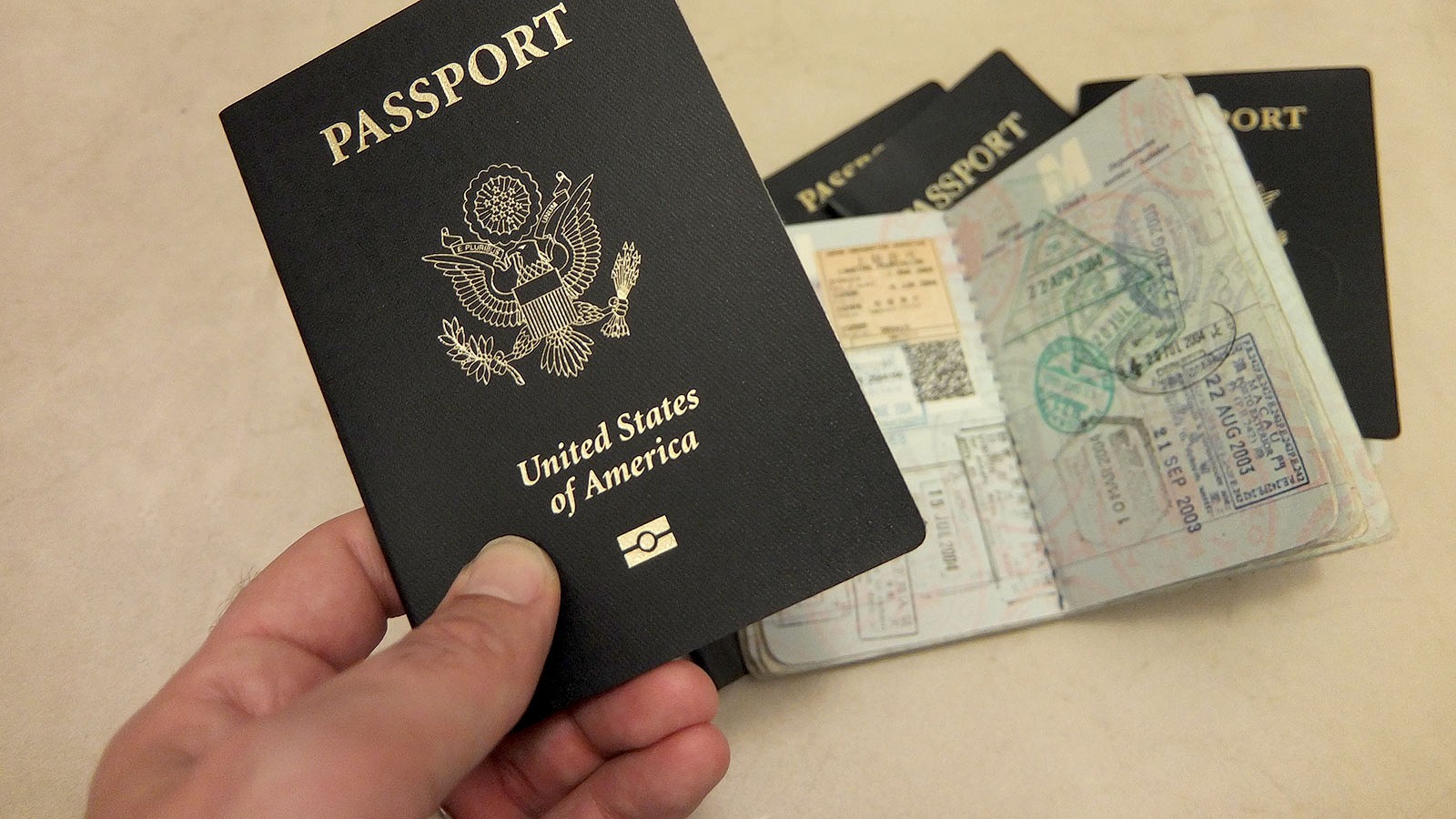
Your Vietnam visa has been approved, but the passport number on it does not match your US passport. Whether it is one wrong digit, a missing character, or an old passport number, do not ignore the mismatch or assume it will be accepted at the airport.
Check the visa against your passport immediately. If your flight is approaching, you need to determine whether the error can be corrected, whether a new application may be necessary, and what options are realistically available before check-in.
Here is what to check—and what to do next.
A Vietnam visa or eVisa is connected to the passport information provided in the application. If the passport number shown on the issued visa does not match the passport you intend to use for travel, you should treat it as a travel-document problem that needs attention before departure.
Do not assume the mistake is harmless simply because:
The safest approach is to resolve the discrepancy before travelling rather than relying on an airline or immigration officer to overlook it.
This becomes particularly important when your departure date is close.

Travelers sometimes notice an error and think:
“It’s only one digit. Surely that won’t matter.”
That is a risky assumption.
The important issue is not how visually small the mistake appears. The problem is that the passport number on the visa does not correspond correctly with the travel document you are presenting.
Common situations include:
| Passport Number Problem | Example |
|---|---|
| One incorrect digit | 12345678 → 12345679 |
| Missing character | 123456789 → 12345678 |
| Extra character | An additional number or letter appears |
| Letter/number confusion | O instead of 0, or I instead of 1 |
| Old passport number | Visa refers to a previous passport |
| Completely incorrect number | Visa number does not match the current passport |
None of these should simply be ignored.
Even if the mistake looks minor, deal with it before departure whenever possible.
This is where the situation becomes more complicated.
There is an important difference between:
discovering an error while an application is still being processed
and
discovering an error after the visa has already been issued.
Once an eVisa has been approved, you should not assume you can simply open the document and edit the passport number yourself. Changing the PDF or altering the issued document is not a legitimate correction.
Depending on the circumstances, the practical solution may involve determining whether a correction route is available or whether a fresh visa application is necessary.
The right option can depend on:
If you are travelling soon, this decision should be made quickly rather than waiting until airport check-in.
You should not assume that you can.
Airlines may verify international passengers’ travel documents before allowing them to travel. A mismatch between the passport you present and the passport information shown on your visa can therefore create problems during document checks.
There are two assumptions you should avoid:
“The airline probably won’t notice one wrong number.”
and
“If there is a problem, Vietnamese immigration can fix it when I arrive.”
Both approaches leave the outcome until very late in your journey.
The better strategy is to identify and address the mismatch before reaching the airport.
If your flight is only hours away, treat the situation as urgent.
If you have just discovered the error, follow these steps in order.
Open your approved Vietnam visa and place it next to your US passport.
Do not check only the passport number.
Review:
Check every character carefully.
Sometimes a traveler discovers the passport-number error first, then notices another discrepancy during a complete review.
Be specific.
Instead of saying:
“My passport number is wrong.”
Determine exactly what happened:
This information is useful when your case needs to be assessed quickly.
Your available solution may depend heavily on timing.
Ask yourself:
Is my flight several days away, tomorrow, or today?
Also remember that the relevant deadline may be your airline’s international check-in/document-check deadline—not the scheduled departure time.
If your flight leaves tonight, you may have significantly fewer usable hours than you think.
Do not automatically choose either option.
Trying to correct the existing visa may be appropriate in some circumstances, while a new application may be necessary in others.
The decision should take into account:
If you are unsure and departure is close, getting the case assessed can save valuable time.
If you are travelling soon, prepare:
For urgent case assessment, you can submit your information through:
Include your actual departure date and time so the urgency is clear immediately.

A traveler leaving next week and a traveler checking in tonight do not have the same options.
The closer you are to departure, the more important it becomes to stop experimenting and identify a realistic solution.
You have more room to assess what went wrong.
Use the time to:
Do not wait until the final day simply because you currently have more than 48 hours.
The situation is becoming urgent.
Gather all relevant documents and determine your next step as soon as possible.
If professional assistance is needed, provide the complete case from the beginning instead of sending information piece by piece.
Act immediately.
Prepare:
At the same time, check your airline’s change or rebooking options in case the visa issue cannot be resolved before check-in.
Knowing your backup option does not mean you must use it. It simply prevents you from discovering your alternatives too late.
Do not rely on explanations alone.
Confirm the visa situation as quickly as possible and speak directly with the airline about the documents required for your itinerary.
If the problem cannot be resolved in time, ask about:
The airport should be the last place you discover the problem—not the first place you start dealing with it.
Not automatically.
When travelers discover a mistake close to departure, a common reaction is to immediately submit another application.
That may or may not be the right solution.
Before doing so, determine:
Submitting another application without understanding the first problem could mean paying again without actually solving the urgent timing issue.
The objective is not simply to create another application.
The objective is to have the correct travel document associated with the correct passport before you travel.
When departure is close, incomplete information wastes time.
Prepare everything before requesting help:
If there are multiple errors on the visa, identify all of them at the beginning.
A complete case is much easier to assess than a message that simply says, “My visa is wrong and I fly tonight.”
When your visa has already been approved but contains the wrong passport number, the most important question is not simply whether there is a mistake.
It is:
What can still be done before you travel?
Vietnam Immigration Services assists international travelers with Vietnam visa applications and urgent visa-related problems. Our team can review the information you provide, identify the mismatch, check the documents, and help determine what practical options may be available based on your individual situation and departure time.
Our support includes:
If your Vietnam visa contains the wrong US passport number and your trip is approaching, submit your case through:
For urgent requests, include your flight date, departure time, and a clear copy of both your passport and issued visa from the beginning.
The sooner the exact problem is identified, the sooner you can determine which realistic option remains available.

Do not assume that a one-digit error is harmless. The passport number on the visa should correspond with the passport you use for travel. A mismatch should be addressed before departure.
You should not rely on the airline overlooking the discrepancy. Airlines may check travel documentation before boarding international passengers. If your flight is approaching, address the mismatch and contact your airline if the issue remains unresolved.
You should not plan your trip on the assumption that an incorrect visa can simply be fixed after arrival. The safer approach is to resolve the document problem before boarding your flight to Vietnam.
No. Do not alter the issued eVisa document yourself. If information is incorrect, determine the appropriate official or application-related solution rather than modifying the visa file.
Not necessarily. First identify the exact error and determine whether correction or a new application is the appropriate solution. If your departure is close, timing becomes particularly important.
Do not assume that a visa associated with an old passport will automatically work with a newly issued passport. Have the situation checked before travelling, especially if the passport numbers differ.
Immediately compare the visa and passport, identify every discrepancy, prepare your documents and complete flight itinerary, and seek an urgent assessment of the available options. At the same time, check your airline’s rebooking policies in case the issue cannot be resolved before check-in.
A responsible service should assess the individual case before making claims about timing. The available options can depend on the type of error, visa status, travel schedule, working days, and other circumstances.
Not necessarily. First determine whether a viable solution remains available and check your airline’s change options. Understanding your backup plan is different from immediately cancelling the trip.
Do a complete review rather than stopping at the first mistake. Check your name, nationality, date of birth, visa validity, passport details, intended entry information, and other relevant information shown on the visa.
An approved Vietnam visa can create a false sense of security. But if the passport number on that visa does not match your US passport, do not ignore the error simply because the word “approved” appears on the document.
Check every detail, identify the exact mismatch, determine whether correction or a new application is appropriate, and act according to how much time remains before departure.
If your flight is approaching and you need your case assessed urgently, prepare your passport, approved visa, application information, and flight itinerary and submit them through:
The earlier you address the mismatch, the more time you have to find a workable solution—before the problem reaches the airline check-in counter.