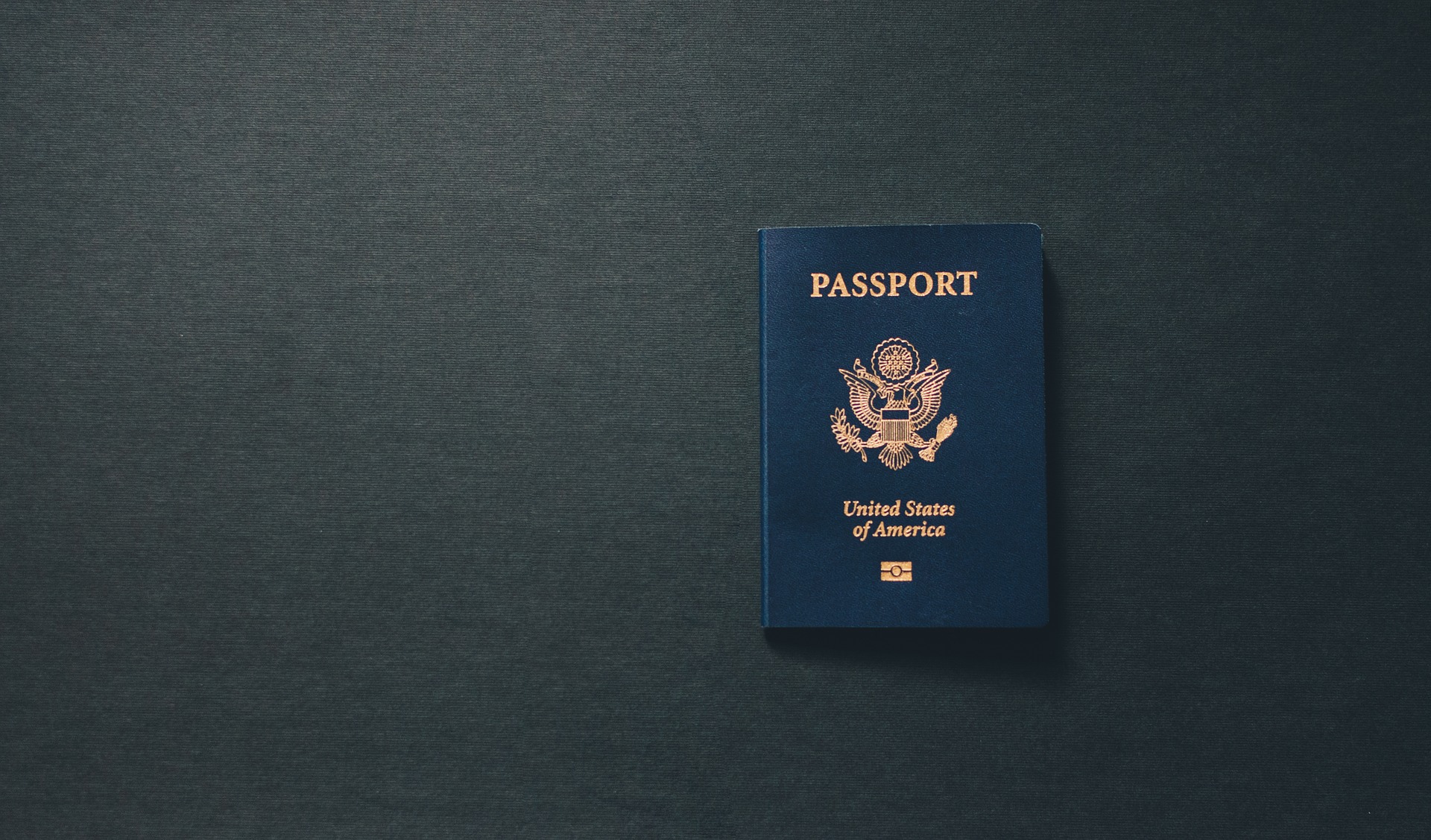
You’ve planned your Vietnam trip carefully from the United States. Flights are booked, hotels are confirmed, and your vacation days are approved. Then you check your Vietnam e-visa status—and it still says “Processing.” At first, you’re patient. But as the departure date gets closer, patience turns into concern. How long does a Vietnam e-visa really take for U.S. citizens? Is your application delayed, or is this normal? For many American travelers, the biggest problem isn’t rejection—it’s uncertainty. Official timelines sound reassuring, but they rarely reflect real processing experiences. This article breaks down what U.S. passport holders can realistically expect, why some applications move faster than others, and what smart travelers do when waiting is no longer an option.
Officially, the Vietnam Immigration Department states that the Vietnam e-visa processing time for U.S. citizens is 3 to 5 business days. This timeline assumes your application is accurate, complete, and submitted on a Vietnamese working day.
However, American travelers often overlook several practical details. Vietnam operates on a different time zone, and processing does not occur on weekends or Vietnamese public holidays. An application submitted on a Friday evening in the U.S. may not be reviewed until Monday—or later during holiday periods.
In reality, most U.S. applicants experience a processing time of 5 to 7 business days, even when everything is done correctly. During peak travel seasons such as summer vacations, Thanksgiving, Christmas, or Lunar New Year, processing can extend to 7–10 business days or more. The official estimate is a reference point—not a promise.
Many American travelers become anxious when they see others receive approval while their own application remains “Processing.” This difference usually comes down to internal review factors rather than applicant mistakes.
High application volume is the most common reason. When thousands of travelers submit requests simultaneously, immigration officers must prioritize workload rather than submission order. Document quality also plays a role. Clear passport scans, properly sized photos, and consistent personal information tend to move through the system faster.
Although U.S. passport holders are generally considered low-risk, some applications are still flagged for manual verification, which adds time. Faster approvals don’t mean others did something wrong—they simply passed through fewer review layers.

Most Vietnam e-visa delays affecting U.S. citizens are caused by small technical or formatting issues. Photo problems are especially common—incorrect background color, shadows, glare, or low resolution can slow approval.
Another frequent issue is mismatched passport information. Missing middle names, inconsistent capitalization, or incorrect passport numbers often trigger additional checks. Applying too close to Vietnamese public holidays or submitting an application only days before departure also increases delay risk.
What makes this frustrating for American travelers is the lack of transparency. The system does not explain delays, and the status remains unchanged, leaving applicants unsure whether action is needed—or if waiting is the only option.
U.S. travelers applying independently should submit their Vietnam e-visa at least 10–14 days before departure whenever possible. Carefully reviewing every detail, using compliant photos, and uploading high-quality passport scans can reduce unnecessary delays.
That said, many Americans travel on fixed schedules. International flights are expensive, vacation days are limited, and rebooking is often unrealistic. Even a perfectly submitted application is still subject to standard government processing timelines—something no traveler can fully control.
Preparation helps, but it doesn’t eliminate uncertainty.
When time becomes critical, many American travelers choose a professional fast-track option. VietnamImmigration.com has over 15 years of experience assisting international travelers with Vietnam visa services, particularly time-sensitive cases.
Before submission, every application is carefully reviewed by experienced specialists to eliminate errors that commonly cause delays. With expedited processing, approvals can be issued in as little as 2 to 8 hours, depending on urgency.
For U.S. travelers, additional advantages include simplified documentation, 24/7 customer support aligned with U.S. time zones, and a clear approval-or-refund policy. Rather than hoping for timely approval, travelers gain certainty—an invaluable benefit when departure dates are fixed.

For U.S. passport holders, the time it takes for a Vietnam e-visa to move from “Processing” to “Granted” depends on many real-world factors—not just the official timeline. Some applications move quickly, while others face delays caused by volume, minor details, or timing.
Understanding how the system truly works—and knowing when to choose a faster, more reliable solution—allows American travelers to avoid unnecessary stress and start their Vietnam journey with confidence.