Are you an American professional or entrepreneur planning a business trip to Vietnam in 2026, yet overwhelmed by visa procedures? Do terms like “invitation letter,” “embassy application,” or “VOA” sound …

If you’re an American planning a trip to Vietnam in 2026, you’ve likely run into a confusing mix of outdated blog posts, contradicting travel forums, and websites that can’t seem to agree on whether Vietnam still offers Visa on Arrival (VOA). Some sources say VOA has been discontinued, while others claim you can simply show up at the airport and get one. This conflicting information leaves many U.S. travelers anxious and unsure about what’s actually required. Here’s the straightforward truth: Vietnam still provides Visa on Arrival for Americans in 2026, but it is not something you can obtain without preparing ahead. You must secure an Approval Letter before boarding your flight—no exceptions. Understanding this requirement is essential if you want to avoid denied boarding or costly travel disruptions.
Vietnam’s Visa on Arrival system has long been a convenient option for travelers who prefer flexibility or need to enter the country on short notice. Years ago, the process was simple: land at one of Vietnam’s major international airports—Hanoi, Ho Chi Minh City, or Da Nang—submit the paperwork, pay the visa fee, and receive your visa directly at the airport counter. It was a popular choice for U.S. citizens who wanted a smooth, hassle-free way to enter Vietnam without visiting a consulate.
However, despite many online claims that VOA has been discontinued, the system is still alive and well. What changed is how travelers must prepare. Since 2020, Vietnam has shifted to a more structured and secure approach, requiring foreign travelers to obtain pre-approval before arrival. This measure was introduced to improve immigration screening, minimize fraudulent applications, and reduce long lines at busy airports.
The new requirement centers on the Approval Letter—a document issued by Vietnamese immigration authorities confirming that you are authorized to receive a visa upon arrival. Without this letter, your name won’t appear in the immigration system, and airport officers cannot issue a VOA, regardless of your citizenship.
In 2026, VOA remains available to Americans, but it functions as a pre-vetted entry method rather than a walk-in service at the airport. As long as you secure your Approval Letter before traveling, the VOA system continues to offer convenience and flexibility for U.S. travelers.
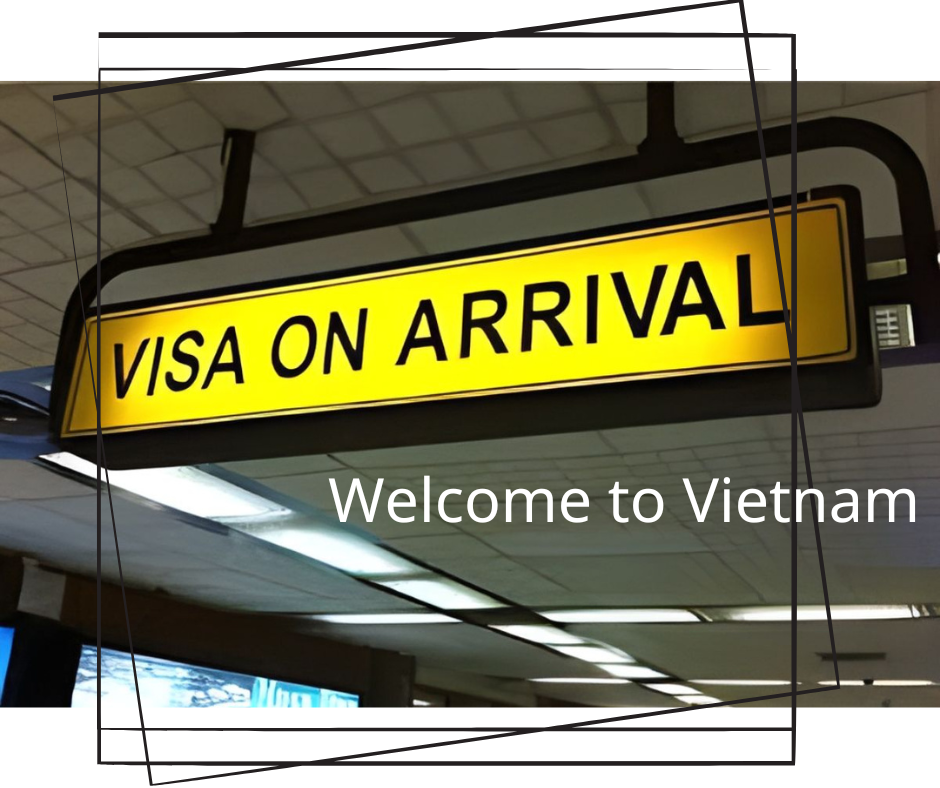
Yes—Americans are fully eligible for Vietnam Visa on Arrival in 2026. But it’s crucial to understand that eligibility doesn’t mean instant approval at the airport. To use VOA, American travelers must obtain an Approval Letter in advance, submitted through a legitimate online platform. Vietnamese immigration uses this document to pre-process your entry and record your information in their system.
Once your approval is issued, you’ll need to print the letter and bring it with you to the airport. Airlines will check for this document during check-in, and without it, you won’t be allowed to board your flight to Vietnam. This rule is strictly enforced across all airlines, and staff cannot make exceptions, even if you insist VOA is still available.
In addition to the letter, U.S. travelers should prepare passport photos, a completed entry form, their physical passport, and enough cash for the stamping fee. These items help ensure that everything goes smoothly once you land in Vietnam. The VOA counters at major airports operate efficiently, but only for travelers whose names have already been cleared ahead of time.
To put it simply: VOA is still a legal and valid option for U.S. citizens, but you cannot access it without the proper pre-approval. If you don’t have the letter, the journey ends before it begins.
A major reason for the confusion among U.S. travelers is the overwhelming amount of outdated content floating around the internet. Many blogs, especially those written before 2020, still rank well on Google even though their information no longer reflects Vietnam’s current entry rules. These older posts often describe the pre-2020 VOA process, which did not require pre-approval, causing Americans to assume the procedure hasn’t changed.
Search engines also surface many unofficial websites that copy outdated visa details without verification. These sites frequently contradict one another, making it difficult for travelers to know which sources are trustworthy. Meanwhile, travel forums and social media groups add to the confusion as users share personal experiences without noting when they traveled or whether the rules changed afterward.
Another big issue is the presence of non-legitimate visa “services” that falsely promise VOA on arrival with no prior documents. Many American travelers unfortunately fall for these scams, thinking approval is automatic. They end up receiving fake letters or incorrect information, leading to denied boarding at the airport—one of the most common complaints from unprepared travelers.
These misunderstandings have real consequences. Every year, Americans miss flights, lose non-refundable bookings, and spend unexpected amounts of money because they followed outdated or inaccurate guidance. Knowing the real policy is essential to avoid becoming one of these unfortunate cases.

The most immediate issue is that airlines will not allow you to board without a valid Approval Letter. Check-in staff are required to verify entry eligibility before issuing boarding passes, and if you can’t show the document, they legally cannot let you fly. It doesn’t matter how early you arrive, how much you plead, or how certain you are that VOA is “still available”—without the letter, the airline must deny boarding.
Even if you somehow made it onto a flight, Vietnamese immigration would still deny entry. VOA at the airport is strictly reserved for travelers who appear in the immigration system with pre-approved authorization. Travelers who arrive without that record cannot be issued a VOA under any circumstances, resulting in immediate refusal of entry.
Financially, this mistake can be devastating. Airlines generally do not refund flights missed due to visa issues, and travel insurance rarely covers errors caused by incorrect documentation. Additionally, travelers may lose money on hotel reservations, transportation, tours, and other prepaid travel arrangements. These losses can easily amount to hundreds or even thousands of dollars.
Beyond the financial impact, the emotional stress of being turned away at the airport can be overwhelming. Missing a long-planned vacation or business trip because of a preventable paperwork issue is both frustrating and upsetting. Securing your Approval Letter ahead of time is the only reliable way to avoid these consequences.
Getting an Approval Letter is simple when done through a reputable source. A highly reliable option for U.S. travelers is VietnamImmigration.com, which offers clear instructions, thorough document checks, and quick processing times. The process starts by filling out an online application with your passport details, travel schedule, and intended arrival airport in Vietnam.
Accuracy matters. Every detail on your application must match your passport exactly. Typing errors, mismatched names, or incorrect passport numbers can lead to delays or even rejection. A professional agency like VietnamImmigration.com helps ensure that your information is correct before submitting it to immigration authorities, reducing the risk of mistakes.
After processing, your Approval Letter will be emailed to you. Print it out and carry it with your passport when flying. Upon arrival at a Vietnamese airport, head to the VOA counter, where you’ll present the letter, two passport photos, your entry form, and the stamping fee. After verification, immigration officers will attach your visa into your passport.
Travelers should also be aware of common pitfalls, such as low-quality photos, incomplete forms, or inaccurate passport details. Using a trusted visa service helps avoid these issues and ensures a smooth process upon landing in Vietnam.

For Americans navigating the VOA process, having expert guidance can make a big difference. The internet is filled with contradictory instructions, copy-and-paste visa articles, and fraudulent “visa companies” that look convincing but aren’t legitimate. Many travelers lose money to scam websites that promise quick approval but deliver fake or invalid Approval Letters.
Even when the website isn’t a scam, some low-quality services fail to check applications properly, leaving travelers with documents that contain errors. Something as small as a missing digit in the passport number can cause your visa to be invalid. These errors usually aren’t discovered until check-in, when it’s already too late to correct them.
A reputable agency provides peace of mind. With VietnamImmigration.com, your application is reviewed by experienced professionals who ensure every detail is accurate before submission. Their team can also assist travelers in urgent situations, offering fast processing—sometimes in just a few hours—and 24/7 support for customer questions.
With more than 15 years of experience assisting travelers from around the world, VietnamImmigration.com remains one of the most trusted options for Americans who want a reliable, safe, and efficient visa application process.
Once you’ve arrived in Vietnam with your printed Approval Letter, the VOA process is straightforward. After landing, look for the “Visa on Arrival” counter before heading to passport control. This is where you’ll submit your Approval Letter, passport, completed entry form, passport-size photos, and the stamping fee in cash.
Immigration officers will review your documents, verify your identity, and issue your visa. Processing time varies depending on how many travelers arrive at the same time, but having your documents ready can help speed things up. Make sure your passport has at least six months of remaining validity from your arrival date—a mandatory requirement for entering Vietnam.
Once your visa is issued, double-check that the information is correct. Make sure the visa type, validity period, and entry dates match your travel plans. If you spot any errors, inform the officer right away so it can be corrected before you move on to the next step.
After everything is confirmed, head to passport control to complete your entry into Vietnam. By preparing ahead of time and ensuring your Approval Letter is valid, you’ll find the VOA process efficient and stress-free. A reliable agency like VietnamImmigration.com can help guarantee that you arrive prepared.
Vietnam’s Visa on Arrival remains a fully valid entry option for American travelers in 2026—but only if you secure an Approval Letter before your flight. Arriving without this document will result in denied boarding, financial loss, and unnecessary stress. To ensure fast, accurate, and secure processing, VietnamImmigration.com offers a trusted and experienced solution for Americans seeking a smooth and reliable visa experience.
Are you an American professional or entrepreneur planning a business trip to Vietnam in 2026, yet overwhelmed by visa procedures? Do terms like “invitation letter,” “embassy application,” or “VOA” sound …
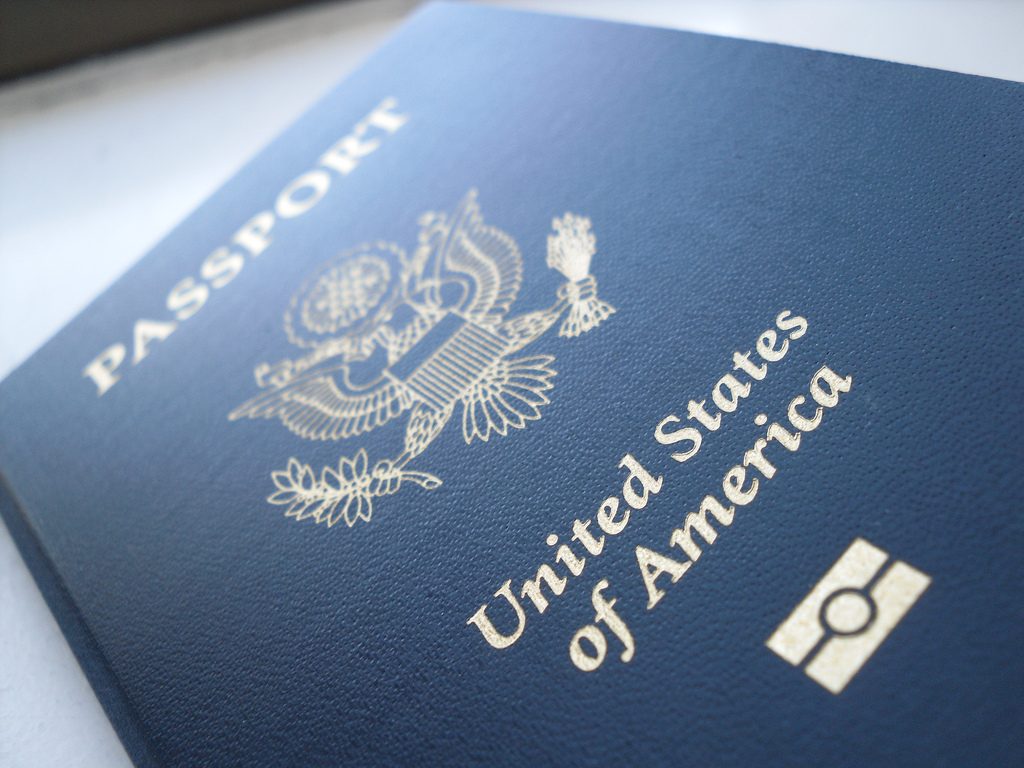
Every year, thousands of American travelers plan their journey to Vietnam — a land of rich culture, breathtaking landscapes, and unforgettable street food. But there’s one crucial hurdle that often …
If you’re an American planning a trip to Vietnam, you’ve probably noticed one thing right away: the internet is full of conflicting information. Some websites say you can get a …
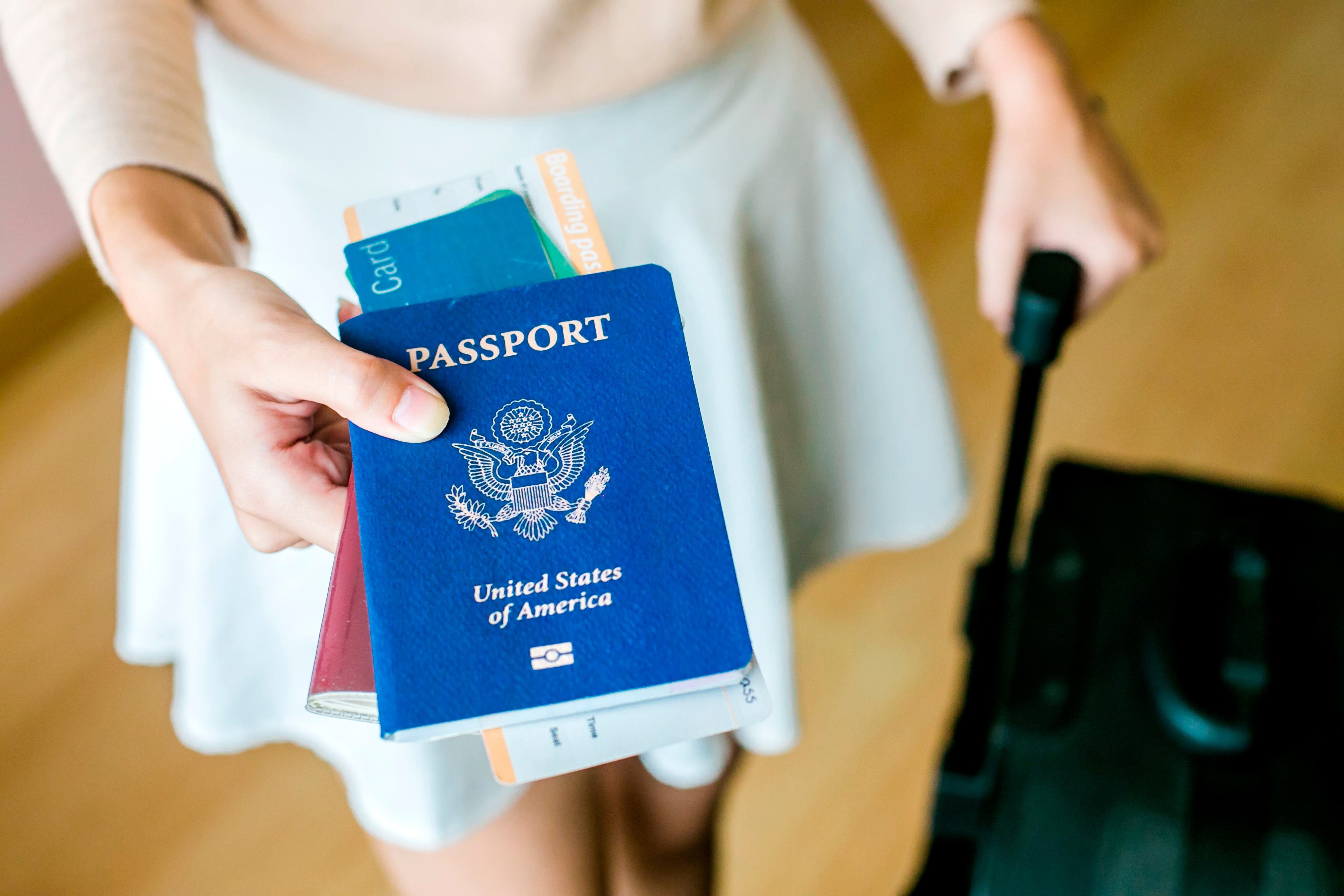
Traveling to Vietnam from the United States is an exciting adventure, filled with rich culture, breathtaking landscapes, and delicious cuisine. However, before embarking on this journey, it is crucial for …
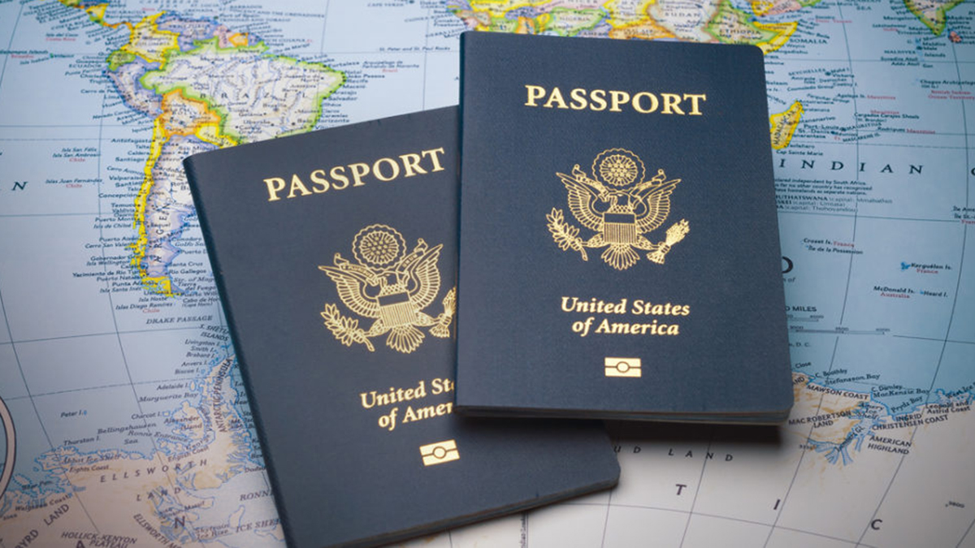
For many Americans planning a trip to Vietnam—whether it’s for a relaxing vacation, business travel, or a long-awaited adventure—the visa process often raises more questions than expected. Many first-time visitors …