
If your passport contains an electronic chip, you may wonder whether you can use your e-passport directly when applying for a Vietnam eVisa. This is one of the most common questions among international travelers. While an e-passport is a physical passport equipped with an embedded electronic chip, many applicants mistakenly believe that they can upload electronic passport data, screenshots, or digital passport versions instead of scanning the actual passport. In reality, the Vietnam eVisa application requires a clear scan or photo of your physical passport’s biographical page. Understanding this difference before submitting your application can help you avoid unnecessary verification, processing delays, or the need to submit a new application.
An e-passport, also known as a biometric passport or electronic passport, is a traditional passport booklet that contains an embedded electronic chip. The chip securely stores biometric information and personal data to enhance identity verification during international travel.
Although an e-passport incorporates advanced technology, it does not replace the physical passport itself. The electronic chip is primarily used for identity verification at automated immigration gates and border control systems. Travelers are still required to carry and present the physical passport booklet whenever they travel internationally.
Today, many countries issue biometric passports as their standard travel documents. However, each country designs its passport differently. The information stored electronically or displayed through digital passport services may not always appear exactly the same as the information printed on the physical passport’s biographical page. Depending on the issuing country, differences may exist in the order of names, abbreviations, field layouts, character formatting, or the presentation of certain personal information.
Although these differences generally do not affect the passport’s validity as a travel document, they may create issues when applying for an online visa if applicants rely on electronic passport information instead of the required scan of the physical passport.
For Vietnam eVisa applications, the physical passport booklet remains the official document. Applicants should always prepare their application using the physical passport they intend to present when entering Vietnam, rather than relying on electronic passport data or digital passport displays.

One of the most important requirements when applying for a Vietnam eVisa is uploading the correct passport document. Many travelers assume that because they hold an e-passport, they can upload electronic passport information or screenshots generated from a digital passport application. However, this is not the document required for the application process.
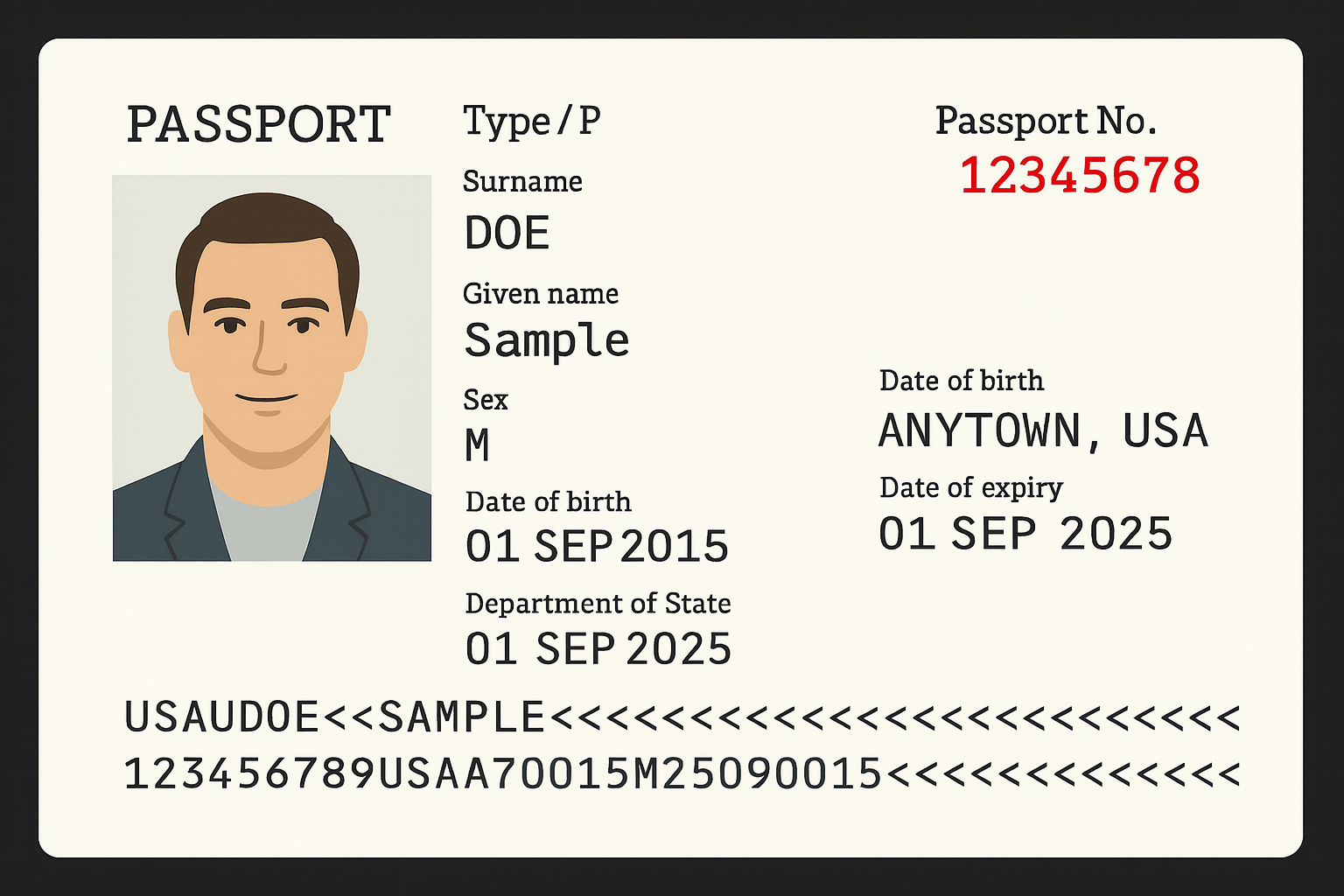
Applicants should upload a clear, high-quality scan or photograph of the biographical page from their physical passport. This page contains your passport photo, passport number, full name, nationality, date of birth, expiration date, and other identifying information exactly as it appears in the official travel document.
The uploaded passport image serves as the primary document used during the verification process. It allows the reviewing authority to compare the information entered in the application with the information printed on the passport that the traveler will use throughout the journey.
For this reason, applicants should not upload screenshots from electronic passport applications, digital passport displays, mobile wallet images, or any electronic representation of passport information instead of the required physical passport scan. Even if the information appears identical, these formats may not satisfy the document requirements for a Vietnam eVisa application.
Using the physical passport also helps ensure consistency throughout the entire travel process. The passport information reviewed during your application should be exactly the same as the passport presented during airline check-in and immigration inspection upon arrival in Vietnam.
Many applicants are unaware that the information displayed electronically may not always match the printed passport page exactly.
Depending on the country that issued your passport, electronic passport information may present personal details differently. Common differences include:
While these differences are acceptable within each country’s passport system, they may create inconsistencies when an online visa application relies on document recognition technology.
The Vietnam eVisa application uses the information contained in the uploaded passport image during the verification process. If applicants submit electronic passport displays or digital passport data instead of the required scan of the physical passport, discrepancies may occur between the uploaded information and the official travel document.
In some situations, these inconsistencies may require additional verification or prevent the application from being processed in the expected manner. To minimize unnecessary processing issues, applicants should always upload a scan or photo taken directly from the physical passport’s biographical page.
Using the correct passport document from the beginning is one of the simplest ways to improve the accuracy of your application and reduce the likelihood of avoidable delays.
The physical passport is the primary travel document used throughout your entire journey—from submitting your Vietnam eVisa application to airline check-in and immigration inspection after arriving in Vietnam.
Unlike electronic passport data, the printed passport page contains the standardized layout and official information expected during document verification. This allows both automated systems and reviewing officers to compare your application with the passport that you will actually present during your trip.
Submitting a clear scan of the physical passport also reduces the possibility of OCR recognition errors caused by different electronic data formats, cropped images, incomplete screenshots, or incompatible document layouts.
Most importantly, using your physical passport ensures consistency across every stage of your journey. The passport used to apply for your eVisa should be the same passport you present to your airline before departure and to immigration officers upon arrival in Vietnam.
Even if your passport contains an electronic chip, you should always use the physical passport booklet during every stage of your trip. The embedded chip is an additional security feature—it is not a replacement for the physical passport itself.
Even though the Vietnam eVisa application process is relatively straightforward, many applications encounter delays because applicants submit incorrect passport documents or overlook important details. Understanding these common mistakes can help you complete your application more smoothly.
One of the most frequent errors is uploading a screenshot from a digital passport application or an electronic passport display instead of scanning the physical passport. Although both may contain similar information, the Vietnam eVisa application requires a clear image of the physical passport’s biographical page. Submitting any other format may complicate document verification and result in processing issues.
Another common mistake is uploading a passport image that is blurred, cropped, or partially obscured. Every detail on the passport information page should be clearly visible, including all four corners of the page. Poor image quality can prevent the system from accurately reading your passport information and may delay the review process.
Applicants should also carefully compare every piece of information entered on the application form with the printed information on the physical passport. Even minor typing errors involving your full name, passport number, date of birth, nationality, or passport expiration date may lead to inconsistencies that require additional verification.
Using information from an old passport is another mistake that occasionally occurs. If your passport has been renewed, always submit your application using the current physical passport that you will carry when traveling to Vietnam.
Finally, some travelers mistakenly believe that an electronic passport can replace the physical passport during the application process or when entering Vietnam. This is incorrect. The embedded electronic chip is designed to enhance security and identity verification, but it does not replace the physical passport booklet, which remains the official travel document throughout your entire journey.
Preparing your documents carefully before submitting your application is the best way to reduce unnecessary delays and avoid avoidable mistakes.
First, always use the same physical passport for your Vietnam eVisa application and your trip to Vietnam. The passport you upload during the application process should be the same passport you present at airline check-in and immigration upon arrival.
Before uploading your passport image, check that the photograph or scan is clear, complete, and easy to read. Make sure the entire biographical page is visible without shadows, reflections, fingers, or cropped edges. High-quality passport images help both automated systems and reviewing officers verify your information more efficiently.
Take time to review every detail entered in your application form. Your full name, passport number, nationality, date of birth, and passport expiration date should exactly match the information printed on your physical passport. Even small discrepancies may result in additional verification or processing delays.
If you are unsure whether your passport image meets the application requirements or need assistance preparing your Vietnam eVisa application, VietnamImmigration.com offers professional support to help travelers submit complete and accurate applications. Their experienced team reviews supporting documents before submission, assists with urgent processing where available, and helps applicants avoid common mistakes that could delay their travel plans.

Can I use an e-passport to travel to Vietnam?
No. To enter Vietnam, you must travel with your physical passport. Even if your passport contains an electronic chip (e-passport), the physical passport booklet is the official travel document that must be presented during airline check-in, immigration inspection, and throughout your journey. Electronic passport data or digital passport versions cannot replace the physical passport.
Can I upload a digital version of my passport instead of scanning the physical passport?
No. Your Vietnam eVisa application should include a clear scan or photograph of your physical passport’s biographical page. Digital passport displays, screenshots, or electronic passport information should not be used as substitutes.
Does Vietnam recognize biometric passports?
For Vietnam eVisa applications and entry procedures, applicants must use their physical biometric passport booklet. The application requires a scan of the physical passport’s biographical page, while the same physical passport must be presented during airline check-in and immigration. Electronic passport data or digital passport displays cannot replace the physical passport.
Why shouldn’t I upload electronic passport data?
Electronic passport information may be displayed differently from the information printed on the physical passport. Differences in name formatting, field layout, or data presentation may create inconsistencies during document verification. Using a scan of the physical passport helps ensure greater consistency throughout the application process.
What happens if my passport image is unclear?
If the uploaded passport image is blurred, cropped, or difficult to read, your application may take longer to process or require additional verification. Always upload a high-quality image of the complete biographical page.
Applying for a Vietnam eVisa is much easier when you understand exactly which documents are required. Although many travelers now carry e-passports equipped with electronic chips, the physical passport booklet remains the official document used throughout the Vietnam eVisa application process and your journey to Vietnam.
For the best possible experience, always upload a clear scan or photograph of your physical passport’s biographical page, ensure that all information entered on your application matches your passport exactly, and travel with the same physical passport used during your application. Careful preparation before submitting your Vietnam eVisa application can help minimize unnecessary delays and make your trip to Vietnam smoother from beginning to end.