You check your email again… and again… hoping to see the message you’ve been waiting for: “Your Vietnam e-Visa has been approved.” But nothing arrives. The status still shows “Processing.” …


Your flight to Vietnam is booked, your accommodation is confirmed, and your bags may already be packed. There is just one problem: when you check your Vietnam eVisa application, it still says “processing” or “pending.” At this point, it is natural to wonder whether you can simply take the flight and wait for the approval to arrive before you land. After all, you have already submitted the application, paid the required fee and received an application code or confirmation. But those steps do not necessarily mean that a visa has been issued. If you need a visa to enter Vietnam, the important distinction is not whether you have applied—it is whether your eVisa has actually been approved. That difference can matter before you even reach Vietnam, because your travel documents may be checked by the airline at your departure airport. Understanding what “pending” really means, and knowing what to do when your departure time is approaching, can help you make a much better decision than simply hoping the approval arrives while you are on your way.
If your Vietnam eVisa is still pending or processing, you should not treat the application as an approved visa. Submitting an application, receiving an application code or completing payment confirms that you have gone through parts of the application process; it does not by itself mean that Vietnam has issued your eVisa.
For a traveller who requires a visa to enter Vietnam, the key document is the approved and issued eVisa, not simply proof that an application is under review. This matters because the first document check may happen at your departure airport, before you ever reach a Vietnamese immigration counter.
The simplest rule to remember is:
Application submitted ≠ eVisa approved.
If your flight is approaching and your application remains pending, check its actual status and determine what options are available before relying on the assumption that approval will arrive during your journey.

A pending or processing status generally means that your application has been submitted but a final result has not yet been issued. You may already have an application code, payment confirmation or other evidence showing that the application exists, but these should not be confused with the final eVisa.
This distinction is particularly important when departure is only a day or two away. Once travellers have successfully submitted an application and paid the fee, it can feel as though the visa itself is simply waiting to be downloaded. In reality, the application remains an application until the relevant process has been completed and the visa has been issued.
A useful way to understand the different stages is:
| Application stage | What it means | Is this the issued eVisa? |
|---|---|---|
| Application submitted | Your application has been lodged | No |
| Payment completed | The relevant payment step has been completed | No |
| Pending / Processing | A final result has not yet been issued | No |
| Approved | The eVisa has been issued | Yes |
For travel planning purposes, it is therefore important to check the actual result rather than assuming that submission, payment or a confirmation message means approval.
The difference becomes clearer if you separate proof of application from proof of permission to travel and enter under that visa. An application confirmation tells you that information has been submitted for consideration. An approved eVisa, on the other hand, is the document issued after the application reaches a successful outcome.
This is why an application code can be useful for checking the progress of a case but should not be treated as a substitute for the visa itself. The same applies to a payment receipt. Payment may be part of the application process, but successful payment does not automatically tell you that the visa decision has also been completed.
Before leaving for the airport, check whether your eVisa has actually been issued and review the information shown on it. Your name, passport details, validity period, permitted entry information and intended travel plans should all receive attention. Getting an approval is important, but making sure the issued visa corresponds with your passport and journey is equally important.
This is where many travellers focus on the wrong stage of the journey. They worry about what will happen at Vietnam Immigration after landing, but the first practical issue may arise at the airport where their trip begins.
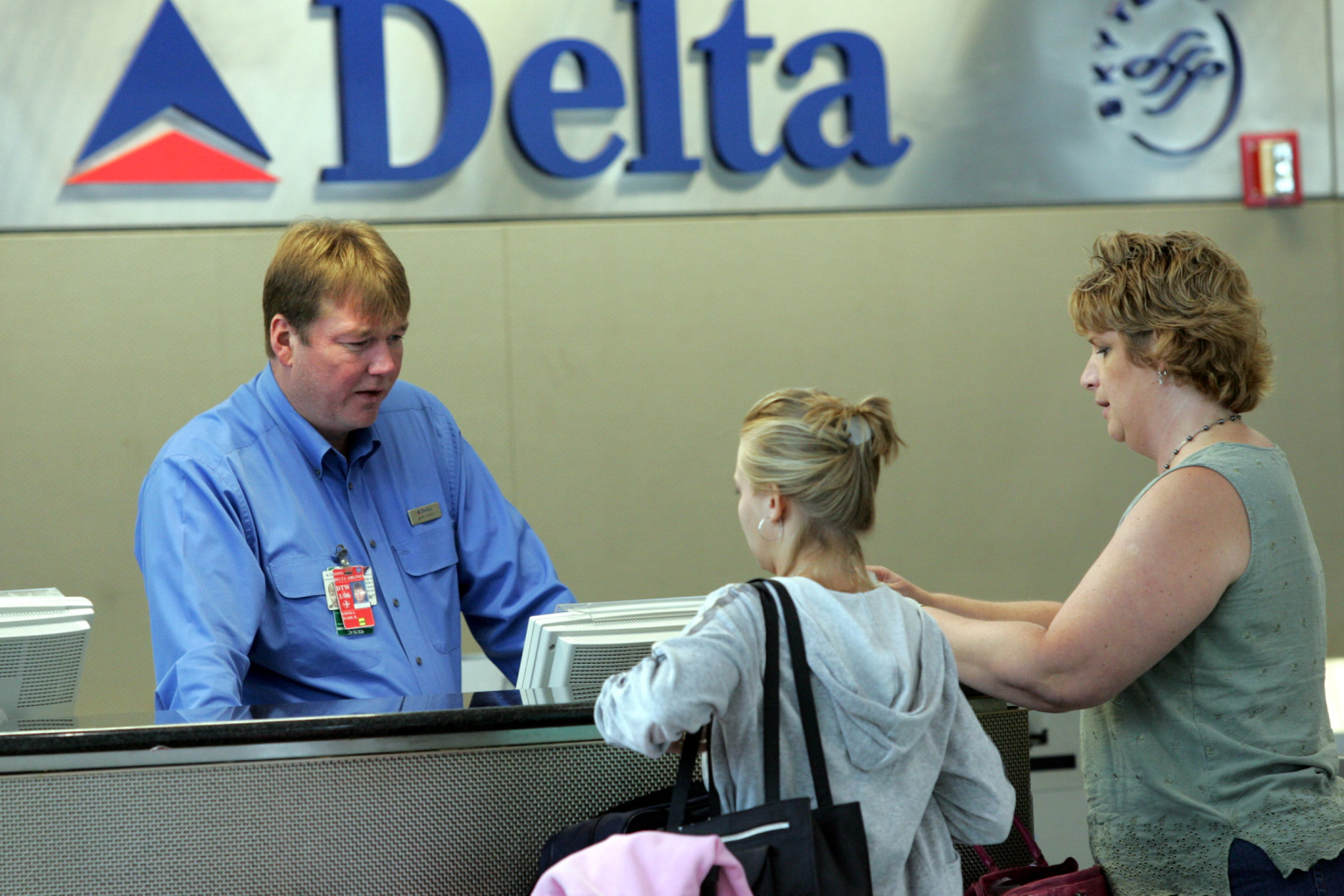
Airlines may check passengers’ travel documents during check-in or before boarding, depending on the route, nationality and applicable destination requirements. If you require a visa for Vietnam, a pending application does not place you in the same position as someone who can present an issued visa that is valid for the intended trip.
That does not mean every airline, airport or individual journey will involve an identical document-checking process. However, it does mean that relying on the explanation “my visa is still processing, but it should be approved soon” is not a sound substitute for having the required travel documentation.
This is also why the question should not only be “Will Vietnam Immigration let me enter?” A more useful question before departure is “Do I currently have the documents required for this journey?”
An application receipt, confirmation or application code can prove that you submitted an eVisa application. What it does not prove is that the application has been approved.
This is one of the easiest mistakes to make when a flight is close. Travellers may open an email confirming their submission or show a payment receipt and assume that it demonstrates that the visa is “in the system.” While that may establish that an application exists, it is not the same thing as presenting an issued eVisa.
Keep these three distinctions in mind:
Application code = reference for your application.
Payment confirmation = evidence of the payment/application step.
Approved eVisa = the issued visa document.
When preparing for a flight to Vietnam, these documents should not be treated as interchangeable.
It may sound reasonable to think that a pending application could be approved during a several-hour flight, particularly if the application has already been processing for some time. The problem is that this assumes you will be able to board the aircraft before the approval arrives.
Your travel documents can be relevant at check-in and boarding, which take place before the aircraft leaves. If an issued visa is required for your journey, hoping that the eVisa will become available somewhere between take-off and landing does not resolve the pre-departure document issue.
There is another practical consideration. Even when an eVisa is approved, travellers should check the issued document rather than simply seeing an “approved” status and assuming everything is ready. Passport information, validity dates and other relevant visa details need to correspond with the intended journey.
For those reasons, “it will probably be approved by the time I land” should not be the basis of a travel plan.
This situation is different because you are still on the ground and may be able to access the issued visa before departure. If your status changes from pending to approved while you are at the airport, retrieve the actual eVisa and review it carefully rather than relying only on the status update.
Start by checking your name and passport number against the passport you are carrying. Then review the visa validity, intended entry information and other relevant details. If something does not match your passport or travel plan, the fact that the application has technically been approved may not by itself solve the problem.
If the issued document is correct, keep an accessible copy available for the journey. The important point is that the situation has changed from “application pending” to “visa issued.” That is a meaningful difference when dealing with travel-document checks.
When departure is approaching, repeatedly refreshing the application status does not give you many additional options. A better approach is to gather the information needed to understand your case and check whether anything requires attention.
Start with the current application status and application code. Then review the passport information used in the application, the date you submitted it, your intended arrival date, your entry checkpoint and your flight departure time. You should also check whether you have received any request to amend or provide additional information.
A useful pre-flight checklist includes:
If the flight is close and the application is still pending, the next step is to determine whether an appropriate urgent processing option is available for your circumstances. The available solution can depend on the application itself, the remaining time before departure and the procedures applicable at that time, so it is better to have the complete information ready before seeking assistance.
There is not always one simple explanation for why an eVisa application remains pending. Applications can be affected by processing schedules, the timing of submission, information that requires review or a request for the applicant to amend particular details. The circumstances of one traveller should not automatically be used to predict what will happen with another application.
This is why comparing your application too closely with someone else’s can be misleading. One traveller may receive a result sooner even though both applications were submitted around the same time. The more useful approach is to focus on your own application status and check whether there is anything that requires action.
It is also worth avoiding unnecessary changes made purely out of anxiety. For example, submitting additional applications without first understanding the status of the existing one can make the situation more difficult to follow. When time is short, clarity about the existing application is usually more valuable than making random attempts to restart the process.
If your departure is approaching and you need someone to review the situation, having complete information available from the beginning can save valuable time. The person reviewing the case needs to understand both the visa application and the actual journey, because an urgent request without flight or passport information provides only part of the picture.
Prepare your passport details or a clear passport copy, your existing application code, the date the application was submitted and its current status. You should also have your intended arrival date, entry checkpoint, flight schedule and requested entry type available.
| Information to prepare | Why it matters |
|---|---|
| Passport details | Used to review traveller and application information |
| Application code | Identifies the existing application |
| Submission date | Helps establish the processing timeline |
| Current status | Shows where the application currently stands |
| Arrival date | Confirms the intended travel date |
| Entry checkpoint | Helps check the planned entry route |
| Flight details | Shows the actual time remaining before departure |
Providing accurate information at the beginning also creates an opportunity to identify obvious inconsistencies before any further processing is considered.
If your flight is approaching and your Vietnam eVisa remains pending, our Vietnam Visa Services team can review your passport, existing application information and travel schedule to help determine which processing option may be appropriate for your circumstances.
You can submit your information here:
Before processing, application and passport details can be reviewed to help identify avoidable errors or inconsistencies. For eligible cases, expedited processing options of approximately 2–8 hours may be available, depending on the application, submission time and the immigration procedures applicable at that time.
Support is available 24/7 for questions concerning visa applications, pending cases and entry arrangements. Our team has more than 15 years of experience providing Vietnam visa assistance, while refund arrangements are handled according to the applicable service terms and published refund policy. Because urgent cases can differ considerably, processing availability and timing should always be assessed against the specific application rather than assumed in advance.

Can I fly to Vietnam if my eVisa still says “processing”?
If you require a visa for your trip, you should not treat a processing or pending application as an issued eVisa. Your travel documents may also be checked before boarding, so relying on an application that has not yet been approved can create a problem before you reach Vietnam.
Can I show my Vietnam eVisa application confirmation at airline check-in?
You can show evidence that you applied, but an application confirmation should not be confused with an approved eVisa. It demonstrates that an application was submitted rather than demonstrating that the visa has been issued.
Does paying the Vietnam eVisa fee mean my visa has been approved?
No. Completing payment and receiving visa approval are different stages of the process. You should check the actual application result and obtain the issued eVisa rather than using payment confirmation as proof of approval.
Can I travel first and wait for my Vietnam eVisa to be approved before I land?
You should not plan your journey around the assumption that a pending visa will be approved during the flight. Travel-document checks may take place before departure, and there is no reason to assume that an application will change status at a particular point during your journey.
What should I do if my Vietnam eVisa is still pending on the day of my flight?
Check the current status and make sure no amendment or additional information has been requested. Gather your passport, application code, submission date, flight details, arrival date and entry checkpoint, then determine whether an appropriate urgent processing option is available for your situation.
What if my eVisa is approved shortly before boarding?
Retrieve the issued eVisa and check its details carefully against your passport and travel plan. Do not rely solely on seeing that the status has changed to “approved”; make sure the actual issued document is correct and accessible for your journey.
Can I get urgent Vietnam visa assistance if my flight is tomorrow?
Urgent processing options may be available for eligible cases, but availability depends on the individual application, submission time, remaining time before departure and applicable procedures. Providing complete passport, application and flight information allows the situation to be assessed more accurately.
If there is one point to remember before heading to the airport, it is this: submitting a Vietnam eVisa application is not the same as having an approved Vietnam eVisa. An application code, payment receipt or pending status can confirm that the process has started, but these should not be treated as substitutes for the issued visa when a visa is required for your journey.
If your departure is getting close and the application remains pending, focus on the actual status rather than hoping the approval will arrive somewhere between check-in and landing. Check your application, prepare the relevant passport and flight information, and determine what options are available while there is still time to act before departure.

You check your email again… and again… hoping to see the message you’ve been waiting for: “Your Vietnam e-Visa has been approved.” But nothing arrives. The status still shows “Processing.” …


