Your flights have been booked, your accommodation is confirmed, and your Vietnam itinerary may already feature Hanoi’s atmospheric Old Quarter, the lantern-lit lanes of Hoi An, Da Nang’s long coastline, …

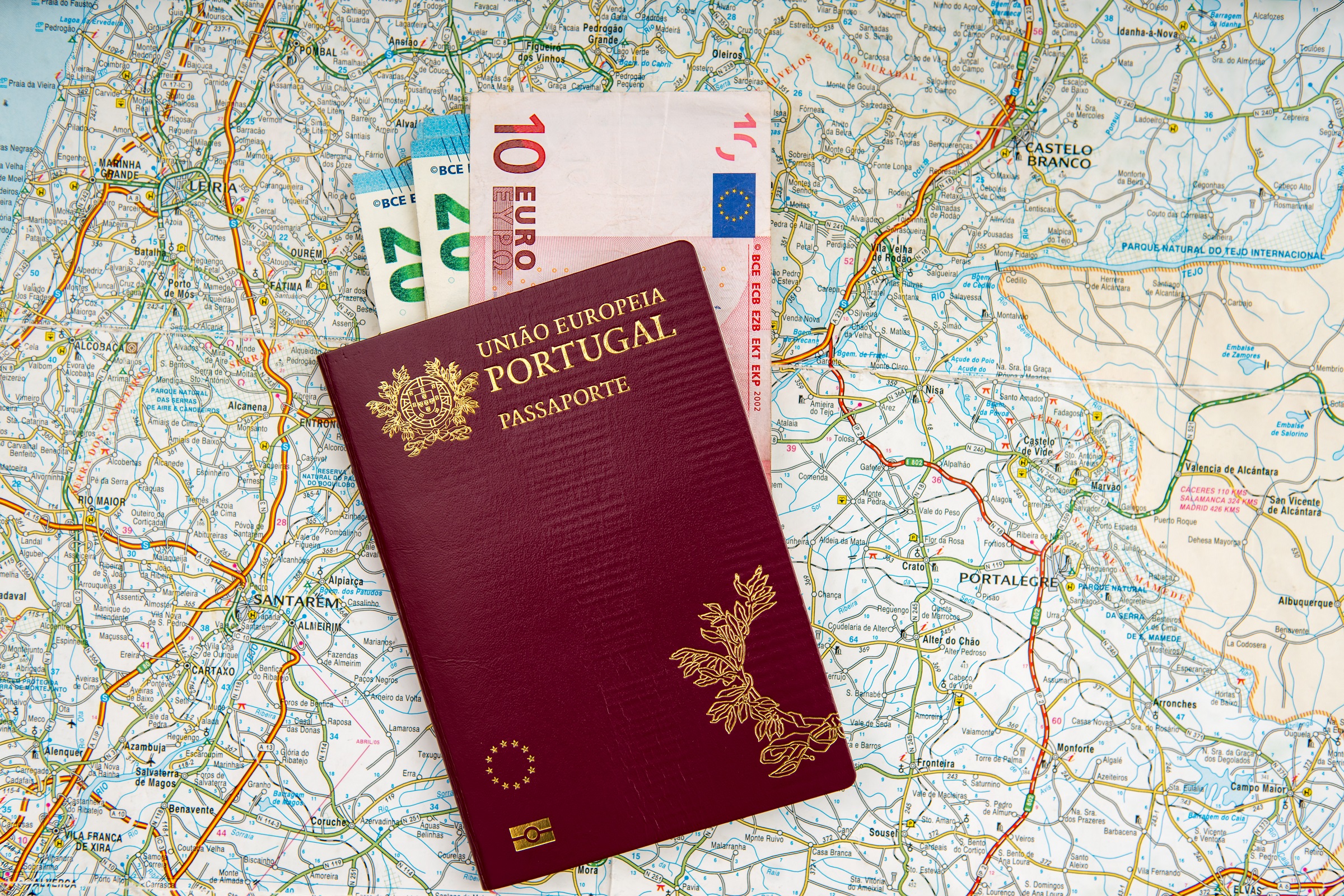
Planning a trip from Portugal to Vietnam? Before locking in your flights, hotels and day-by-day itinerary, make sure you have the correct tourist visa in place. Vietnam’s online eVisa system has simplified the application considerably, but a minor passport error, an unsuitable photograph or incorrectly chosen validity dates can still hold up the process and put an otherwise carefully planned holiday at risk.
Most visa difficulties can be prevented by preparing early and checking every detail before submission. This guide explains how Portuguese passport holders can obtain a Vietnam tourism visa, which documents they need, how long the process may take, what fees to expect and which common mistakes should be avoided.
Yes. Portuguese passport holders generally need a valid visa before travelling to Vietnam for tourism.
Portugal is not included in Vietnam’s current list of 12 countries whose citizens receive a 45-day unilateral visa exemption under the policy applying from 15 March 2025 to 14 March 2028. Portuguese travellers should therefore arrange an appropriate visa before departure for a standard holiday in Vietnam.
For most visitors travelling from Portugal, the Vietnam eVisa is the most practical option. The official Vietnamese system allows eligible foreign nationals outside the country to apply online, and the resulting visa may be valid for up to 90 days with either single or multiple entry.
The two main options are:
A single-entry visa usually suits travellers spending the entire holiday within Vietnam. You could, for example, fly into Ho Chi Minh City, continue to Da Nang and Hoi An, travel north to Hanoi and depart without leaving the country.
A multiple-entry visa is more appropriate when your plans include a side trip to Cambodia, Thailand, Laos, Singapore or another destination before returning to Vietnam.
Travellers should not assume that every application automatically provides a full 90-day stay. The approved eVisa will show the exact start date, expiry date and permitted number of entries. You cannot normally enter before the document becomes valid, and you must leave before the authorised period ends.
A limited exemption may apply to eligible international visitors travelling only to Phu Quoc Island under the island’s specific conditions. However, this should not be treated as permission to travel visa-free throughout Vietnam.
If your plans include Ho Chi Minh City, Hanoi, Da Nang, Hoi An, Nha Trang, Hue, Ha Long Bay or any destination outside Phu Quoc, obtain the correct visa before travelling.

The application form may look straightforward, which sometimes encourages travellers to complete it too quickly. Every detail entered, however, becomes part of the official immigration record and must match the passport used for travel.
A misspelled name, incorrect passport number, inaccurate date of birth, unsuitable portrait or unclear passport scan can slow down the application or require a new submission.
Portuguese travellers should enter their full legal name exactly as it appears on the passport data page. Do not omit a middle name, replace the legal name with a familiar shortened version or change the order of the surname and given names.
Even a small difference can create a mismatch between the passport and the final eVisa. This may become an issue during airline check-in or when documents are inspected after arrival in Vietnam.
Travel dates are another frequent source of problems. Flights from Lisbon, Porto or Faro may involve a connection through another European, Middle Eastern or Asian airport. The date you leave Portugal may therefore differ from the local date on which you arrive in Vietnam.
The visa start date should be selected according to the scheduled arrival date in Vietnam—not simply the date the journey begins in Portugal.
Uploaded documents also need to be clear and complete. Vietnam’s official electronic visa guidance requires applicants to submit a passport data-page image and a suitable portrait. EVisas can only be used at border checkpoints approved for electronic visa entry and exit.
These issues become particularly stressful when non-refundable flights, hotels, domestic transport and tours have already been booked. Without a valid visa, a passenger may be denied boarding for a Vietnam-bound flight.
The official eVisa system generally refers to a processing period of approximately three working days. This should be viewed as a general estimate rather than a guaranteed deadline. Corrections, unclear files, payment problems, weekends, public holidays or higher application volumes may extend the practical timeline.
Portuguese travellers should therefore apply at least 10 days before departure. A longer margin is advisable when travelling around Vietnamese public holidays or when the itinerary includes expensive, non-refundable bookings.
One incorrect passport digit or a discrepancy in the applicant’s name, date of birth, nationality or passport expiry date may make the approved visa inconsistent with the passport.
Airline staff and immigration officers may compare both documents closely. A small typing mistake can therefore create a significant travel problem.
How to avoid it: Keep your passport open while completing the application. Compare every field with the data page before paying and submitting.
Some applicants request a single-entry visa without realising that their itinerary includes leaving Vietnam and returning later.
Once a traveller exits Vietnam after using a single-entry visa, that visa normally cannot be used again, even if its printed expiry date has not yet passed.
How to avoid it: Review your complete journey, including any regional side trips. Select multiple entry when you expect to return to Vietnam after visiting another country.
A photograph may be unsuitable if it is blurry, poorly lit, heavily edited or taken against a distracting background. Glasses, hats or anything covering part of the face may also cause difficulties.
How to avoid it: Use a recent, clear, front-facing portrait with a plain background and an unobstructed view of your face. Avoid filters and low-resolution social-media images.
The eVisa can only be used during the approved validity period. Travellers cannot normally enter Vietnam before the start date shown on the document.
Long journeys and overnight connections can cause applicants to confuse their Portuguese departure date with their Vietnamese arrival date.
How to avoid it: Check the scheduled local arrival date in Vietnam before choosing the requested visa start date.
A passport approaching its expiry date may not support the requested visa period or may create difficulties during airline checks.
Vietnam’s official eVisa FAQ states that the electronic visa must expire at least 30 days before the passport itself expires.
How to avoid it: Check the passport expiry date before applying. Renew the passport first when it does not provide enough validity for the requested visa and complete journey.
A passport image with glare, deep shadows, missing edges or unreadable text may not provide enough information for verification.
The full data page should show:
How to avoid it: Scan or photograph the page in even lighting. Open the file at full size and confirm that every detail is legible before uploading.
Some travellers rely entirely on the standard processing estimate and apply only a few days before their flight.
This leaves very little time to resolve a failed payment, replace an unsuitable image or respond to a request for corrected information.
How to avoid it: Submit the application at least 10 days before departure whenever possible. Leave additional time for family applications, public holidays and non-refundable itineraries.
Private visa providers vary considerably. Some offer proper document checks and responsive support, while others provide vague pricing or limited assistance after payment.
Travellers should also distinguish between the government visa fee and any separate private-service charge.
How to avoid it: Confirm the total price, document-review service, support channels, processing terms and refund conditions before paying.
Confirm that you will travel with a valid Portuguese passport and that tourism is the purpose of your visit.
Portugal is not covered by Vietnam’s current 45-day unilateral exemption for the 12 listed countries, but Portuguese passport holders can use the electronic visa route available to foreign nationals.
Review your itinerary and decide:
Before opening the application form, gather:
Preparing everything beforehand helps you complete the form accurately without interruptions.
Enter all personal and travel details exactly as they appear in the passport and itinerary.
Portuguese travellers seeking professional application assistance may submit their information through:
Travellers may also apply independently through Vietnam’s official national electronic visa system, operated by the Immigration Department under the Ministry of Public Security.
Check the following especially carefully:
Do not rely solely on browser autofill or information remembered from an older passport.
Upload a clear passport data-page image and a compliant portrait.
The passport image should not be:
The portrait should show the applicant facing the camera with the face fully visible.
Complete payment through an accepted online method.
Vietnam’s official eVisa fees are generally:
A private provider may charge additional amounts for:
Review the full price and service description before confirming payment.
Save the application or registration code and monitor the email address used in the form.
The official eVisa system delivers the result online and generally refers to processing within a small number of working days. Applicants should respond promptly if corrected documents or additional information are requested.
Check both your inbox and spam folder so you do not miss an important notification.
After approval, download the eVisa and verify:
Print at least one paper copy and retain a digital backup in your email, phone or secure cloud storage.
If anything is incorrect, contact the relevant application channel before travelling. Do not assume the error can be explained at the airport.
Travel with the same Portuguese passport used in the application and carry a printed copy of the approved eVisa.
Keep the following documents readily accessible:
Electronic visas may only be used through border checkpoints approved by the Vietnamese government. Confirm that your planned international airport, land crossing or seaport accepts eVisas before finalising transport.

Preparing the necessary materials in advance makes the application easier and reduces the chance of inconsistent information.
Portuguese travellers should prepare:
The passport image should clearly display:
Use an email account you check regularly. Application notices, correction requests and approval information may be delivered electronically.
Before submission, confirm that you have:
A careful final review can prevent several days of unnecessary difficulty later.
Processing time depends on the application route, the accuracy of the submitted information and whether additional assistance is requested.
| Processing Type | Estimated Time | Suitable For |
|---|---|---|
| Standard | Generally around 3–5 working days | Travellers planning well in advance |
| Urgent | Commonly around 1–2 working days, subject to eligibility | Short-notice journeys |
| Emergency | Potentially within several hours for eligible cases | Imminent departures |
Vietnam’s electronic visa process generally refers to processing within approximately three working days. This should not be interpreted as a guaranteed delivery time for every application.
Processing may take longer when:
Urgent and emergency options are usually support services offered by private providers rather than universal government processing categories.
Availability may depend on:
Portuguese travellers should apply at least 10 days before departure for a more comfortable margin.
The total cost depends on the number of entries, application channel, processing speed and optional assistance.
Official government eVisa fees are generally:
When using a professional provider, the final price may also include:
Before paying, establish exactly what the quoted amount includes.
A low-cost service may cover only basic form submission. A more comprehensive option may provide:
Travellers comfortable with government forms and applying well in advance may prefer to submit independently.
First-time visitors, families managing several applications, travellers with multi-country itineraries or passengers leaving soon may find professional review more useful.

Portuguese travellers may apply independently through the official platform or use a professional service for additional assistance.
| Apply Yourself | Professional Visa Service |
|---|---|
| Lower initial cost | Guidance throughout the application |
| Review your own documents | Professional checks before submission |
| Monitor the application yourself | Status monitoring and support |
| Resolve problems independently | Assistance identifying common errors |
| Suitable for confident applicants | Helpful for first-time or urgent travellers |
Applying independently may be suitable when you are comfortable completing online forms, understand the requirements and have sufficient time before departure.
However, independent applicants remain responsible for:
For Portuguese travellers seeking convenience or time-sensitive support, VietnamImmigration.com provides application guidance, document review, simplified preparation instructions, expedited options for eligible cases and 24/7 customer assistance.
The service may be especially helpful for:
Professional assistance cannot replace Vietnam’s Immigration Department or independently guarantee approval. Its practical purpose is to reduce avoidable mistakes and help travellers manage the process with greater confidence.
Receiving an approved visa is not the final preparation step. Organising your documents before leaving Portugal can make airline check-in and arrival considerably smoother.
Print at least one copy of the approved eVisa and keep a digital backup.
Before travelling, compare the visa with your passport one final time. Confirm:
At the airport, keep the following readily available:
After landing, follow the signs to immigration and prepare the passport and eVisa before reaching the counter.
Once immigration formalities are complete, collect your luggage and proceed through customs. Declare goods when required under the applicable rules.
Arrival halls can become busy when several international flights land at similar times. Travellers who prefer extra assistance or shorter waiting times may consider a Vietnam Airport Fast Track Service.
This may be useful for:
Services vary by airport and provider. Confirm whether the package includes meet-and-greet assistance, immigration support, baggage help or other features before booking.
Keep your passport and visa secure throughout your stay. Accommodation providers may require passport details to register foreign guests, so a protected digital copy can also be useful.
Yes. Portuguese passport holders can generally apply online through Vietnam’s national eVisa system.
The eVisa may be issued for a maximum of 90 days with single or multiple entry.
Applying at least 10 days before departure is recommended as a practical safety margin.
Although standard processing is generally described as taking a few working days, extra time may be needed if documents or information require correction.
The approved eVisa contains a specific start and expiry date.
You may enter on or after the effective date, but not before it. If your revised arrival remains within the approved validity period and complies with the permitted number of entries, the visa may still suit the journey.
A new application may be required when the revised trip falls outside the approved dates.
A child travelling on an individual Portuguese passport generally needs a separate visa linked to that passport.
Parents should review each child’s legal name, date of birth, passport number, photograph and approved validity dates carefully.
Yes, provided they obtain a multiple-entry eVisa.
A multiple-entry visa is appropriate when a traveller leaves Vietnam and returns during the approved validity period. A single-entry visa normally cannot be reused after the first departure.
Review the submission for:
Correct the issue before submitting another application. When departure is close, professional assistance may help identify the problem and determine whether expedited support is available.
Travel insurance is not generally listed as a standard document in the basic eVisa application process.
However, travellers should consider suitable coverage for medical costs, cancellation, missed connections, lost luggage and emergency assistance.
No. Electronic visas may only be used at Vietnam’s designated international airports, land border crossings and seaports.
Confirm that your intended entry point accepts eVisas before booking flights or onward transport.
Contact the relevant application channel or visa provider immediately.
Do not assume that airline or immigration staff will overlook an incorrect name, passport number, nationality, validity period or entry type.
Depending on the nature of the mistake, a new application may be necessary.
Obtaining a Vietnam tourist visa is generally straightforward for Portuguese travellers, but attention to detail is essential. Incorrect passport information, unsuitable photographs, poorly selected dates or the wrong entry type can turn a routine online application into an expensive travel problem.
Apply early, prepare clear documents, choose the entry option that matches your complete itinerary and review every field before paying. Once approval is granted, print the eVisa, compare it with your passport and confirm that your planned entry checkpoint accepts electronic visas.
Portuguese travellers who prefer additional guidance may use VietnamImmigration.com for application assistance, document review, expedited options for eligible cases and ongoing customer support. Whether you apply independently or seek professional assistance, accurate information and early preparation remain the most effective ways to avoid delays and begin your Vietnam holiday with confidence.
Your flights have been booked, your accommodation is confirmed, and your Vietnam itinerary may already feature Hanoi’s atmospheric Old Quarter, the lantern-lit lanes of Hoi An, Da Nang’s long coastline, …