Planning a trip from India to Vietnam? Whether you are dreaming of cruising through Ha Long Bay, wandering the streets of Hanoi, or exploring the lively markets of Ho Chi …

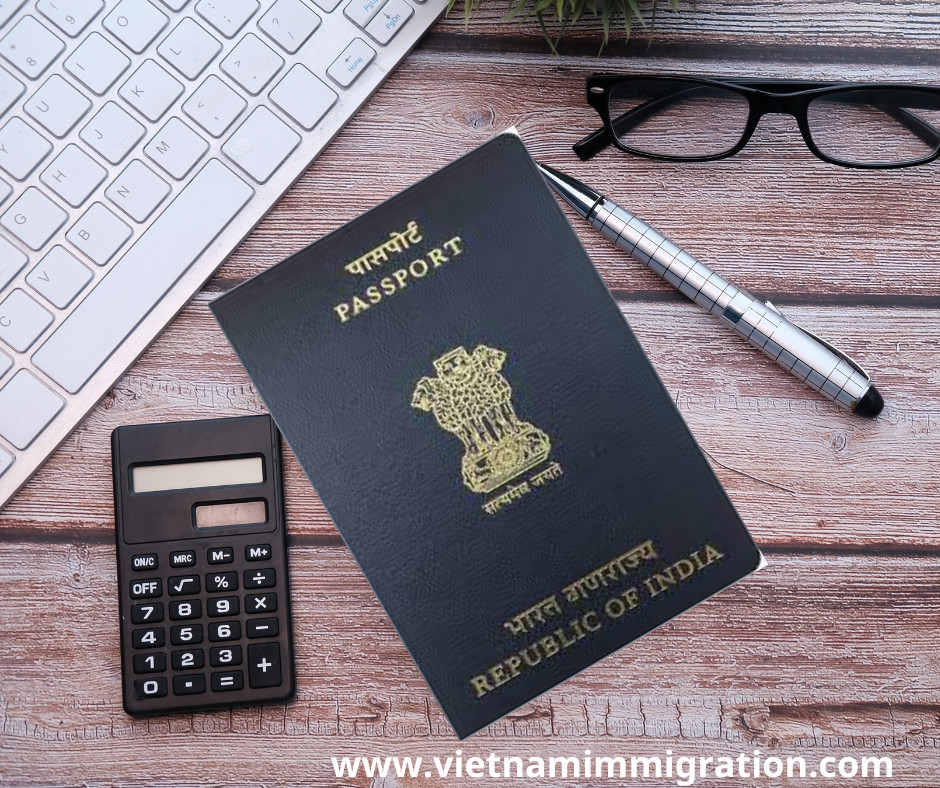
For many travellers from India, navigating the visa rules for foreign destinations can often feel overwhelming. Vietnam, a country that has become increasingly popular among Indian tourists and business travellers, has specific entry regulations that are not always easy to interpret. Every year, several Indian visitors encounter issues such as delayed approvals, rejections due to minor errors, or being stopped at their departure airport because their visa type does not match their travel purpose. There are also cases where applicants unknowingly use unofficial websites that collect payment but never deliver a valid visa. If you are planning a trip to Vietnam—whether for leisure, work, or family visits—this comprehensive guide will help you understand everything clearly. It explains the visa types available to Indian citizens, the required documents, the processing times, and the most reliable method to ensure your visa is approved smoothly and on time.
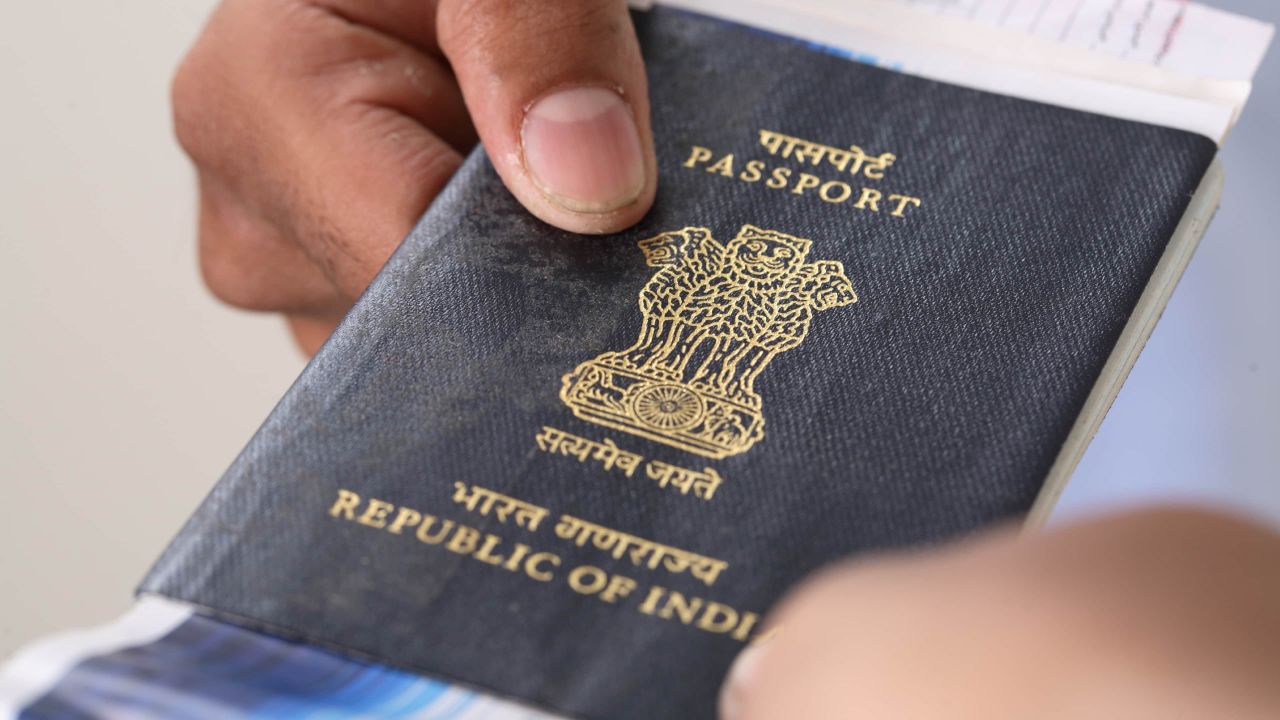
Yes. Indian passport holders must obtain a visa before entering Vietnam, unless they are transiting through an international airport without crossing immigration. Vietnam does not provide visa-free entry for Indian nationals, regardless of whether the purpose of travel is tourism, business, a family visit, volunteer work, or long-term stay. This means every Indian traveller must apply for a valid visa in advance.
Most Indian tourists choose the Vietnam eVisa because it offers a convenient online application process. However, travellers planning longer visits, multi-entry trips around Southeast Asia, or business-related engagements may benefit from other visa categories. Understanding your purpose of travel at the start will help ensure you apply for the right type of visa and avoid complications later.
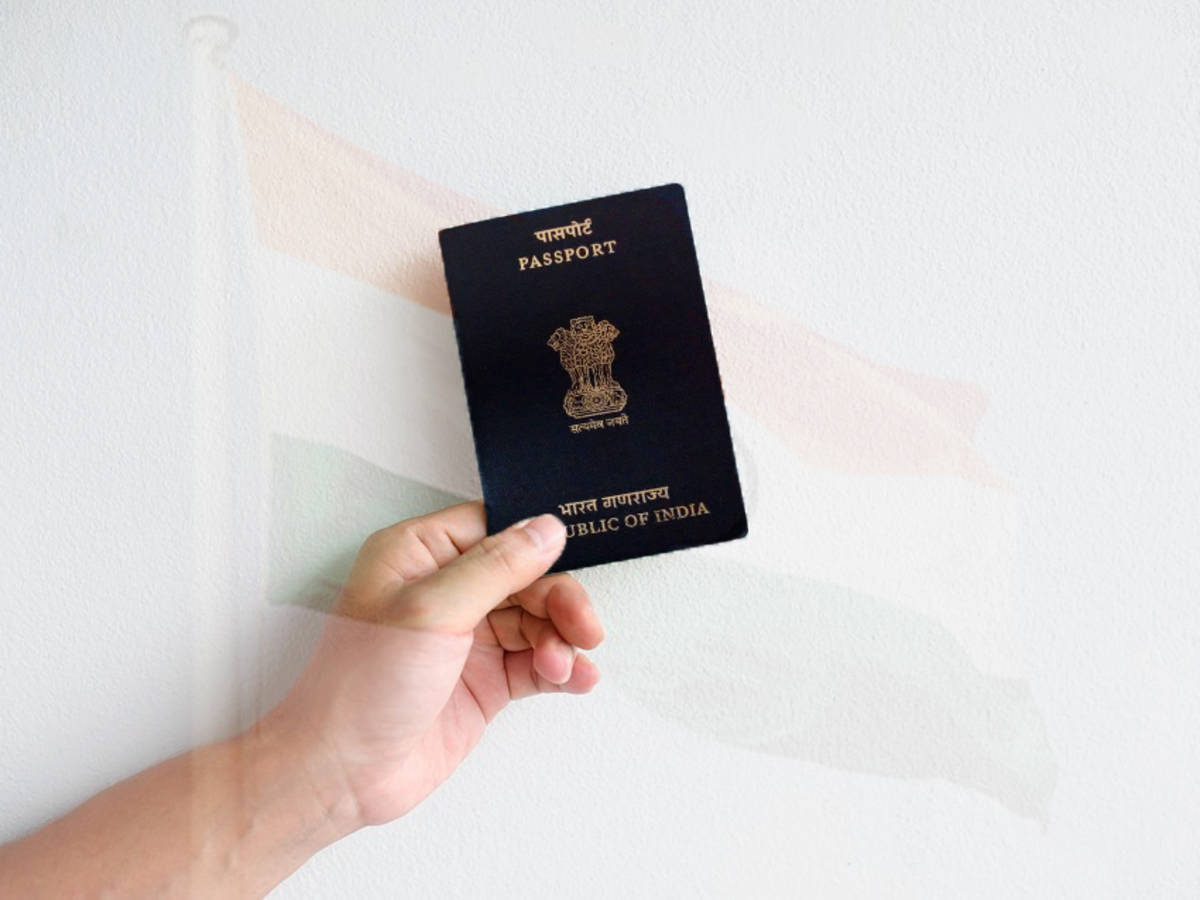
Another important point to remember is that your Indian passport must be valid for at least six months beyond your intended arrival date in Vietnam. Immigration authorities also pay close attention to damage—such as torn pages, loose binding, or water stains. Even slight imperfections may result in denied boarding in India. Checking your passport early can help prevent last-minute issues at the airport.

Vietnam offers several visa options for Indian travellers, each suited to different travel needs and durations. Below are the most commonly used categories.
The Vietnam eVisa is widely preferred by Indian visitors because the entire process—from filling the form to receiving the approval—is done online. Travellers can choose between a 30-day single-entry or a 90-day multiple-entry eVisa. This is especially helpful for Indians planning multi-country travel across Asia.
Processing usually takes three to five working days, though delays can happen during peak travel seasons. Since the application is digital, accuracy is crucial. Even a small mistake—like highlighting the wrong passport number or uploading a photo that does not meet the specifications—can lead to rejection. Many Indian travellers therefore prefer consulting a professional before submitting the form.
For straightforward trips such as sightseeing, attending short business meetings, or visiting relatives, the eVisa is the most practical and cost-effective choice.
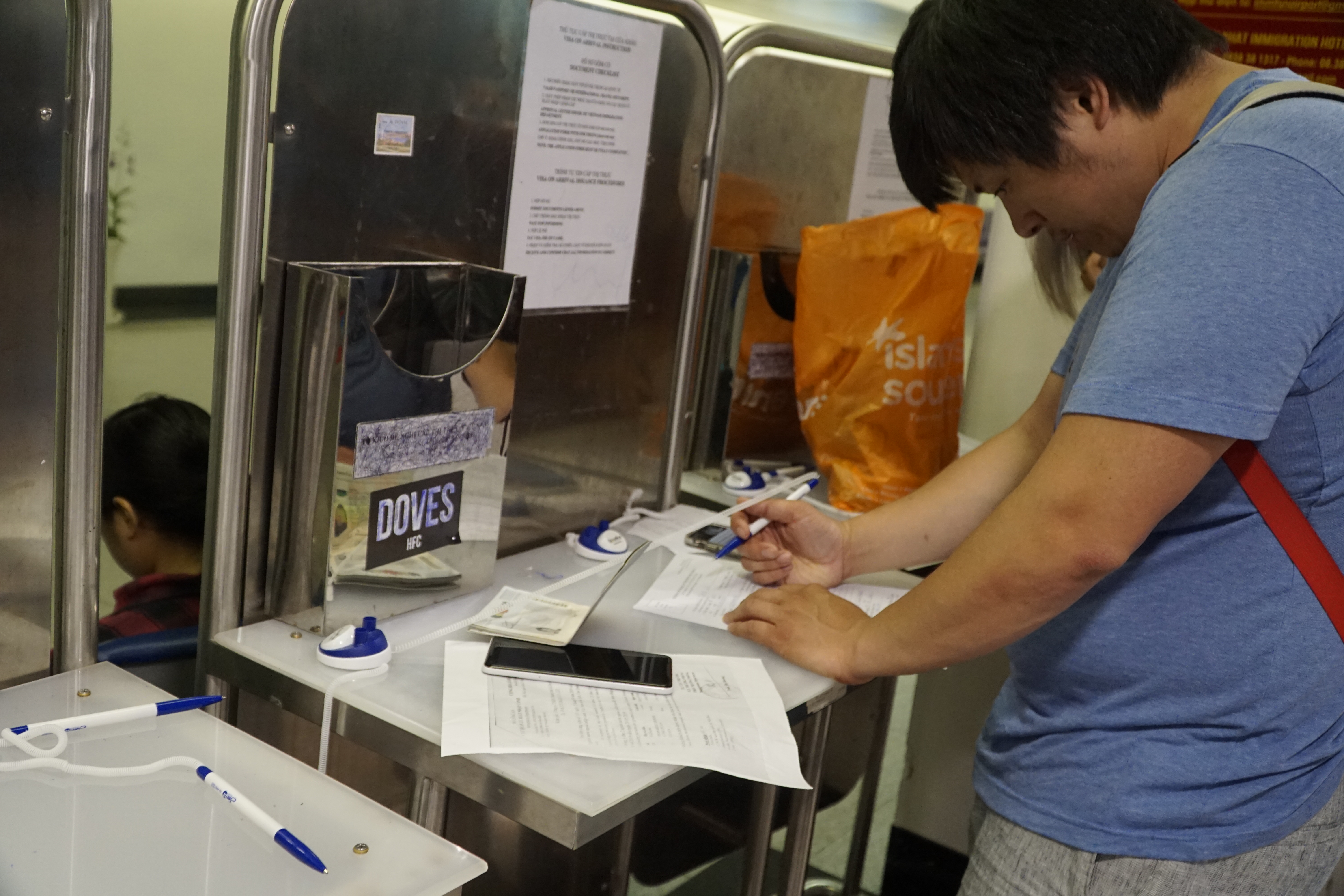
Visa on Arrival is a useful alternative for Indian travellers who want more flexibility than the eVisa offers. To use this option, travellers must first obtain a pre-approved Approval Letter before boarding their flight to Vietnam. Without this letter, airlines will not allow Indian passengers to board.
VOA is often chosen by Indian travellers who:
Because Approval Letters can be issued quickly—sometimes within a few hours—this option is ideal for those who need to finalise travel arrangements at short notice. Upon arrival at a Vietnamese international airport, travellers present the letter, their passport, photos, and stamping fee to receive their visa.
For certain Indian travellers—especially those seeking long-term work visas, sponsored business travel, or extended stays—the Embassy Visa is the most suitable option. This method involves applying at the Embassy or Consulate of Vietnam in India.
Embassy applications can require additional materials such as company letters, employment contracts, or proof of sponsorship. While this process is more formal than the eVisa or VOA, it covers a wider range of visa categories and is ideal for travellers with specific professional or long-term plans in Vietnam.
The Vietnam visa process is generally straightforward, but the accuracy of your documents is extremely important. Indian applicants typically need:
If applying for a business visa, supporting documents such as invitation letters from Vietnamese companies may also be required. Ensuring consistency across all documents will reduce delays and increase your chances of approval.
Visa fees vary depending on the category chosen:
Fees may change periodically, so Indian travellers are advised to confirm the latest applicable charges before applying.
Vietnam provides multiple processing speeds to suit different travel requirements:
These faster processing options are particularly popular among Indian travellers who plan spontaneous trips or discover close to departure that their visa has not yet been arranged.
Indian travellers often face issues that can be easily avoided with the right information. One of the most common mistakes is using unofficial websites that appear legitimate but do not provide valid visa approvals. These websites may look professional but can leave applicants stranded without a visa days before their journey.
Another frequent problem is uploading incorrect or low-quality photos. Vietnam has strict visa photo requirements, and mistakes such as incorrect dimensions, shadows, blurry images, or casual selfies often lead to rejection.
A third issue is related to passport condition. Many Indian travellers are unaware that even small damages—like minor tears, water marks, or worn-out corners—can result in denied boarding at the airport.
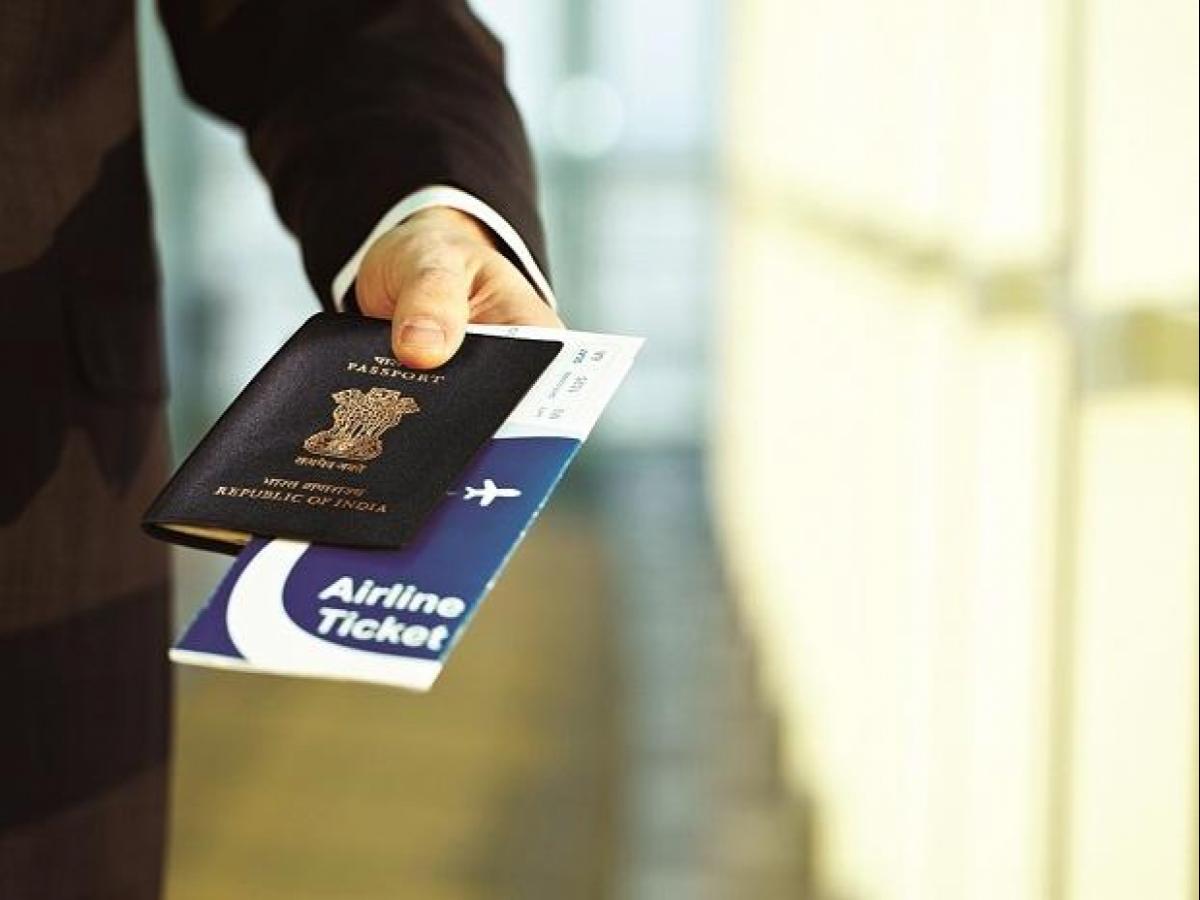
Finally, choosing the wrong visa type often causes serious inconvenience. Airlines verify that a traveller’s visa matches the purpose of travel, and mismatches can lead to travellers being refused boarding even if their visa was technically approved.
For Indian travellers who want a smooth and trouble-free experience, using a trusted visa support service is often the best option. Government portals can sometimes be confusing, especially during holiday seasons or when sudden policy changes occur. A single mistake in the application can delay approval or cause unexpected issues.
This is why many Indian travellers rely on VietnamImmigration.com, a reputable visa service with over 15 years of experience. Their team assists Indian applicants by reviewing documents, correcting errors, and guiding them through each step of the process. They help travellers avoid fake websites, incorrect submissions, and slow processing times—ensuring a fast and reliable approval.
Benefits for Indian travellers include:
For those who value convenience, reliability, and a stress-free experience, this is the easiest and safest way for Indian travellers to obtain a Vietnam visa.

For Indian citizens, obtaining a visa is a mandatory part of travelling to Vietnam. Although the process may seem complex at first, it becomes straightforward once you understand the available visa options and prepare your documents correctly. Whether you choose an eVisa, Visa on Arrival, or Embassy Visa, proper preparation ensures a smooth entry into Vietnam. And for travellers who prefer a guided and effortless experience, VietnamImmigration.com remains one of the most trusted and efficient solutions for Indian visitors.
Planning a trip from India to Vietnam? Whether you are dreaming of cruising through Ha Long Bay, wandering the streets of Hanoi, or exploring the lively markets of Ho Chi …
Planning a trip to Vietnam from India but unsure about how to get your visa done? You’re not alone. Many Indian travellers find the visa process confusing, with too many …
If you’re an Indian traveller planning a trip to Vietnam, you’re in for an unforgettable experience. From the lively streets of Hanoi to the peaceful beaches of Phu Quoc and …
For many Indian travellers, Vietnam has become one of the most exciting destinations in Southeast Asia — a blend of natural beauty, history, and culture. However, one small mistake in …