Dreaming of a Vietnam holiday in 2026? Whether you’re looking forward to sailing through Ha Long Bay, wandering the lantern-lit streets of Hoi An, or digging into Vietnamese street food, …

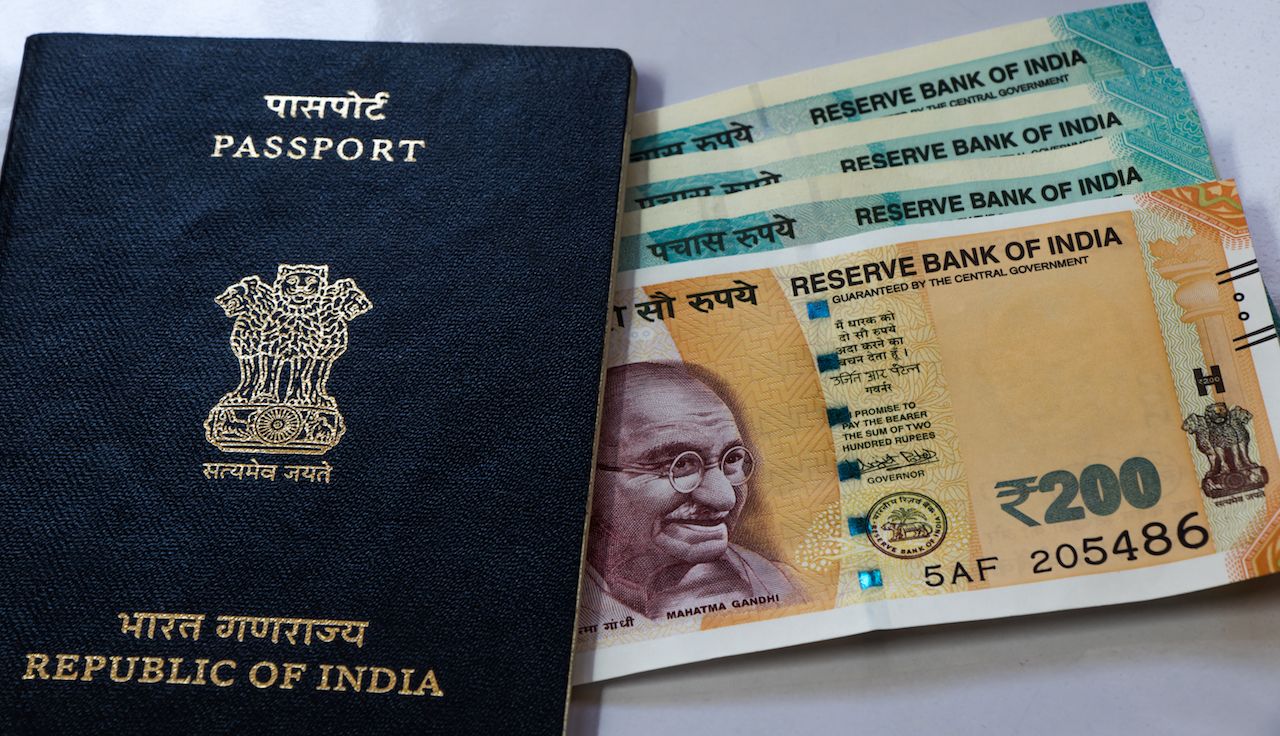
If you are an Indian traveller planning a visit to Ho Chi Minh City, understanding the Vietnam visa process may seem slightly complicated at the beginning. With multiple visa options and varying requirements, it is quite common to feel confused about the right approach. However, the good news is that applying for a Vietnam visa online has made the entire process much simpler and more convenient. In this guide, you will find a clear step-by-step explanation on how to prepare your documents, complete your online application, and enter Vietnam smoothly without unnecessary delays or stress at the airport.
Indian travellers planning a trip to Vietnam can choose from a few different visa options based on their travel requirements. One of the traditional methods is applying through a Vietnamese embassy or consulate. This involves submitting your documents in person, which can take additional time and effort, especially for those who may not have easy access to these offices.
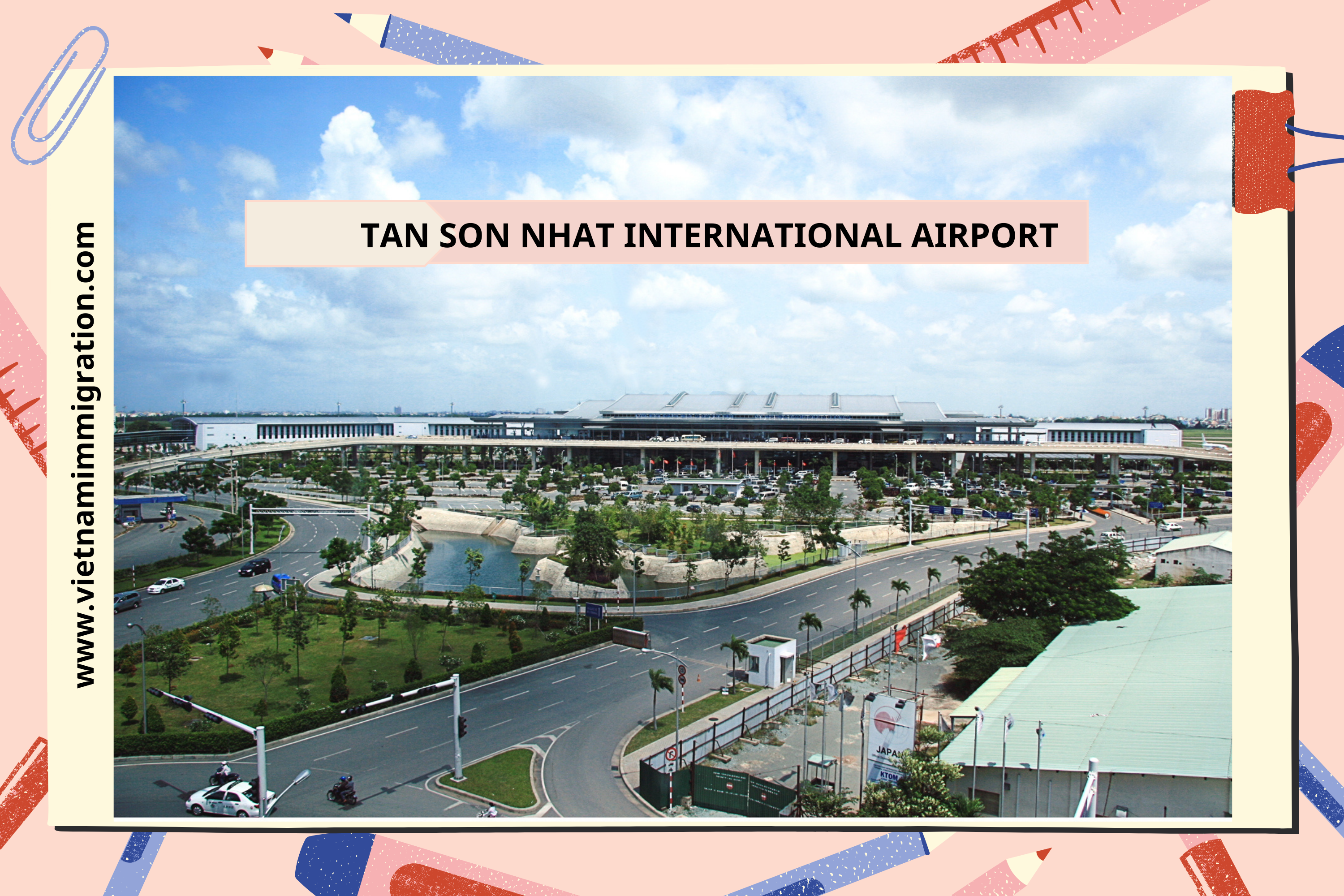
Another option is the Visa on Arrival facility. In this case, Indian travellers need to apply online for an approval letter before departure. After landing at Tan Son Nhat Airport, they must present the approval letter, submit the required documents, pay the stamping fee, and wait for their visa to be issued. While this option offers flexibility, it may involve waiting at the airport after a long journey.
The most convenient and widely preferred option today is the e-visa. Indian travellers can complete the entire process online and receive the visa via email. Upon arrival, they simply need to present the e-visa along with their passport. There is no requirement for additional paperwork or payments at the airport. E-visas are available for both single and multiple entries, valid for up to 90 days, and can be used for tourism as well as business purposes at international airports including Tan Son Nhat.
For most Indian visitors, the e-visa is the easiest and most time-efficient option available.
Applying for a Vietnam visa online before leaving India can save a significant amount of time and effort. After a long flight, standing in queues at the airport can be tiring. Having your visa ready allows you to proceed directly to immigration, making your arrival much smoother.
Another important advantage is reducing the chances of errors or missing documents. If there are any mistakes in your application, it could lead to delays or complications during entry. By applying online in advance, Indian travellers can carefully review all details and ensure accuracy.
Additionally, having your visa approved before your journey provides peace of mind. You can focus on planning your trip, booking accommodation, and organising your itinerary without worrying about visa-related issues.
Whether you are travelling for tourism or business, applying online is a practical and reliable option for Indian travellers.
The first step is to visit an official application portal or a trusted visa service provider such as https://www.vietnamimmigration.com/apply-vietnam-visa/. Choosing a reliable platform ensures that your application is handled securely and correctly.
Next, complete the online application form by entering your personal details, passport information, and travel plans. Indian travellers should make sure that all information matches their passport exactly, including name spelling and date of birth, to avoid delays. You will also need to upload a scanned copy of your passport and a recent photograph.
Once the form is completed, proceed with the payment using a credit card or other accepted online payment methods. After processing, your e-visa will be sent to your email. It is important to verify all details and print a copy to carry during your travel.
Upon arrival at Tan Son Nhat Airport, simply present your passport and printed e-visa to the immigration officer. This straightforward process eliminates the need for additional procedures or fees at the airport.
The standard processing time for a Vietnam e-visa is generally between three to five working days. This is suitable for Indian travellers who plan their trips well in advance.
For urgent situations, expedited services are available. Indian travellers can receive their e-visa within two to eight hours, which is particularly useful for last-minute travel plans or unexpected trips.
Choosing the right processing option depends on your travel schedule. If your departure date is close, opting for urgent processing can provide reassurance. If you have sufficient time, the standard option is usually adequate.
Understanding the processing timelines helps Indian travellers avoid last-minute stress and ensures that all documents are ready before departure.
Before travelling, ensure that your passport is valid for at least six months from your date of arrival. This is a mandatory requirement for entry into Vietnam.
It is advisable to carry both a printed copy of your e-visa and a digital version on your mobile device. This ensures that you are prepared in case of any unexpected situation.
Accuracy in your documents is very important. Make sure that all information on your visa matches your passport exactly. Even minor discrepancies can lead to delays during immigration.
If you wish to save time, you may consider using a fast-track service at the airport. This can help Indian travellers avoid long queues and complete immigration procedures more quickly, especially during peak hours.
For Indian travellers visiting Ho Chi Minh City, applying for a Vietnam visa online is the most convenient and efficient option. It simplifies the process, reduces the risk of complications, and ensures a smooth entry experience. By arranging your visa in advance, you can travel with confidence and focus on enjoying your time in Vietnam.
Dreaming of a Vietnam holiday in 2026? Whether you’re looking forward to sailing through Ha Long Bay, wandering the lantern-lit streets of Hoi An, or digging into Vietnamese street food, …