Vietnam has become an increasingly attractive destination for Indian travellers, whether for tourism, business opportunities, or visiting friends and relatives. While planning the journey is often exciting, visa-related questions can …


Travelling from India to Vietnam, especially to a vibrant coastal city like Danang, has become increasingly popular for tourism, business, and family visits. However, before starting your journey, one important requirement can determine whether your travel experience begins smoothly or turns stressful: obtaining the correct Vietnam e-visa. Many Indian travellers believe that applying online is quick and guaranteed, but in reality, even small errors can lead to delays or rejection. This guide is written specifically for Indian passport holders who plan to enter Vietnam through Danang International Airport, offering clear explanations and practical advice to help you secure your e-visa confidently and without last-minute complications.
A Vietnam e-visa is an official electronic travel authorisation issued by the Vietnamese immigration authorities through an online system. It allows eligible foreign nationals to enter Vietnam without visiting a Vietnamese embassy or consulate, which makes it a convenient option for Indian travellers.
Indian citizens are fully eligible to apply for a Vietnam e-visa. The e-visa can be issued for up to 90 days and may allow single entry or multiple entries depending on the option chosen during the application process. Once approved, the visa is provided as a downloadable PDF file that must be printed and presented to immigration officers upon arrival in Vietnam.
Although the application is completed online, approval is not automatic. Each application is reviewed manually, and accuracy is essential. Any mismatch in personal details, passport information, or uploaded documents may result in processing delays or rejection, which is why careful preparation is especially important for Indian applicants.
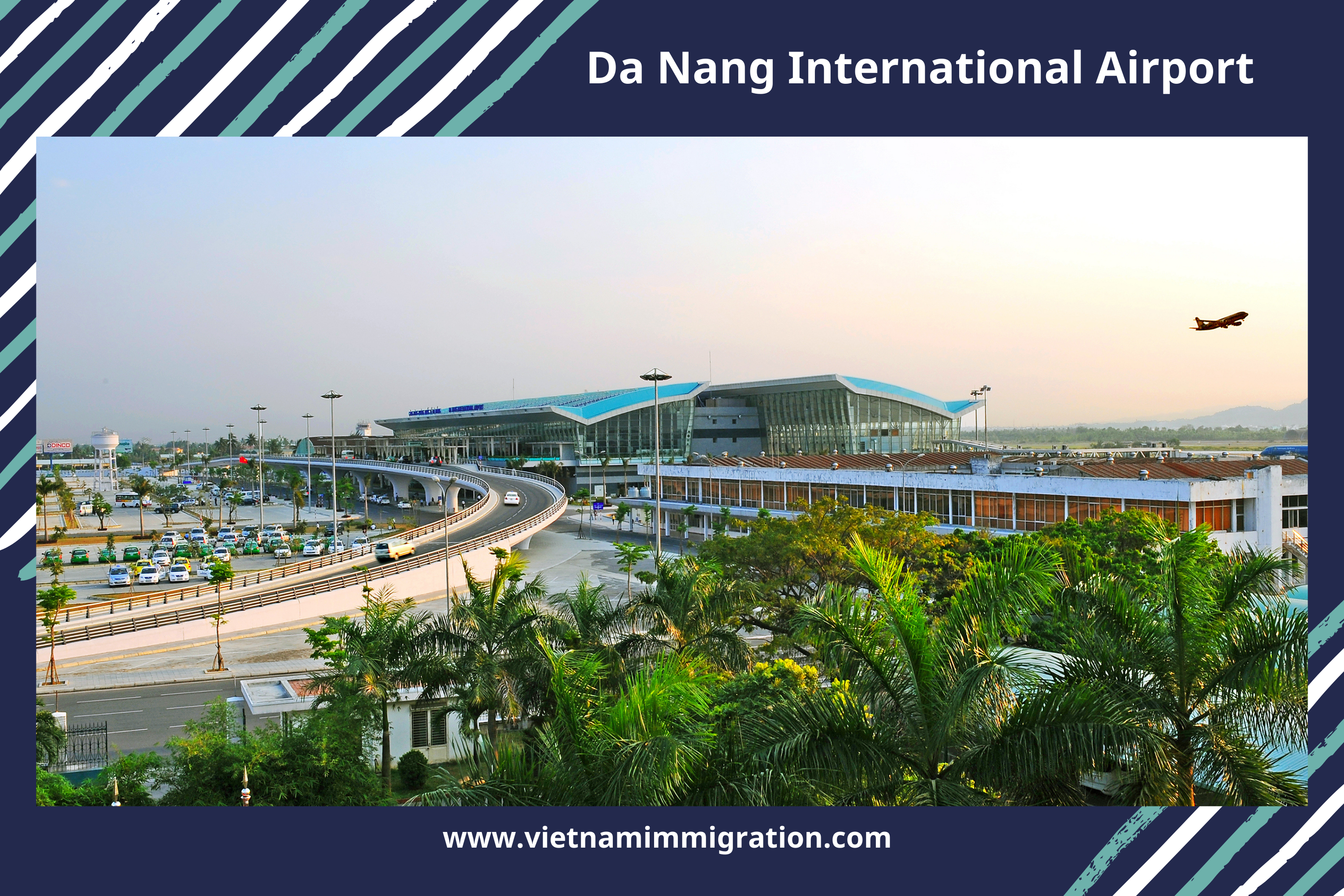
Yes, Indian citizens can legally enter Vietnam through Danang International Airport using a valid Vietnam e-visa. Danang is one of the official ports of entry approved for e-visa holders and is a common arrival point for travellers visiting central Vietnam.
However, successful entry depends on selecting Danang International Airport as the intended entry point during the e-visa application. Immigration officers will check this information carefully upon arrival, and it must match exactly what is printed on the e-visa.
Some Indian travellers assume that an e-visa can be used at any airport in Vietnam. In practice, choosing the wrong entry port during the application can result in refusal at immigration, even if the visa itself is valid. Understanding and following this requirement is essential to avoid problems at the airport.
Before applying for a Vietnam e-visa, Indian citizens should prepare all required documents carefully. While the requirements are straightforward, they must meet official standards to avoid delays.
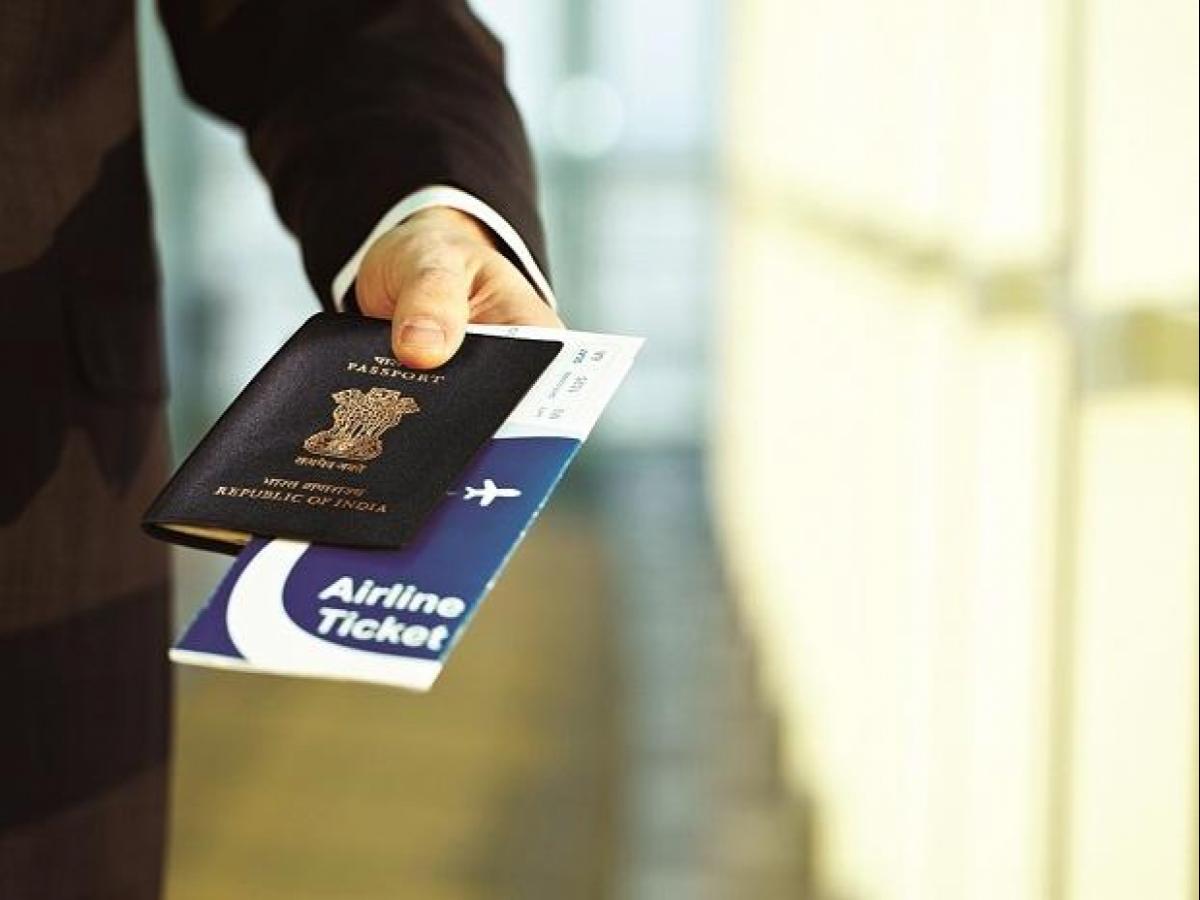
Applicants must hold an Indian passport that is valid for at least six months beyond the intended date of entry. A clear scan of the passport information page is required, along with a recent passport-size photograph that meets Vietnamese immigration specifications. Travellers must also provide their planned entry and exit dates and an accommodation address in Vietnam.
Most application issues arise from technical mistakes rather than eligibility problems. Unclear scans, incorrect passport numbers, or poor-quality photos are common reasons for rejection. Since corrections are often not allowed after submission, it is important to review all information carefully before applying.
The Vietnam e-visa application process is completed entirely online, but each step must be handled with attention to detail. Indian travellers should ensure that all personal information entered in the application matches their passport exactly.
After uploading the required passport scan and photograph, applicants must select Danang International Airport as their intended port of entry. This step is particularly important for those flying directly to Danang.
Before submitting the application and paying the processing fee, it is strongly recommended to review all details carefully. Once the application is submitted, errors may require starting a new application. After approval, the e-visa should be downloaded, printed, and kept with travel documents for presentation upon arrival.

Under normal conditions, the standard processing time for a Vietnam e-visa is approximately 3 to 5 working days. However, Indian travellers sometimes experience longer processing times, especially when applying close to their travel date.
Delays are commonly caused by incorrect information, unclear uploaded documents, or applications submitted during Vietnamese public holidays. In some cases, applications may be selected for additional review, which can further extend the processing time.
These delays can seriously affect travel plans, as airlines may refuse boarding if a valid visa is not available at check-in. Applying early and ensuring all information is accurate can help Indian travellers avoid unnecessary stress.
For Indian travellers who prefer greater certainty, using a professional visa service can significantly reduce risk. VietnamImmigration.com provides specialised Vietnam visa assistance for Indian passport holders.
Their service includes careful document verification before submission, fast-track processing options that can deliver results within 2 to 8 hours, and 24/7 professional support. With more than 15 years of experience handling Vietnam visa applications, their team understands how to minimise the risk of rejection.
In addition, the service offers a 100 percent money-back guarantee if the visa is not approved. For Indian travellers with fixed schedules or limited flexibility, this expert solution provides peace of mind and a smoother entry into Vietnam through Danang Airport.

For Indian citizens, obtaining a Vietnam e-visa to enter through Danang International Airport is a straightforward process when handled correctly. By understanding the requirements, allowing sufficient processing time, and avoiding common mistakes, travellers can begin their journey with confidence. Whether applying independently or with professional assistance, proper preparation is the key to a smooth and stress-free arrival in Vietnam.
Vietnam has become an increasingly attractive destination for Indian travellers, whether for tourism, business opportunities, or visiting friends and relatives. While planning the journey is often exciting, visa-related questions can …