When your business journey takes you beyond borders, efficiency becomes your best ally. For Indian professionals planning to visit Vietnam for meetings, trade discussions, or investments, the Vietnam Digital Visa …

Planning a business trip from India to Vietnam may seem straightforward until the visa question arises. Many Indian entrepreneurs automatically search for a three-month Vietnam DN Visa because they assume every commercial visit requires company sponsorship. That is not always the case. A sponsored DN Visa may be appropriate when your trip is formally connected to a Vietnamese company, but Vietnam’s electronic visa may offer a much easier route for eligible short-term meetings, factory visits, trade fairs, and market research. Understanding the difference before applying can save time, prevent unnecessary paperwork, and help you choose a visa that genuinely matches your travel plans.
The phrase “business trip” covers many different activities. A company director attending contract negotiations, an investor researching the Vietnamese market, and a technical specialist joining a sponsored project may all be travelling for commercial reasons, but they do not necessarily need the same visa arrangement.
Indian applicants often select the wrong option because they:
Choosing an unnecessarily complex route can create extra paperwork and involve a sponsor when a simpler application might have been suitable.
On the other hand, applying for an electronic visa without checking whether it fits the planned activities may also cause problems. The correct choice must reflect the real purpose of entry, the role of the Vietnamese host, and the nature of the visit.
A Vietnam DN Visa is a business-related visa issued to eligible foreign nationals entering Vietnam to work with companies or organisations.
Vietnamese immigration law identifies two DN classifications:
| Visa category | General purpose |
|---|---|
| DN1 | Issued to foreigners working with enterprises or organisations with legal-person status under Vietnamese law |
| DN2 | Issued to foreigners entering Vietnam to offer services, establish a commercial presence, or conduct activities covered by international treaties to which Vietnam is a party |
A DN Visa may be relevant to:
The visa can support legitimate activities such as business discussions, project coordination, investment research, site visits, and meetings with a Vietnamese company.
However, a DN Visa is not the same as a work permit. Holding a business visa does not automatically authorise a traveller to accept employment or perform work that requires separate permission under Vietnamese law.
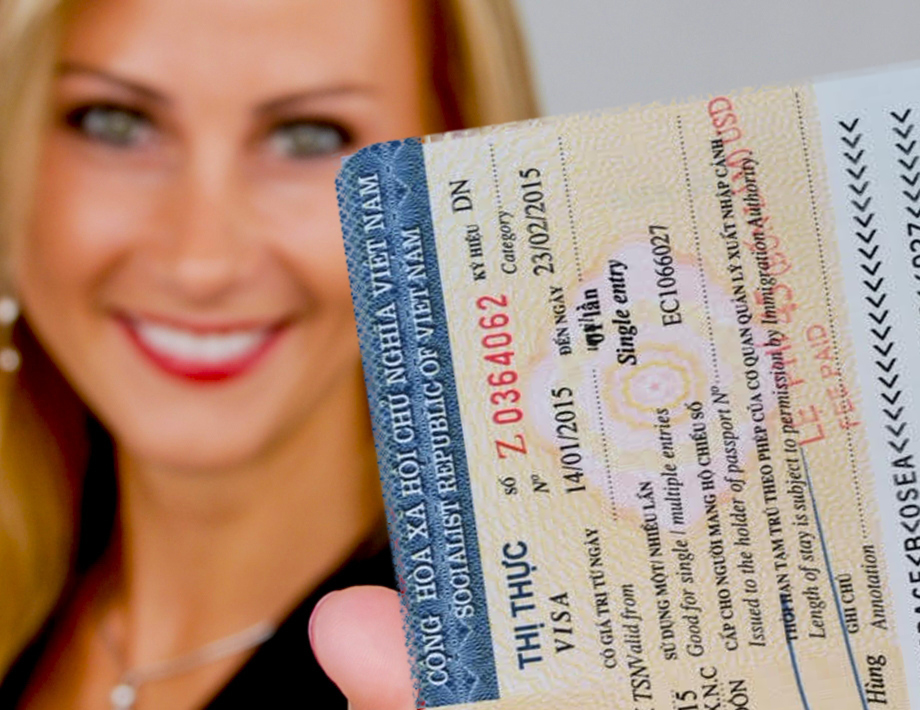
Indian passport holders may apply for a Vietnam DN Visa when they meet the relevant immigration conditions and have an eligible organisation in Vietnam supporting the application.
A three-month period may be useful when the traveller needs to:
Applicants may request a period that suits their proposed itinerary, but the requested duration is not guaranteed. The validity, number of entries, and conditions of the visa depend on the submitted documents and the final decision of the competent Vietnamese authorities.
Travellers should therefore make final arrangements according to the dates printed on the approved visa rather than the period originally requested.
A DN Visa is more likely to be appropriate when the visit has a formal relationship with a Vietnamese company or organisation.
Consider the DN route when:
The sponsoring organisation normally plays an active role in the application. It may need to prepare company records, invitation information, and other documents for submission to the relevant immigration authority.
A DN Visa may not be necessary for every short commercial visit. Depending on eligibility and the exact activities planned, an electronic visa may be considered for purposes such as:
The fact that a trip is business-related does not automatically determine which application route must be used.
The following comparison highlights the main practical differences.
| Feature | Vietnam DN Visa | Vietnam Electronic Visa |
|---|---|---|
| Vietnamese sponsor | Generally required | Not required for personal e-visa submission |
| Application method | Completed with sponsor involvement | Submitted online by the applicant |
| Document requirements | Applicant and company documents | Passport, images, and application information |
| Administrative process | Multiple sponsor-related stages | More direct online process |
| Validity | Depends on the visa and approval | Up to 90 days |
| Entry type | Based on the issued visa | Single or multiple entry, as approved |
| Suitable for | Formally sponsored business activities | Eligible short-term visits |
| Applicant independence | Limited because the sponsor is involved | Higher because the application is personal |
| Complexity | Usually higher | Usually lower |
Vietnam’s official electronic visa system states that an e-visa can be valid for a maximum of 90 days and may be issued for single or multiple entry. The individual completes the form, pays the application fee, and receives the result electronically.
The clearest difference is sponsorship.
For a traditional DN Visa, an eligible Vietnamese organisation generally supports the foreign applicant and completes the relevant company procedures.
An individual applying for an e-visa does not normally need a Vietnamese company to perform this sponsorship process.
This distinction matters for Indian entrepreneurs who do not yet have an established partner in Vietnam. A traveller planning an initial market visit may not have a company willing to prepare a DN sponsorship file.
A DN application commonly involves information from both parties:
The individual may need to provide a passport copy, photograph, travel details, and information about the purpose of the visit. The sponsor may also need to prepare corporate and invitation documents.
An e-visa application is more personal and streamlined. It generally requires passport information, the specified digital images, travel details, and completion of the online form.
A DN application involves coordination between the applicant and sponsor. A delay by either party can affect the overall timeline.
The e-visa process is completed online by a foreigner who is outside Vietnam: the applicant fills in the form, pays the fee, and obtains the result electronically.
A DN Visa may be issued according to the approved sponsorship and application.
Vietnam’s e-visa can be valid for up to 90 days and may permit single or multiple entry, depending on the issued result.
Applicants must check the actual dates and entry conditions on the visa. “Up to 90 days” does not mean every applicant automatically receives the full period.
For many eligible short-term visitors, the e-visa route is easier because it avoids traditional corporate sponsorship and can be completed online.
That does not mean it is automatically the right solution for every commercial trip.
✔ A Vietnamese company is formally sponsoring the visit
✔ The business assignment is directly connected to that sponsor
✔ Corporate sponsorship documents are required
✔ The host organisation has determined that the DN route is appropriate
✔ The planned activities do not fit the simpler e-visa arrangement
✔ The applicant is eligible for online submission
✔ The visit involves short-term meetings or discussions
✔ No Vietnamese sponsor is available
✔ The traveller is attending an exhibition or conference
✔ The purpose is market research or investment exploration
✔ The applicant wants a more direct application process
The correct visa should be selected according to the activities planned in Vietnam, not simply according to which form appears easier.

Not usually.
Some parts of the process can be managed electronically, but that does not make the traditional DN application a fully online personal visa.
An Indian applicant may be able to:
However, the Vietnamese organisation generally remains responsible for sponsor-related procedures, which may include:
This is why a DN Visa can feel complicated for a first-time applicant. The traveller cannot normally complete the entire procedure by uploading only a passport and photograph.
For many Indian business travellers, Vietnam’s e-visa may provide a more straightforward alternative.
The application is completed online, and the official e-visa system allows eligible foreigners outside Vietnam to apply personally. Approved e-visas may be valid for up to 90 days and may allow single or multiple entry.
Applicants generally prepare:
This route may be practical for an eligible Indian traveller visiting Vietnam to:
“Vietnam Business E-Visa” is a common service-industry expression for using Vietnam’s e-visa for an eligible business-related journey. The official document itself is an electronic visa, and applicants should ensure that their actual activities comply with Vietnamese immigration and employment requirements.
It is understandable to feel uncertain when both routes appear capable of covering a business trip.
The most useful questions to ask are:
Indian travellers who need application assistance can submit their information through https://www.vietnamimmigration.com/apply-vietnam-visa/.
The support team can help with:
Professional review cannot replace a government decision, but it can help prevent common errors that cause delays.

A DN Visa may be appropriate for a sponsored assignment, but some eligible short business visits may use the e-visa process.
Review the actual activities before selecting the visa.
A traveller should not begin preparing a DN file until a qualified Vietnamese company or organisation has agreed to support it.
The following details must match across every document:
Even small inconsistencies can result in correction requests.
The passport page must be clear, complete, and easy to read. Avoid:
A single-entry visa generally cannot be reused after leaving Vietnam. Travellers planning to exit and return should check whether they need multiple entry.
Applicants should allow time for:
Neither a DN Visa nor an e-visa automatically gives a foreign national unrestricted permission to work in Vietnam. Travellers carrying out employment activities should verify whether additional authorisation is required.
Indian passport holders may apply when they meet the relevant requirements and have suitable sponsorship. The final validity is determined by the competent authority.
A traditional DN Visa generally involves an eligible Vietnamese organisation that invites or sponsors the applicant.
Vietnam’s official portal allows eligible foreigners outside Vietnam to submit personal e-visa applications online. Applicants must meet the conditions and follow the instructions in force at the time of submission.
An e-visa may be valid for a maximum of 90 days. The exact dates and entry type depend on the visa issued.
Applicants may request an appropriate entry type. Whether single or multiple entry is granted depends on the application and final approval.
The answer depends on the nature of the visit. A preliminary short visit may fit the e-visa route, while a formally sponsored assignment may require a DN Visa or another appropriate arrangement.
Possible extension or status arrangements depend on the regulations in force, the sponsor, and the applicant’s circumstances. Travellers should not assume an extension will automatically be available.
An e-visa does not automatically replace a work permit or other employment authorisation. The traveller should confirm the requirements for the activities they intend to carry out.
A three-month Vietnam DN Visa may be appropriate for an Indian businessman whose trip is formally sponsored by a Vietnamese organisation and directly connected to that sponsor. However, for many eligible short-term visits involving meetings, supplier discussions, exhibitions, market research, or preliminary investment exploration, Vietnam’s electronic visa may offer a simpler online route with fewer sponsor-related procedures.
Do not choose solely according to convenience. Confirm the purpose of the visit, the role of the Vietnamese host, the required number of entries, and whether the planned activities require additional permission.
For document review, visa-selection guidance, and application assistance, submit your details through https://www.vietnamimmigration.com/apply-vietnam-visa/. Careful preparation before submission can reduce errors and make the journey from India to Vietnam considerably smoother.
When your business journey takes you beyond borders, efficiency becomes your best ally. For Indian professionals planning to visit Vietnam for meetings, trade discussions, or investments, the Vietnam Digital Visa …