You’ve completed the Vietnam e-visa application carefully. Passport details checked. Travel dates confirmed. You move to the payment page expecting the final click to secure your trip — and then everything stops. The screen keeps loading. The page freezes. Or worse, your bank notifies you that the money has been deducted, yet the application status still shows “Unpaid.” At this moment, uncertainty turns into anxiety. Is your visa submitted? Should you refresh the page? If you try again, will you be charged twice? And if your departure date is only days away, the pressure becomes even heavier. The truth is, when a Vietnam e-visa gets stuck at the payment step, it is rarely a random glitch. It is usually caused by technical synchronization issues between the visa system, the payment gateway, and international banking networks. Understanding what is happening behind the scenes is the key to solving it correctly — without risking double charges or losing valuable time before your flight.
When applicants encounter the issue “Vietnam e-visa got stuck at payment step,” the first instinct is to blame the website. However, the payment process involves multiple technical layers working together.
First, the visa application server collects and stores your submitted form data. Once you click “Pay,” the system redirects you to a separate payment gateway. This gateway processes card authentication, security verification (such as OTP or 3D Secure), and communicates with your issuing bank.
Only after your bank authorizes the transaction does the payment gateway send confirmation back to the visa system. If any part of this chain experiences delay or timeout — even by seconds — the confirmation may fail to sync properly.
Because the system relies on real-time data exchange between servers in different countries, international transactions are more vulnerable to latency and security filtering. That is why applicants using overseas credit or debit cards experience payment freezes more often than local transactions.

One of the most common scenarios is an infinite loading screen after clicking “Confirm Payment.” This typically results from server timeout.
The visa system operates with session limits. If the payment process takes longer than the session window allows — especially during OTP verification — the system may expire the session before confirmation is returned. The result: the page appears stuck.
High traffic periods can also overload servers. During peak travel seasons, thousands of applications are processed simultaneously. Even small delays can interrupt payment synchronization.
Browser conflicts are another hidden cause. Cached data, outdated browsers, or switching between devices during payment can break the communication link between the gateway and the visa database.
This is the most stressful scenario.
In banking terms, a transaction has two stages: authorization and settlement. When you see money deducted immediately, it often means the bank has placed an authorization hold — not necessarily that the visa system has received confirmation.
If the payment gateway fails to transmit confirmation back to the visa server, the application remains “Unpaid,” even though your bank has reserved the funds.
In many cases, the authorization hold automatically reverses within 5–14 working days. However, the visa application itself is not activated unless the system records successful payment.
Attempting to repay immediately without checking transaction status can create duplicate authorizations and further complications.
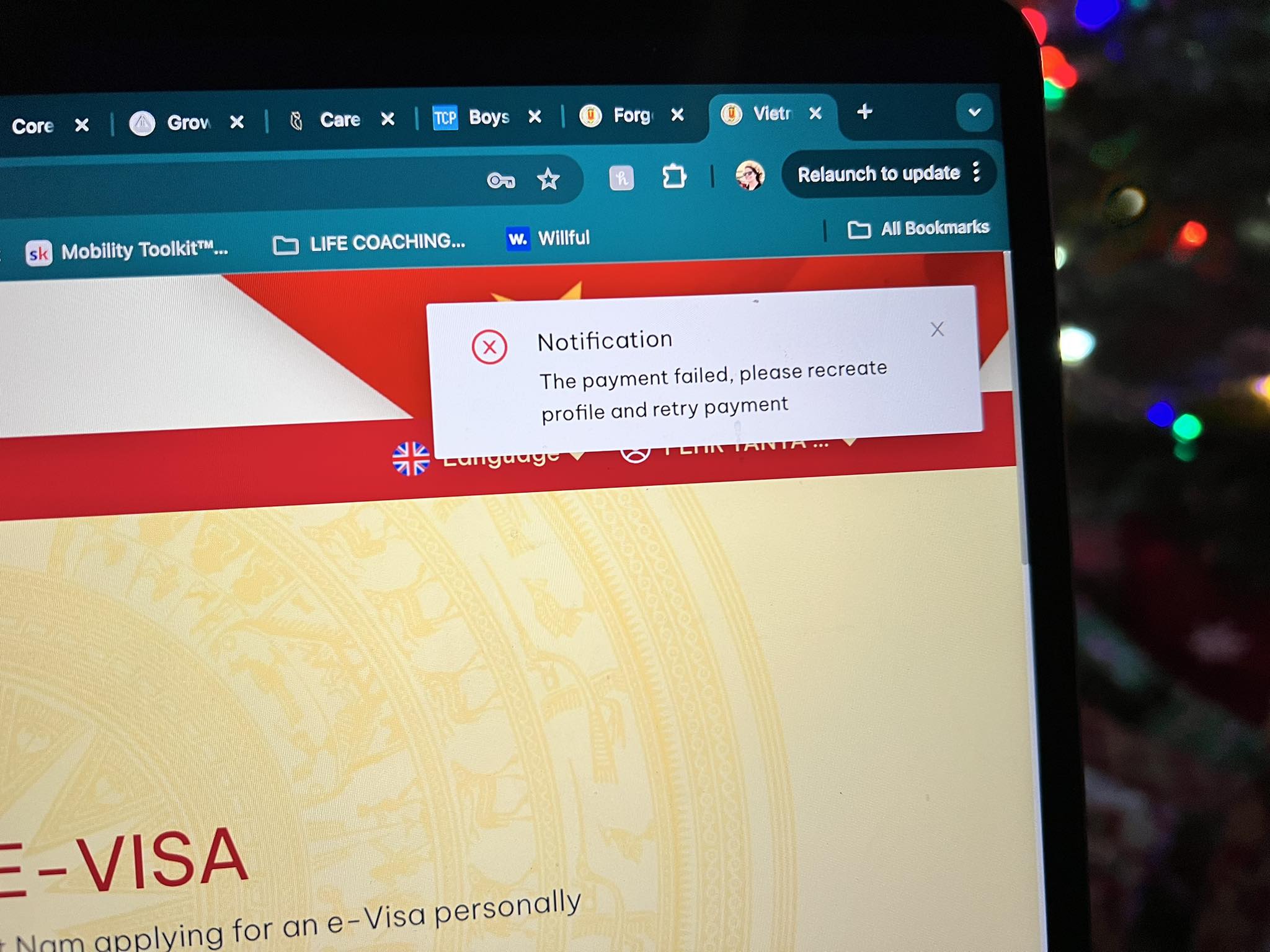
If your bank confirms the transaction was declined and no funds were deducted, you may attempt payment again using a different browser or device.
If funds were deducted but the status remains unpaid, avoid retrying immediately. Contact your bank to confirm whether the transaction is pending or completed. Waiting 24–48 hours may allow the system to reconcile automatically.
However, if your flight is within 72 hours, waiting becomes risky. Visa processing officially takes several working days. A delayed payment confirmation could push your application beyond your departure date.
This is where many travelers decide to shift to a more secure and controlled solution.
Unlike the standard government payment portal, professional visa agencies use internationally optimized payment gateways with higher success rates for cross-border transactions.
In addition, every application is manually reviewed before submission to prevent data errors that could complicate payment processing. Advanced systems monitor transaction confirmation in real time, reducing synchronization failures.
VietnamImmigration.com has over 15 years of experience handling Vietnam visa applications for travelers worldwide. With a 100% approval guarantee, urgent processing options from 2–8 hours, simplified documentation requirements, and 24/7 expert support, applicants avoid the uncertainty of system glitches. A full refund policy also ensures financial safety.
For travelers facing imminent departure, switching to a professionally managed system often eliminates the technical bottleneck that caused the original payment failure.

When a Vietnam e-visa gets stuck at the payment step, the issue is rarely random. It is typically the result of synchronization delays between the visa server, payment gateway, and international banking systems. While some cases resolve automatically, retrying payment without understanding the cause can lead to duplicate charges and unnecessary delays. If time is limited, choosing a secure and professionally managed visa solution can provide clarity, speed, and peace of mind — ensuring your journey to Vietnam begins without last-minute stress.