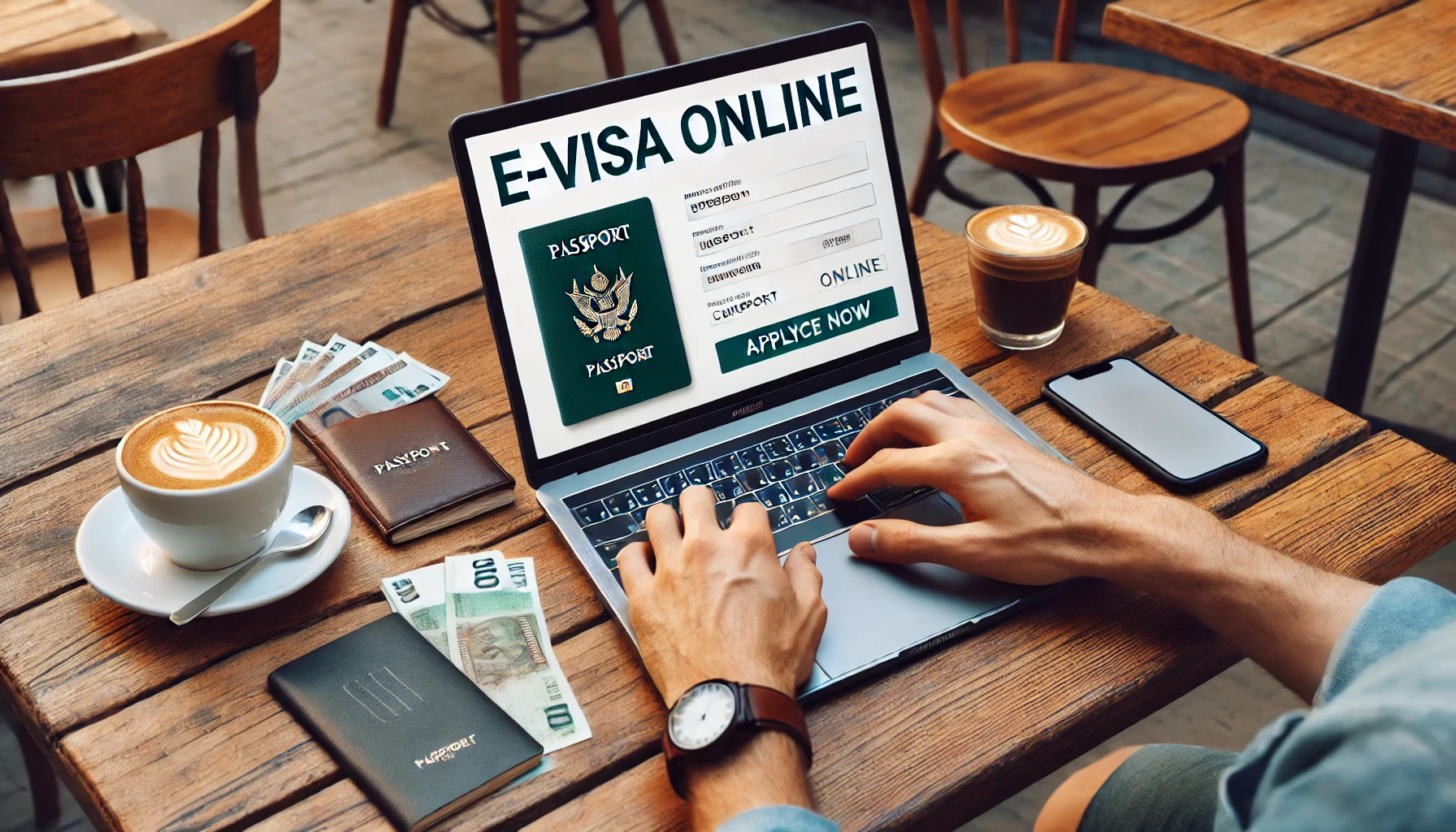
Planning a trip to Vietnam often feels simple until the visa question appears. Because the Vietnam e-visa is applied for online, many travelers assume it can be handled at the last minute. Unfortunately, this misunderstanding is one of the most common reasons people face unnecessary stress, missed flights, or last-minute itinerary changes. Knowing exactly how long before traveling you should apply for a Vietnam e-visa is not just helpful, it is essential if you want your journey to begin smoothly.
Vietnam’s e-visa system is efficient, but it is not instant. Processing timelines, working days, and occasional delays mean that timing plays a critical role. Travelers who plan ahead rarely encounter problems, while those who wait too long often discover the risk when it is already too late.
In most cases, a Vietnam e-visa is processed within three to five working days. This sounds straightforward, but the term “working days” often causes confusion. Weekends and Vietnamese public holidays are not counted, which means the real waiting period can be longer than expected.
Processing speed is also influenced by demand. During peak travel seasons, long holidays, or periods of high application volume, approval times may slow down across the system. Even applications submitted correctly can take longer when immigration offices are handling a heavy workload.
Most importantly, processing times are not guaranteed. Some applications may be selected for additional review without prior notice. This unpredictability is why relying on the minimum processing time is risky, and why experienced travelers apply earlier than required.
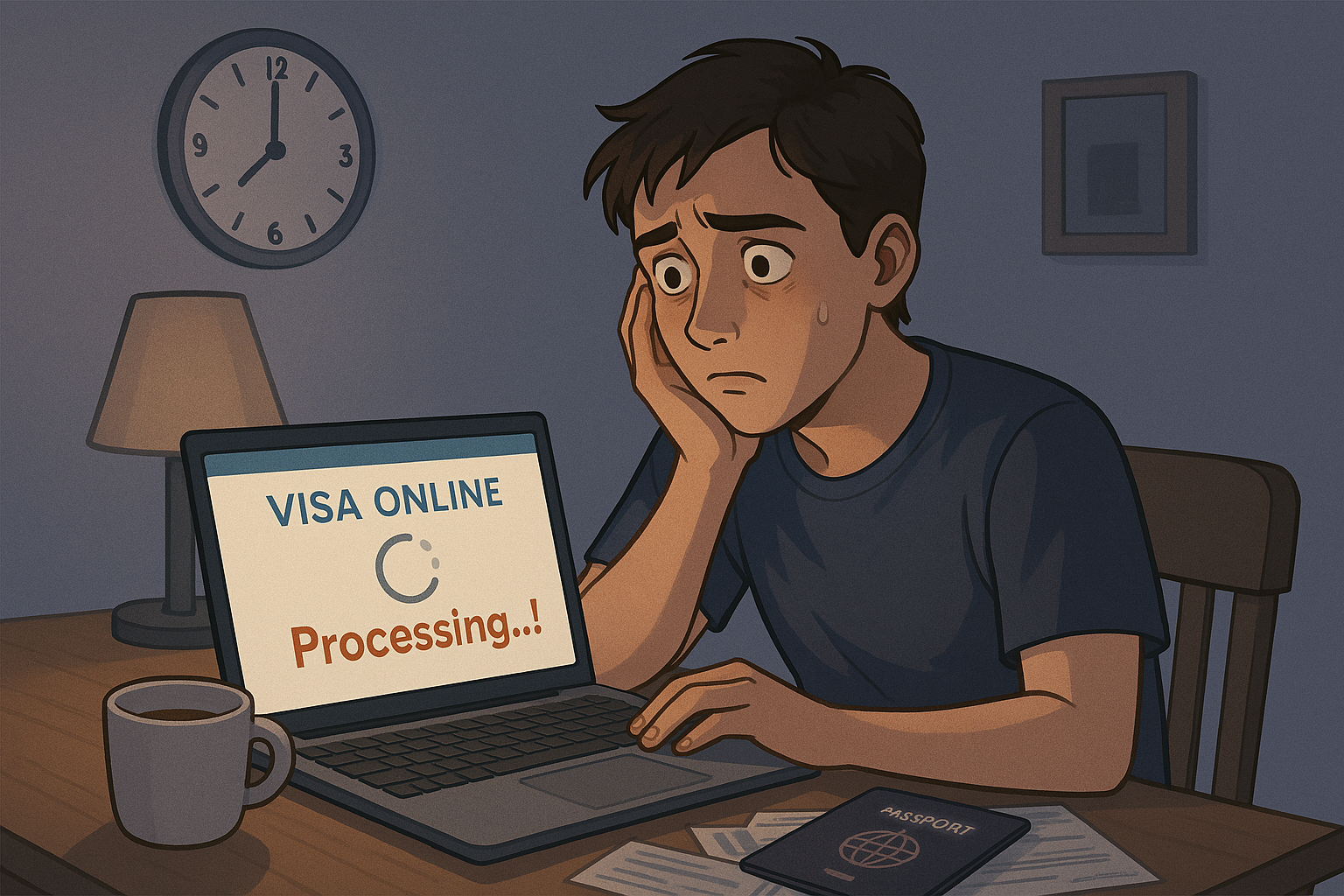
Applying for a Vietnam e-visa just a few days before departure leaves very little room for error. Even small issues such as an incorrect photo format, unclear passport scan, or minor personal detail mismatch can delay approval.
Late applications are also more vulnerable to backlogs. Vietnam e-visas are processed in the order they are received, not based on how soon someone is flying. Submitting an application close to departure does not move it ahead in the queue.
If your e-visa is not approved by the time you check in for your flight, airlines will usually refuse boarding. At that point, options are limited and often expensive. What seemed like a simple delay can quickly turn into rebooking fees, lost hotel reservations, and unnecessary stress.
For most travelers, the safest window to apply for a Vietnam e-visa is between 10 and 30 days before departure. This timeframe provides enough buffer for normal processing, corrections if needed, and unexpected delays without creating pressure.
Applying around a week before travel may still work, but the risk increases noticeably. Any issue that arises during processing can easily push approval beyond your travel date, leaving little time to respond.
Applying fewer than five days before departure is generally not recommended unless urgent processing support is used. Early application gives you control over your plans and allows you to focus on enjoying the trip rather than worrying about paperwork.
If your departure date is approaching and you have not applied yet, or your e-visa is still pending, urgent solutions may be available. Expedited processing services are designed for travelers with tight timelines and can significantly reduce waiting time.
This is where VietnamImmigration.com plays a crucial role. As a specialized visa service with years of experience, VietnamImmigration.com helps travelers handle urgent Vietnam e-visa applications through fast-track processing, professional document checks, and round-the-clock support. These services are especially valuable when time is limited and mistakes cannot be afforded.
While urgent processing can be a lifesaver, it should be seen as a backup solution rather than a standard approach. Whenever possible, applying early remains the safest strategy.

If your trip to Vietnam is still months away, you have the advantage of flexibility. Once your travel dates are confirmed, you can apply for a Vietnam e-visa well in advance, even if departure is far in the future.
Applying early removes last-minute pressure and gives you time to deal with changes in flights or travel plans. It also ensures that visa approval is already secured as your departure date approaches.
Many experienced travelers choose to apply one to three months before travel. This approach balances preparation with flexibility and minimizes the risk of unexpected complications.
A Vietnam e-visa is not something to leave until the final days before departure. While the application process is online and relatively simple, approval times are not guaranteed, and delays can happen without warning. Planning ahead is the most reliable way to protect your travel plans.
If you are asking yourself, “How long before traveling should I apply for Vietnam e-visa?”, the safest answer is clear: earlier than you think. Applying in advance, or relying on trusted support from VietnamImmigration.com when time is tight, ensures peace of mind and a smooth start to your journey.