When your flight to Vietnam is only a day away, the standard visa timeline is no longer the most useful number. What matters is whether your particular case can still …

For Canadians looking for an urgent way to obtain the documents needed to travel to Vietnam, the term “pre-approved visa letter” can sound reassuringly straightforward. It may appear to be a document that solves the visa problem immediately, particularly when there is little time left to deal with an ordinary application. In practice, however, Canadian travellers need to understand exactly what document is being offered and what immigration procedure it belongs to. A pre-approved letter should not automatically be treated as a complete Vietnam visa, nor should “visa on arrival” be interpreted as a universal system that allows any Canadian passport holder to arrive without prior arrangements and purchase a visa at the airport. Vietnam does have procedures under which visas may be granted at international border gates in qualifying circumstances, and prior immigration arrangements can form an important part of those procedures. Understanding that distinction is especially important when time is short, because an urgent solution is only useful when it is actually appropriate for the traveller’s circumstances and the required arrangements can be completed before they are needed.
Canadian travellers researching Vietnam visas online may encounter several similar expressions, including “Vietnam visa approval letter”, “pre-approved visa letter”, “visa on arrival approval letter” and “immigration approval letter”. These expressions are sometimes used interchangeably by travel and visa websites, but travellers should not assume that every commercial label necessarily describes exactly the same document or immigration procedure.
What matters is not simply what the document is called. A Canadian traveller needs to understand which procedure the document belongs to, what has been approved, which authority is involved in the underlying immigration process, where the document can be used and what still needs to happen before the traveller actually receives the visa required for entry. This is particularly important when the document is being marketed in connection with visa on arrival.
Vietnamese immigration law provides for visas to be granted at international border gates in specified circumstances. These are regulated procedures rather than an unrestricted airport service available automatically to every foreign visitor. In cases involving prior immigration arrangements, the relevant approval or notification is therefore better understood as part of a larger visa process rather than something that should automatically be equated with the final visa itself.
This distinction becomes even more important for urgent applications. When time is limited, travellers naturally focus on how quickly a document can be obtained. However, the first question should be whether that document is actually appropriate for the traveller’s case. Obtaining the wrong type of document quickly does not solve an immigration problem.

Canadian passport holders should not assume that a pre-approved visa letter is universally available simply because they are Canadian. Vietnam’s border-gate visa rules apply to defined circumstances, and the availability of a prior-approval route needs to be assessed according to the traveller’s particular case, purpose of travel and proposed entry arrangements.
This is also important because Canadian citizens have another significant visa route available to them. Holders of valid Canadian passports may be eligible to apply online for a Vietnam eVisa, including single-entry or multiple-entry authorization with a validity of up to 90 days. For many ordinary Canadian visitors, an eVisa obtained before departure may therefore be the more straightforward option.
A pre-approved visa arrangement becomes a different question. Rather than asking only whether Canadians are generally able to obtain such a letter, travellers should establish whether the underlying immigration procedure applies to their particular circumstances. If a visa service offers an urgent approval-letter option, it should be able to assess the Canadian passport holder’s situation and explain what procedure is being used, what document will be provided and what the traveller will still need to do afterward.
Processing expectations should also be treated carefully. A period such as three to five working days may be quoted in connection with some visa-related procedures or services, but it should not be interpreted as a universal processing guarantee for every Canadian applicant. Vietnam’s statutory procedures themselves vary depending on the relevant visa route and circumstances. For someone applying urgently, the practical question is therefore not simply “How fast can Canadians get a letter?” but “Which procedure applies to me, and what processing option is currently available for my case?”
An urgent approval-letter enquiry usually begins because the normal amount of preparation time has disappeared. A Canadian traveller may discover a visa problem shortly before departure, need to travel unexpectedly, find that an existing visa arrangement does not match the planned journey, or still be waiting for the result of an eVisa application while the intended departure date approaches.
In circumstances like these, investigating whether a legitimate pre-approved visa arrangement is available can form part of the search for an alternative. The advantage of exploring the option early is not merely speed. It allows the traveller to determine whether the relevant procedure actually applies before relying on it as the solution.
A pending eVisa is a particularly common reason for travellers to begin researching alternatives. Once an application has remained under processing longer than expected, the idea of having another visa route available can be attractive. In an appropriate case, investigating a prior-approval option may provide a potential backup strategy, but that strategy should be based on an actual assessment rather than the assumption that every pending eVisa can simply be replaced by visa on arrival.
Unexpected travel can create similar pressure. When a Canadian traveller needs to reach Vietnam on short notice, there may be insufficient time to approach the situation in the same way as somebody planning several weeks ahead. This is where an urgent visa service can be useful: not by promising that every case has the same solution, but by identifying what legitimate processing route may still be available within the remaining time.
A pre-approved visa letter should not automatically be treated as the same thing as the final Vietnam visa. This is one of the most important distinctions for Canadian travellers to understand, particularly because the word “approved” can make the document sound as though the entire immigration process has already been completed.
In a prior-approval procedure, the approval or notification can support a later stage of the visa process. The traveller may still need to complete the applicable procedure for receiving the visa at the location specified by that immigration route. What happens next depends on the type of approval and procedure involved, which is why travellers should read the document itself and the instructions accompanying it rather than relying solely on a service’s marketing name.
This is also why Canadian travellers should be cautious about treating a PDF labelled “approval letter” as interchangeable with an eVisa. An eVisa is an electronic visa issued through Vietnam’s immigration system and, once validly issued, serves its own defined entry function. A letter associated with a border-gate visa procedure plays a different role.
Before relying on an urgent approval letter, the traveller should therefore be able to answer several basic questions: what exactly has been approved, where the subsequent visa procedure will take place, which passport the approval is connected to, what conditions apply and what additional documents or steps remain. If those questions cannot be answered clearly, the traveller does not yet have enough information to treat the letter as a reliable travel solution.
The phrase “visa on arrival” often creates the impression that the entire visa application begins after the traveller lands in Vietnam. That is not a safe way for Canadian visitors to understand a prior-approval procedure. When advance immigration arrangements are required, an important part of the process takes place before the traveller reaches the Vietnamese border.
Vietnamese law provides specific circumstances in which a foreign national may be granted a visa at an international border gate. It also provides for the immigration authority to examine relevant dossiers and notify the appropriate parties before the foreign traveller completes the visa-receiving procedure. The border-gate stage therefore exists within a regulated process rather than operating as a general walk-up visa counter for anyone who arrives without prior preparation.
For a Canadian traveller using an applicable prior-approval route, the practical sequence begins by confirming eligibility and completing the required arrangements before departure. Once the relevant approval or notification has been obtained, the traveller should check all details carefully and understand where and how the remaining visa formalities are to be completed.
At the Vietnamese international border gate, an eligible traveller follows the applicable visa procedure and presents the documents required for that process. Vietnamese immigration officers then carry out the relevant checks before the visa is granted. The exact documents and procedure should be confirmed for the traveller’s particular approval rather than inferred from old online descriptions of Vietnam visa on arrival.

Speed is usually the main reason a Canadian traveller searches specifically for an “urgent” Vietnam approval letter. Standard visa-related procedures may be described in working days rather than hours, and Vietnamese immigration law itself sets different consideration periods for different categories of border-gate visa cases. This makes it misleading to present one processing time as though it applies to every Canadian traveller.
Private visa-support services may offer expedited handling for eligible cases. Depending on the procedure, the applicant’s circumstances, the time at which the request is submitted and current processing availability, an urgent option may be considerably faster than an ordinary service. Some providers may advertise same-day or working-hour options for particular eligible cases, but these should always be checked against the service’s current terms rather than treated as a government processing guarantee.
For Canadians facing a short deadline, the most useful approach is to provide accurate case information from the beginning. Passport details, intended entry date, existing eVisa status if applicable and the proposed arrival point can all affect how the situation needs to be assessed. When only a short amount of time remains, an incorrect passport number or misunderstanding about the intended visa route can consume time that is difficult to recover.
Canadian travellers who need urgent assistance can check the visa-support options currently available for their circumstances at:
The value of urgent assistance should be measured by more than the shortest advertised processing time. A useful service should first establish whether the requested route is suitable, verify the information supplied and explain what the traveller will receive and what must happen next. Final visa decisions remain with the competent Vietnamese authorities, so any expedited service timeframe should be understood within the eligibility requirements and terms that apply to the individual case.
When processing time is limited, accuracy becomes more important rather than less important. Canadian travellers should have the passport they will actually use for the journey available when providing their personal information. Names, passport numbers and other identifying details should be copied carefully from that document instead of entered from memory.
Travel information also matters. The intended date of entry, proposed arrival point and timing of the journey can be relevant when determining which procedure is being requested. If the traveller already has a Vietnam eVisa application under processing, that fact should also be disclosed when seeking advice about an alternative rather than treating the two situations as completely unrelated.
Depending on the applicable procedure, additional supporting information may be required. Travellers should therefore avoid assuming that every approval-letter request requires an identical set of documents. A service assessing an urgent case should explain what information is necessary after understanding the traveller’s circumstances.
The shorter the deadline, the more valuable a final accuracy check becomes. Correcting an avoidable mistake is inconvenient during an ordinary application; in an urgent case, it may consume a significant part of the remaining processing window. Canadians should therefore verify the information before submission and check any approval document again as soon as it is received.
Receiving the approval letter is an important stage, but Canadian travellers should not automatically treat it as the end of the process. The next task is to understand exactly what has been issued and what the document instructs or permits the traveller to do.
Begin by checking the personal and passport information shown in the document against the Canadian passport that will be used for travel. Review the relevant dates, entry location and any other important conditions. If something does not correspond with the passport or intended journey, it is better to raise the issue immediately than to discover the discrepancy during travel.
The traveller should then prepare for the next stage specified by the applicable visa procedure. Where the approval relates to obtaining a visa at an international border gate, the traveller will need to follow the corresponding immigration formalities upon arrival and present the required documentation. Vietnamese immigration personnel examine the relevant information before granting the visa under the applicable procedure.
This is why simply possessing a PDF called an “approval letter” should never be the traveller’s entire preparation strategy. Understand the role of the document, confirm where it is valid, prepare whatever additional documentation is required and follow the instructions associated with the specific approval. A pre-approved arrangement is useful precisely because important groundwork has been completed before arrival; it should not leave the traveller guessing about what to do at the airport.
A Canadian traveller whose Vietnam eVisa remains under processing faces a different situation from somebody whose visa has already been issued. An application status showing that processing is continuing should not be treated as though the traveller already possesses a valid eVisa.
Before looking for a backup, first establish the status of the original application and confirm that the submitted information matches the passport. Also consider how much time remains. An eVisa still processing well ahead of the intended journey presents a very different practical problem from an unresolved application immediately before departure.
When time becomes short, a Canadian traveller may investigate whether an urgent pre-approved visa arrangement is available as a potential backup for the individual case. The purpose of doing so is to avoid depending entirely on the assumption that the pending eVisa will necessarily be issued at the most convenient moment. However, the existence of a pending eVisa does not itself guarantee eligibility for a border-gate visa or approval-letter procedure.
If professional assistance is sought, tell the service that an eVisa application is already pending. A proper assessment should consider the existing application rather than automatically creating another process without understanding the traveller’s current position. The objective is to establish a usable solution for the journey, not simply to accumulate multiple applications.
When departure is extremely close, the first priority is to establish the facts of the case. Confirm which Canadian passport will be used, whether any Vietnam visa has already been issued, whether an eVisa application is still pending, the intended time of travel and the proposed point of entry into Vietnam.
If there is no usable visa yet, the traveller can then determine whether an urgent visa procedure is available for the circumstances. This is the stage where professional assistance may be especially valuable because there is very little time available for researching conflicting information, correcting mistakes or discovering that a chosen option is not appropriate.
Canadian travellers facing a last-minute Vietnam visa problem can review available urgent assistance at:
When contacting a visa-support provider, give accurate information about the existing visa or eVisa situation from the outset. If an expedited pre-approved visa arrangement is available, make sure you understand what document will be issued, the expected processing window, what conditions apply and what procedure remains after receiving it.
A next-day journey makes speed important, but it does not make accuracy optional. The strongest urgent solution is not simply the one with the shortest advertised processing time; it is one that can realistically apply to the Canadian traveller’s circumstances and provide the correct documentation in time for the relevant immigration process.

An urgent Vietnam pre-approved visa letter can be relevant to Canadian travellers in circumstances where an applicable prior-approval and border-gate visa procedure is available, but the terminology should never replace an understanding of the actual process. Canadians should know what document they are receiving, which immigration procedure it belongs to, where it can be used and what still needs to happen before the visa process is complete.
When time is short, verify the Canadian passport information carefully, disclose any existing eVisa application, confirm the intended entry arrangements and assess the available processing option before relying on an approval letter. If professional urgent assistance is needed, use it to obtain clarity as well as speed. The goal is not merely to receive a document called an “approval letter” as quickly as possible, but to have the correct arrangements in place for the journey you actually intend to make.
When your flight to Vietnam is only a day away, the standard visa timeline is no longer the most useful number. What matters is whether your particular case can still …
When a trip to Vietnam is still several weeks away, visa processing is usually just another item on the travel checklist. The situation feels very different when departure is next …
“Visa on arrival” sounds straightforward: fly to Vietnam, reach the airport, find the visa counter and arrange entry after landing. That interpretation is exactly where Canadian travelers need to be …
Once flights to Vietnam are booked, visa processing time becomes more than a general planning question. A traveler leaving Canada in three weeks has plenty of room to work with, …
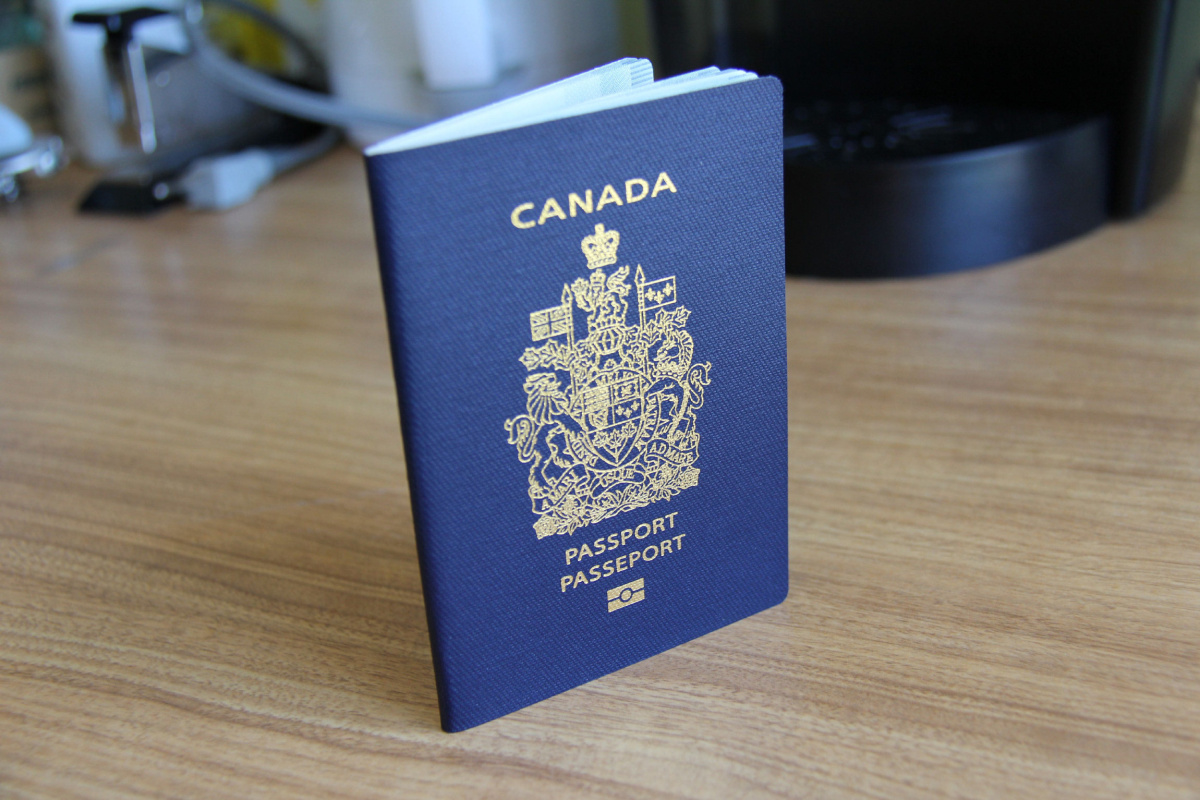
Planning a trip to Vietnam from Canada usually becomes more concrete once your flights, travel dates and destinations start taking shape. That is also the right time to arrange your …
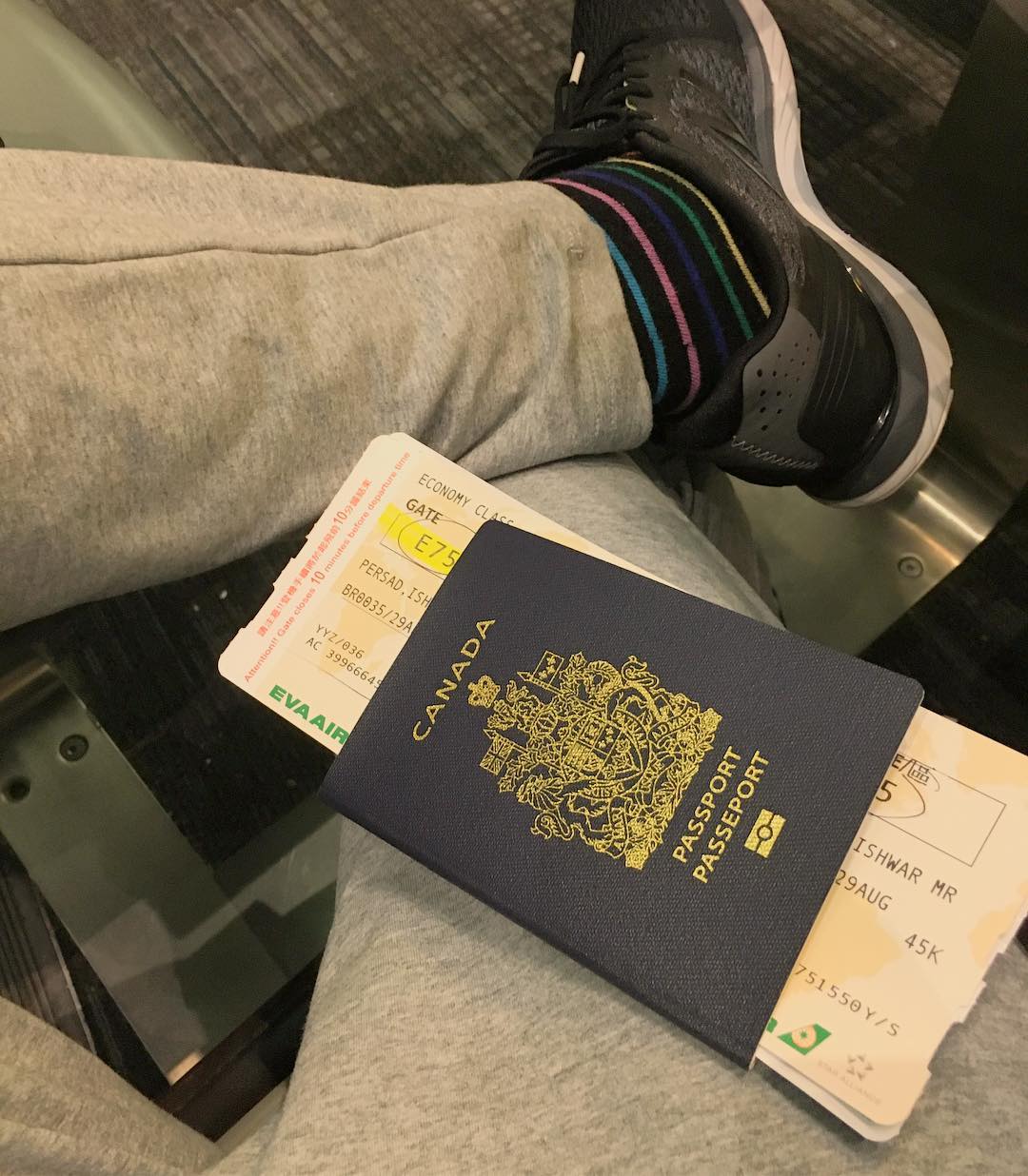
Vietnam has become one of the most appealing destinations for Canadian travelers in recent years. From the bustling streets of Ho Chi Minh City and the historic charm of Hanoi …
Few travel situations are more stressful than realizing you’ve forgotten one essential document just hours before your flight. For many Canadian travelers, that document is a Vietnam visa. Maybe your …
Planning a trip to Vietnam at the last minute can be exciting—until you realize you still need a valid visa before departure. Many Canadian travellers don’t discover this requirement until …
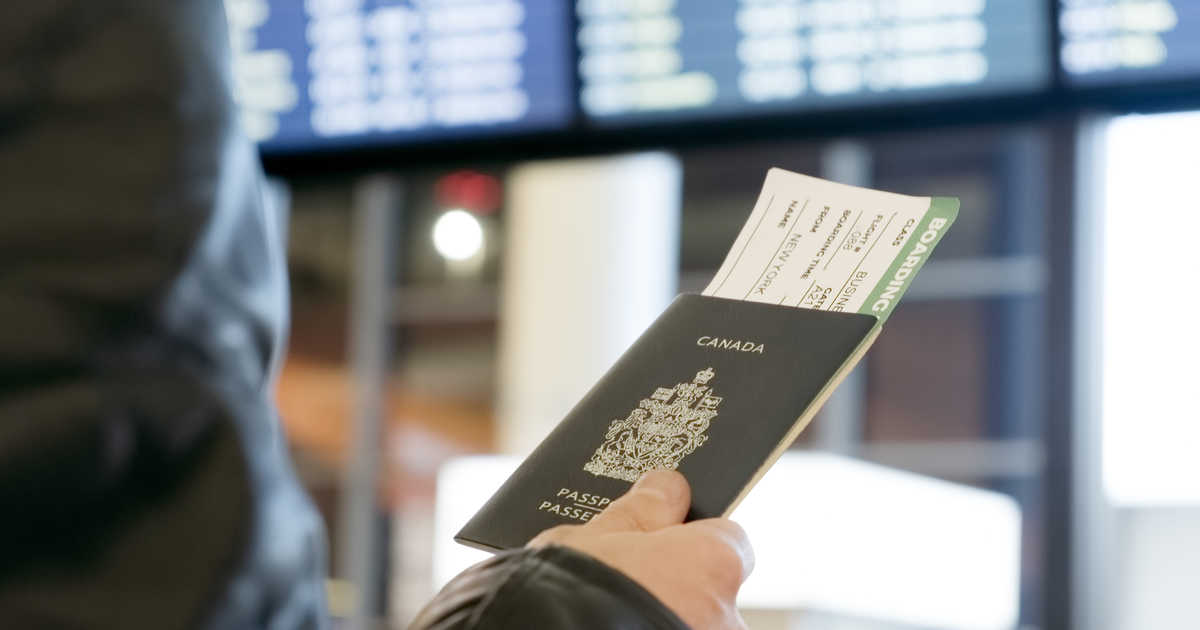
Nothing disrupts an international trip faster than realizing you still need a visa just hours before departure. It happens more often than most Canadian travellers expect. Some book a spontaneous …