Planning a trip from Canada to Vietnam? Whether you’re headed for the vibrant streets of Ho Chi Minh City or the serene landscapes of Ha Long Bay, securing the right …

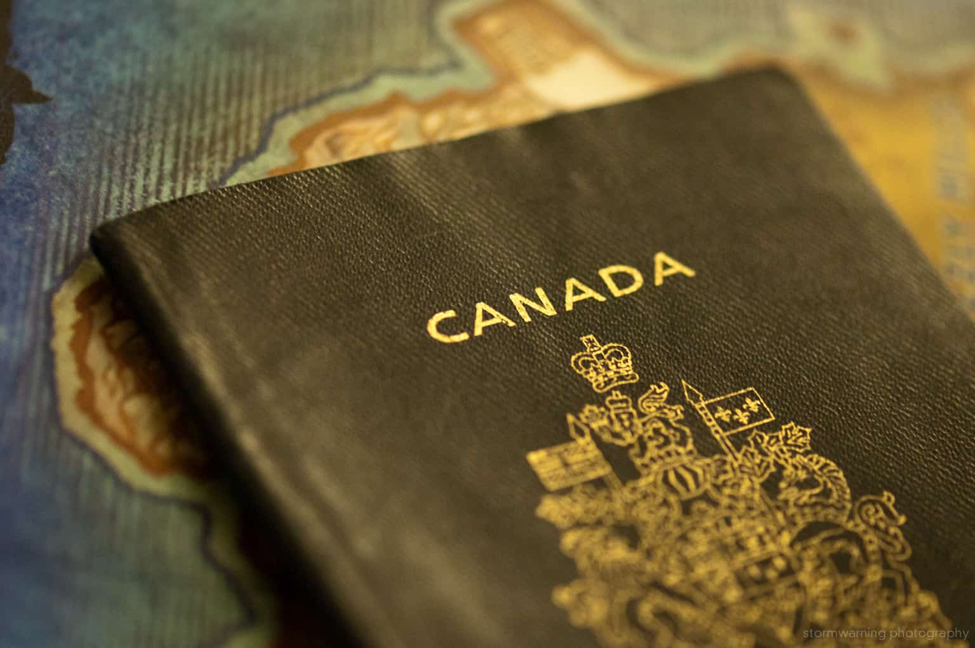
For many Canadians planning a trip to Vietnam—whether it’s a relaxing vacation, a cross-Asia backpacking journey, or a business trip—the visa process is often the part that raises the most uncertainty. Many Canadian travellers assume that a “visa on arrival” means they can just show up at the airport in Vietnam and sort things out there. In reality, Vietnam’s Visa on Arrival (VOA) system requires advance preparation. You must obtain a Visa Approval Letter before you board your flight; without it, airlines will not check you in, and Vietnamese immigration officials cannot issue your visa at the airport. This guide breaks down the entire process for Canadians step by step so you know what to prepare, how to apply, what to expect when you land, and how to avoid the most common mistakes travellers from Canada usually encounter.
Vietnam’s Visa on Arrival is an entry option that allows Canadian passport holders to pick up their visa directly at major airports such as Hanoi, Ho Chi Minh City, Da Nang, Cam Ranh, and Phu Quoc. Although it’s called “visa on arrival,” it is not something you can request on the spot without prior documentation. To be eligible for VOA, Canadian travellers must secure a Visa Approval Letter in advance from the Vietnam Immigration Department. This document acts as permission for airport officials to issue your physical visa once you land.
For Canadians who prefer a convenient and flexible visa solution, VOA has become one of the most popular choices. It eliminates the need to visit a Vietnamese embassy in person, avoids mailing your passport, and significantly reduces processing time. Whether your trip is short or long, whether it’s leisure or business, VOA provides a streamlined alternative to more traditional visa methods.
Travellers can apply for either single-entry or multiple-entry visas, depending on their travel plans. The permitted stay ranges from 15 days for simple tourism to 30 days or longer for other approved purposes. This flexibility is especially handy for Canadians exploring multiple destinations in Southeast Asia or planning to re-enter Vietnam later in their trip.
Although VOA is easy to use when you understand the requirements, it still depends entirely on obtaining that Approval Letter beforehand. Without it, the visa cannot be issued.
Many Canadians favour VOA because it’s far simpler than embassy-based applications. Instead of booking appointments, gathering pages of documents, or mailing your passport across the country, you begin the process online from wherever you are. When you arrive in Vietnam, you simply collect your visa at the airport.
The VOA system is also ideal for last-minute travel plans. If a spontaneous trip comes up or you need to fly out sooner than expected, the approval letter can be issued quickly—often within 2 to 8 hours using expedited services. This makes VOA one of the fastest visa solutions available to Canadian travellers.
Another reason VOA is appealing is that it eliminates much of the unpredictability associated with consular processing. Embassy visas can involve longer wait times and unexpected processing delays. VOA provides a predictable, streamlined process where most of the paperwork is done online, leaving only a short procedure when you arrive.
For Canadians seeking convenience, speed, and a straightforward approach to entering Vietnam, VOA remains one of the most reliable options.
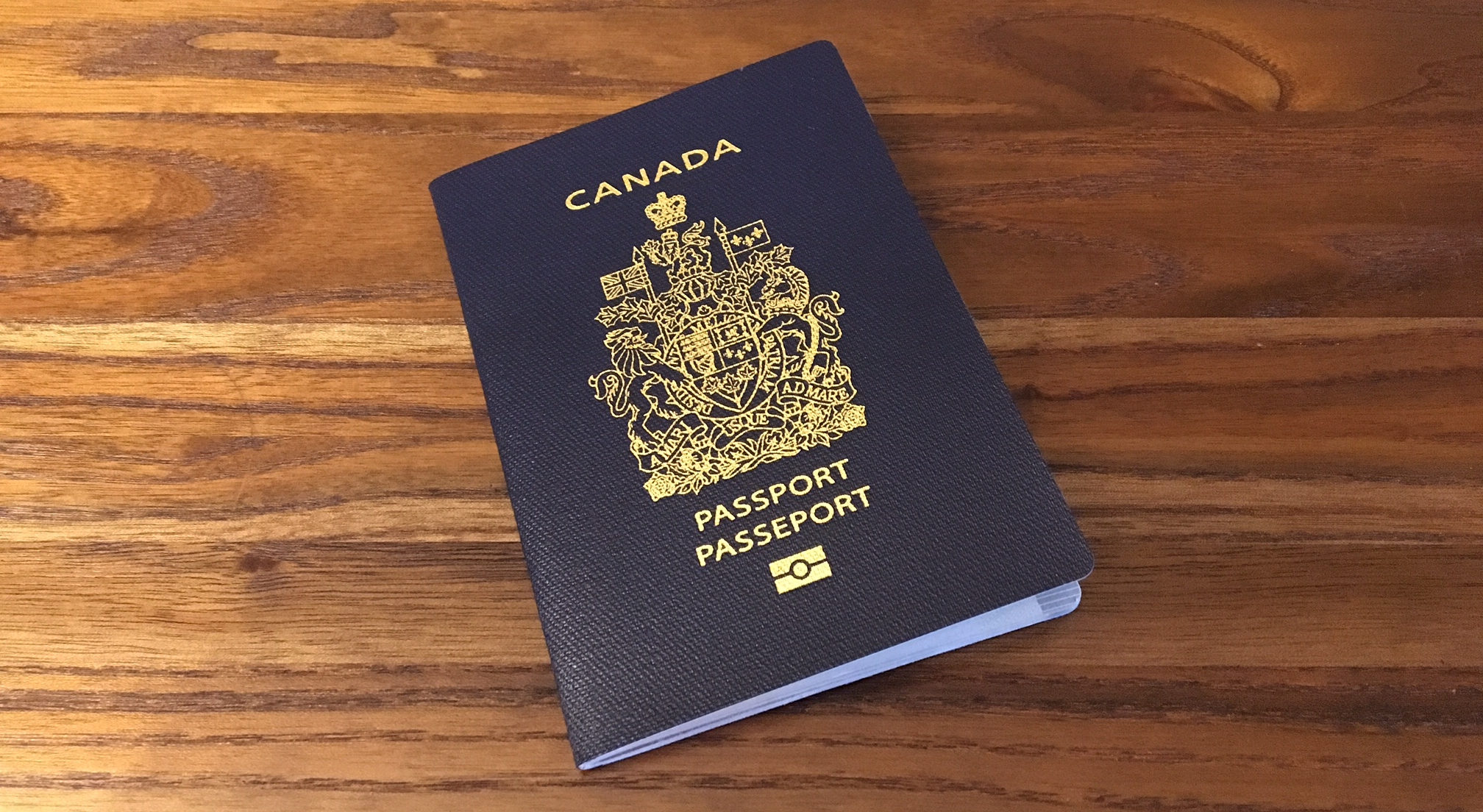
To ensure everything goes smoothly, Canadian travellers should prepare the required documents before departure. The most essential requirement is a Canadian passport valid for at least six months beyond the date you plan to enter Vietnam. Travellers with a shorter validity may face denial of entry.
You also need to print out your Visa Approval Letter, which must match the details in your passport. Any discrepancy—no matter how minor—can cause delays or prevent you from boarding your flight. It’s a good idea to print at least two copies in case one gets misplaced.
Travellers must also bring two passport-style photos (4×6 cm, white background) for the visa stamping process. While some airports have photo booths, it’s best not to rely on them, as availability can vary.
Lastly, bring USD cash for the stamping fee. For most Canadian travellers, the fee is 25 USD for a single-entry visa. Multiple-entry visas may range from 50 USD to 135 USD depending on duration. You will also fill out the NA1 entry form, available at the airport, though bringing a completed copy can save time.
When all documents are prepared properly, the VOA process becomes quick and predictable.
Applying for the Approval Letter is the most important step and is done entirely online. Begin by visiting VietnamImmigration.com, a trusted service provider with more than 15 years of experience helping travellers from Canada and around the world. On the application form, you’ll enter your basic travel information such as your full name, passport number, date of birth, visa type, arrival airport, and planned arrival date.
You’ll then choose a processing speed. Standard processing usually takes 3–5 business days, suitable for travellers who are planning ahead. However, if your trip is coming up quickly, you can opt for priority processing, which can be completed in 8 hours, 4 hours, or as fast as 2 hours depending on availability.
After submitting the form and finalizing payment, your application is reviewed by the Vietnam Immigration Department. Once approved, your Approval Letter will be emailed to you as a PDF. Make sure to print at least two copies and bring them in your carry-on.
Having this letter ready before you travel ensures you can check in without issues and smoothly complete the VOA process when you arrive in Vietnam.

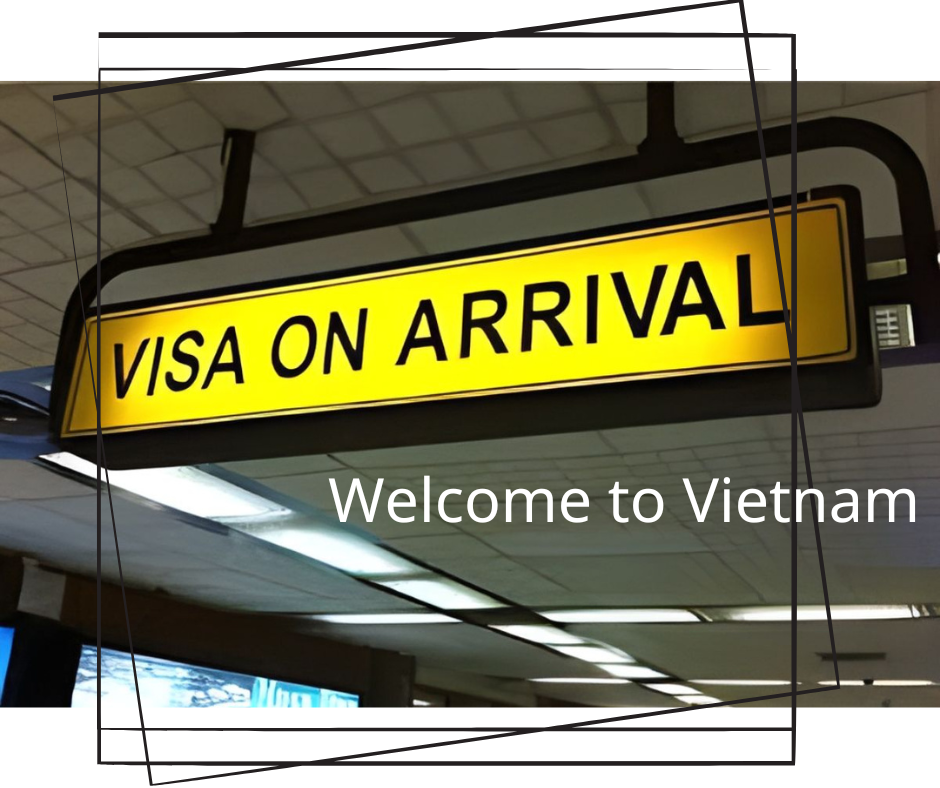
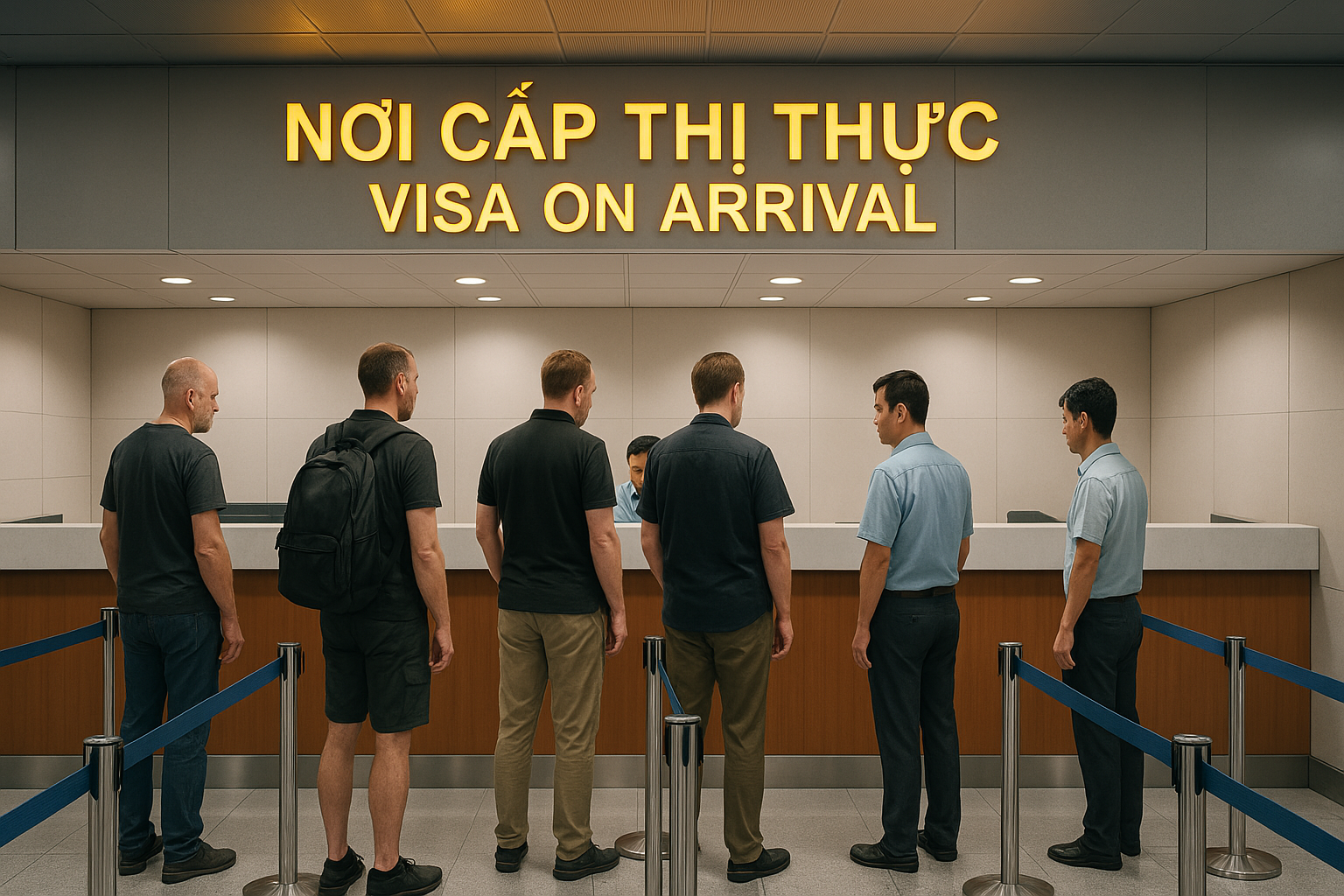
When your flight lands in Vietnam, follow the signs directing you to the Visa on Arrival or Landing Visa counters, which are located before the immigration area. Do not proceed directly to passport control, as you need to get your visa first.
At the counter, you will submit your printed Approval Letter, Canadian passport, two photos, and the completed NA1 form. Immigration officers will review your documents and may ask you to wait nearby while they prepare your visa. The processing time depends on airport traffic but usually falls within 15 to 30 minutes for most travellers from Canada.
Once your name is called, return to the counter to pay the visa stamping fee in US dollars. After payment is confirmed, the officer will apply the visa sticker to your passport. Take a moment to double-check all the details—visa type, entry dates, and personal information—to ensure accuracy.
After this step, proceed to the immigration booths to receive your entry stamp. With your visa finalized, you’re ready to begin your journey in Vietnam.
Canadian travellers often encounter issues that could have been avoided with proper preparation. One of the most common mistakes is entering inaccurate passport details when applying for the Approval Letter. Small errors, such as a missing letter or incorrect number, can lead to complications when your visa is issued.
Another frequent issue is forgetting to print the Approval Letter or assuming a digital copy is acceptable. Airlines typically require a printed version at check-in, and the immigration officers in Vietnam expect a hard copy as well.
Travellers also sometimes show up without the proper photo size or forget to bring photos entirely. Although certain airports have photo services, these can be slow or unavailable during busy periods.
The most serious misconception among Canadian travellers is the belief that Vietnam offers walk-up visas without any prior approval. In reality, the Visa Approval Letter is mandatory. Without it, airport officials cannot issue a VOA under any circumstances.
Avoiding these mistakes will make your entry process much smoother and eliminate unnecessary stress.
For Canadian travellers looking for a convenient way to enter Vietnam, Visa on Arrival stands out as a fast, flexible, and reliable option. By preparing the Approval Letter ahead of time, organizing the necessary documents, and understanding the airport procedures, you’ll enjoy a seamless arrival and a stress-free start to your time in Vietnam.
Planning a trip from Canada to Vietnam? Whether you’re headed for the vibrant streets of Ho Chi Minh City or the serene landscapes of Ha Long Bay, securing the right …
You’ve packed your bags, planned your Vietnam itinerary, and can already picture yourself cruising through Ha Long Bay or wandering the lantern-lit streets of Hoi An. But before you get …