As business ties between Canada and Vietnam continue to strengthen, more Canadian entrepreneurs, executives, investors, and professionals are travelling to Vietnam for short-term commercial activities. Whether you’re attending a conference …

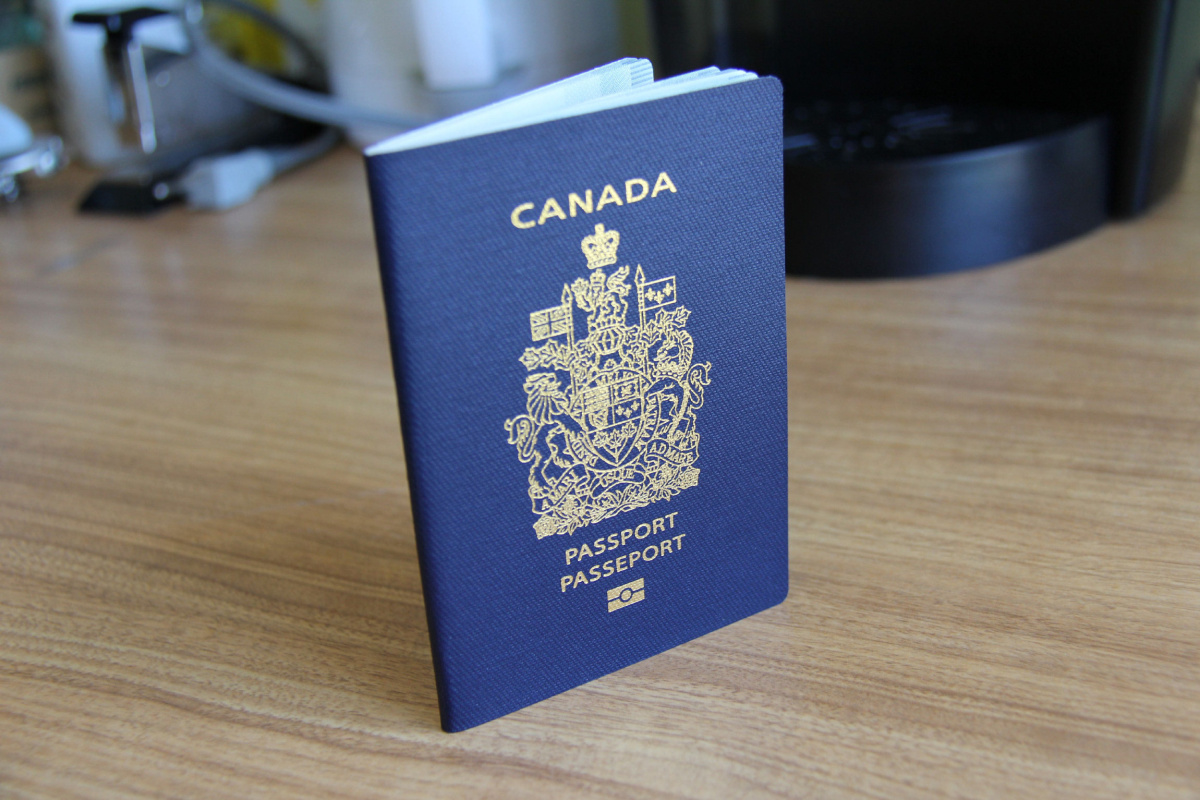
For many Canadian companies, Vietnam has become far more than a manufacturing destination. It is now a key market for sourcing, investment, technology partnerships, logistics, and regional business expansion. Whether you’re flying to Ho Chi Minh City to negotiate a supply agreement, visiting industrial parks in Binh Duong, attending an exhibition in Hanoi, or meeting potential partners across Vietnam, having the appropriate visa in place is essential before your business trip begins.
Although applying for a Vietnam business visa is considerably easier than many travelers expect, uncertainty still causes unnecessary stress. Canadian passport holders often ask whether a 90-day visa is available, if they need sponsorship from a Vietnamese company, which documents should be prepared, and whether a single-entry or multiple-entry visa would better suit their travel schedule. Small mistakes—such as selecting the wrong entry point or entering passport details incorrectly—can also delay an otherwise straightforward application.
Planning ahead makes the entire process much easier. Understanding which visa matches your itinerary, preparing accurate information, and submitting a complete application can help avoid last-minute complications. This guide is designed specifically for Canadian passport holders who intend to visit Vietnam for legitimate business purposes and want a clear overview of the application process from start to finish.
Yes.
Eligible Canadian passport holders who apply from outside Vietnam may request a Vietnam e-visa with a validity period of up to 90 days.
Depending on your travel plans, you may choose either:
A 90-day visa is commonly selected by Canadian professionals who plan to:
It is important to understand that a business visa is intended for legitimate commercial activities during your stay in Vietnam.
Travelers who expect to work under an employment contract in Vietnam or receive income from a Vietnamese employer should determine whether additional immigration or employment authorization is required.
Choosing between single-entry and multiple-entry access should be based on your complete itinerary rather than your first arrival.
Many travelers only consider their initial flight into Vietnam and overlook later travel plans.
A single-entry visa allows one arrival into Vietnam during the approved validity period.
After leaving Vietnam, that visa generally cannot be reused.
This option usually works well if you:
A multiple-entry visa provides greater flexibility.
It may be a better choice if your schedule includes:
Business schedules often evolve.
Selecting the appropriate entry option from the beginning may help avoid the inconvenience of applying for another visa later.

Before preparing any documents, applicants should confirm that they satisfy Vietnam’s general entry requirements.
Most Canadian citizens can apply provided they:
Your passport should remain valid throughout your planned journey.
Many international travelers prefer to have at least six months of remaining passport validity before entering Vietnam, helping reduce the risk of travel disruptions.
If you expect to renew your passport soon, it is usually better to complete the renewal before starting the visa application.
The passport used for travel should match the passport used in the visa application.
Applicants should provide an honest description of their travel purpose.
Examples include:
Your declared purpose should accurately reflect your intended activities during the trip.
Not necessarily.
For many standard Vietnam e-visa applications, Canadian applicants normally prepare a relatively simple set of documents.
These generally include:
For many online e-visa applications, a Vietnamese company invitation letter is not automatically required.
However, additional documentation may be requested for other visa categories, employer-sponsored applications, or situations requiring further verification.
Applicants should therefore confirm the appropriate visa category before assuming every business visa follows identical requirements.
Organizing your documents before starting the application helps reduce mistakes and speeds up the submission process.
The following checklist covers the items most applicants prepare.
| Document | Usually Required | Notes |
|---|---|---|
| Canadian passport | Yes | Must remain valid for travel |
| Passport information page | Yes | Clear color image or scan |
| Recent photograph | Yes | Face clearly visible |
| Planned arrival date | Yes | Should match your itinerary |
| Intended port of entry | Yes | Choose carefully before submission |
| Accommodation or contact information | Usually required | Hotel or business address |
| Invitation letter | Depends on visa category | May not be necessary for many e-visa applications |
| Additional supporting documents | If requested | Depends on individual circumstances |
Although the checklist appears short, document quality remains extremely important.
Clear passport images and accurate information help reduce unnecessary requests for corrections.
Your passport information page should be photographed or scanned clearly.
Ensure that the following details are fully visible:
Avoid submitting images that are:
A high-quality passport image helps reviewers verify your information more efficiently.
Applicants should provide a recent portrait showing their current appearance.
For the best results:
Avoid using:
The objective is simply to provide a clear and accurate representation of the applicant.
Many applicants assume delays happen because the application is complicated.
In reality, simple data-entry mistakes account for a large proportion of processing issues.
Common examples include:
Reviewing your application carefully before submission is one of the easiest ways to reduce avoidable delays.
Rather than thinking of the application as one long process, it helps to divide it into several manageable stages.
Review your itinerary and decide:
Prepare:
Having everything ready before beginning the application reduces interruptions.
Canadian travelers may complete the application independently or seek assistance from a professional visa support service.
Applicants who prefer an additional review before submission, have complex itineraries, or require urgent processing support may submit their information through:
Professional advisors can help review application details, identify common mistakes, and provide guidance throughout the preparation process.
Final approval decisions remain the responsibility of Vietnam’s immigration authorities.
After submission, keep your application reference information in a safe place and monitor your email regularly.
If additional documents or corrections are requested, responding promptly helps keep the review moving forward.
Once your visa has been issued, verify:
Any discrepancy should be addressed before departure.
Bring the same Canadian passport used during the application together with a printed copy of your approved Vietnam e-visa.
Having both printed and electronic copies available can make your journey more convenient.

One of the most common questions among Canadian travelers is not whether they qualify for a visa—but whether it will arrive in time.
Business trips often revolve around fixed schedules, including supplier meetings, investment discussions, site inspections, or industry events. Missing a departure date because of a delayed visa can disrupt an entire project.
While many applications are completed without difficulty, it’s always advisable to apply well before your planned departure.
As a general guide, Canadian applicants can expect the following timelines:
| Processing Option | Recommended Planning Time | Suitable For |
|---|---|---|
| Standard Processing | Around 5–7 working days or longer | Travelers with flexible schedules |
| Urgent Processing | Approximately 1–2 working days | Business travelers with limited preparation time |
| Emergency Processing | Available for selected situations | Last-minute business travel when immediate departure is required |
Expedited processing is generally offered through professional visa support services and should not be interpreted as a guaranteed government approval timeframe.
Actual processing depends on the individual application, document accuracy, and the review schedule of Vietnam’s immigration authorities.
Applicants often assume delays occur because the approval process is complicated.
In reality, most delays happen because the information submitted requires clarification or correction.
Some of the most common reasons include:
Submitting an accurate application early is usually the best strategy for avoiding unnecessary delays.
Receiving your approved visa is an important milestone, but it should not be the final step in your preparation.
Taking a few minutes to review everything before leaving Canada can prevent unnecessary complications upon arrival.
Before printing or saving your visa, verify that the following information is correct:
If anything appears incorrect, resolve the issue before traveling rather than waiting until airport check-in.
The passport presented at immigration should be the same passport used throughout the application process.
If you obtain a replacement passport after submitting your application, you should confirm whether additional visa arrangements are required before departure.
Vietnam e-visas are accepted only at designated international airports, land border crossings, and seaports.
Before purchasing airline tickets, verify that your chosen arrival point matches the information submitted in your application.
A Vietnam business visa allows eligible travelers to enter the country for commercial activities such as:
It should not automatically be interpreted as authorization for long-term employment in Vietnam.
Online applications have made Vietnam visas significantly easier to obtain than in previous years.
Even so, many Canadian professionals choose to work with visa specialists because accuracy and convenience matter just as much as eligibility.
Professional support is particularly useful for travelers who have tight deadlines, complicated itineraries, or limited time to review immigration requirements themselves.
A second review often identifies mistakes that applicants may overlook, including passport information, spelling, travel dates, and entry selections.
Business travelers frequently balance meetings, flight reservations, accommodation bookings, and project planning.
Receiving guidance throughout the visa preparation process allows applicants to focus on their business priorities.
Unexpected business opportunities sometimes require immediate travel.
Where appropriate, professional advisors may recommend expedited processing options that better match the applicant’s schedule.
Questions can arise before, during, or even after submitting an application.
Access to knowledgeable visa consultants can make resolving these issues faster and less stressful.
Teams that regularly assist international travelers are often familiar with common application issues and can provide practical recommendations based on different travel scenarios.
If you’d like professional assistance with your Vietnam business visa application, you may submit your request through:
Experienced advisors can review your documents, explain the available options, and help ensure your application is complete before submission.
Final approval decisions remain with Vietnam’s immigration authorities.
Yes. Eligible Canadian passport holders can submit an online application for a Vietnam e-visa with a validity period of up to 90 days.
No. Many standard e-visa applications do not automatically require an invitation letter, although additional documents may be requested depending on the visa category or individual circumstances.
Yes. Travelers whose itinerary includes leaving and re-entering Vietnam during the visa validity period may choose a multiple-entry visa.
Depending on the approved visa, the validity period may be up to 90 days. Applicants should always follow the dates shown on the issued visa.
In many cases, expedited processing options may be available through professional visa service providers for travelers with urgent business schedules.
Applicants may be asked to amend the application or provide additional documentation before the review can continue.
Changes are not always possible after submission, so confirming your travel plans before applying is highly recommended.
Extension policies depend on Vietnam’s immigration regulations in effect at the time and the applicant’s individual circumstances.
Applying at least one week before departure is generally recommended, although earlier preparation offers greater flexibility.
For travelers with complicated schedules, urgent departures, or those who simply want an additional review before submitting their application, professional assistance can provide added confidence throughout the process.
A successful business trip begins long before your flight departs.
For Canadian citizens, obtaining a 90-day Vietnam business visa is generally a straightforward process when the appropriate visa type is selected, accurate information is provided, and all supporting documents are prepared carefully.
Most application delays result from avoidable mistakes rather than complicated immigration requirements.
Whether your visit involves supplier meetings, factory inspections, commercial negotiations, trade exhibitions, or investment opportunities, planning ahead allows you to focus on achieving your business goals instead of worrying about travel documents.
If you would like professional guidance before submitting your application, you can begin the process here:
Preparing early, verifying every detail, and seeking assistance when needed can help ensure your business journey to Vietnam starts smoothly and without unnecessary complications.
As business ties between Canada and Vietnam continue to strengthen, more Canadian entrepreneurs, executives, investors, and professionals are travelling to Vietnam for short-term commercial activities. Whether you’re attending a conference …
Vietnam has become one of the most appealing destinations for Canadian travelers in recent years. From the bustling streets of Ho Chi Minh City and the historic charm of Hanoi …
Vietnam has become one of the fastest-growing destinations for Canadian companies looking to expand into Southeast Asia. Whether it’s attending trade shows in Ho Chi Minh City, negotiating contracts in …
As trade and investment between Canada and Vietnam continue to expand, more Canadian entrepreneurs, investors, executives, and business travelers are visiting Vietnam for meetings, factory inspections, market research, conferences, and …
Business ties between Canada and Vietnam have grown significantly over the past decade. From trade and manufacturing to technology, investment, and international partnerships, more Canadian professionals are travelling to Vietnam …
Your flight to Vietnam is booked, your accommodations are confirmed, and your itinerary may already include the historic streets of Hanoi, the lantern-filled evenings of Hoi An, and the nonstop …
You’re eagerly anticipating your upcoming trip to Vietnam, mapping out your dream itinerary from the bustling streets of Hanoi to the ancient charm of Hoi An. But as you start …
Travelling to Vietnam has become increasingly popular among Canadians, whether for leisure, business, or visiting family and friends. However, visa requirements can still cause unnecessary stress, particularly when arriving through …
Planning to visit Vietnam in but not sure whether to apply for the e-visa yourself or hire a service? On one hand, doing it yourself might save you some money. …