Planning a longer holiday in Vietnam gives you the freedom to explore the country without rushing from one destination to another. Whether you want to spend several weeks travelling from …

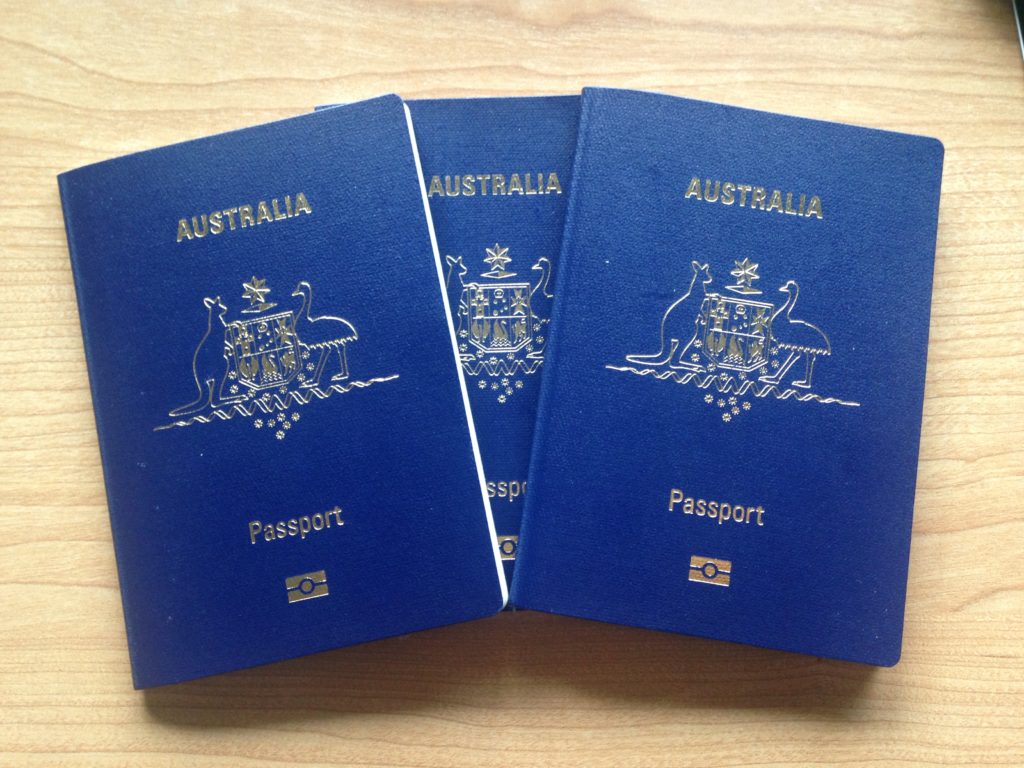
Many Australian travellers prefer to visit several countries during the same holiday. A typical itinerary may include Vietnam, Cambodia, Thailand or Singapore before returning to Vietnam again. While this type of journey offers greater flexibility, it also means choosing the correct Vietnam visa becomes much more important.
Many travellers mistakenly apply for a single-entry visa, only to discover that it becomes invalid after leaving Vietnam for the first time. Understanding how a multiple-entry Vietnam visa works before submitting your application can help you avoid unnecessary travel disruptions and ensure you can re-enter Vietnam as planned.
This guide explains when Australian tourists should choose a multiple-entry visa, how long it can be valid, how to apply online and the most common points to consider before departure.
A Vietnam multiple-entry tourist visa allows an eligible traveller to enter Vietnam more than once during the approved visa validity period.
Unlike a single-entry visa, it does not normally become invalid after the traveller leaves Vietnam for the first time. As long as the visa remains valid and the holder continues to meet its conditions, the traveller can depart from Vietnam and return again without applying for a new visa after every trip.
This option is particularly suitable for Australian tourists who plan to visit several countries during the same Southeast Asian holiday.
For example, a traveller may begin the trip in Vietnam, continue to Cambodia or Thailand, and then return to Vietnam before flying home to Australia. In this situation, the traveller enters Vietnam more than once and therefore needs a visa that permits multiple entries.
A multiple-entry visa can provide greater flexibility for:
However, the visa can only be used during the approved validity period. Every arrival must take place after the visa start date and before its expiry date.

Whether an Australian tourist needs a multiple-entry visa depends entirely on the itinerary.
If the journey follows this route:
Australia → Vietnam → Australia
a single-entry visa will usually be sufficient because the traveller enters Vietnam only once.
If the journey follows this route:
Australia → Vietnam → Thailand → Vietnam → Australia
a multiple-entry visa is required because the traveller enters Vietnam once before visiting Thailand and then enters Vietnam again afterwards.
The same principle applies to more complex routes, such as:
Australia → Vietnam → Cambodia → Vietnam → Singapore → Vietnam → Australia
In this example, the traveller enters Vietnam three separate times. A single-entry visa would not cover the complete journey.
Every departure from Vietnam counts as an exit, even when the traveller leaves only for a short side trip. Once a single-entry visa holder exits Vietnam, that visa is normally considered used.
Therefore, Australian tourists should review the complete itinerary before submitting a visa application. It is not enough to consider only the first arrival.
If you plan to leave Vietnam and return at any point during the visa validity period, you should normally select a multiple-entry visa.
The main difference between the two options is the number of times the traveller can enter Vietnam.
| Visa Type | Suitable For |
|---|---|
| Single-entry Visa | Travellers entering Vietnam only once during the trip |
| Multiple-entry Visa | Travellers leaving and re-entering Vietnam one or more times during the visa validity period |
A single-entry visa permits one arrival in Vietnam.
After the traveller leaves the country, the visa normally becomes invalid, even when the expiry date printed on the document has not yet been reached.
For example, if a single-entry visa is valid until 30 June but the traveller enters Vietnam on 1 June and leaves on 10 June, the same visa cannot normally be used to return on 20 June.
The remaining validity does not create another entry opportunity because the visa was issued for one entry only.
A multiple-entry visa allows the holder to leave Vietnam and return more than once during the approved period.
For example, the traveller may:
Each arrival must still take place within the dates stated on the visa.
Choosing the correct option from the beginning can prevent several problems, including:
Travellers should choose based on the complete route, not simply on price or the first stage of the holiday.
Australian passport holders can generally apply for a Vietnam visa online through the electronic visa process.
There is normally no need to visit a Vietnamese embassy or consulate when using this online method. Applicants can complete the form, upload the required documents, make payment and receive the approved visa electronically.
Once approved, the visa is usually sent by email or made available for download. Travellers should then check the information carefully and print a copy before departure.
It is important to understand that a Vietnam eVisa is not a separate visa category.
The term “eVisa” describes the electronic application and delivery method.
Through the eVisa process, an eligible Australian applicant can request:
This means that “eVisa” and “multiple-entry visa” do not describe competing options.
One refers to how the visa is applied for, while the other refers to how many times the traveller may enter Vietnam.
Before completing the application, Australian tourists should confirm:
Careful planning at this stage reduces the risk of choosing a visa that does not cover the entire trip.

A Vietnam multiple-entry visa may be issued with a validity of up to 90 days.
However, this does not mean that every application will automatically receive a full 90-day validity period.
The final validity depends on the dates requested in the application and the dates approved on the issued visa.
Travellers should pay close attention to the start date and expiry date because the visa validity is calculated from the start date printed on the visa.
It is not calculated from:
For example, imagine that a visa is valid from:
1 March to 29 May
If the traveller enters Vietnam on 1 March, the entire approved period is available.
If the traveller enters for the first time on 20 March, the visa will still expire on 29 May.
The unused period between 1 March and 19 March will not be added to the end of the visa.
| Actual First Entry | Visa Expiry | Extension for Late Entry |
|---|---|---|
| 1 March | 29 May | None needed |
| 10 March | 29 May | No |
| 20 March | 29 May | No |
The same rule applies to later entries. Every return to Vietnam must occur before the visa expires.
For this reason, applicants should choose dates that cover the complete regional itinerary, including the final planned return to Vietnam.
If the last return flight to Vietnam is scheduled close to the expiry date, even a small travel disruption may create a problem. It is therefore sensible to allow a reasonable margin when selecting the requested validity period.
Write down every planned arrival in and departure from Vietnam.
Include side trips to Cambodia, Thailand, Laos, Singapore or other destinations.
Count how many times you will enter Vietnam.
Choose a multiple-entry visa when the itinerary includes leaving Vietnam and returning during the same visa period.
If the trip includes only one arrival followed by a final departure, a single-entry visa may be sufficient.
Prepare:
All personal information must match the passport exactly.
Australian tourists can submit an application through:
When completing the form, select the multiple-entry option and enter dates that cover the complete itinerary.
Pay the applicable visa and service fees using the available online method.
The application may not enter normal processing until payment has been completed successfully.
Monitor the email address used in the application.
Check the inbox, spam folder and promotional folders in case a request for additional information is filtered automatically.
Processing time may be affected by weekends, Vietnamese public holidays, document quality and application volumes.
After approval, download the electronic visa and save it in a secure location.
Do not rely on only one copy.
Review:
Make sure the document clearly matches the planned trip.
Carry a printed version during the journey.
You should also save a digital copy on your phone, email account or cloud storage for backup.

When an itinerary includes several returns to Vietnam, choosing the correct visa from the beginning is especially important.
A traveller may submit accurate passport information but still select a single-entry visa that does not cover the full journey. Another common issue is choosing validity dates that expire before the final planned return.
Our team has more than 15 years of experience assisting international travellers with Vietnam visa applications and can help Australian tourists identify a visa option that matches their itinerary.
Our services include:
Travellers can submit an application through:
When applying, provide the complete itinerary rather than only the first flight to Vietnam. This allows the team to assess how many entries are required and whether the selected validity period covers the entire journey.
No.
Once you leave Vietnam, a single-entry visa normally becomes invalid, even if the expiry date has not yet been reached.
If you intend to return to Vietnam after visiting another country, you should normally apply for a multiple-entry visa.
Yes.
Australian passport holders can apply online for a Vietnam eVisa and select a multiple-entry option when it matches their travel itinerary.
The approved visa should be checked carefully to confirm that multiple entry has been granted.
No.
An eVisa is an online application and delivery method, not a separate visa category.
Through the eVisa process, an eligible applicant may request either a single-entry or multiple-entry visa.
You may enter and leave Vietnam multiple times during the approved validity period, provided every arrival complies with the visa conditions.
All entries must take place before the visa expires.
It depends on the visa type.
Leaving Vietnam normally ends the validity of a single-entry visa.
A multiple-entry visa usually remains valid after departure and can be used again until its approved expiry date, provided the holder complies with its conditions.
Yes.
If you plan to leave Vietnam for Cambodia, Thailand or another destination and then return during the same trip, you should normally obtain a multiple-entry Vietnam visa.
Make sure the return date falls within the visa validity period.
A multiple-entry Vietnam visa is a practical choice for Australian tourists planning to visit several countries during the same holiday and return to Vietnam more than once.
A single-entry visa is generally sufficient for a direct Australia–Vietnam–Australia itinerary. However, routes that include Vietnam, another country and a later return to Vietnam normally require multiple entry.
Before submitting the application, review the entire itinerary, select the correct entry option and choose validity dates that cover every planned arrival. All personal information should also match the passport exactly.
Australian travellers who are unsure whether they need single or multiple entry, or who would like their application reviewed before submission, can seek professional assistance through https://www.vietnamimmigration.com/apply-vietnam-visa/.
Planning a longer holiday in Vietnam gives you the freedom to explore the country without rushing from one destination to another. Whether you want to spend several weeks travelling from …