Planning a trip to Vietnam from Australia? Before you pack your bags, one essential step is securing the right tourist visa. While Vietnam’s eVisa system has made the application process …

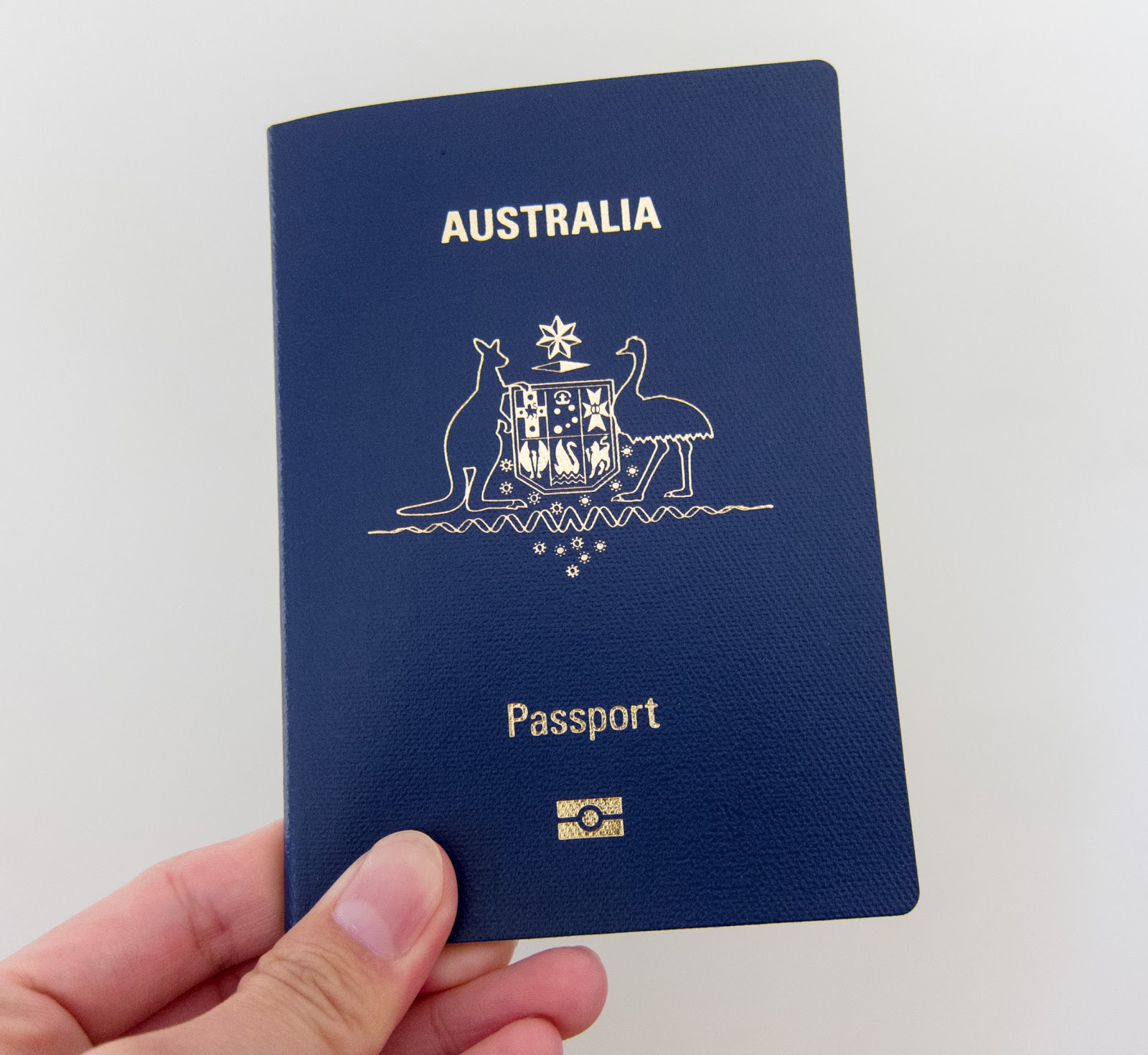
When a Vietnam trip is approaching, “fast visa processing” can mean very different things depending on how soon you are flying. An Australian traveler departing in two weeks usually has enough time to follow a standard processing route, while someone flying tomorrow may need to check whether an urgent option is available. Choosing the fastest service automatically is therefore not always necessary. What matters is whether the processing timeline provides enough room before your actual departure.
The most practical way to decide is to work backwards from your flight. Check how many working days remain, prepare your passport and application information carefully, and then choose a processing option that fits that window. This approach avoids two common problems: paying for unnecessary urgency when sufficient time remains, or relying on standard processing when the departure date is already too close.
For normal planning, a Vietnam e-visa application commonly requires around 3–5 working days for processing. This should be treated as a planning estimate rather than a guaranteed deadline for every individual application.
If your flight is closer, faster processing options may be available depending on the case, submission timing and current processing availability.
| Processing Situation | Practical Planning |
|---|---|
| Standard processing | Around 3–5 working days |
| Need it faster than standard | Check expedited processing availability |
| Flight tomorrow | Assess same-day urgent options |
| Flight within a few hours | Request immediate urgent assessment |
The important point is to match the processing speed to your departure date rather than automatically choosing the fastest available option.
Not every Australian traveler needs expedited processing.
If your trip is still two or three weeks away and your itinerary is reasonably stable, standard processing normally provides a much more comfortable planning window. Fast processing becomes more relevant when the normal timeline leaves little room before departure.
You may want to consider a faster option when:
A useful principle is simple: do not pay for speed you do not need, but do not rely on a normal timeline when your remaining travel window is already too short.
Instead of deciding between “standard” and “urgent” without context, start by checking how much time remains before your flight.
| Time Before Departure | Recommended Approach |
|---|---|
| 2 weeks or more | Standard processing usually provides reasonable planning time |
| 1–2 weeks | Apply promptly rather than continuing to wait |
| 3–5 working days | Apply immediately and assess whether faster processing is appropriate |
| 1–2 days | Check urgent or same-day processing availability |
| Only a few hours | Request an immediate urgent assessment |
If your flight is still several weeks away, there is usually no practical reason to treat the application as an extreme emergency.
Once departure falls inside the normal processing window, however, the amount of buffer becomes much smaller. At that point, faster processing may be worth assessing based on your exact flight schedule.
Working days are not the same as calendar days.
Weekends and Vietnamese public holidays should not simply be counted as ordinary processing days. For example, if an application is submitted on Friday, Saturday and Sunday should not automatically be treated as the first two normal working days.
This distinction becomes particularly important when a traveler is already close to departure. A “five-day” calendar window may contain considerably fewer actual working days.
For that reason, always compare your departure date against working days, not simply the number of dates remaining on the calendar.

Fast processing is more useful when the application is already complete and ready to review. Trying to save time while providing incomplete or inaccurate information can create avoidable problems.
| Prepare | What to Verify |
|---|---|
| Australian passport | Personal and passport information is accurate |
| Passport bio-page image | Clear, complete and readable |
| Portrait photo | Suitable digital image |
| Personal details | Match the passport |
| Travel dates | Correct for the intended trip |
| Entry information | Matches the planned itinerary |
| Email/contact details | Accessible for updates |
| Flight details | Exact information if processing is urgent |
When departure is very close, provide the exact flight number, departure airport and departure time rather than simply saying that you are flying “tomorrow” or “today.”
The more precise the travel information is, the easier it is to assess the real processing window.
Fast processing does not replace the need for an accurate application. When time is limited, correcting a preventable mistake can consume valuable processing time.
Before submitting, check for common problems such as:
The goal is not simply to submit as quickly as possible. It is to submit quickly and accurately.
A few minutes spent checking important passport information can be more useful than submitting slightly earlier with an error that later needs attention.
Potentially, same-day urgent processing may be available for eligible cases where an appropriate processing option is available.
Same-day processing is not the normal timeline and should not be treated as an automatic result for every applicant. Availability can depend on the submission time, application information, documents, travel schedule and current processing options.
If your flight is tomorrow or later the same day, provide the exact flight details when requesting an assessment. This gives a much clearer picture of how much usable time actually remains.
In very urgent situations, few-hour processing options may be available for certain eligible cases, depending on timing and processing availability.
When the remaining time is measured in hours, provide:
Saying “my flight is today” is not as useful as providing the exact departure information.
Also remember that a flight leaving in four hours does not necessarily mean there are four full hours available for visa processing. Travel to the airport, airline check-in, document checks and boarding all reduce the practical time window.
If the normal processing timeline no longer provides enough buffer before your flight, you can submit your information through our Vietnam visa support service:
Our service can help Australian travelers review their situation and identify a processing option that better matches the remaining travel time.
Depending on the individual case, timing and available processing arrangements, support may include:
For urgent travel, provide your exact departure information from the beginning. This makes it easier to assess whether the available processing option realistically fits your flight.
Fast or urgent processing remains dependent on the individual case and current availability; it should not be interpreted as guaranteed approval within a fixed number of hours.

No. The fastest option is not automatically the most appropriate option.
If your flight is three weeks away, normal processing may already provide enough time. Paying for an extreme-urgent option would offer little practical benefit if the standard route comfortably fits your itinerary.
The situation is very different if your flight leaves tomorrow or within a few hours. In that case, normal processing may no longer provide a workable timeline, and an urgent assessment becomes much more relevant.
A better decision is therefore:
Choose enough speed for your actual departure date—not simply the fastest option available.
How long does a Vietnam visa normally take for Australians?
For planning purposes, standard e-visa processing commonly takes around 3–5 working days.
Can Australian citizens get a Vietnam visa faster?
Faster processing options may be available depending on the individual case, submission timing and available processing arrangements.
Can Australians get a Vietnam visa on the same day?
Same-day urgent processing may be available for eligible cases, but it should be assessed individually rather than assumed to be guaranteed.
Can a Vietnam visa be processed within a few hours?
Certain few-hour urgent options may be available for eligible cases. Exact flight information should be provided when requesting an assessment.
My flight is in three days. Should I choose fast processing?
Three days provides limited room compared with a normal 3–5-working-day processing estimate. Apply immediately and assess whether an expedited option is appropriate for your schedule.
My Vietnam trip is three weeks away. Do I need urgent processing?
Not necessarily. If standard processing provides sufficient buffer and your itinerary is stable, there may be no practical reason to choose an extreme-urgent option.
Getting a Vietnam visa quickly does not mean every Australian traveler should automatically select the fastest possible processing option. The better approach is to compare the normal processing timeline with the actual time remaining before departure.
A simple framework is:
2+ weeks → Standard planning
1–2 weeks → Apply promptly
3–5 working days → Act immediately and assess the available buffer
1–2 days → Check urgent processing
Only a few hours → Request immediate assessment
The best processing option is not necessarily the fastest one. It is the option that provides a realistic timeline for your actual journey while allowing the application to be prepared and checked accurately.
Planning a trip to Vietnam from Australia? Before you pack your bags, one essential step is securing the right tourist visa. While Vietnam’s eVisa system has made the application process …
You’ve just booked your flights to Vietnam and started planning an unforgettable journey through Hanoi, Hoi An, and Ho Chi Minh City. But before you get too excited, there’s one …
Your flight to Vietnam is only a few days—or even a few hours—away, and you’ve just realized you still don’t have a valid tourist visa. Should you apply through the …
You’re only a few hours away from boarding your flight from Australia to Vietnam when you suddenly realize you haven’t applied for your Vietnam visa. It’s a situation that catches …
There are few things more stressful than watching your Vietnam e-visa application remain stuck on “Processing” while your departure date is just around the corner. Your flights are booked, your …
If you’ve just realised that your Vietnam visa isn’t ready and your flight is literally tomorrow, don’t panic. Our expedited Vietnam visa service is tailored for Australians in exactly this …
For many Australians, travel plans don’t always go as expected. Sometimes, a sudden business trip, a last-minute holiday deal, or an urgent family matter requires you to fly to Vietnam …
You’ve done everything right. You submitted your Vietnam e-visa application days ago, double-checked your details, and even received confirmation. But now, your departure date is getting dangerously close—and still no …
Picture this: your trip to Vietnam is coming up soon. Your flight from Australia is booked, your bags are almost packed, and you’re already thinking about wandering through the lantern-lit …