For many Australians heading to Vietnam, the idea of simply landing and picking up a visa at the airport sounds quick and hassle-free. But the truth is that Vietnam’s Visa …

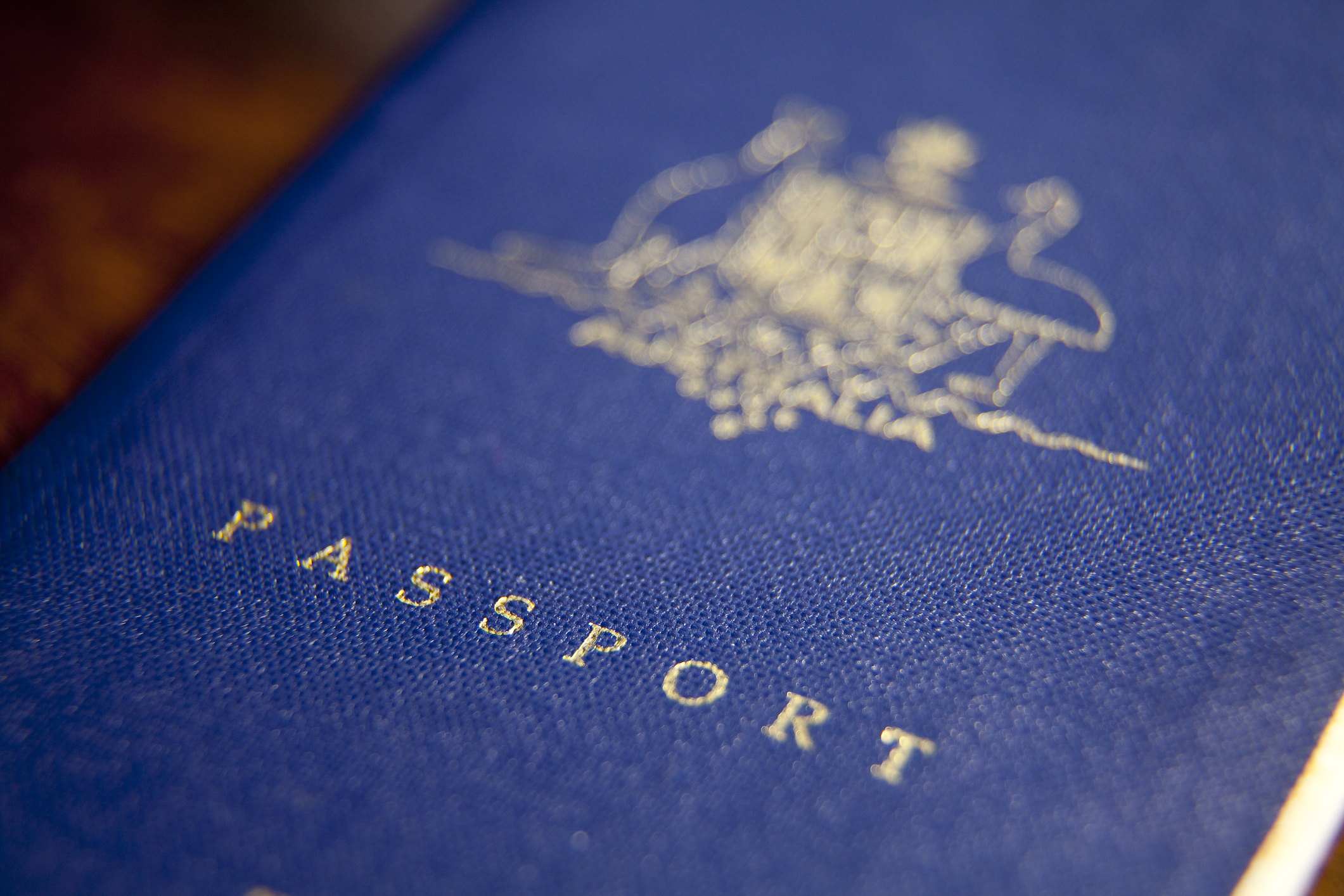
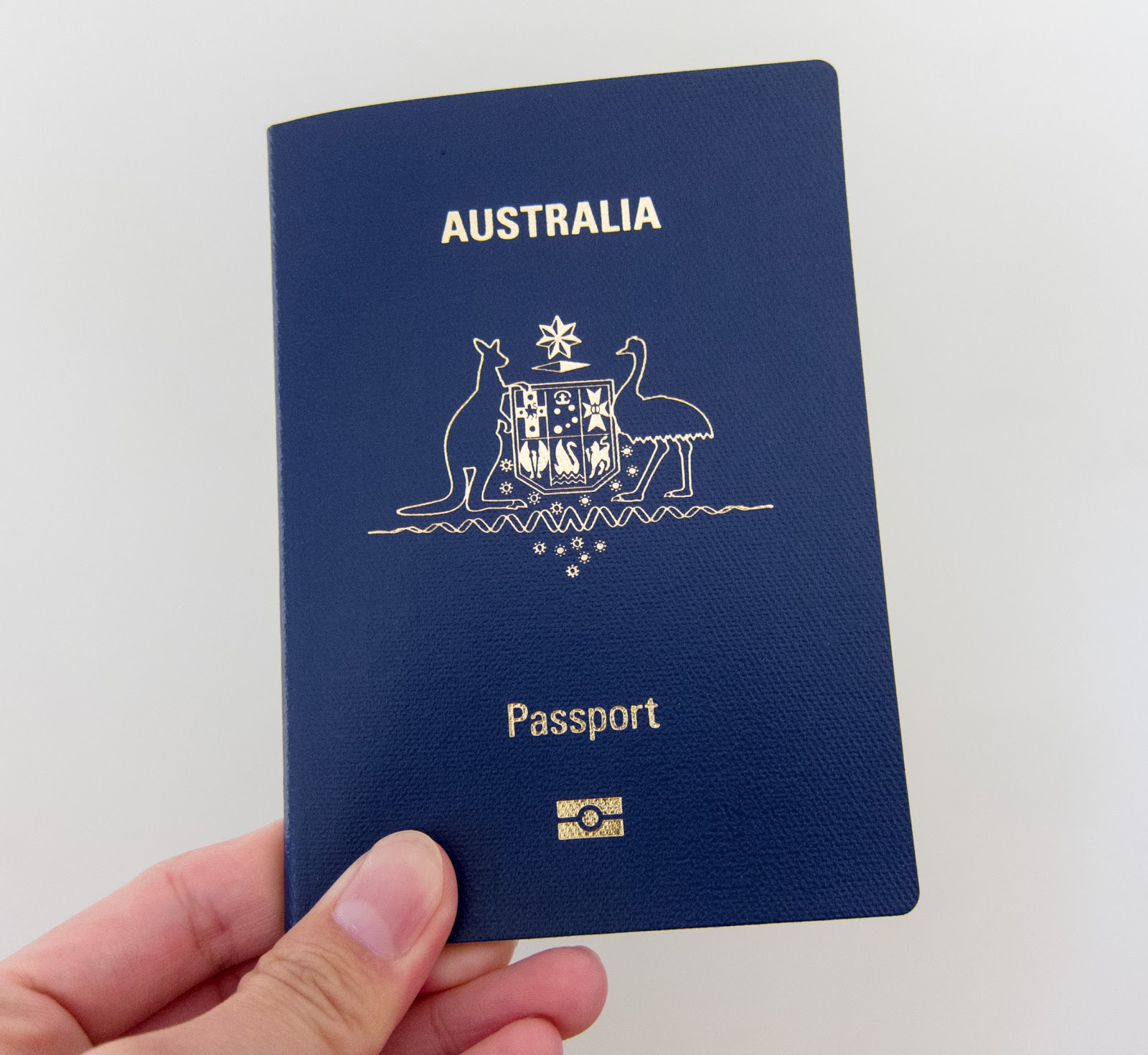
Many Australian travellers believe they can simply arrive at a Vietnamese airport and obtain a visa immediately after landing. While Vietnam does offer a visa on arrival option in certain situations, the process is not quite as simple as many people assume.
Before boarding your flight, there are important requirements you may need to complete, including obtaining the appropriate travel documents in advance. Understanding how Vietnam’s airport visa process works can help you avoid unexpected problems during check-in and enjoy a much smoother arrival experience.
In most cases, yes.
Australian passport holders generally need a valid visa before entering Vietnam, even when the trip is only for a short holiday.
The main exception applies to travellers visiting Phu Quoc Island under the specific visa-exemption arrangement. Australian tourists may qualify for a visa-free stay of up to 30 days if they meet all of the following conditions:
If your itinerary includes Hanoi, Ho Chi Minh City, Da Nang, Hoi An, Nha Trang, Ha Long Bay or any destination outside Phu Quoc, you will normally need an appropriate Vietnam visa.
Travellers should arrange the correct documents before arriving at the airport. Without a valid visa or the paperwork required for Visa on Arrival, an airline may refuse boarding or request additional proof before allowing the passenger to travel.

Yes, in certain situations.
However, Visa on Arrival does not usually mean that an Australian traveller can fly to Vietnam without any advance preparation and then begin the application after landing.
Vietnam Visa on Arrival, often referred to as VOA, normally requires travellers to arrange an important document before departure:
A Visa Approval Letter
This letter must generally be obtained before boarding the flight to Vietnam.
After arriving at an eligible international airport, the traveller presents the Approval Letter and the required documents at the Landing Visa Counter. The visa is then placed in the passport before the passenger proceeds to immigration clearance.
In other words, the application begins before the journey, while the physical visa is received at the airport.
A Vietnam Visa Approval Letter is an official pre-arranged document used by eligible travellers who plan to receive their visa after arriving at a Vietnamese international airport.
It is important to understand that the Approval Letter is not the visa itself.
Instead, it confirms that the traveller has been approved to complete the Visa on Arrival procedure at an eligible airport.
The letter is generally used to:
Travellers should receive the Approval Letter before departure, check that the information is correct and print a copy to carry during the journey.
The name, passport number and other personal details on the letter should match the passport exactly.
The Visa on Arrival process generally involves the following steps.
Submit the required passport information, travel details and supporting documents through an appropriate visa service.
Once the request is processed, the Approval Letter is normally sent electronically.
Check all information carefully after receiving it.
Prepare a clear printed copy before travelling.
Keeping a digital copy is also useful, but a printed version may be easier to present during airline check-in and airport processing.
Carry the passport, Approval Letter, portrait photograph and other required documents in your hand luggage.
Do not place essential visa paperwork only in checked baggage.
After landing, follow the airport signs or staff instructions to the Landing Visa or Visa on Arrival area before proceeding to the standard immigration desks.
Applicants generally need to present:
A visa stamping fee may need to be paid at the airport.
For a single-entry visa, the fee is commonly USD 25, subject to the applicable rules and the visa issued.
Travellers should prepare cash in US dollars or Vietnamese dong because card payment may not always be available at the counter.
After the documents and payment have been accepted, the visa is placed in the traveller’s passport.
Check the visa immediately to confirm that the personal information, validity dates and number of entries are correct.
Once the visa has been issued, continue to the immigration checkpoint for normal entry inspection.
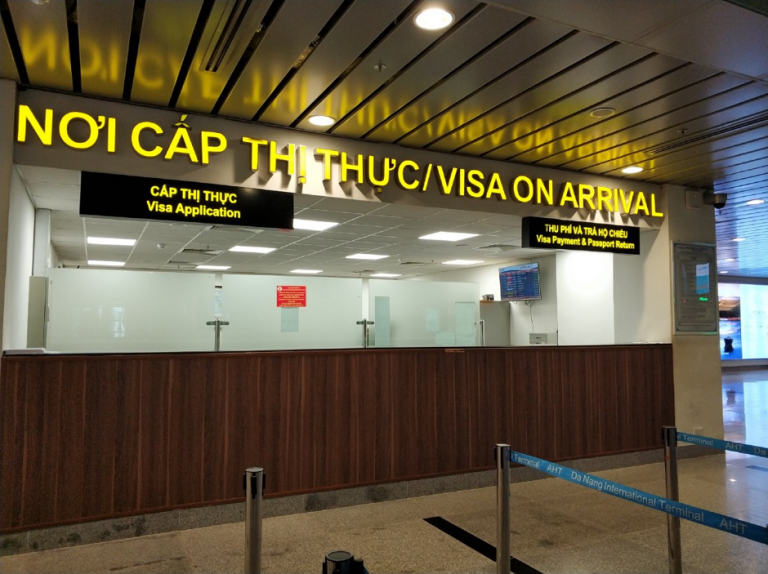
Visa on Arrival is generally associated with international air entry through eligible Vietnamese airports.
Common airports used for airport visa processing may include:
Availability may depend on the current immigration arrangements and the details stated in the traveller’s Approval Letter.
Before booking flights, applicants should confirm that:
Visa on Arrival should not automatically be assumed to work at every airport, seaport or land-border crossing.
A Vietnam eVisa and Visa on Arrival are different ways of obtaining entry permission.
| Vietnam eVisa | Visa on Arrival |
|---|---|
| Visa is received before departure | Visa is received after landing |
| No Approval Letter is normally required | Approval Letter is required in advance |
| Delivered electronically by email | Completed at the Landing Visa Counter |
| Can be suitable for various approved entry points | Primarily used for eligible international airport arrivals |
| Traveller arrives with the approved visa | Traveller arrives with pre-approval documents |
With an eVisa, the traveller receives the approved electronic visa before leaving Australia. The document can be printed and presented during check-in and entry inspection.
With Visa on Arrival, the traveller obtains the Approval Letter before departure and receives the physical visa after landing at an eligible Vietnamese airport.
Neither option is automatically better for every traveller.
An eVisa may be more convenient for someone who wants the visa completed before the journey or plans to enter through a land border, seaport or approved airport.
Visa on Arrival may be suitable in certain airport-arrival situations where the traveller has arranged the required Approval Letter in advance.
The right option depends on:
Australian tourists should prepare their documents before leaving for the airport.
The usual items may include:
The passport should remain valid for the period required under Vietnam’s entry rules and should contain sufficient blank space for the visa and entry stamps.
The portrait photograph should be clear, recent and suitable for official identification.
Travellers should also make sure that:
Keeping the documents together in an accessible travel folder can make the airport process more organised.
If an Australian traveller intends to use Visa on Arrival, they generally cannot rely on arriving without an Approval Letter.
Airlines may check visa documentation during check-in before allowing the passenger to board.
If the traveller cannot present an eVisa, Visa Approval Letter or another acceptable entry document, the airline may:
The Approval Letter is therefore not an optional document for a traveller using the Visa on Arrival process.
It should be obtained before departure and carried throughout the journey.
Travellers should not assume that airport immigration staff can create an Approval Letter after they arrive without prior arrangements.
Yes.
Airport Fast Track services may be available for travellers who want assistance with arrival formalities and reduced waiting time.
Depending on the airport and service selected, Fast Track support may include:
Fast Track can be particularly useful for:
However, Fast Track does not change Vietnam’s immigration requirements.
It also does not guarantee that a visa will be issued or allow a traveller to enter without the correct documents.
The final decision regarding visa issuance and admission remains with the relevant Vietnamese authorities.
Applying for Visa on Arrival involves more than simply arriving at the airport. The Approval Letter, passport information, airport details and supporting documents must be prepared correctly before the journey.
Our team has more than 15 years of experience assisting international travellers with Vietnam visa applications, airport visa arrangements and immigration-related questions.
Our services include:
We aim to explain the process transparently so travellers understand what must be completed before departure and what will happen after landing.
You can submit your visa application or request airport-arrival support through:
Providing complete and accurate information early can help reduce delays and make the arrival process more manageable.

Yes, in eligible Visa on Arrival cases where the traveller has obtained a valid Approval Letter before departure.
Travellers should not assume they can begin the entire visa application only after landing.
Yes, when using the Visa on Arrival procedure.
The letter is normally required before boarding and is presented at the Landing Visa Counter after arrival.
Usually not.
Visa on Arrival is generally designed for travellers entering Vietnam by air through eligible international airports.
Travellers entering through a land border or seaport should arrange a visa that is valid for the intended checkpoint, such as an appropriate eVisa where available.
The airport process commonly takes approximately 30 to 90 minutes, although the actual waiting time can vary.
Factors include:
During busy periods, the process may take longer.
Fast Track can help reduce waiting time in many cases, but exact processing times cannot be guaranteed.
It depends on the traveller’s itinerary and preferences.
Some Australian tourists prefer an eVisa because they receive the approved visa before the flight and can proceed directly towards immigration after arrival.
Other travellers may use Visa on Arrival when it suits their airport entry plan and they have arranged an Approval Letter in advance.
The most appropriate option depends on the entry point, available time and journey details.
A traveller using Visa on Arrival may experience serious difficulties if the Approval Letter is unavailable.
The airline may request it during check-in, and the Landing Visa Counter may require it before issuing the visa.
Travellers should keep:
If the document is lost or unavailable before departure, contact the visa service provider immediately.
Most Australian passport holders need a valid visa before travelling to Vietnam, unless they qualify for a specific exemption such as the limited Phu Quoc arrangement.
Visa on Arrival does not mean that travellers can arrive in Vietnam without preparation and begin the entire visa application at the airport. In eligible cases, a Visa Approval Letter must normally be arranged before the passenger boards the flight.
After arriving at an eligible international airport, the traveller presents the passport, Approval Letter, photograph and other required documents at the Landing Visa Counter, pays the applicable stamping fee and receives the visa before proceeding to immigration.
Preparing all documents in advance can reduce the risk of boarding problems and make the arrival process smoother.
Australian travellers who need assistance with an Approval Letter, Visa on Arrival or airport Fast Track support can submit their details through https://www.vietnamimmigration.com/apply-vietnam-visa/ for professional guidance before departure and after arrival.
For many Australians heading to Vietnam, the idea of simply landing and picking up a visa at the airport sounds quick and hassle-free. But the truth is that Vietnam’s Visa …