Everything about your Vietnam trip is finally coming together. Your flights are booked, hotels are confirmed, and your itinerary is filled with exciting plans across Vietnam. Then suddenly, while reviewing …

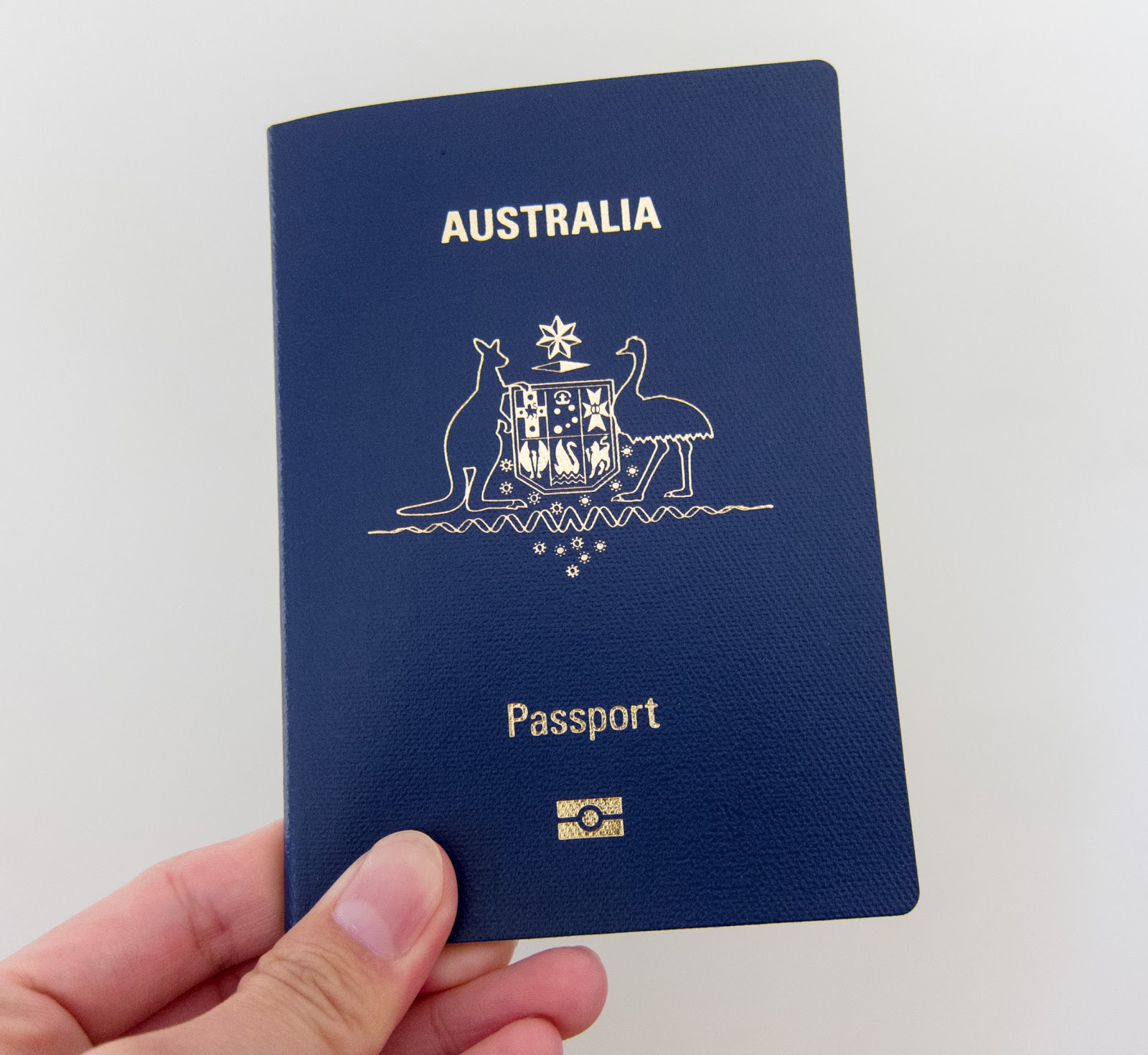
Your Vietnam e-visa has been approved, but something on it does not match your Australian passport or travel details. Whether the problem is a wrong passport number, misspelled name, incorrect date of birth, or another important detail, do not assume the document is safe to use simply because its status says “approved.” Check exactly what is wrong first, compare the issued e-visa carefully with your passport and trip, and determine how the discrepancy should be resolved before you travel.
The first thing to do is not to panic and immediately submit another application. Instead, open your Australian passport, approved Vietnam e-visa, and confirmed travel itinerary, then compare them carefully.
Check your full name, passport number, date of birth, nationality, passport details, e-visa validity period, and other information relevant to your journey. Do not stop after finding the first mistake, because there may be another discrepancy elsewhere on the document.
Pay particular attention to passport-related information. A difference that looks small on screen may still mean that the information on the issued e-visa does not correspond correctly with the passport you intend to present when travelling.
The objective at this stage is simple: identify exactly what is wrong before deciding how the problem should be resolved.

An approval status should not be treated as a reason to ignore incorrect information on the issued e-visa.
Your e-visa and passport are used together as part of your travel documentation. If important information on the e-visa does not correspond with the passport you are carrying, relying on the document without addressing the discrepancy can create problems during travel-document checks or immigration procedures.
This is particularly important for identity-related information such as your passport number, name, date of birth, nationality, and other passport details. If the validity dates or relevant travel information are incorrect, you should also check whether the issued e-visa actually covers your intended journey.
Do not make your travel decision based on assumptions such as “it is only one letter” or “the visa has already been approved, so it should be fine.” The safer approach is to identify the mismatch and determine the appropriate solution before going to the airport.
In other words, “approved” and “accurate for your actual trip” should not automatically be treated as the same thing.
Any discrepancy that affects how the e-visa corresponds with your passport or actual journey deserves attention. Some of the most important fields to check include:
| Incorrect Information | Why It Needs Attention |
|---|---|
| Passport number | The e-visa information may not correspond with the passport being used |
| Full name | Identity information differs from the passport |
| Date of birth | Personal information does not match |
| Nationality | A core identity detail is incorrect |
| Passport details | The issued information may not correspond with the travel document |
| E-visa validity dates | The visa may not cover the intended entry date |
| Relevant entry information | The issued information may not correspond with the planned journey |
| Multiple incorrect fields | The case requires particularly careful review before travel |
It is tempting to divide mistakes into “serious” and “harmless” categories, but travelers should be careful about making that judgment themselves. A discrepancy that appears insignificant to you may still be relevant when the document is checked against your passport.
Instead of asking whether an error “looks small enough to ignore,” ask whether the information on the e-visa correctly corresponds with the passport and journey you will actually use.
A wrong passport number is one of the clearest discrepancies to take seriously because the e-visa is being presented together with the passport.
For example, imagine that your Australian passport number is:
PA1234567
but the approved e-visa shows:
PA1234561
Only one character is different, but the two passport numbers are still not the same.
Do not assume that a one-digit mistake will automatically be overlooked. Instead, compare the passport number on your approved e-visa with the Australian passport character by character.
Also check for less obvious mistakes such as confusing letters and numbers, omitting a character, adding an extra character, or entering information from another passport.
If the passport number is wrong, the important question is not how visually small the typo appears. The important question is how to obtain travel documentation that correctly corresponds with the passport you will use.
Errors involving your name, date of birth, or nationality also require careful attention because these are core personal details used to identify the traveler.
If your name appears differently on the e-visa, compare it directly with the machine-readable and printed information on your Australian passport rather than relying on memory or the way you normally write your name elsewhere.
The same principle applies to your date of birth and nationality. If either field does not correspond with your passport, do not simply assume that the discrepancy is too minor to matter.
This is especially important when a traveler notices a spelling difference and starts searching online for examples of other people who were allowed to travel with similar mistakes. Another person’s experience does not guarantee that your document will be accepted in the same circumstances.
The practical approach is to treat the passport as the reference document and identify any differences before departure.
Not every e-visa problem involves identity information. Sometimes the passport details are correct, but the traveler discovers that the dates or other information relevant to the trip do not fit the actual itinerary.
The most important check is whether the validity period shown on the approved e-visa covers the date on which you actually intend to enter Vietnam.
For example, if your travel plans changed after the application was submitted, do not assume that the existing e-visa automatically adjusts to the new itinerary. Look at the issued document itself and compare its validity with your confirmed travel date.
This is why checking an approved e-visa should involve more than confirming that your name and passport number are correct. You should also make sure that the document you received is appropriate for the journey you are actually about to make.
Once you discover an error on an issued e-visa, do not try to solve the problem by manually changing the document yourself.
Editing the PDF, changing text in an image editor, replacing a passport number, altering a date, or otherwise modifying the issued document does not constitute an official correction. The document you present for travel should correspond with the valid information associated with the issued e-visa, not a file that has been manually altered.
Instead, the correct approach is to determine what legitimate resolution is available for the specific error. Depending on the circumstances, this may involve assessing an appropriate correction/support route or determining whether a new correctly completed e-visa application is required.
The important point is that an approved e-visa with incorrect information should be resolved through a legitimate process, not by editing the issued document yourself.
There is no responsible one-size-fits-all answer telling every Australian traveler with an e-visa mistake to take exactly the same action.
The appropriate solution depends on what is wrong, how many fields are affected, and how much time remains before departure.
| Situation | What Should Be Assessed |
|---|---|
| One incorrect field | Whether an appropriate correction or resolution route is available |
| Passport information mismatch | Whether correctly issued replacement documentation is required |
| Several incorrect fields | Whether a fresh, accurate application is more appropriate |
| Departure still weeks away | More time is available to resolve the issue properly |
| Flight within 24–48 hours | Processing time becomes a major consideration |
| Flight today | Immediate assessment is needed |
This is why immediately submitting another application is not always the best first reaction. Before doing so, identify the exact error and determine what outcome is actually required.
At the same time, do not spend several days waiting if your flight is approaching. The closer you are to departure, the more important the remaining processing window becomes.
Once you notice an error, work through the problem systematically rather than making several rushed applications or relying on assumptions about what the airline or immigration authorities may accept.
Place the approved e-visa and Australian passport side by side and compare the information carefully. Check names, passport number, date of birth, nationality, passport information, and other relevant fields.
For passport numbers and dates, compare every character rather than reading them quickly.
Write down each discrepancy you find. If possible, take a clear screenshot showing the incorrect field so that the problem can be understood quickly when you request assistance.
Do not stop after identifying one error. Review the entire document.
Compare the visa validity period and relevant travel information with your confirmed itinerary.
Make sure you are assessing the issued e-visa against the trip you are actually taking, particularly if your flight dates changed after the original application.
The appropriate response becomes increasingly time-sensitive as the flight approaches.
A traveler leaving in two weeks has considerably more room to resolve the issue than someone departing within 48 hours, 24 hours, or later the same day.
When the flight is close, also consider the airline’s international check-in and travel-document verification deadline rather than looking only at the scheduled departure time.
Have the correct Australian passport, approved e-visa, application information, flight itinerary, correct personal details, and relevant travel information ready before seeking a resolution.
Complete information reduces unnecessary back-and-forth communication.
Once the exact error and remaining timeframe are clear, determine whether the situation requires a correction-related solution, a new correctly completed e-visa application, or another appropriate form of assistance.
If your departure is approaching and you need help assessing an incorrect approved e-visa, you can submit the case through:
Include the incorrect approved e-visa, your Australian passport information, the correct details, and your exact flight schedule so the problem can be reviewed against the real travel deadline.

When requesting assistance with incorrect information on an approved e-visa, the goal is to make the discrepancy immediately understandable.
Prepare:
Providing both the incorrect issued information and the correct passport information is particularly useful because it makes the mismatch easier to identify.
If your flight is approaching, include the exact departure time from the beginning. Do not simply write “urgent” or “flying tomorrow,” because the actual time remaining is much more useful when assessing the case.
If you discover incorrect information on your approved Vietnam e-visa within 24 to 48 hours of departure, do not spend another day hoping that the discrepancy will be ignored.
At this point, prepare your passport, approved e-visa, correct information, and full flight itinerary immediately. Identify every mismatch and seek an assessment of the appropriate solution as soon as possible.
The objective is not to submit as many applications as possible. It is to obtain travel documentation that correctly corresponds with your passport within the limited time available.
You should also check your airline’s change and rebooking conditions. Knowing your backup options does not mean abandoning the original flight; it simply prevents you from reaching the final check-in deadline without knowing what alternatives are available.
A same-day departure makes the situation much more time-sensitive because the usable window may be significantly shorter than the number of hours remaining until takeoff.
Prepare the Australian passport, incorrect approved e-visa, correct details, application information, and full itinerary immediately. Your exact flight number, departure time, and airline check-in deadline should be included when requesting urgent assistance.
If you need your case assessed urgently, submit the relevant information through:
Do not rely on a generic promise that every incorrect e-visa can be resolved before every same-day flight. The actual options depend on the error, the time of submission, the available processing window, and the specific circumstances of the case.
Not automatically.
Submitting a second application only makes sense if it is an appropriate solution to the error and the new application is completed correctly. If you panic and submit another application without first identifying what went wrong, you risk repeating the same mistake or creating additional confusion.
Before starting again, confirm the correct passport information, identify every discrepancy on the existing e-visa, and consider how much time remains before travel.
If a new application is determined to be the appropriate route, check every field carefully before submission. The purpose of applying again should be to obtain correctly issued travel documentation, not simply to create another application because the first one contains an error.
When departure is very close, timing also matters. A new application is useful only if the processing route can realistically address the problem within the travel window available.
Discovering an error after an e-visa has already been approved can be particularly stressful because many travelers only check the document carefully shortly before departure. At that point, the challenge is not simply identifying that something is wrong; it is understanding what to do next without losing more time.
Vietnam Immigration Services can assist Australian travelers by reviewing the issued e-visa alongside the passport and travel information, helping identify discrepancies and assessing the next practical step based on the actual departure schedule.
Depending on the case, assistance can include reviewing passport and e-visa information, identifying incorrect fields, checking supporting documents, assessing the travel deadline, helping determine an appropriate resolution, and providing urgent assistance where available.
Our support also includes 24/7 customer assistance for time-sensitive cases, backed by more than 15 years of experience helping international travelers with Vietnam visa and entry-related matters.
If your approved Vietnam e-visa contains incorrect information and your travel date is approaching, submit the case through:
Provide the approved e-visa, Australian passport, correct information, and exact flight details from the beginning so the issue can be assessed as efficiently as possible.
Do not assume that an approved e-visa is automatically suitable for travel when important information does not correspond with your passport or actual trip. Identify the discrepancy and determine how it should be resolved before departure.
A one-digit difference still means the passport number shown on the e-visa is not identical to the number on your passport. Do not assume that such a mismatch will automatically be ignored.
You should not manually alter the issued e-visa file to change incorrect information. A manually edited document is not the same as an officially corrected or correctly issued e-visa.
Compare the name shown on the e-visa directly with your Australian passport. If they do not correspond, the discrepancy should be assessed rather than ignored simply because the spelling difference appears small.
These are core personal details. If either is incorrect, identify the mismatch and determine the appropriate resolution before travelling.
Check the validity period on the issued e-visa against the date you actually intend to enter Vietnam. Do not assume that an approved visa automatically covers a changed itinerary.
Not necessarily. First identify the exact error, confirm all correct passport information, assess the time remaining before travel, and determine whether a new application is the appropriate solution.
Relying on an airport correction is a risky strategy because the document may be checked before you reach Vietnam, including during airline travel-document verification. It is better to address known discrepancies before departure.
Airlines may verify travel documentation before allowing passengers to travel internationally. You should therefore not assume that a known mismatch will simply be ignored at check-in.
Prepare the passport, approved e-visa, correct information, and complete itinerary immediately. The closer the flight, the more important it becomes to assess the appropriate solution without unnecessary delay.
Treat the case as highly time-sensitive. Provide the exact error and flight deadline immediately and have the available options assessed against the actual time remaining.
Approval status alone should not be used as a reason to disregard incorrect information. The issued document still needs to correspond appropriately with the passport and trip for which it will be used.
If your Vietnam e-visa has already been approved but contains incorrect information, the best time to deal with the problem is before you arrive at the airport. Compare the e-visa carefully with your Australian passport, identify every discrepancy, check the visa against your actual travel dates, and determine the appropriate resolution while you still have time to act.
If departure is approaching, you can submit the incorrect e-visa, correct passport information, and exact flight schedule through https://www.vietnamimmigration.com/apply-vietnam-visa/ for assessment. The earlier the discrepancy is identified and the correct information is prepared, the more time remains to resolve the problem before it interferes with your journey.
Everything about your Vietnam trip is finally coming together. Your flights are booked, hotels are confirmed, and your itinerary is filled with exciting plans across Vietnam. Then suddenly, while reviewing …