The United States and Vietnam have a close relationship, with many Americans visiting Vietnam for vacation, business, or cultural exchange. To make travel easier for American citizens, the Vietnamese government …


Your flight to Vietnam is tomorrow, but when you check your e-visa application, the status still shows pending or processing. At this point, the question is no longer simply how long a Vietnam visa normally takes—you need to decide what can reasonably be done with the time that remains. Should you continue waiting? Can you travel while the application is still pending? Would submitting another application help, or could it make the situation more complicated? And if urgent processing is available, can your existing case be reviewed before departure? With only one day left, the most useful approach is to work from your current application status and exact flight time rather than starting the visa process again without first checking what has already been submitted. A pending application does not automatically mean something has gone wrong, but when departure is this close, relying only on waiting may leave very little room to respond.
If your Vietnam e-visa is still pending one day before your flight, check the existing application first and assess your remaining time immediately.
A practical order is:
Use your actual application status—not assumptions—to decide what to do next.
| Current Situation | Practical Next Step |
|---|---|
| Still pending, flight tomorrow | Review the existing case immediately |
| Correction requested | Address the requested information promptly |
| Application contains questionable information | Have the case assessed before taking further action |
| No result and departure is approaching | Check available urgent support |
| Visa has just been approved | Verify the issued visa carefully before travel |
With less than a day remaining, your exact flight time becomes more useful than simply saying that you leave “tomorrow.”

A standard Vietnam e-visa application commonly requires around 3–5 working days for processing. This should be treated as a normal planning estimate rather than a guaranteed approval deadline.
Working days are also different from calendar days. Weekends and Vietnamese public holidays can affect how much calendar time passes while an application is being processed.
For example, an application submitted close to:
may involve more calendar days than a traveler initially expects.
A pending status by itself does not automatically mean the visa has been rejected. However, when your flight is tomorrow, the more important question is no longer whether the processing time seems normal—it is whether you still have enough time to resolve the situation before departure.
A pending e-visa application is not the same as an approved visa.
If your itinerary requires a valid Vietnam visa or other appropriate entry permission, do not assume that an application receipt, reference number or screenshot showing “pending” can be used as a substitute for the approved visa.
Airlines may check required travel documents before allowing a passenger to board. Vietnamese immigration authorities will also assess entry documentation according to the applicable requirements.
The practical rule is simple:
Do not plan on a pending e-visa application functioning as an approved travel document.
If your flight is approaching and the application has not yet been approved, check the status and available options before going to the airport assuming the pending application will be sufficient.
Do not automatically submit a second application simply because your original e-visa is still pending.
Before taking further action, check what has already been submitted:
If something appears incorrect or incomplete, the appropriate next step may depend on the exact issue. If the information appears correct but the application remains pending, the existing case should still be considered before another application is submitted.
When time is limited, blindly creating duplicate applications may not be the most useful first response. Start with the case you already have.
There is not one single reason why every pending application remains unresolved.
Possible factors can include:
Not every factor means there is a problem with the application, and a pending status should not automatically be interpreted as a rejection.
At the same time, when your flight is less than 24 hours away, identifying the exact reason may be less useful than establishing what can still be done within the time remaining.

Urgent assistance may be available for certain pending e-visa cases, but the existing application should be reviewed first rather than assuming every pending case can automatically be expedited.
Prepare:
These details help distinguish a pending application that is simply awaiting processing from a case that may require another form of attention.
Availability of urgent processing can depend on the individual case, submission status, timing and available processing options. It should therefore be assessed rather than promised automatically.
Once the remaining time drops below one day, it is useful to stop thinking only in terms of “tomorrow” and start looking at the actual number of hours before departure.
| Time Before Flight | Recommended Approach |
|---|---|
| 18–24 hours | Review the pending application and available urgent options now |
| 12–18 hours | Treat the situation as urgent and provide exact flight details |
| 6–12 hours | Immediate case assessment becomes increasingly important |
| Only a few hours | Do not rely on normal processing; check very urgent availability immediately |
Remember that time before departure is not necessarily the same as the amount of time available for visa processing.
Your real timeline may include:
Visa processing → Receiving the result → Checking the issued visa → Airline document check → Boarding
This is why a flight departing in six hours does not necessarily mean you have six full hours available to wait for the visa.
If your flight is tomorrow, there is no need to spend valuable time collecting unrelated information. Focus on the details needed to understand the existing case.
Prepare:
If you contact a visa support service, clearly state at the beginning that an e-visa application has already been submitted and is still pending.
That distinction can be important when assessing what should happen next.
If your Vietnam e-visa is still pending and your flight is tomorrow, provide your existing application information and exact flight time so the case can be reviewed against the time you actually have left.
You can request Vietnam visa assistance here:
Depending on your existing application, travel schedule and current processing availability, our Vietnam visa support service can assist with:
The objective should not simply be to sell the fastest available service. A more useful approach is to examine the existing application, identify the real amount of time remaining and determine which available option reasonably fits the travel schedule.
If your departure is very close, include the exact flight time when requesting assistance rather than only saying “my flight is tomorrow.”

If the pending status changes to approved shortly before departure, take a few minutes to check the issued visa before relying on it for travel.
Verify:
Compare these details with your passport and actual itinerary.
Receiving an approval is important, but an approved document should still be checked for accuracy, especially when there is very little time left before the flight.
My Vietnam e-visa is pending and my flight is tomorrow. Should I keep waiting?
Continue monitoring the application, but with less than one day remaining, it is sensible to review the existing case and assess available urgent options rather than relying only on normal processing.
Does “pending” mean my Vietnam visa was rejected?
No. Pending and rejected are different statuses. A pending application is still unresolved and should not automatically be treated as a refusal.
Can I board my flight with a pending Vietnam e-visa?
Do not treat a pending application as an approved visa or assume that it will satisfy any required airline travel-document checks.
Should I submit another e-visa application?
Do not automatically submit a duplicate. Review the existing application and its current status first.
Can a pending Vietnam e-visa be expedited?
Urgent assistance may be available for certain cases, but the existing application and remaining travel time should be assessed before deciding on the appropriate option.
My flight is tonight and the visa is still pending. What should I do?
Provide your existing application details and exact flight time immediately so available urgent options can be assessed against the actual time remaining.
What if my e-visa is approved shortly before my flight?
Check the issued visa carefully against your passport and itinerary before using it for travel.
When your Vietnam e-visa is still pending one day before departure, the most useful response is neither to panic nor to automatically start another application.
Instead, work in this order:
Check the current status → Verify the existing application → Calculate the exact time remaining → Assess urgent options if necessary → Check the visa carefully if approval arrives.
A pending application does not automatically mean rejection, but when the flight is only one day away, relying entirely on normal processing may leave very little flexibility. Use your existing application number and exact departure time to make the next decision based on the case you actually have.
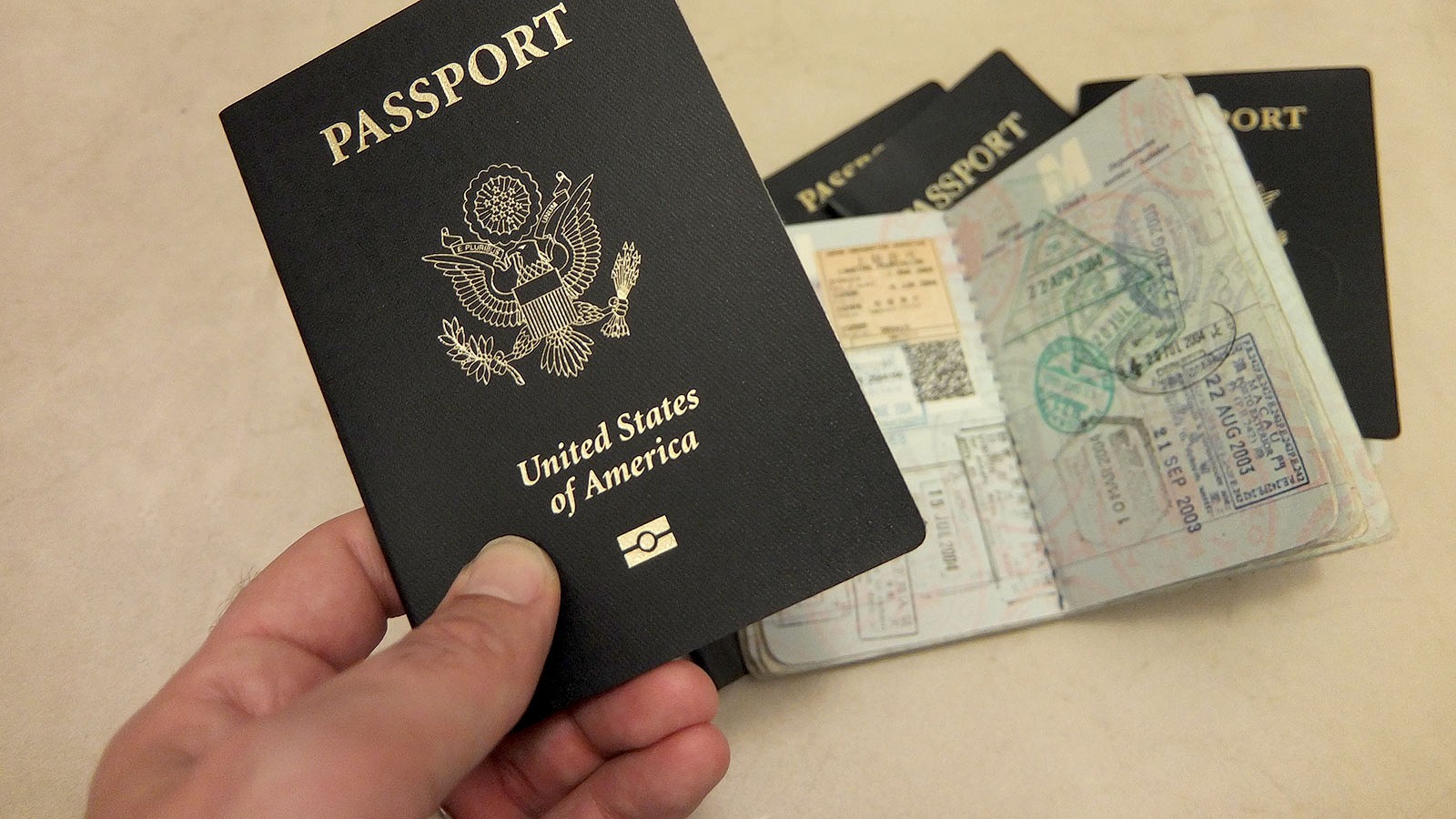
The United States and Vietnam have a close relationship, with many Americans visiting Vietnam for vacation, business, or cultural exchange. To make travel easier for American citizens, the Vietnamese government …
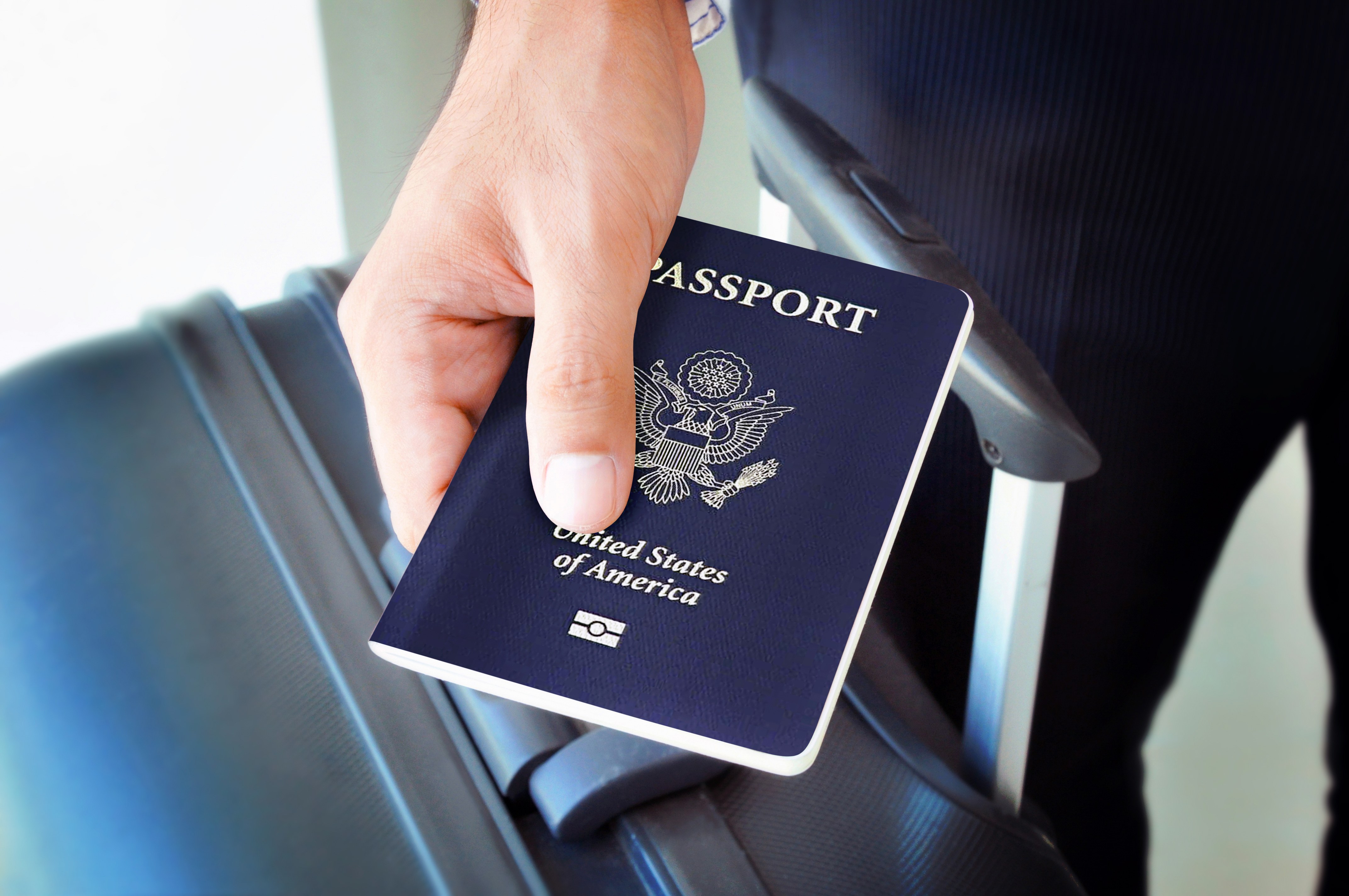
Planning a trip to Vietnam but still waiting for your e-visa approval? If you’re an American traveler with only a few days—or even a few hours—before your flight, the stress …