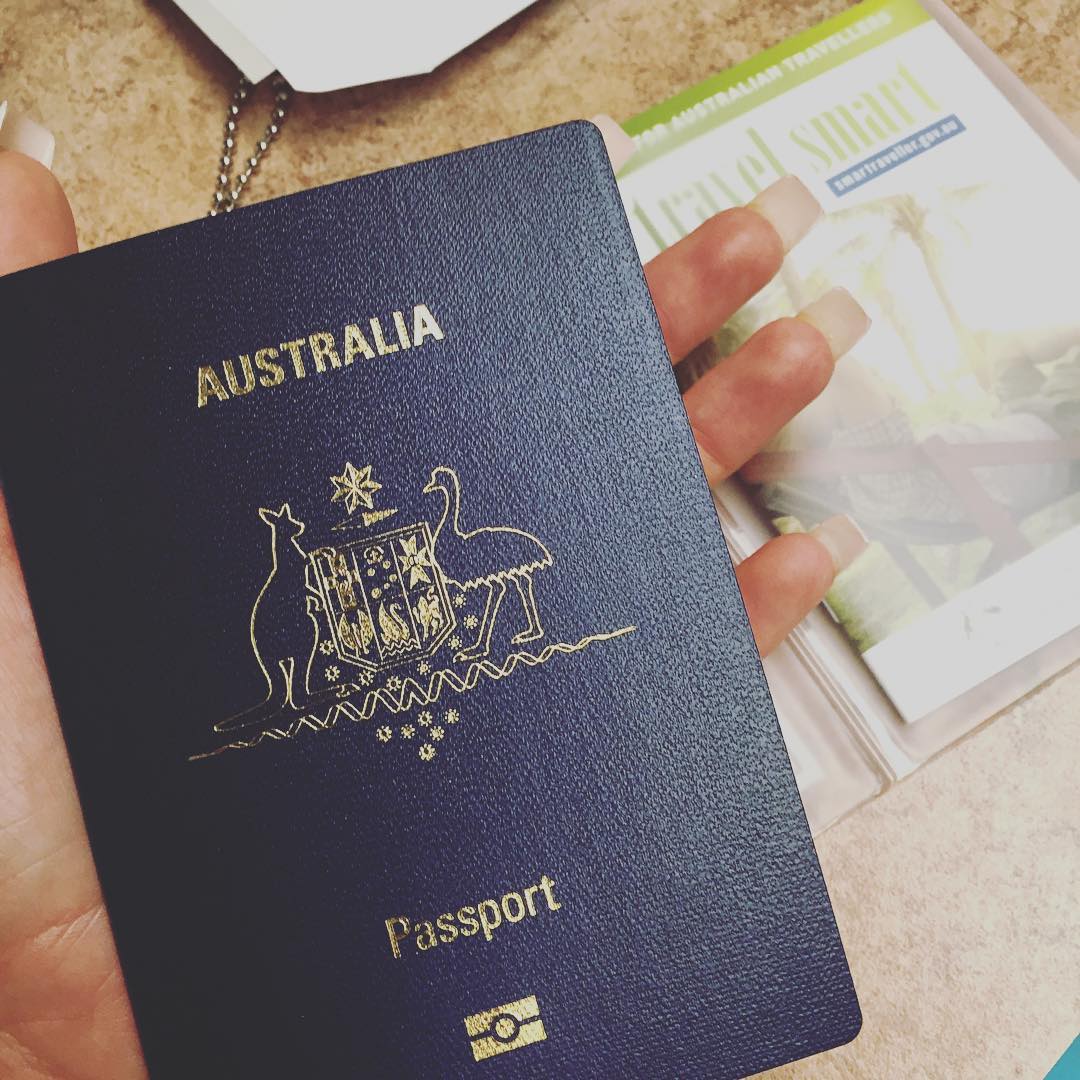
Preparing a Vietnam tourist visa application is much easier when you know exactly which documents and travel details are required before you begin. For Australian passport holders, the online eVisa process is relatively straightforward and does not usually involve a large amount of paperwork. However, every uploaded image and personal detail must be clear, accurate and consistent with the passport.
Small mistakes can create unnecessary delays. An incorrect passport number, a blurred image, the wrong entry checkpoint or an email address that cannot receive messages may affect the application process. Preparing everything in advance allows you to complete the form more confidently and reduces the likelihood of having to correct or resubmit information.
This guide provides a practical checklist of the documents Australian travellers should prepare for a Vietnam tourist eVisa, explains the passport and photograph requirements, and highlights the most common application mistakes to avoid.
Most Australian passport holders applying for a Vietnam tourist eVisa need only a small number of essential documents and accurate travel details.
| Document or Information | Required | Key Requirement |
|---|---|---|
| Australian passport | Yes | Must be valid and in good condition |
| Passport data-page image | Yes | Clear, complete and easy to read |
| Portrait photograph | Yes | Front-facing, clear and without glasses |
| Intended entry date | Yes | Should match the planned itinerary |
| Intended exit date | Yes | Must fall within the requested visa validity |
| Entry checkpoint | Yes | Select the checkpoint you expect to use |
| Email address | Yes | Used for updates and visa delivery |
| Online payment method | Yes | Required to complete payment |
| Flight information | Sometimes useful | Keep available when completing the form |
| Accommodation details | Sometimes useful | May be requested as travel information |
The most important part of the application is not the quantity of documents, but their quality and accuracy.
Every passport detail entered on the form should match the Australian passport exactly. The uploaded images must also be sufficiently clear for the information to be reviewed.

No.
Australian applicants do not normally need to send their original passport when applying for a Vietnam eVisa online.
The application process is completed electronically. Instead of mailing the passport, the applicant uploads a clear image of the passport’s biographical information page.
This page generally contains:
Although the original passport is not submitted during the online application, it must be carried when travelling.
The passport presented during airline check-in and Vietnamese immigration inspection must be the same passport used in the visa application. If the passport is renewed or replaced after the application, the approved eVisa may no longer match the travel document.
The passport is the most important document in a Vietnam tourist visa application.
Australian travellers should make sure their passport:
The passport data-page image should be:
Avoid photographing the passport under direct flash if the light reflects from the laminated page. Reflections may hide the passport number, photograph or other important details.
Do not cover any part of the page with fingers or other objects.
The information entered on the application should match the passport exactly, including the order and spelling of the traveller’s name.
For example, applicants should not:
A single incorrect number or letter may require additional processing or a new application.
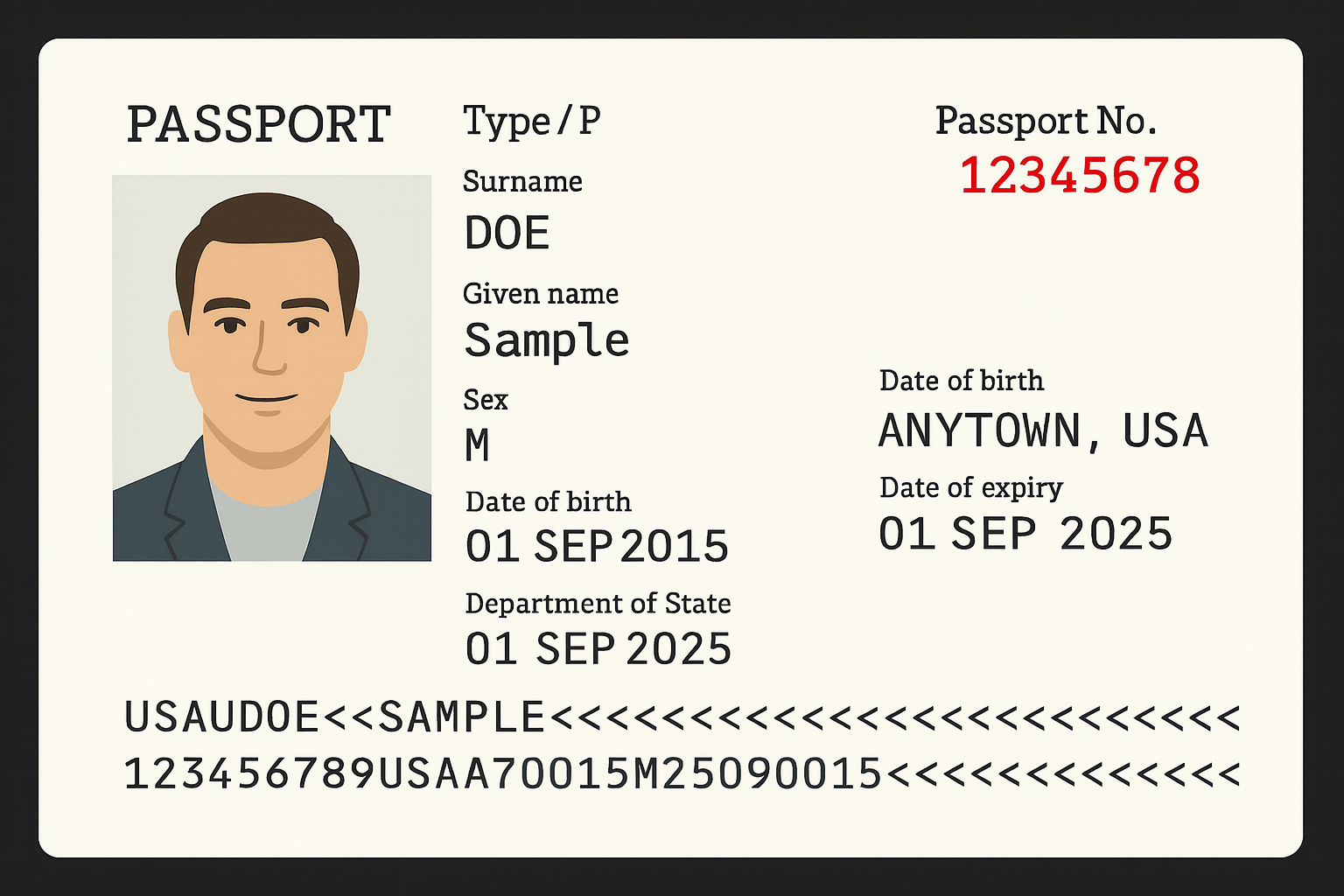
Australian applicants generally need to upload a recent portrait photograph in addition to the passport data-page image.
The portrait photo should normally show:
The photograph should be suitable for official identification.
Avoid using:
A phone camera can be used when the resulting image is clear and meets the requirements. Ask another person to take the photo where possible, or position the camera directly in front of the face rather than holding it at an obvious selfie angle.
Do not make excessive changes to facial features, skin texture or background. The photograph should represent the applicant accurately.
In addition to passport documents and photographs, applicants should prepare basic travel information before starting the online form.
This commonly includes:
The intended entry date is particularly important because the visa validity may begin from the date approved on the visa rather than the applicant’s actual arrival date.
The entry checkpoint should also be selected carefully. It should correspond with the airport, land border or seaport the traveller expects to use.
Before choosing a checkpoint, review the flight or travel route. For example, a traveller flying into Ho Chi Minh City should not accidentally select an entry point in Hanoi.
If the itinerary may involve leaving Vietnam and returning during the visa validity period, the applicant should also consider whether a multiple-entry visa is required.
Preparing this information in advance prevents the applicant from making rushed decisions while completing the form.
Confirmed flight tickets and hotel bookings are not always mandatory documents for submitting a standard Vietnam eVisa application.
However, keeping the following information available is useful:
These details can help applicants complete the form accurately and may be useful if additional information is requested.
Travellers should not necessarily purchase expensive, non-refundable bookings solely to complete a visa application.
A reasonable travel plan or expected accommodation address may be sufficient where the form requests itinerary information. Requirements can depend on the application circumstances and the service being used.
If the travel schedule changes after submission, applicants should check whether the new arrival date and entry point remain consistent with the approved visa.
Preparing the documents in a logical order can make the online application faster and reduce mistakes.
Confirm that the passport is valid, undamaged and suitable for the intended journey.
Make sure the traveller will use the same passport when entering Vietnam.
Photograph or scan the information page.
Check that:
Use a recent front-facing image with a clear face, simple background and no glasses.
Save the file in a location that is easy to access during the application.
Decide the intended entry and departure dates.
Choose dates that reasonably cover the planned trip and allow for minor itinerary changes where appropriate.
Confirm the airport, land border or seaport the traveller expects to use.
Do not select a checkpoint without comparing it with the actual booking or planned route.
Use an email account that can be checked regularly.
The applicant may receive:
Check the spam and junk folders during processing.
Have an accepted card or other supported online payment method ready.
Make sure the payment can be completed and that sufficient funds are available.
Before submission, compare every field with the passport.
Check the spelling, passport number, dates, nationality, email and entry checkpoint.
Australian travellers can submit their application through:
Complete the form carefully and upload the prepared files.
Keep the application number, confirmation message, payment record and any registration code.
These details may be needed to check the status or request support.
After approval, download the visa file immediately.
Save it in more than one location and prepare a printed copy before travelling.

Many delays are caused by small document or data-entry errors rather than complicated eligibility issues.
A passport number must match the document exactly.
Pay close attention to characters that may look similar, such as the number zero and the letter O.
The name should follow the passport spelling and order.
Do not replace the legal passport name with a commonly used name.
If the passport information cannot be read clearly, the application may require a new image.
Check the file at full size before uploading.
The complete information page should be visible.
Do not cut off page edges, machine-readable lines or passport details.
Laminated passport pages can reflect light.
Move the passport away from direct flash and take another image if any information is obscured.
The portrait image should show the applicant looking directly at the camera without glasses.
The chosen date should reflect the expected travel schedule.
A visa generally cannot be used before its approved start date.
The checkpoint should match the planned route.
Choosing the wrong location may create difficulties when travelling.
Review all dates, numbers and email details before payment.
Automatic spelling correction can occasionally alter names or place names, so check the completed form manually.
The email must be active and entered correctly.
An incorrect email address may prevent the applicant from receiving updates or the approved visa.
Receiving the approval email is not the final step. The visa should be reviewed carefully before the journey.
Download the eVisa and check:
Compare every important detail with the passport.
If there is an error, contact a visa support service as soon as possible. Do not wait until airline check-in or arrival in Vietnam.
Before departure, prepare:
The original passport used for the application must be presented when travelling.
A printed eVisa is recommended even when a digital version is available. It can be easier to present during airline and immigration procedures and does not depend on battery power or internet access.
The Vietnam eVisa application is relatively simple, but document errors can still delay processing or require a replacement application.
Our team has more than 15 years of experience assisting international travellers with Vietnam visa and entry-related matters.
Our service includes:
You can submit your application through:
A professional review can help identify avoidable mistakes before the application enters processing, especially when the departure date is approaching.
No.
The Vietnam eVisa application is normally completed online. Applicants upload a clear image of the passport information page rather than mailing the original passport.
The original passport must still be carried and presented when travelling.
Yes.
A phone camera can be used as long as the image is clear, well-lit and complete.
Make sure all four corners of the data page are visible and every line of information can be read.
Confirmed tickets are not always required for the standard online application.
However, keeping the intended flight and arrival details available helps ensure that the dates and entry checkpoint are entered correctly.
A confirmed hotel booking is not always mandatory.
If the application asks for an address in Vietnam, applicants should provide their expected first accommodation or another appropriate planned address.
The applicant may be asked to upload a clearer image or correct the application.
A low-quality image can extend the processing time, so it is better to check the file carefully before submission.
Passport-number errors should be addressed immediately.
Depending on the application status and type of error, it may not be possible to change the number directly. A correction or new application may be required.
Contact a visa support provider as soon as the mistake is discovered.
Print a clear copy of the approved eVisa.
Carry it with the original passport and keep an electronic copy on a phone or another device.
Australian passport holders generally need only a small number of essential documents to apply for a Vietnam tourist eVisa: a valid passport, a clear passport data-page image, a suitable portrait photograph, accurate travel dates, the intended entry checkpoint, an active email address and an online payment method.
The application becomes much easier when these materials are prepared before opening the form. Clear images and information that matches the passport exactly can reduce the risk of delays and unnecessary corrections.
After approval, travellers should download the eVisa, check every personal and travel detail, print a copy and carry the original passport used in the application.
Australian travellers who would like their documents reviewed before submission can apply through https://www.vietnamimmigration.com/apply-vietnam-visa/ for professional support throughout the visa process.