Planning a trip to Vietnam from Australia? Applying for a Vietnam tourist eVisa has never been more convenient, with the entire process available online. However, many Australian travellers still have …

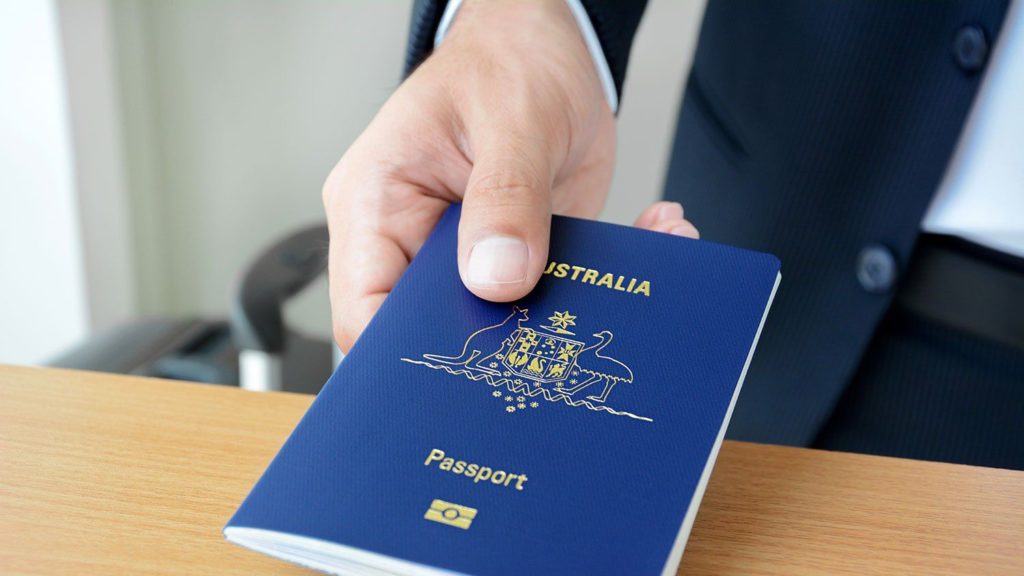
Planning a longer holiday in Vietnam gives you the freedom to explore the country without rushing from one destination to another. Whether you want to spend several weeks travelling from north to south, visit neighbouring countries before returning to Vietnam, or simply enjoy a more flexible itinerary, choosing the right visa is one of the most important parts of your travel planning.
Australian passport holders can apply online for a Vietnam tourist eVisa that is valid for up to 90 days. However, many travellers misunderstand how the 90-day validity works, when the visa period begins, and whether they should choose a single-entry or multiple-entry visa. This guide explains everything you need to know before submitting your application.
Yes. Australian passport holders are generally eligible to apply online for a Vietnam tourist eVisa with a validity of up to 90 days, provided they meet Vietnam’s current immigration and entry requirements.
This option is suitable for Australians planning:
However, “up to 90 days” does not mean every applicant automatically receives a visa covering exactly 90 days.
The final validity period depends on:
Once the eVisa is approved, the dates printed on the document determine the actual period during which it can be used.

The phrase “valid for up to 90 days” means the visa may cover a period of no more than 90 days.
It does not mean that every approved applicant automatically receives 90 days from the date they arrive in Vietnam.
When completing the application, travellers normally need to provide:
The approved visa is then issued for a specific period based on the dates granted.
The visa validity begins on the start date printed on the eVisa. It does not begin:
For example, imagine your visa is valid from:
1 March to 29 May
If you enter Vietnam on 1 March, you can use the full approved validity period.
If you enter Vietnam on 20 March, the visa will still expire on 29 May. The 19 days between 1 March and 19 March are not added back to the end of the visa.
| Actual Entry Date | Visa Expiry Date | Extra Days Added? |
|---|---|---|
| 1 March | 29 May | No additional time needed |
| 10 March | 29 May | No |
| 20 March | 29 May | No |
This is why selecting the intended entry date carefully is essential. A traveller who arrives later than planned may have fewer days available in Vietnam.
Australian applicants can normally choose between a single-entry visa and a multiple-entry visa.
| Visa Option | Suitable For |
|---|---|
| Single-entry visa | One continuous trip to Vietnam |
| Multiple-entry visa | Several entries during the approved validity period |
A single-entry visa allows the traveller to enter Vietnam once.
After leaving Vietnam, the visa is generally considered used, even if the printed expiry date has not yet passed.
A single-entry visa is often suitable for an itinerary such as:
Australia
↓
Vietnam
↓
Australia
A multiple-entry visa allows the traveller to leave and return to Vietnam within the visa’s approved validity period.
It is more suitable for an itinerary such as:
Australia
↓
Vietnam
↓
Cambodia
↓
Vietnam
↓
Australia
In this example, the traveller enters Vietnam twice, so a multiple-entry visa is required.
It is important to understand that an eVisa is not a separate category alongside single-entry and multiple-entry visas.
An eVisa is the electronic method used to apply for and receive the visa online. Through the eVisa process, an eligible traveller may request either:
Before submitting the application, review the entire itinerary rather than considering only the first arrival in Vietnam.

Australian citizens may generally apply for a Vietnam tourist eVisa if they:
A tourist eVisa may not be suitable for applicants who:
A 90-day tourist eVisa is intended for tourism and appropriate short-term activities. It should not be used as a substitute for a work permit, long-term residence document or other specialised immigration permission.
Australian applicants should prepare the required documents before beginning the online form.
The usual requirements include:
The passport information page should be:
The portrait photograph should also meet the required format and quality standards.
Every detail entered in the application should match the passport exactly, including:
Do not use shortened names, nicknames or a different name order from the passport.
Even a small error in the passport number or personal details may cause delays or create the need for a replacement application.
Applying online is straightforward when the travel dates and documents are prepared in advance.
Decide when you expect to enter and leave Vietnam.
Make sure the requested period does not exceed the maximum permitted validity.
Choose single entry if you will remain in Vietnam until the end of your trip.
Choose multiple entry if you plan to leave Vietnam and return during the same visa period.
Have your passport image, portrait photograph, travel dates, entry checkpoint, email address and payment method ready.
You can submit your application through:
Complete all fields carefully and make sure the requested dates reflect your actual travel plan.
Pay the applicable visa and service fees through the available online payment method.
The application may not enter processing until payment is completed successfully.
Monitor your email while the application is reviewed.
Check both the inbox and spam folder in case a request for additional information is filtered automatically.
Once approved, the eVisa is generally delivered electronically.
Download the document as soon as it is received.
Compare the visa with your passport and travel plan.
Check:
If you notice an error, seek assistance before travelling.
Keep a digital copy on your phone and another device or secure cloud account.
You should also print a clear copy for airline check-in and immigration inspection.

Selecting the correct start date is one of the most important parts of a 90-day visa application.
Do not choose a date much earlier than necessary, because the validity period will begin even if you have not yet entered Vietnam.
You should also avoid selecting a start date later than your planned arrival date. A traveller normally cannot use a visa before its official start date.
The most practical approach is to choose a start date close to the expected arrival date.
Depending on the stability of your itinerary, you may consider allowing a small margin of one or two days before the expected flight arrival.
For example:
| Expected Arrival | Possible Start-Date Approach |
|---|---|
| 10 June, confirmed flight | 9 or 10 June |
| 10 June, itinerary may shift slightly | 8 or 9 June |
| Flight date uncertain by one week | Confirm plans before applying |
Choosing an earlier date creates flexibility if the flight changes, but it also uses part of the visa validity before arrival.
Choosing a date that is too late creates the risk that the visa will not be valid when the traveller reaches Vietnam.
If you enter later than the start date, the expiry date will not be extended. The unused days at the beginning are lost.
Vietnam tourist eVisa processing commonly takes around 3 to 5 working days after a complete application and successful payment have been received.
The actual period may be longer during:
Working days normally do not include Saturdays, Sundays or Vietnamese public holidays.
Australian travellers should apply well before departure rather than relying on the shortest possible timeline.
A practical approach is:
| Time Before Departure | Recommendation |
|---|---|
| 2–3 weeks | Recommended |
| 1–2 weeks | Usually workable |
| Less than one week | Consider urgent assistance |
| One or two days | Seek immediate professional assessment |
Urgent services may be available in suitable cases, but faster processing depends on the submission time, document quality, working schedule and individual circumstances.
In general, Australian travellers should not assume that a Vietnam tourist eVisa can be extended after it has been issued.
Extension options may be limited or unavailable depending on current immigration rules and individual circumstances.
For this reason, it is better to request a suitable validity period from the beginning rather than planning to extend the visa later.
Before submitting the application:
If you later decide to stay beyond the approved expiry date, you should investigate another lawful immigration option before the visa expires.
Do not remain in Vietnam after the permitted expiry date. Overstaying may lead to fines, immigration complications or difficulties with future travel.
A 90-day application requires careful attention to the validity dates and number of entries.
A traveller may complete the form correctly in most respects but still choose dates that do not cover the intended stay or select single entry for an itinerary that requires multiple entry.
Our team has more than 15 years of experience assisting international travellers with Vietnam visa applications.
Our services include:
You can submit your application through:
Professional review can help reduce avoidable errors and ensure that the requested validity is aligned with your planned journey.
Australians may stay for the full approved period if the eVisa is issued for 90 days and they enter from the beginning of its validity.
However, the available stay is not automatically calculated as 90 days from the actual arrival date.
If the traveller enters later, the visa will still expire on the date shown on the document.
No.
The visa period begins on the start date printed on the approved eVisa.
It does not begin when you physically enter Vietnam.
Yes, if you have been issued a multiple-entry visa.
A single-entry visa permits only one entry. Once you leave Vietnam, it is normally considered used.
Yes.
Eligible Australian passport holders can generally complete the eVisa application online, upload documents, make payment and receive the approved visa by email.
If your plans change before the application has been approved, seek advice on whether the details can be adjusted or whether a new application is required.
If the visa has already been issued, check whether the new arrival and departure dates remain within the printed validity period.
A change in flight date does not automatically change the visa dates.
No.
A tourist eVisa is intended for tourism and other activities permitted under that visa purpose. It is not intended for long-term employment.
Travellers planning to work should obtain the appropriate visa and employment authorisation.
Australian passport holders can apply online for a Vietnam tourist eVisa with a validity of up to 90 days.
The most important steps are choosing the correct validity period, selecting single or multiple entry based on the complete itinerary, and ensuring that every detail matches the passport.
The visa period begins on the date printed on the approved document. It does not begin on the approval date or the traveller’s actual arrival date. Arriving later will reduce the remaining available stay rather than extending the expiry date.
Applicants should submit their documents early, carefully review the form before payment and check every detail again after the visa is issued.
Travellers who need help choosing the validity period, determining the correct entry option or reviewing their documents can apply through https://www.vietnamimmigration.com/apply-vietnam-visa/ for professional assistance throughout the process.
Planning a trip to Vietnam from Australia? Applying for a Vietnam tourist eVisa has never been more convenient, with the entire process available online. However, many Australian travellers still have …