Australian businesses are becoming increasingly active in Vietnam, with many professionals travelling for meetings, supplier visits, exhibitions, and investment opportunities. If your business trip only lasts a few days, you …

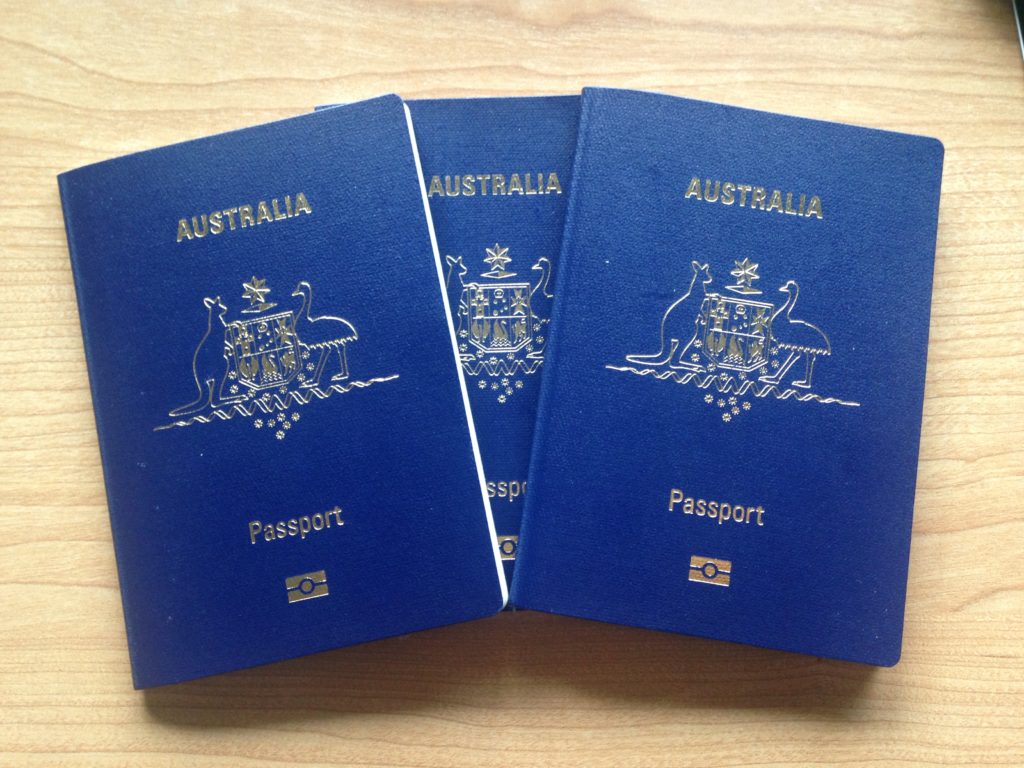
Business ties between Vietnam and Australia continue to grow, bringing more Australian entrepreneurs, company representatives, technical consultants, and investors to Vietnam for meetings, partner visits, factory inspections, market research, and investment discussions. Yet as the departure date approaches, the visa process often becomes one of the most uncertain parts of the entire business trip.
This guide is designed specifically for Australian passport holders planning to stay in Vietnam for up to 90 days for business purposes. It explains the eligibility requirements, required documents, online application process, processing times, common mistakes, and urgent visa options. With the right preparation, Australian business travelers can reduce unnecessary risks and keep their meetings, market visits, and partnership plans on schedule.
Yes. Australian passport holders who are currently outside Vietnam may apply for a Vietnam e-visa valid for up to 90 days, with either single or multiple entry.
A 90-day Vietnam visa may be suitable for Australian citizens traveling for purposes such as:
It is important to understand that a business e-visa allows the holder to enter Vietnam according to the validity dates, permitted entry points, and number of entries stated on the visa.
However, a visa is not the same as a work permit. Australians who intend to take formal employment, receive a salary in Vietnam, or work in the country for an extended period may also need to check whether a work permit, work permit exemption certificate, temporary residence card, or another immigration document is required.
A single-entry visa allows the holder to enter Vietnam once during the visa validity period. After leaving Vietnam, the same visa generally cannot be used for another entry, even if it has not yet expired.
A multiple-entry visa allows the holder to enter and leave Vietnam several times during the approved validity period. This option is more suitable for Australian business travelers who need to travel between Vietnam, Australia, Singapore, Thailand, or other countries.
Applicants should consider their entire business itinerary rather than only their first arrival date. For example, an Australian traveler who plans to attend meetings in Vietnam, visit another country, and return to Vietnam during the same trip may benefit from a multiple-entry visa.

Australian applicants generally need to meet several basic requirements.
Hold a valid Australian passport
The passport must remain valid during the planned trip. To reduce the risk of problems at airline check-in or Vietnamese immigration, travelers are commonly advised to ensure that their passport has at least six months of remaining validity at the time of entry.
Be outside Vietnam when applying
The Vietnam e-visa is primarily intended for foreign nationals who are currently outside the country and plan to enter Vietnam. Applicants who are already in Vietnam should not assume that an overseas e-visa application can be used as a visa extension.
Have a clear and lawful purpose of entry
Applicants should provide an accurate reason for travel, such as attending business meetings, visiting a partner company, conducting market research, or participating in another legitimate commercial activity.
The purpose stated in the application should match the actual travel plan.
Meet Vietnam’s general immigration requirements
Applicants must not fall under any category that may result in entry suspension or refusal under Vietnamese immigration regulations.
Not necessarily.
For an individual online Vietnam e-visa application, the standard process normally focuses on the applicant’s passport information page, portrait photo, personal details, and travel information. A Vietnamese company invitation letter is not always a compulsory document for every individual business e-visa application.
Australian applicants may generally need to provide:
However, an invitation letter, sponsorship documents, or company-related documents may be required for other types of business visas, company-sponsored applications, employment-related visas, or cases where additional evidence is requested.
Applicants should therefore prepare documents according to the exact visa category they are applying for instead of treating every “business visa” as the same application type.
Helpful tip: Checking every application detail before submission, especially the applicant’s full name, date of birth, passport number, entry date, and port of entry, can significantly reduce processing delays.
The documents required for an online e-visa application are usually straightforward. However, each file must be clear, accurate, and compliant with the application requirements.
| Document | Usually Required | Details |
|---|---|---|
| Australian passport | Yes | It should remain valid throughout the trip; at least six months of validity is recommended |
| Passport information page | Yes | A clear, complete, color scan or photo without glare or missing corners |
| Portrait photo | Yes | Front-facing, clear, and taken against a simple background |
| Intended entry date | Yes | Must match the actual travel plan |
| Port of entry | Yes | Must be an entry point that accepts e-visa holders |
| Accommodation or contact details in Vietnam | As requested | A hotel, company, or other genuine contact address may be used |
| Vietnamese company invitation letter | Depends on visa type | Usually not compulsory for every individual e-visa application |
| Additional supporting documents | Case dependent | May be requested in specific situations |
Applicants should use a clear color scan or high-quality photo showing the entire passport information page.
The following details must be fully visible:
Avoid uploading images that are heavily compressed, blurred, cropped, covered by fingers, affected by glare, or missing part of the passport page.
Even when the information appears partly readable, a poor-quality image may still lead to a correction request or delayed review.
The applicant should face the camera directly, with a clear view of the face.
A recent photo with even lighting and a simple background is recommended. Applicants should avoid using:
The photo should look natural and professional and should accurately represent the traveler.
The most common problems are not always missing documents. They are often incorrect or inconsistent details, including:
Careful review before submission is usually faster and less stressful than trying to correct an application later.
The application process can be divided into six main steps.
First, determine whether you need a visa valid for up to 90 days and whether single or multiple entry is more appropriate.
Australians who plan to enter Vietnam once, complete their meetings, and return directly to Australia may only need a single-entry visa.
Those who expect to leave Vietnam and return during the same visa validity period should consider a multiple-entry visa.
Applicants should also select a validity period that covers the genuine business itinerary. A Vietnam e-visa may be valid for up to 90 days, but this does not mean every traveler must request the full period.
Before completing the application, prepare:
Applicants should also confirm that the passport will remain valid for the intended journey.
Those who plan to renew or replace their passport soon should be cautious about applying with the old passport because the visa details generally need to match the passport used for travel.
Australian applicants may complete the e-visa application themselves or use a professional visa service to assist with preparation, checking, and follow-up.
For travelers with a tight schedule, a complicated itinerary, or concerns about application mistakes, professional support may help reduce avoidable errors.
Applications may be submitted through:
The service team can review passport and itinerary details, identify potential issues involving names, dates, entry points, and entry frequency, and assist with the selected processing option.
Final visa approval and processing decisions remain under the authority of the relevant Vietnamese government agency. Applicants must therefore provide accurate and truthful information.
After submission, applicants should keep the application number, registration code, or confirmation information in a safe place.
They should also monitor:
If a new photo, clearer passport image, or amended detail is requested, it should be provided as soon as possible.
Applicants should avoid submitting multiple applications without first checking the status of the original one, as duplicate applications may create confusion and unnecessary payments.
Once approved, the e-visa should be downloaded and reviewed carefully.
Australian travelers should check:
An incorrect visa should not be used without clarification. Even a small spelling or number error may create difficulties during airline check-in or immigration clearance.
Travelers should print a clear paper copy of the e-visa and also keep a digital copy on a phone or laptop.
At the airport, land border, or seaport, the traveler should present:
The actual entry date must not be earlier than the visa start date or later than the visa expiry date.
The standard Vietnam e-visa process is commonly described as taking several working days.
However, Australian business travelers should not assume that approval will always arrive by a fixed date. Actual processing may be affected by:
For safer planning, applicants may consider the following timeframes:
| Processing Option | Recommended Time Allowance | Suitable For |
| Standard application | Allow at least 5–7 working days or more | Travelers with confirmed plans and sufficient preparation time |
| Urgent assistance | Common service target of approximately 1–2 working days | Travelers with a late meeting invitation or urgent business trip |
| Emergency processing | Some cases may be assessed within hours | Travelers with an imminent flight or highly urgent business need |
Processing within 1–2 working days or several hours usually refers to urgent assistance offered by a visa service provider. It is not a guaranteed government processing time for every applicant.
Availability, eligibility, and completion time depend on the specific case and the final decision of the competent authority.
Common causes of delay include:
The best way to reduce delays is to apply early and review the full application before submission.
Travelers with an urgent departure should state the intended flight time when requesting support rather than waiting until a standard application has already become delayed.
A passport that is close to expiry may create problems during airline check-in or immigration inspection.
Check passport validity before purchasing non-refundable flights or submitting the visa application.
The applicant’s name must be entered exactly as shown on the passport information page.
Do not use:
The passport number, nationality, and date of birth must also be checked carefully.
A passport photo that appears “just readable enough” may still fail to meet review standards.
Make sure the page is complete, clear, properly lit, and free from glare or shadows.
A single-entry visa normally cannot be used to return to Vietnam after the traveler has left the country.
Australians planning several trips to Vietnam within the same 90-day period should select multiple entry when appropriate.
E-visa holders should use an approved airport, land border, or seaport that accepts Vietnam e-visas.
Applicants should not assume that every entry point can be used.
A business visa allows entry for business-related activities, but it does not automatically authorize formal employment in Vietnam.
Australians planning to work, receive income, or stay for long-term employment should check the relevant labor and residence requirements.
Even when standard processing is expected to take only a few working days, corrections, public holidays, or additional review may cause delays.
Apply as soon as the business itinerary is reasonably confirmed.
Receiving the visa does not mean the process is completely finished.
Before departure, check the visa details again, especially:
The online application may appear simple, but for business travelers who need to attend a meeting, sign a contract, or visit a client on time, even a small mistake can become expensive.
A missed flight is only one possible consequence. A delayed visa may also disrupt:
The role of a professional visa service is not to replace the government’s approval authority. Its value lies in helping applicants reduce avoidable errors and manage the application more efficiently.
Our Vietnam Visa Services can support Australian applicants with:
Professional Document Pre-Checking
The team reviews the passport image, portrait photo, personal information, entry date, and port of entry before submission.
Simplified Application Preparation
Applicants do not need to study every form field alone. They can provide the core information and receive guidance on preparing the application correctly.
Standard and Urgent Processing Support
Depending on the travel date and individual case, applicants may request standard assistance, 1–2 working day support, or a more urgent processing assessment.
Final approval time still depends on the competent Vietnamese authority.
English and Chinese Customer Support
Australian applicants, company assistants, and business partners may communicate in English or Chinese according to their needs.
More Than 15 Years of Visa Service Experience
Extensive experience in Vietnam visa and immigration matters helps the team identify common application problems more quickly.
24/7 Assistance
Travelers can seek support for urgent itinerary changes, entry date questions, visa detail checks, and last-minute travel concerns.
Clear Service and Refund Terms
The applicable service conditions, processing scope, and refund terms should be reviewed before payment. Government application fees and professional service fees may be subject to different refund policies.
Australian applicants may submit their details through:
Submitting the passport and itinerary early gives the service team more time to review the information and contact the applicant if corrections are needed.

Yes. Australian citizens may apply for a Vietnam e-visa valid for up to 90 days, with either single or multiple entry, depending on the application and approval.
Not always. For a standard individual e-visa application, the main requirements are generally the passport information page, portrait photo, and travel details. Other business visa categories may require an invitation letter or company sponsorship documents.
Yes. Australian applicants may request a multiple-entry e-visa valid for up to 90 days when their itinerary requires several entries into Vietnam.
The e-visa may be valid for up to 90 days. The permitted stay is determined by the validity dates printed on the visa, not by automatically counting 90 days from the actual arrival date.
Urgent assistance may be available in some cases. Processing options may include approximately 1–2 working days or a more urgent assessment, depending on the situation and approval conditions.
Yes. Eligible applicants may complete the process online by providing the required information, uploading the passport page and photo, paying the applicable fee, and receiving the e-visa electronically after approval.
Travelers must use an approved airport, land border, or seaport that accepts e-visa holders. The intended entry point should be checked carefully before the application is submitted.
Extension or conversion options depend on the visa category, current immigration policy, sponsorship conditions, and the applicant’s circumstances. Travelers should not assume that an extension will automatically be available.
The applicant should review the reason, correct the requested information, or upload a new file as soon as possible. Avoid submitting several new applications without first checking the original application status.
It is advisable to allow at least 5–7 working days and preferably more. Applying early gives the applicant time to deal with corrections, weekends, public holidays, or unexpected delays.
Australian citizens can apply for a Vietnam e-visa valid for up to 90 days, with either single or multiple entry.
For an eligible online application, the main requirements are usually a valid passport information page, a compliant portrait photo, and accurate travel information. A Vietnamese company invitation letter is not necessarily required for every individual e-visa application.
The most common problems are caused not by the number of documents, but by incorrect information. Checking passport validity, visa dates, entry frequency, and the selected port of entry can significantly reduce the risk of travel disruption.
Australians with an urgent business trip, a complicated itinerary, or concerns about application accuracy may submit their information through https://www.vietnamimmigration.com/apply-vietnam-visa/ for professional support.
Preparing early allows more time for document checks, corrections, and additional requests, helping your Vietnam business trip begin smoothly.
Australian businesses are becoming increasingly active in Vietnam, with many professionals travelling for meetings, supplier visits, exhibitions, and investment opportunities. If your business trip only lasts a few days, you …
Business travel between Australia and Vietnam has grown significantly in recent years as more Australian companies expand their operations, explore investment opportunities, source products, and strengthen partnerships across Southeast Asia. …
Many Australian business travelers have heard claims that a Vietnam business visa can be approved within just one day. Whether it’s an unexpected client meeting in Ho Chi Minh City, …
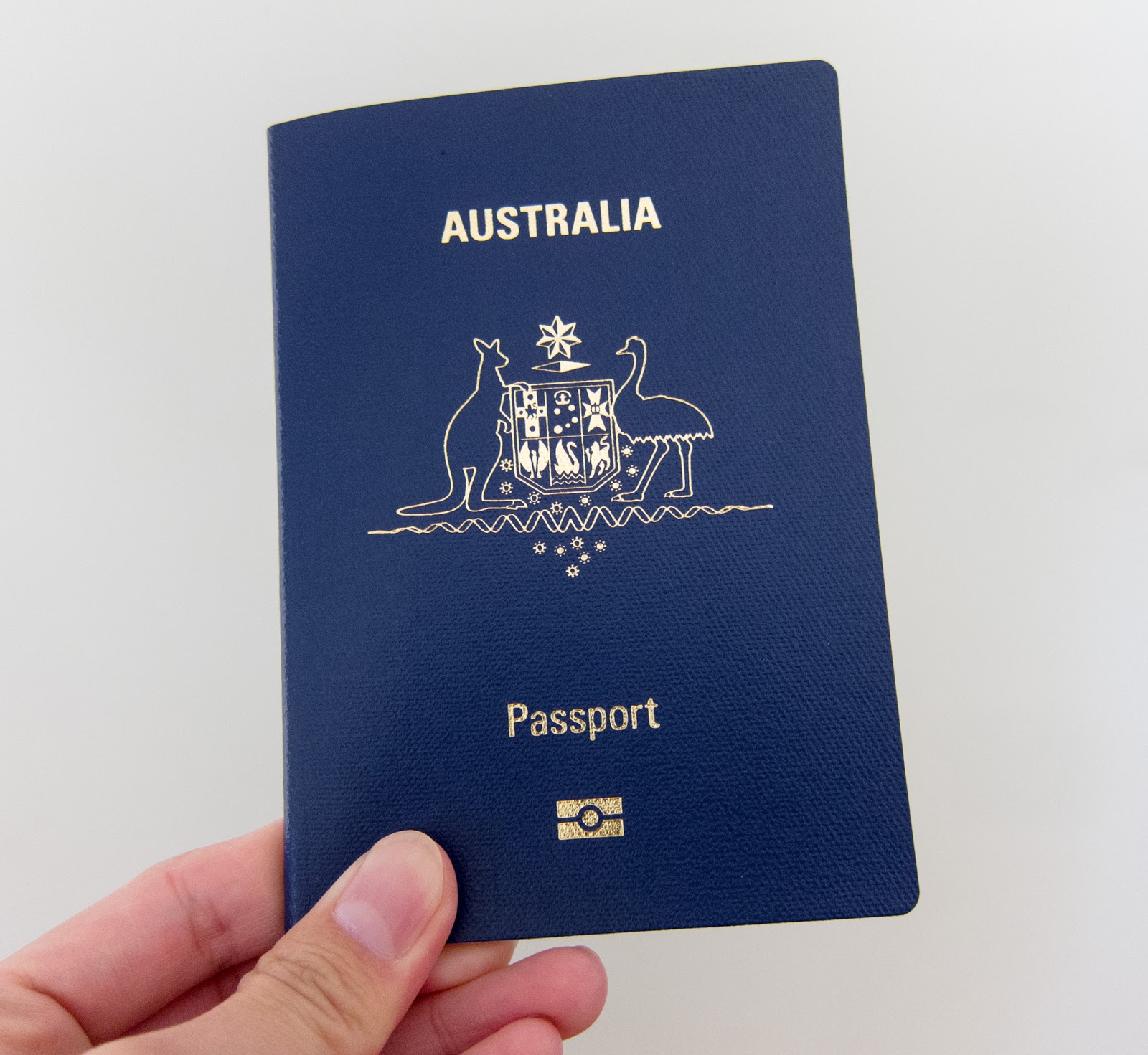
Imagine receiving an invitation to an important business meeting in Vietnam just a few days before departure. Your flights are already booked, your hotel is confirmed, and your schedule is …
Your trip to Vietnam is just around the corner. Flights are booked, hotels are confirmed, and your itinerary is finally coming together. Then suddenly, you realize your Vietnam E-Visa hasn’t …
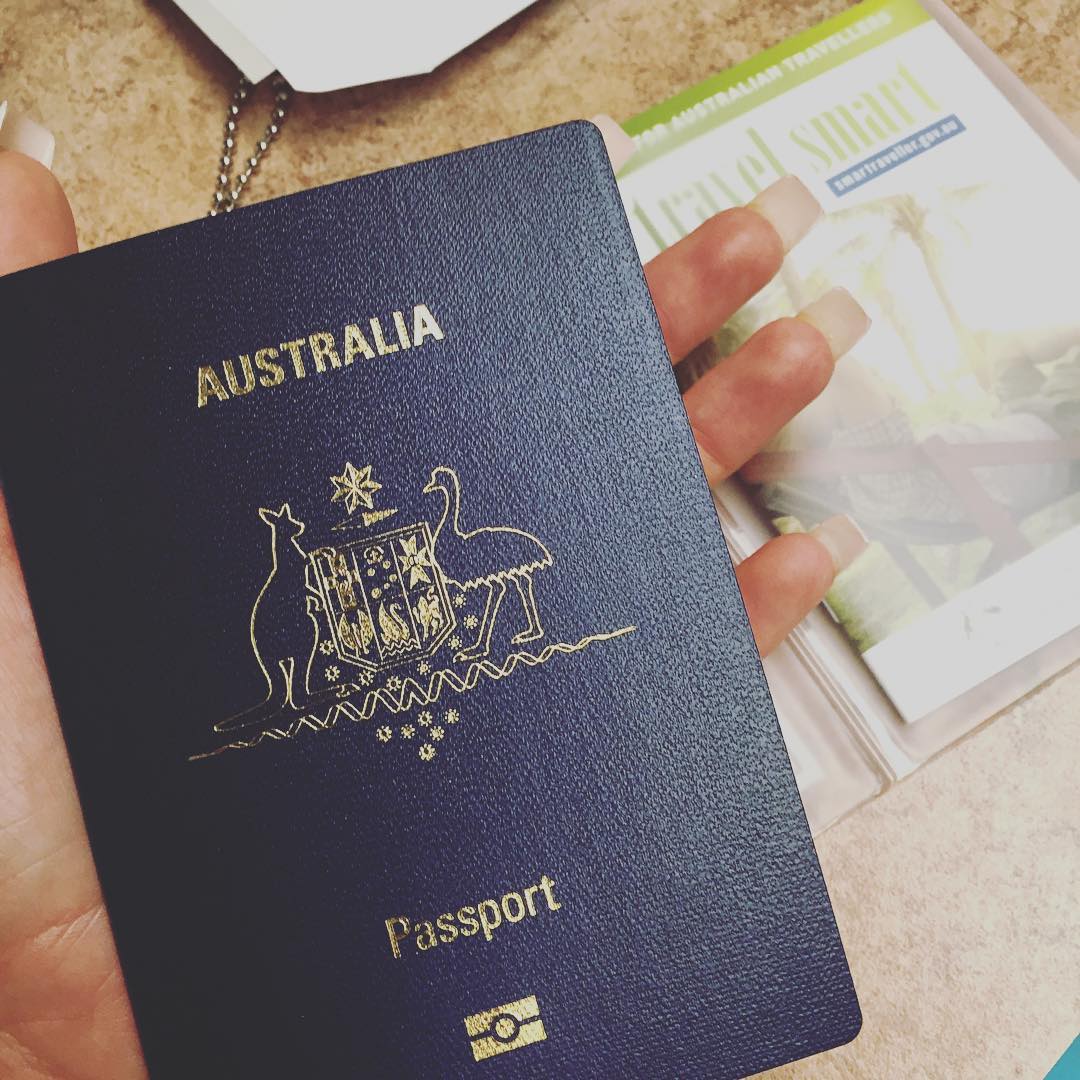
Travelling from Australia to Vietnam has never been more popular, whether for holidays, business meetings, family visits, or cultural experiences. However, one overlooked detail can quickly turn an exciting journey …
You’ve already submitted your Vietnam e-visa application… but your departure date is getting dangerously close. Maybe your flight is in just a few days — or worse, just a few …
Imagine this situation: you are an Australian traveller preparing to fly to Vietnam tomorrow. Your flights are booked, your hotel is confirmed, and your luggage is already packed. Everything seems …
You’re an Australian citizen planning your dream vacation or a critical business trip to Vietnam. You’ve done your research, booked your flights, and maybe even drafted your itinerary. But there’s …