Your flights are confirmed, your hotel rooms are reserved, and your Vietnam itinerary may already include Hanoi’s historic neighbourhoods, the lantern-lit streets of Hoi An, the beaches of Da Nang, …

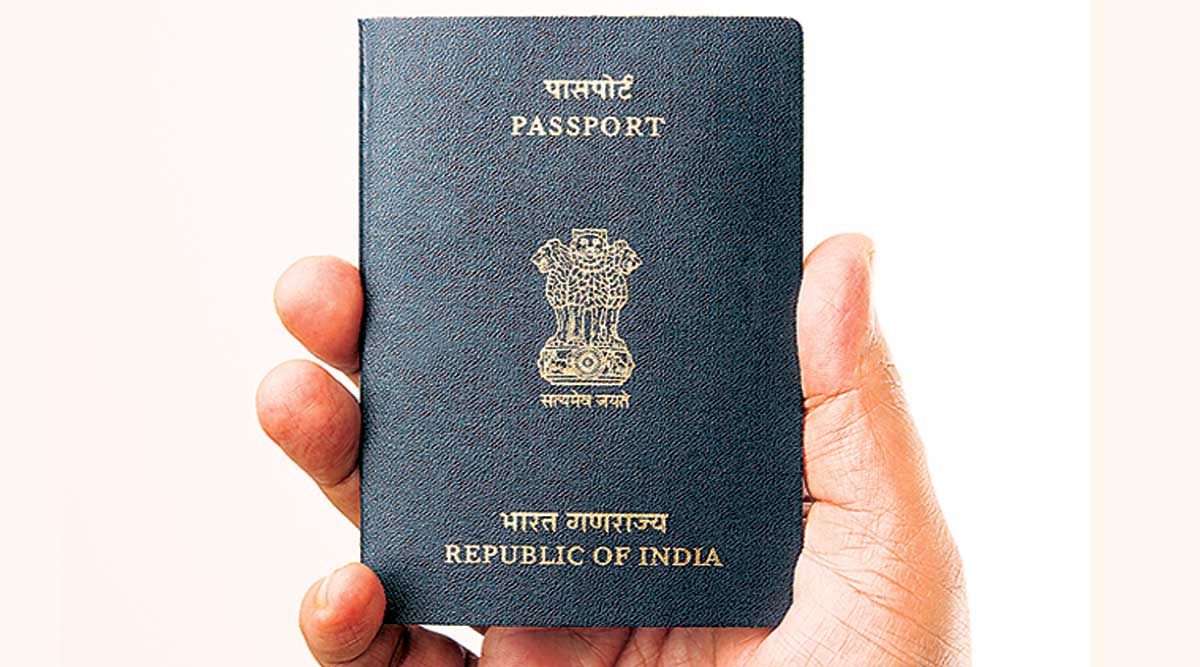
Planning a holiday from India to Vietnam? Before finalising your flights, hotels, and sightseeing plans, securing the correct tourist visa should be one of your first priorities. Vietnam’s online eVisa system has made the process considerably easier, but inaccurate passport details, unsuitable photographs, or incorrectly selected travel dates can still delay an application and place an otherwise well-organised trip at risk.
Fortunately, most visa problems can be prevented with careful preparation. This guide explains how Indian passport holders can obtain a Vietnam tourism visa, which documents they should prepare, how the application process works, what fees and processing times to expect, and which common errors to avoid before travelling.
Yes. Indian citizens travelling to Vietnam for tourism generally need to obtain a valid visa before departure. India is not included among the countries currently receiving Vietnam’s general unilateral tourist visa exemption, so holders of ordinary Indian passports should not expect visa-free entry for a standard trip covering mainland destinations such as Hanoi, Ho Chi Minh City, Da Nang, Hoi An, Nha Trang, or Ha Long Bay.
For most Indian holidaymakers, the Vietnam eVisa is the most convenient option. Vietnam’s official system currently allows foreign nationals outside the country to apply online, and eVisas may be issued for up to 90 days with either single or multiple entry.
The two main choices are:
A single-entry visa is normally sufficient when the entire holiday takes place within Vietnam. For example, a traveller may arrive in Ho Chi Minh City, continue to Da Nang and Hoi An, and leave from Hanoi without exiting the country.
A multiple-entry visa is more appropriate when the itinerary includes travelling from Vietnam to Cambodia, Thailand, Singapore, Laos, or another destination and then returning to Vietnam before flying back to India.
Travellers should not assume that every approved eVisa automatically provides a full 90-day stay. The document will show the exact validity period requested and approved, including its start date, expiry date, and permitted number of entries. You cannot normally enter before the effective date or remain after the visa expires.
A limited exception may apply to travellers visiting only Phu Quoc Island. Foreign passport holders may stay on the island without a visa for up to 30 days when they meet the applicable conditions and do not travel elsewhere in Vietnam. This exemption should not be treated as permission to visit the Vietnamese mainland.
If your itinerary includes Phu Quoc together with Ho Chi Minh City, Hanoi, Da Nang, or any other destination in Vietnam, obtain the appropriate visa before departure.
The online application may appear simple, which sometimes leads travellers to complete it too quickly. However, every personal detail submitted becomes part of the official visa record and must correspond accurately with the passport used for travel.
A misspelled name, incorrect passport number, inaccurate date of birth, unsuitable portrait, or unclear passport scan may prevent the application from moving forward as expected.
Indian passport holders should pay particular attention to the full name shown on the passport data page. Applicants sometimes omit part of a longer name, reverse the surname and given-name fields incorrectly, or enter a familiar short name instead of the full legal version shown in the passport.
Even when the difference appears minor, it may create a mismatch between the visa and the traveller’s identity document.
Travel dates are another common source of difficulty. Flights from cities such as Delhi, Mumbai, Bengaluru, Chennai, Kolkata, Hyderabad, or Ahmedabad may involve a connection or an overnight journey. The date of departure from India may therefore differ from the local arrival date in Vietnam.
The requested visa start date should be based on the traveller’s expected arrival date in Vietnam rather than the date the journey begins in India.
Document quality can also affect processing. Vietnam’s official application instructions require a passport data-page image and a clear, front-facing portrait without glasses. Missing, incorrect, or unidentifiable information may prevent an application from being accepted.
The consequences are particularly stressful when non-refundable flights, accommodation, domestic transport, and tours have already been booked. Without an approved visa, an airline may refuse to allow a passenger to board a Vietnam-bound flight.
Vietnam’s official immigration guidance lists a general eVisa processing period of three working days. However, this should not be treated as a guaranteed completion deadline for every application. Corrections, replacement files, payment problems, weekends, public holidays, or higher application volumes may extend the practical timeline.
Indian travellers should therefore submit their applications well before departure. Applying at least 10 days in advance provides a more comfortable margin for unexpected issues. A longer buffer is sensible during popular travel periods and around Vietnamese public holidays.
One incorrect digit in the passport number or a discrepancy in the legal name, date of birth, nationality, or passport expiry date may make the visa inconsistent with the passport.
Airline staff and immigration officers may compare both documents carefully. A visa containing incorrect identifying information may not be accepted simply because the mistake appears small.
How to avoid it: Keep your passport open while completing the form. Compare every field with the data page before paying and submitting the application.
Some travellers apply for single entry without realising that their itinerary includes leaving Vietnam and returning later.
Once the holder exits Vietnam after using a single-entry visa, that visa normally cannot be used for another entry, even if its printed expiry date has not yet passed.
How to avoid it: Review the complete journey, including regional side trips. Select multiple entry if you expect to return to Vietnam after visiting another country.
A photo may be unsuitable when it is blurry, poorly lit, heavily edited, taken against a distracting background, or shows the applicant wearing glasses or an accessory covering the face.
A casual selfie taken for social media may not meet document-photo expectations.
How to avoid it: Use a recent, clear, front-facing portrait with a simple background and no glasses. Vietnam’s official instructions specifically request a straight-looking photograph without glasses.
The eVisa is valid only during the period shown on the approved document. A traveller cannot normally enter Vietnam before the visa’s effective date.
Overnight flights and international connections can cause applicants to confuse their Indian departure date with their Vietnamese arrival date.
How to avoid it: Check the scheduled local arrival date in Vietnam before selecting the beginning of the requested visa period.
A passport nearing expiry may not support the requested visa period or may create difficulties with airline or immigration checks.
Vietnam’s official eVisa FAQ states that the visa must expire at least 30 days before the passport itself expires. Travellers should also check whether their airline applies additional validity conditions.
How to avoid it: Review the passport expiry date before applying. Renew the passport first when its remaining validity may not be sufficient for the requested visa and complete journey.
A passport image with glare, shadows, cropped edges, or unreadable text may not provide enough information for verification.
The complete data page should be visible, including:
How to avoid it: Scan or photograph the page in even lighting. Open the image at full size before uploading it and confirm that every detail is easy to read.
Some travellers rely on the standard three-working-day estimate and submit their applications only a few days before departure.
That leaves little time to resolve a failed payment, incorrect field, unsuitable image, or request for additional information.
How to avoid it: Apply at least 10 days before departure whenever possible. Leave a longer margin for family applications, non-refundable bookings, or travel around holidays.
Third-party providers differ significantly in quality. Some offer thorough document review and responsive assistance, while others provide unclear pricing or limited help after payment.
Applicants should also distinguish between the official government visa fee and the separate service charge collected by a private provider.
How to avoid it: Confirm the total cost, processing conditions, document-review service, support channels, and applicable refund terms before making payment.
Confirm that you will travel using a valid ordinary Indian passport and that tourism is the purpose of your visit.
Vietnam’s electronic visa is available to citizens of all countries and territories and may be issued for up to 90 days with single or multiple entry.
Next, review your full itinerary and decide:
Before opening the form, gather:
Preparing everything in advance makes the application easier to complete accurately and consistently.
Enter every personal and travel detail exactly as it appears in the passport and itinerary.
Indian travellers seeking professional assistance may submit an application through:
Travellers may also apply independently through Vietnam’s official national eVisa system, which is operated by the Immigration Department under the Ministry of Public Security.
Pay particular attention to:
Do not rely entirely on browser autofill, autocorrect, or information remembered from a previous passport.
Upload a clear copy of the passport data page and a compliant portrait.
The passport image must be complete and readable. Do not:
The portrait should show the applicant looking directly at the camera, without glasses and without anything obscuring the face.
Open both files after uploading them to confirm that they remain clear.
Complete payment through an accepted online method.
Vietnam’s official eVisa fees are currently:
The official system states that visa and electronic payment fees are not refunded when an application is refused.
A private provider may charge additional fees for:
Review the complete price before confirming the transaction.
Save the registration code or application reference and regularly check the email address used in the form.
The official process generally lists three working days for processing. Applicants can use their registration code, email address, and date of birth to check the result.
If a clearer document, corrected detail, or further explanation is requested, respond promptly. Delayed responses may push the application closer to the departure date.
Once approved, download the eVisa immediately and verify:
Print at least one paper copy. The official instructions advise approved travellers to print the eVisa for entering and leaving Vietnam.
Keep another digital copy in your email, phone, or secure cloud storage.
If anything is incorrect, contact the relevant application channel before travelling. Do not wait until airline check-in to raise the issue.
Travel with the same Indian passport used in the application and carry a printed copy of the approved eVisa.
The documents may be checked during airline check-in and again at the Vietnamese immigration counter.
Keep the following readily available:
Vietnamese eVisas may be used only through approved international airports, land crossings, and seaports. Confirm that your intended checkpoint accepts eVisas before finalising transport.

Preparing all materials before starting the application reduces interruptions and helps prevent missing or inconsistent details.
Indian travellers should have:
The passport image should clearly display:
Use an email address you monitor frequently. Application updates, correction requests, and approval information may be sent electronically.
Before submission, confirm that you have:
A careful final review may prevent days of avoidable complications.
Processing time depends on the application route, the accuracy of the information, and whether the traveller requests additional assistance.
| Processing Type | Estimated Time | Suitable For |
|---|---|---|
| Standard | Generally around 3–5 working days | Travellers planning well ahead |
| Urgent | Commonly around 1–2 working days, subject to eligibility | Short-notice journeys |
| Emergency | Potentially within several hours for eligible cases | Imminent departures |
Vietnam’s official eVisa process generally lists a three-working-day processing period. However, the estimate should not be interpreted as a guarantee that every application will be completed within exactly three days.
Processing may take longer when:
Urgent and emergency options are generally support services offered by private providers rather than universal government processing categories.
Availability may depend on:
For a less stressful experience, Indian travellers should submit their applications at least 10 days before departure. Those travelling during major Indian or Vietnamese holiday periods should apply even earlier.
The total cost depends on the number of entries, application route, processing speed, and optional assistance selected.
The official government eVisa fees are:
These fees are shown on Vietnam’s official electronic visa platform and are generally non-refundable if the application is refused.
When using a professional provider, the final amount may also include:
Before paying, determine exactly what the quoted amount covers.
A low-cost service may include only basic form submission. A more comprehensive option may provide:
Travellers who are familiar with online government applications and have plenty of time may prefer to apply independently.
First-time visitors, families submitting several applications, travellers with multi-country itineraries, or passengers leaving soon may place greater value on professional review and responsive support.
The cheapest advertised option is not necessarily the most suitable when an error could affect non-refundable flights and accommodation.

Indian travellers may apply independently through the official eVisa platform or use a professional service for additional support.
| Apply Yourself | Professional Visa Service |
|---|---|
| Lower initial cost | Guidance throughout the process |
| Review your own documents | Professional checks before submission |
| Monitor the application independently | Status monitoring and support |
| Resolve problems yourself | Assistance identifying common errors |
| Suitable for confident, early applicants | Useful for first-time or urgent travellers |
Applying independently may be a practical choice when you are comfortable with online forms, understand the requirements, and have enough time before departure.
However, self-applicants remain responsible for:
For Indian travellers who value convenience or require time-sensitive assistance, VietnamImmigration.com provides application guidance, document review, simplified preparation instructions, expedited options for eligible cases, and 24/7 customer support.
The service may be particularly useful for:
Professional assistance cannot replace the authority of Vietnam’s Immigration Department or independently guarantee approval. Its practical value lies in reducing preventable mistakes and helping applicants understand each stage of the process.
Receiving the approved visa is not the final preparation step. Organising your documents before leaving India can make airline check-in and arrival procedures considerably smoother.
Print at least one copy of the approved eVisa and keep a digital backup.
Before travelling, compare the visa with the passport one final time. Confirm:
At the airport, keep the following easily accessible:
After landing, follow the airport signs to immigration and have the passport and eVisa ready before reaching the counter.
Once immigration formalities are complete, collect your baggage and proceed through customs. Declare goods when required under the applicable regulations.
International arrival halls can become crowded when several flights land around the same time. Travellers who prefer assistance or want to reduce waiting may consider a Vietnam Airport Fast Track Service.
This can be particularly helpful for:
The exact service scope varies by airport and provider. Confirm whether a package includes meet-and-greet assistance, immigration support, baggage help, or other features before booking.
Keep your passport and visa secure throughout your stay. Hotels commonly need passport details to register foreign guests, so storing a protected digital copy may also be useful.
Yes. Vietnam’s eVisa programme is available to citizens of all countries and territories, including Indian passport holders. The eVisa may be valid for up to 90 days with single or multiple entry.
Applying at least 10 days before departure is recommended as a practical safety margin.
Although the official process lists three working days, additional time may be needed if documents or information require correction.
The approved visa contains a specific start and expiry date.
You may enter on or after the effective date, but not before it. If the revised arrival date remains within the approved validity period and complies with the permitted number of entries, the visa may still suit the journey.
A new application may be needed when the revised trip falls outside the approved dates.
A child travelling on an individual Indian passport generally needs a separate visa linked to that passport.
Parents should carefully review each child’s full name, date of birth, passport number, photograph, and approved validity period.
Yes, provided they obtain a multiple-entry eVisa.
A multiple-entry visa is appropriate when a traveller leaves Vietnam and returns within the approved period. A single-entry visa normally cannot be reused after the first departure.
Review the submission for:
Correct the issue before filing another application. The official fee is generally not refunded when an application is refused.
When departure is close, professional support may help identify the problem and determine whether expedited assistance is available.
Travel insurance is not listed as a standard document in the basic official eVisa instructions.
However, travellers should consider suitable insurance for medical expenses, cancellations, missed connections, lost luggage, and emergency assistance.
No. EVisas may be used only at Vietnam’s designated international airports, land border crossings, and seaports.
Confirm that your intended checkpoint is eligible before booking flights or ground transport.
Contact the relevant application channel or visa provider immediately.
Do not assume that airline or immigration staff will overlook an incorrect name, passport number, nationality, validity date, or entry type.
Depending on the nature of the error, a new application may be necessary.
Foreign passport holders may be eligible to remain on Phu Quoc Island visa-free for up to 30 days under the island’s specific conditions.
This does not provide permission to travel elsewhere in Vietnam. If your itinerary includes another Vietnamese destination, obtain an appropriate visa before travelling.
Obtaining a Vietnam tourist visa is generally straightforward for Indian travellers, but careful attention to detail is essential. Incorrect passport data, incomplete names, unsuitable images, poorly selected dates, or the wrong entry type can turn a routine online application into a costly travel problem.
Apply early, prepare clear documents, choose the entry option that matches your full itinerary, and review every field before payment. Once approval arrives, print the eVisa, compare it with the passport, confirm the entry checkpoint, and keep all supporting travel documents easily accessible.
Indian travellers who prefer additional guidance may use VietnamImmigration.com for application assistance, document review, expedited options for eligible cases, and continuous customer support. Whether you apply independently or use professional help, accurate information and early preparation remain the best ways to avoid delays and begin your Vietnam holiday with confidence.

Your flights are confirmed, your hotel rooms are reserved, and your Vietnam itinerary may already include Hanoi’s historic neighbourhoods, the lantern-lit streets of Hoi An, the beaches of Da Nang, …
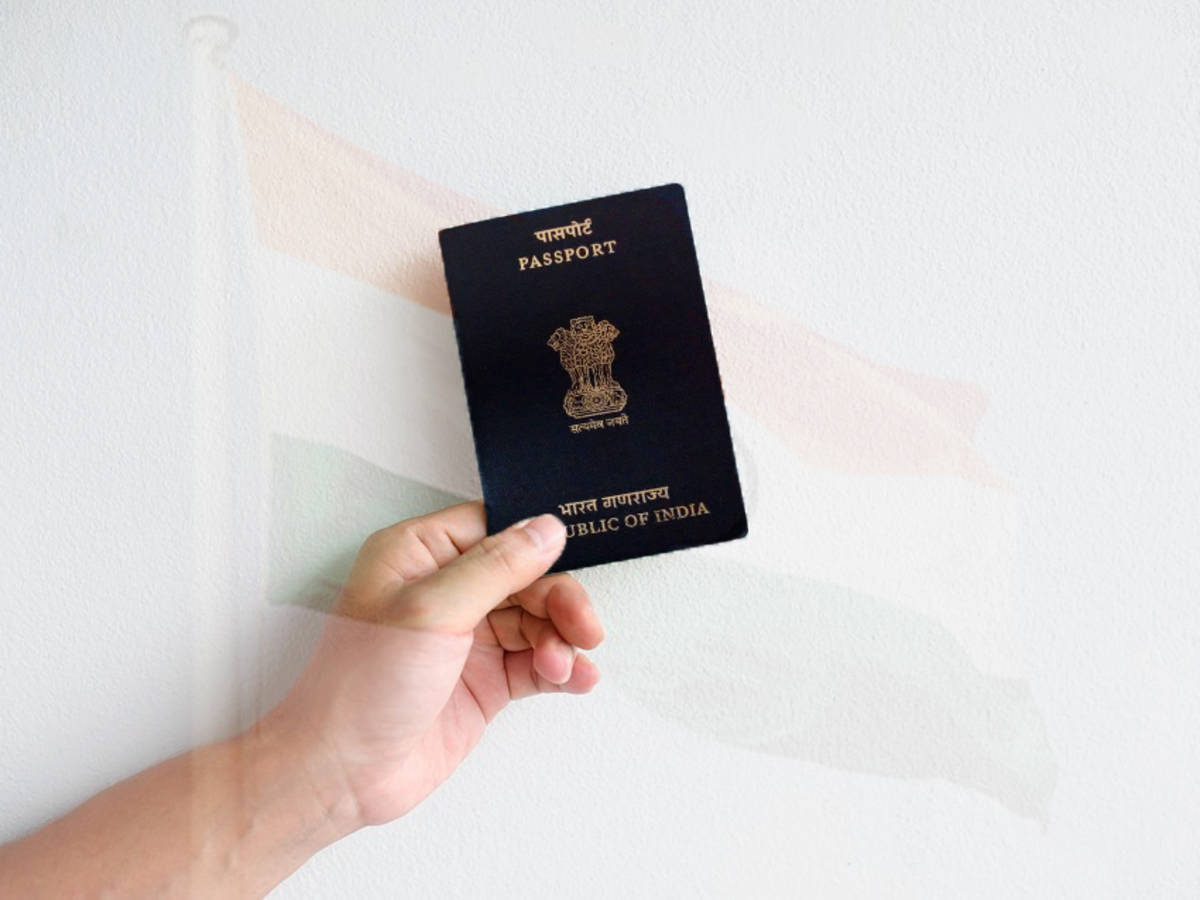
Vietnam has become one of the most popular international destinations for Indian travelers, whether for leisure, business meetings, cultural exploration, or short vacations. However, not every trip is planned weeks …
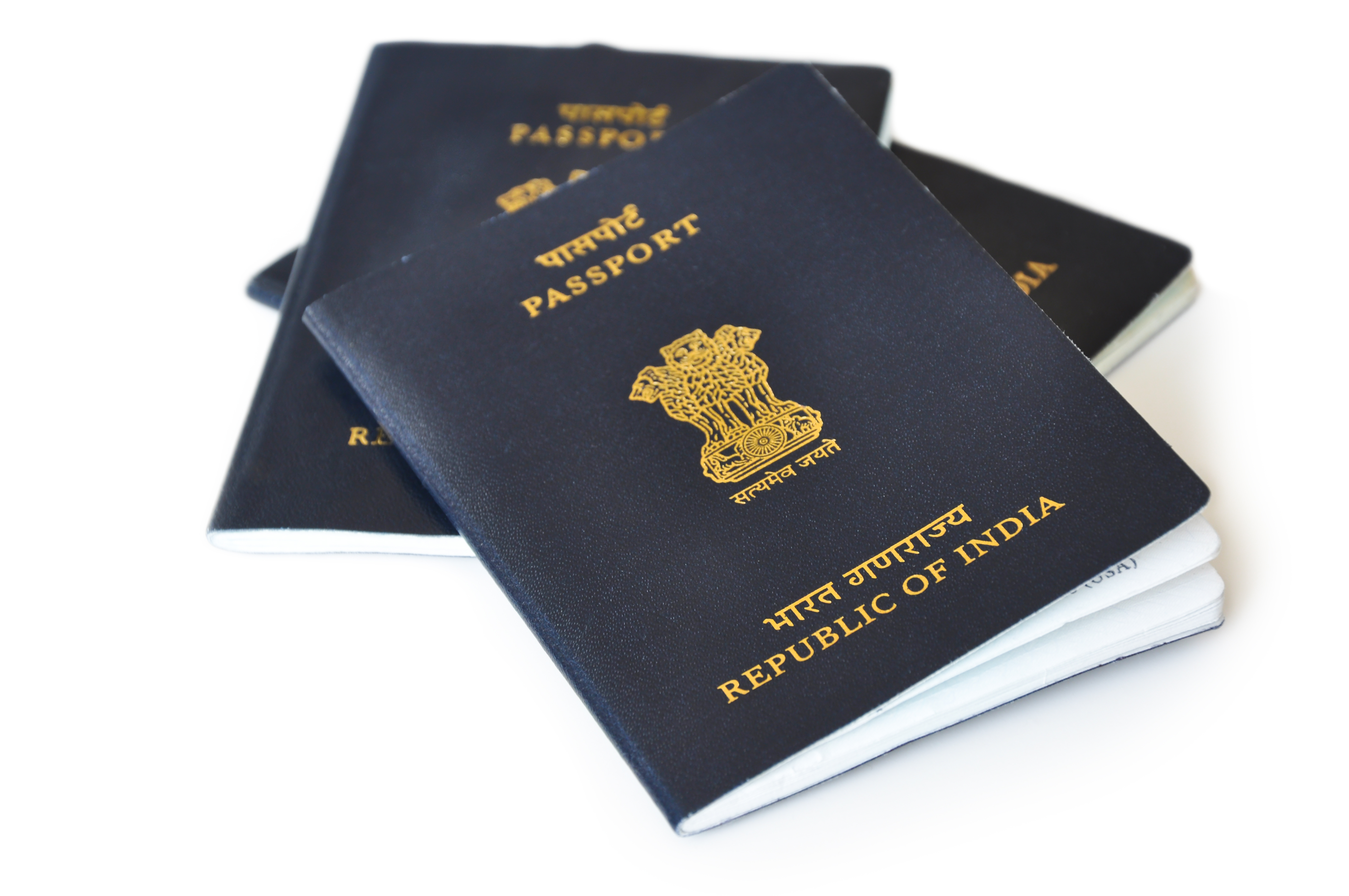
Imagine arriving at the airport only to discover that you forgot to apply for your Vietnam visa. It’s a stressful situation, but one that many Indian travelers experience every year. …
Vietnam has become an increasingly popular destination for Indian travellers, attracting holidaymakers, business visitors, families, conference delegates and people looking to explore the country’s culture, cuisine and natural scenery. Yet …
Finding out that your Vietnam visa is still not approved just a few days before your flight can instantly turn your travel excitement into stress and panic. Many Indian travellers …
There are very few travel situations more stressful than realising you still do not have a visa just a few hours before your international flight. For Indian travellers visiting Vietnam, …
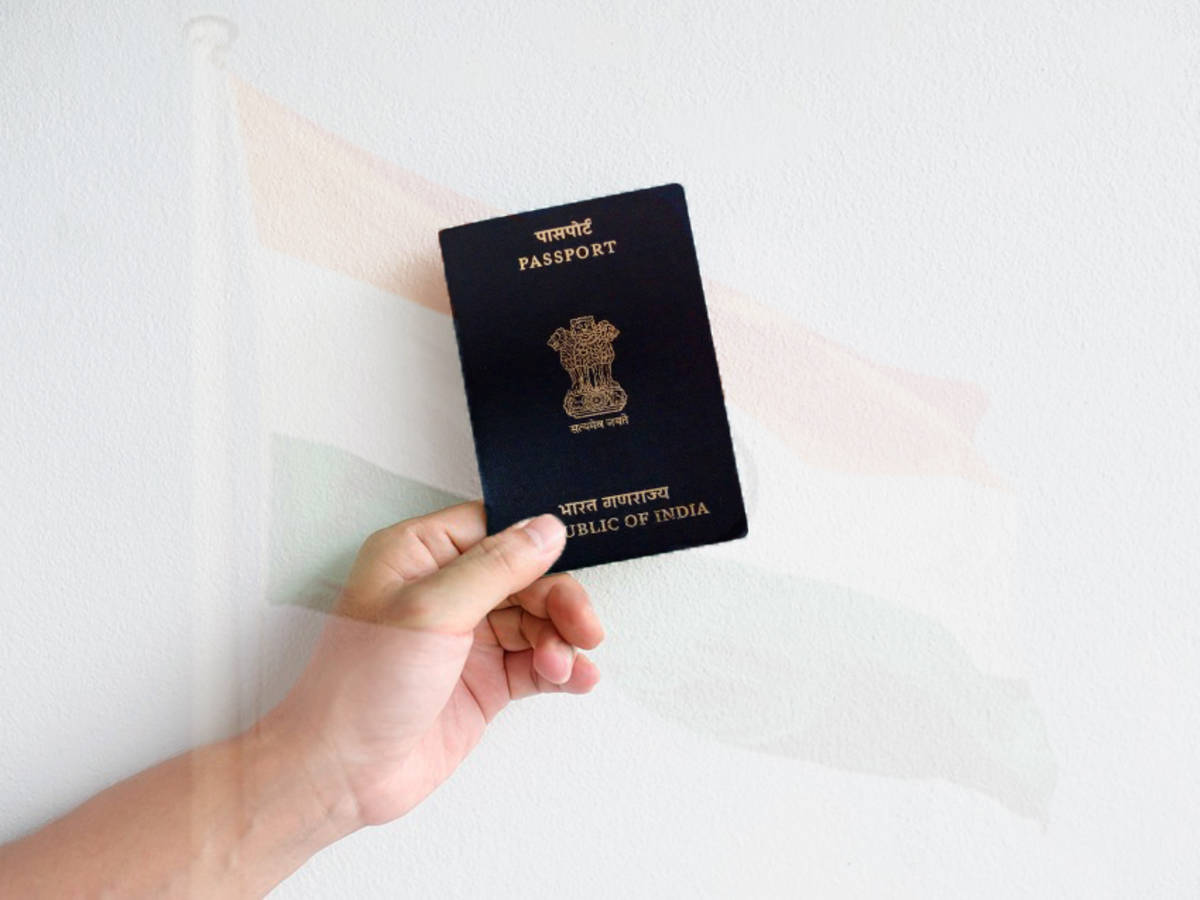
You have already submitted your Vietnam e-visa application, but now your travel date is coming closer with each passing day. Maybe your flight is just a few days away—or even …
Travelling abroad is always exciting, but sometimes small details can be overlooked until the last moment. Imagine you are an Indian traveller preparing to fly to Vietnam tomorrow. Your flight …
You’re an Indian citizen with an urgent plan to visit Vietnam? Maybe it’s a sudden business trip, a spontaneous vacation, or just that your visa process slipped through the cracks. …