Travel from New Zealand to Vietnam continues to attract holidaymakers, business visitors, families, and travellers looking to experience the country’s food, culture, and landscapes. However, an overlooked visa requirement can …

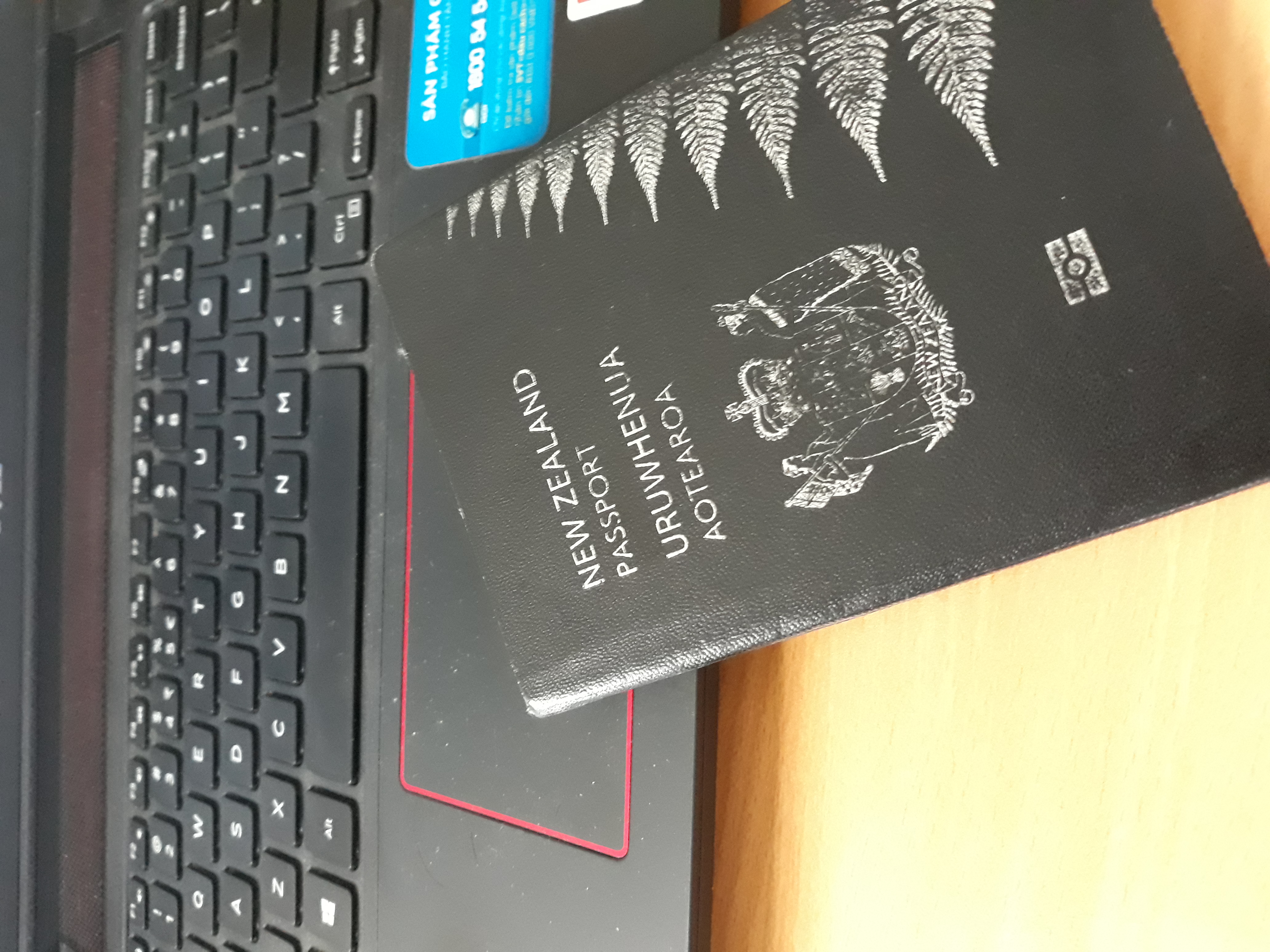
Planning a holiday in Vietnam from New Zealand? Before finalising your flights and accommodation, securing the correct tourist visa should be one of your first priorities. Vietnam’s electronic visa system makes the process relatively convenient, but small application errors can still cause delays, rejected submissions, or last-minute disruption to your travel plans.
The application is usually straightforward when you understand the requirements and prepare everything carefully. This guide explains how New Zealand passport holders can apply for a Vietnam tourism visa, avoid common mistakes, select the appropriate entry option, and arrive in Vietnam with the correct documents.
Yes. New Zealand citizens travelling to Vietnam generally need a valid visa before entering the country. New Zealand’s official SafeTravel guidance states that New Zealanders must obtain an appropriate visa and should make sure every detail on the visa matches their passport. Errors may result in refused entry.
For most holidaymakers, the Vietnam eVisa is the easiest and most convenient option. It allows eligible travellers outside Vietnam to submit an application online without visiting a Vietnamese embassy or consulate.
Vietnam’s electronic visa may be issued for a maximum period of 90 days and is available for either single or multiple entry. The exact period permitted is shown on the approved document, so travellers should not assume that every application automatically provides a full 90-day stay.
The two primary options are:
A single-entry visa is generally suitable for travellers spending their entire holiday in Vietnam. A multiple-entry visa is more appropriate if the itinerary includes leaving Vietnam for Cambodia, Thailand, Laos, Singapore, or another destination before returning.
Travellers should review the approved start and expiry dates carefully. You cannot normally enter Vietnam before the visa becomes valid, and you must leave before the authorised period expires.

The online application may look simple, which can encourage travellers to complete it too quickly. However, each piece of personal and travel information is used to assess the application and must match the passport precisely.
A spelling error in a surname, one incorrect digit in the passport number, an unclear passport scan, or an unsuitable portrait may prevent the application from being processed normally.
Travel dates can also create problems. Because flights from New Zealand to Vietnam frequently involve an overnight journey or a connection, the date you leave New Zealand may not be the same as your local arrival date in Vietnam.
These errors can become expensive once flights, hotels, airport transfers, and tours have already been paid for. Without an approved visa, a traveller may be unable to board their flight or may need to rearrange the entire trip.
Vietnam’s Immigration Department lists a standard eVisa processing period of three working days. However, incomplete or inaccurate information, replacement-document requests, weekends, public holidays, or payment issues can affect the practical timeline.
For this reason, New Zealand travellers should avoid applying only a few days before departure. Submitting the application at least 10 days in advance provides a safer margin for unexpected corrections. Applying even earlier is advisable during popular holiday periods.
An incorrect passport number, misspelled name, inaccurate birth date, or wrong expiry date can create a mismatch between the visa and the passport.
Airline representatives and immigration officers may compare both documents closely. Even a minor error could interfere with boarding or entry.
How to avoid it: Complete the application with your passport open beside you and compare every field before submitting payment.
Some applicants request a single-entry visa without realising their itinerary involves leaving Vietnam and returning later.
Once you depart Vietnam after using a single-entry visa, the document normally cannot be used for another entry—even if its expiry date has not yet passed.
How to avoid it: Review the entire journey, including side trips to neighbouring countries. Select multiple entry when you intend to return to Vietnam.
An unclear image, distracting background, covered face, glasses, strong filters, or heavily edited photograph may not meet the application requirements.
Official instructions request a straight-facing portrait without glasses.
How to avoid it: Use a recent, clear, front-facing photograph with a plain background and no accessories covering your face.
A traveller cannot normally enter Vietnam before the date printed as the beginning of the visa’s validity.
Flights leaving Auckland, Wellington, or Christchurch may arrive in Vietnam on a different calendar date because of flight duration and connections.
How to avoid it: Use the scheduled local arrival date in Vietnam when choosing the visa start date.
A passport that is close to expiry may affect the requested visa period or create difficulties with an airline or immigration authority.
The official eVisa FAQ notes that the visa’s validity must end at least 30 days before the passport expires. Travellers should also check any additional passport-validity conditions applied by their airline.
How to avoid it: Review the passport expiry date before applying and renew it first when the remaining validity may be insufficient.
A passport data page with glare, shadows, cropped edges, or unreadable text may not provide enough information for verification.
The entire data page should be visible, including the photograph, personal details, and machine-readable lines.
How to avoid it: Scan or photograph the page in even lighting and inspect the image at full size before uploading it.
An application submitted shortly before departure leaves little time to deal with a failed payment, unsuitable photograph, incorrect field, or request for further information.
How to avoid it: Apply at least 10 days before departure whenever possible. Leave a longer buffer for public holidays or non-refundable trips.
Third-party services differ considerably. Some provide thorough document checks and responsive support, while others offer unclear pricing or little assistance once payment has been made.
How to avoid it: Review the total price, processing terms, document-review service, customer-support options, and refund conditions before choosing a provider.
Confirm that you will travel using a valid New Zealand passport and that your intended purpose is tourism.
Review the complete itinerary to determine whether you need a single-entry or multiple-entry visa and how long the requested validity period should be.
Before opening the application, gather:
Having these details ready makes the application easier to complete consistently.
Enter your personal and travel information exactly as it appears in your passport.
New Zealand travellers seeking professional assistance may submit an application through:
Travellers may also apply independently through Vietnam’s official electronic visa system.
Pay particular attention to:
Do not rely on autocorrect or memory when entering passport details.
Upload a clear copy of the passport information page and a compliant portrait photograph.
Make sure the passport image includes the complete page and that every identifying detail is readable.
The portrait should show the applicant facing the camera directly, with no glasses or objects obscuring the face.
Complete payment using an accepted online method.
The official government eVisa fees are currently:
The official portal states that visa and payment fees are not refunded when an application is refused.
Applicants using a private provider may also pay a service fee for document review, application support, status monitoring, or expedited assistance.
Save your registration or application code and regularly check the email address used in the application.
Standard government processing is generally listed as three working days. Respond promptly if a replacement image, clarification, or corrected detail is requested.
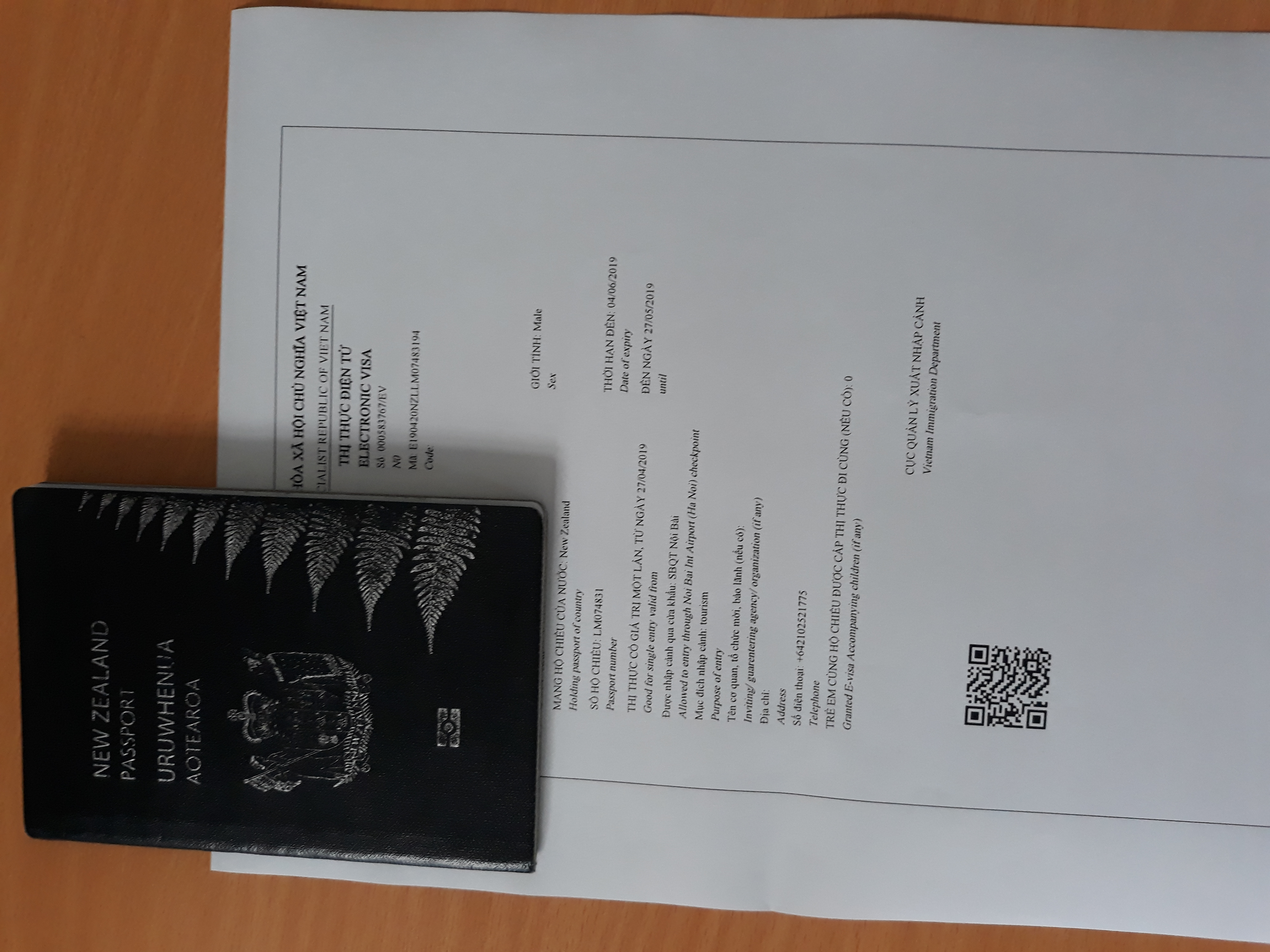
Once the application is approved, download the visa and verify:
Print at least one paper copy and retain a digital backup in your email or secure cloud storage.
Carry the same passport used for the application and a printed copy of the approved eVisa.
These documents may be checked during airline check-in and again at the immigration counter in Vietnam.
New Zealand’s SafeTravel guidance also states that travellers entering through Tan Son Nhat International Airport must complete the applicable digital pre-arrival form, which can be submitted from three days before arrival.

Preparing the required materials before beginning the application can reduce interruptions and prevent avoidable errors.
New Zealand travellers should prepare:
The passport image should display the holder’s photograph, name, passport number, nationality, date of birth, issue date, expiry date, and machine-readable section.
Use an email address that you check frequently. Application updates, correction requests, and approval information may be sent electronically.
Before submitting the application, confirm that you have:
A careful final review can prevent far more time-consuming corrections later.
The total processing time depends on the application method, the accuracy of the documents, and whether the traveller requests expedited assistance.
| Processing Type | Estimated Time | Suitable For |
|---|---|---|
| Standard | Generally around 3 working days | Travellers applying well ahead |
| Urgent | Commonly 1–2 working days, subject to eligibility | Short-notice journeys |
| Emergency | Potentially within several hours for eligible cases | Imminent departures |
The official Immigration Department publishes a standard processing time of three working days. However, the estimate should not be treated as a guaranteed completion time for every submission.
Processing may take longer when:
Urgent and emergency assistance is generally provided as a private support service and does not constitute a universal government guarantee.
Availability depends on the submission time, the circumstances of the application, and whether the documents are complete.
For a less stressful experience, New Zealand travellers should submit their applications at least 10 days before departure.
The amount paid depends on the selected entry type and whether professional assistance is used.
Official government eVisa fees currently include:
These charges are paid through the electronic visa system and are non-refundable when the application is refused.
Travellers using a private visa provider may also pay for:
Before paying, check exactly what the quoted amount includes. The lowest advertised price may cover only basic submission, while a more comprehensive service may review passport information, photographs, travel dates, and entry selection before filing.
Applying independently may suit experienced travellers who have plenty of time. Professional support may be more valuable for first-time visitors, families submitting several applications, or passengers departing soon.

New Zealand travellers can either submit their application independently or use a professional service for additional support.
| Apply Yourself | Professional Visa Service |
|---|---|
| Lower initial cost | Guidance throughout the application |
| Review your own files | Professional document checks |
| Track the application yourself | Dedicated status support |
| Resolve problems independently | Assistance identifying common errors |
| Suitable for confident applicants | Useful for first-time or urgent travellers |
Applying independently can be a reasonable choice when you are familiar with online visa forms, understand the requirements, and have sufficient time before departure.
However, you remain responsible for confirming every detail and resolving any issue that appears after submission.
For New Zealand travellers seeking added convenience, VietnamImmigration.com provides application guidance, document review, simplified preparation instructions, expedited options for eligible cases, and 24/7 customer support.
The service may be especially helpful for:
Professional support cannot replace Vietnam’s Immigration Department or independently guarantee approval. Its main purpose is to reduce avoidable errors and help applicants manage the process more confidently.
Before leaving New Zealand, print at least one copy of the approved eVisa and keep a digital backup.
Compare the visa with the passport one final time. Your name, passport number, date of birth, nationality, validity dates, and permitted entries should all be correct.
At the airport, keep the following readily available:
Travellers entering through Tan Son Nhat International Airport should complete the pre-arrival form from three days before arrival and keep the resulting confirmation or QR code accessible.
After landing, follow the signs to immigration, present the requested documents, collect your luggage, and proceed through customs.
International arrival halls can become crowded when several flights land at similar times. Travellers who prefer assistance may consider a Vietnam Airport Fast Track service, particularly when travelling with young children, elderly family members, substantial luggage, or a tight onward connection.
Different airports and providers offer different levels of assistance, so review the package carefully before booking.
Yes. New Zealand passport holders can generally apply online for a Vietnam eVisa before travelling.
The eVisa may be valid for up to 90 days and can permit single or multiple entry.
Applying at least 10 days before departure is recommended as a practical safety margin.
Although official processing is generally listed as three working days, extra time may be needed when documents or information require correction.
The approved visa will show a specific validity period. You may enter on or after its start date, but not before.
If your revised arrival remains within the approved period and complies with the permitted number of entries, the visa may still be usable. Otherwise, a new application may be required.
A child travelling with an individual New Zealand passport generally requires a separate visa issued against that passport.
Parents should review the child’s personal details, passport number, photograph, and visa dates carefully.
Yes, provided they obtain a multiple-entry eVisa.
A single-entry visa normally cannot be reused once the traveller has left Vietnam.
Review the submission for:
Correct the issue before submitting another application. Government eVisa fees are generally non-refundable when an application is refused.
Travel insurance is not listed as a standard document required for the eVisa application.
However, New Zealand travellers should consider comprehensive coverage for medical treatment, cancellations, luggage loss, and emergency evacuation.
No. Vietnam eVisas are valid only at designated international airports, land crossings, and seaports.
Confirm that your planned checkpoint accepts eVisas before finalising the itinerary.
Contact the relevant application channel or service provider immediately.
Do not assume that an airline or immigration officer will overlook an incorrect name, passport number, nationality, validity period, or entry type.
Depending on the error, a replacement application may be necessary.
Travellers entering through Tan Son Nhat International Airport must complete the applicable digital pre-arrival form, which is available from three days before arrival. Entry procedures may change, so check official guidance again before departure.
Obtaining a Vietnam tourist visa is usually manageable for New Zealand travellers, but careful preparation is essential. Incorrect passport information, unsuitable photographs, poorly chosen visa dates, or the wrong entry type can turn an otherwise simple online application into an expensive travel problem.
Apply early, prepare clear documents, choose the visa that matches your full itinerary, and review every field before payment. After approval, print the eVisa, compare it with your passport, confirm the entry checkpoint, and complete any applicable pre-arrival declaration.
New Zealand travellers who prefer professional assistance may use VietnamImmigration.com for application guidance, document checks, expedited options for eligible cases, and ongoing customer support. Whether you apply independently or use professional help, accurate information and early preparation remain the best ways to avoid delays and begin your Vietnam holiday with confidence.
Travel from New Zealand to Vietnam continues to attract holidaymakers, business visitors, families, and travellers looking to experience the country’s food, culture, and landscapes. However, an overlooked visa requirement can …
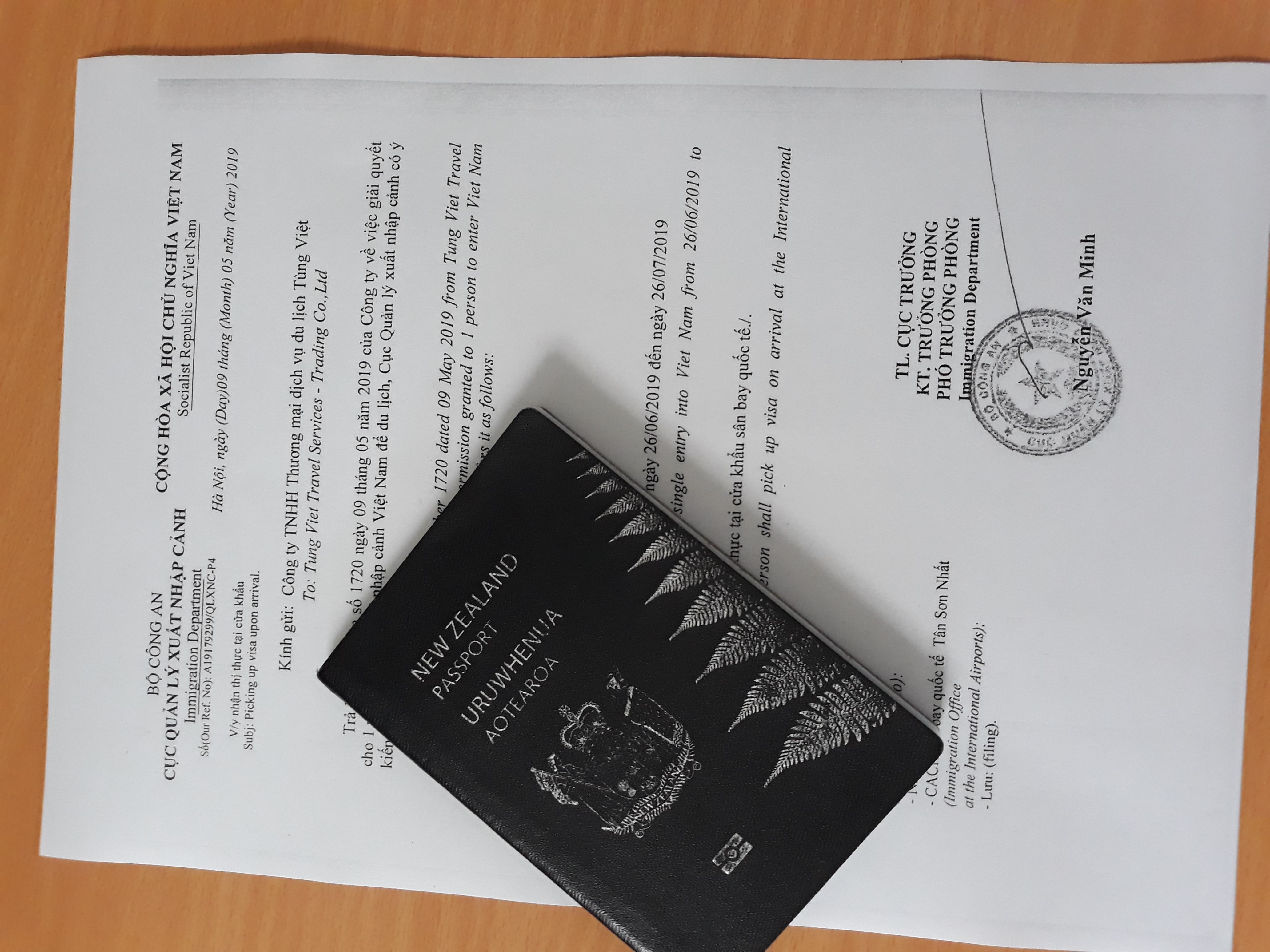
Planning an international trip is always exciting, but sometimes unexpected issues appear at the last minute. Imagine you are a traveller from New Zealand preparing to fly to Vietnam tomorrow. …
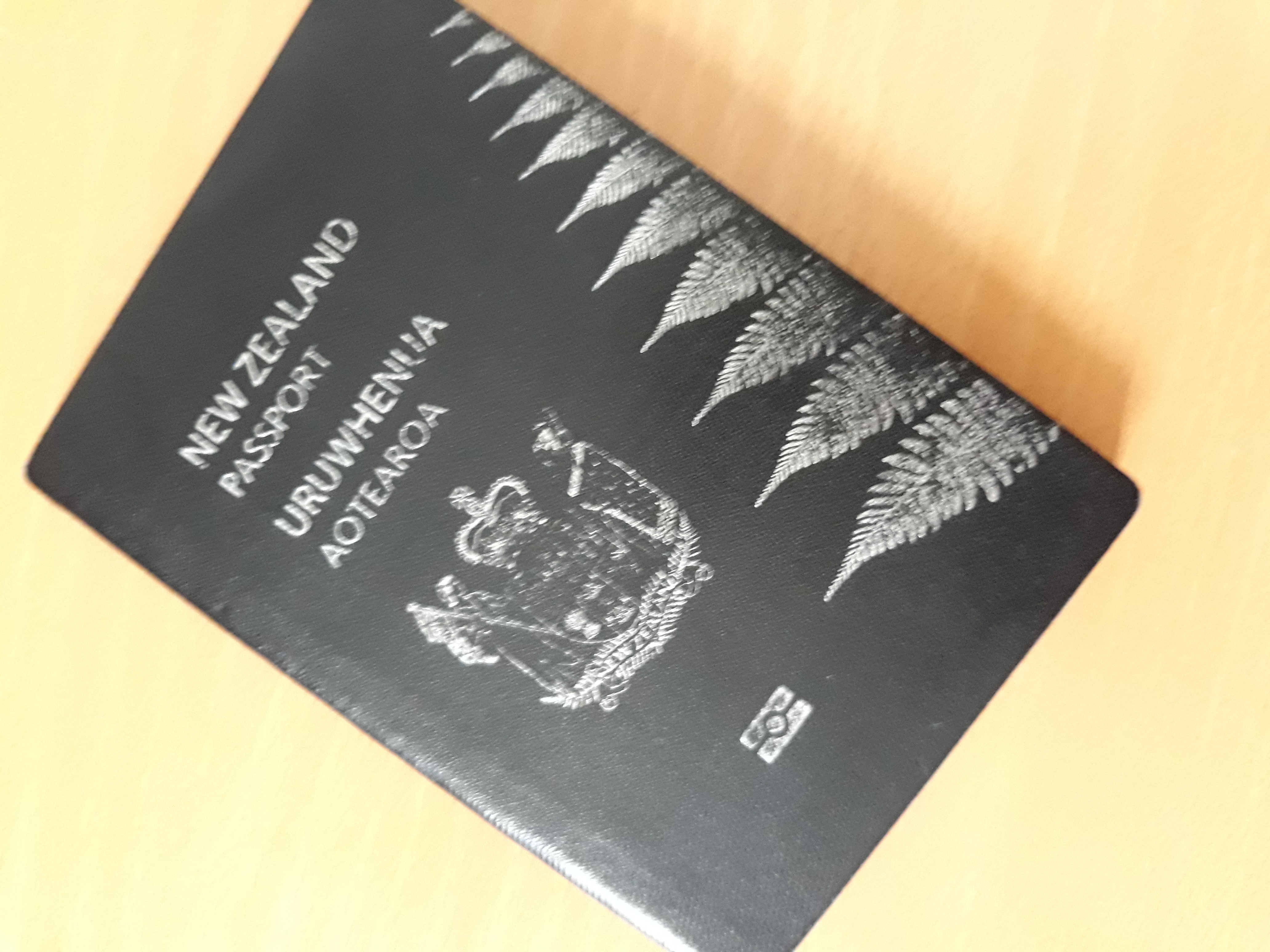
Heading off from New Zealand to explore Vietnam’s coastal gem, Danang? If you’re after a hassle-free way to sort out your visa, the landing visa—also known as Visa on Arrival—is …
Planning a Southeast Asian getaway from New Zealand in 2026? Vietnam might be calling—with its rich cultural heritage, affordable adventures, delicious street food, and postcard-worthy scenery. But before you pack …
Thinking of trading in your Kiwi winter for a tropical escape in Vietnam? From vibrant cities and historic temples to mouth-watering street food, Vietnam is an irresistible destination for many …
For many travellers from New Zealand, organising a trip to Vietnam is exciting—until the visa research begins. A quick search online often brings up a jumble of conflicting advice: some …
For many travellers from New Zealand, sorting out visa rules can be one of the most confusing parts of organising an overseas trip. Vietnam, despite being an increasingly popular destination …
Imagine wandering through Hanoi’s lantern-lit streets, drifting along the emerald waters of Ha Long Bay, or sampling rich Vietnamese coffee in a quiet café in Ho Chi Minh City. For …
Heading off to Vietnam from New Zealand soon? Before you book your flights and pack your jandals, make sure you’ve sorted your visa. Many Kiwi travellers get stuck trying to …